Last updated November 18, 2026





Free written scope consultation - allowances, timeline, and change-order rules on paper before a single trade is scheduled
DIY vs Professional Kitchen Remodeling: What’s Safe to Do Yourself
Replacing a kitchen faucet is legal do-it-yourself work in Nevada. Extending a gas line to a new range location is not, and that gap matters most the day a buyer’s inspector walks through. In our experience across Whitney, kitchen remodels carry the highest DIY failure rate of any room in the house. Not because homeowners are careless, but because a kitchen packs three regulated trades (electrical, plumbing, gas) into one footprint, and the line between a weekend project and a permitted job is invisible until you look for it. This guide maps that boundary task by task: what’s genuinely safe to take on, what needs a licensed trade, and how to run a hybrid remodel without paying someone to manage work you can manage yourself.
Quick Answer
Demolition, cabinet assembly, painting, hardware installation, and appliance delivery prep are safe and legal for most Whitney homeowners to do themselves. Electrical rough-in, gas line work, plumbing relocation, and anything that touches the permit-inspection process require a licensed trade, even when the task looks small. Unpermitted kitchen work can stop a sale at closing and complicate an insurance claim, so the smart move is to DIY the prep and finish work and contract the rough-in trades with a written scope.
Styles & brands we work with
- Kitchen remodeling
- Bathroom remodeling
- Home additions & ADU
- Roofing
- Windows & doors
- Driveway & pavers
- Fence
Table of Contents
- The Nevada Permit Trigger List for Kitchens
- Safe DIY Tasks and the Real Math on Savings
- Where DIY Work Creates Licensed Trade Problems
- How to Run a Hybrid Remodel Without a Full GC
- Resale and Insurance Effects of Unpermitted Work
- Nevada Climate Factors That Change a Kitchen Remodel
- Common Mistakes to Avoid
- When to Call a Professional
The Nevada Permit Trigger List for Kitchens
Whitney sits in unincorporated Clark County, so kitchen permits run through Clark County Building. The county’s trigger list is short but unforgiving. Structural changes, new or relocated electrical circuits, plumbing additions or relocations, gas line work, and mechanical changes like a new range hood vent or HVAC duct move all require a permit. Cosmetic swaps like cabinet doors, paint, and hardware do not.
Here’s the split that trips most homeowners.
- Permit plus licensed trade: new electrical circuits or outlets, moving a sink or dishwasher supply, extending gas to a new range location, and venting a range hood to the exterior.
- Permit, sometimes owner-performable: nonstructural cabinet replacement, drywall patching above the 24-square-foot threshold, and replacing a window in a wet area. The county may allow owner-builder permits here, but inspections still apply.
- No permit, genuinely owner-performable: demolition of non-load-bearing finishes, painting, cabinet hardware, faucet replacement, backsplash tile where no electrical or plumbing is touched, and floorcovering.
The rule of thumb: if a wall comes down, a pipe or wire moves, or a flame is involved, you need a permit and a licensed trade. Filing an owner-builder permit is legal in Nevada, but it holds you to the same inspection standard as a licensed contractor and leaves you responsible for the result. Our General Contractor in Whitney page covers how we handle permits and sign-off on every project.
Safe DIY Tasks and the Real Math on Savings
Most of the money a homeowner can save in a kitchen sits on the front and back ends of the job, not the middle. Demolition and finish work are labor-heavy and skill-light. The rough-in trades sit in the middle and account for the least DIY-able labor but the largest liability if done wrong.
Here’s what you can expect to save in a Whitney kitchen remodel, based on the labor share of each task.
- Demolition: roughly $500 to $1,200 in labor on a typical 150-square-foot kitchen. Requires dust barriers, debris hauling, and a plan for shutting off the water and gas before the first hammer swing.
- Cabinet assembly: on boxed, ready-to-assemble cabinetry, you can save $400 to $900 in assembly labor. The trade-off is load-in time and the fact that door alignment on a full kitchen takes longer than the box itself.
- Painting: $600 to $1,500 in labor. Wall prep and a proper primer seal matter more than the paint brand in a kitchen with grease in the air.
- Hardware installation: $200 to $500. The one place a homeowner can reasonably match a pro, provided you drill before the doors are hung.
- Appliance delivery prep: removing old units, clearing the path, verifying rough-in locations. Saves $150 to $300 in coordination labor.
Add those up and a hands-on homeowner can genuinely knock $2,000 to $4,000 off a Whitney kitchen job without touching a permit or a trade license. That’s the real number. Anyone promising you $15,000 in DIY savings is assuming you’ll take on the electrical and plumbing yourself, which is where the trouble starts.
Where DIY Work Creates Licensed Trade Problems
Two failures come up repeatedly in Whitney, and both look harmless right up to inspection day.
First, tile behind a range hood. A homeowner installs a decorative tile backsplash without realizing the range hood duct behind it needs a mechanical inspection. When the HVAC inspector arrives, the hood venting has to be opened up to be checked, and tile has to come off. The tile is fine work. The problem is sequencing. Tile goes in after the mechanical inspection, not before.
Second, self-run electrical to a kitchen island. A homeowner pulls a new circuit for island outlets and a built-in microwave, wires it, and leaves it exposed for inspection. The electrical inspector can’t sign off because the kitchen island required a change to the countertop layout that shifted the box location, and the rough-in doesn’t match the plan on file. The inspector fails the job and the homeowner has to open drywall to correct it. What looked like $800 in electrical savings turns into $1,500 in rework and a delay.
Our Kitchen Remodeling in Whitney page covers how we sequence trade work so a single inspection covers the rough-in and nothing has to be opened twice. The general rule is this: the rough-in trades get inspected as a group, and the finish trades wait. Break that order and every trade after the break pays for it.
How to Run a Hybrid Remodel Without a Full GC
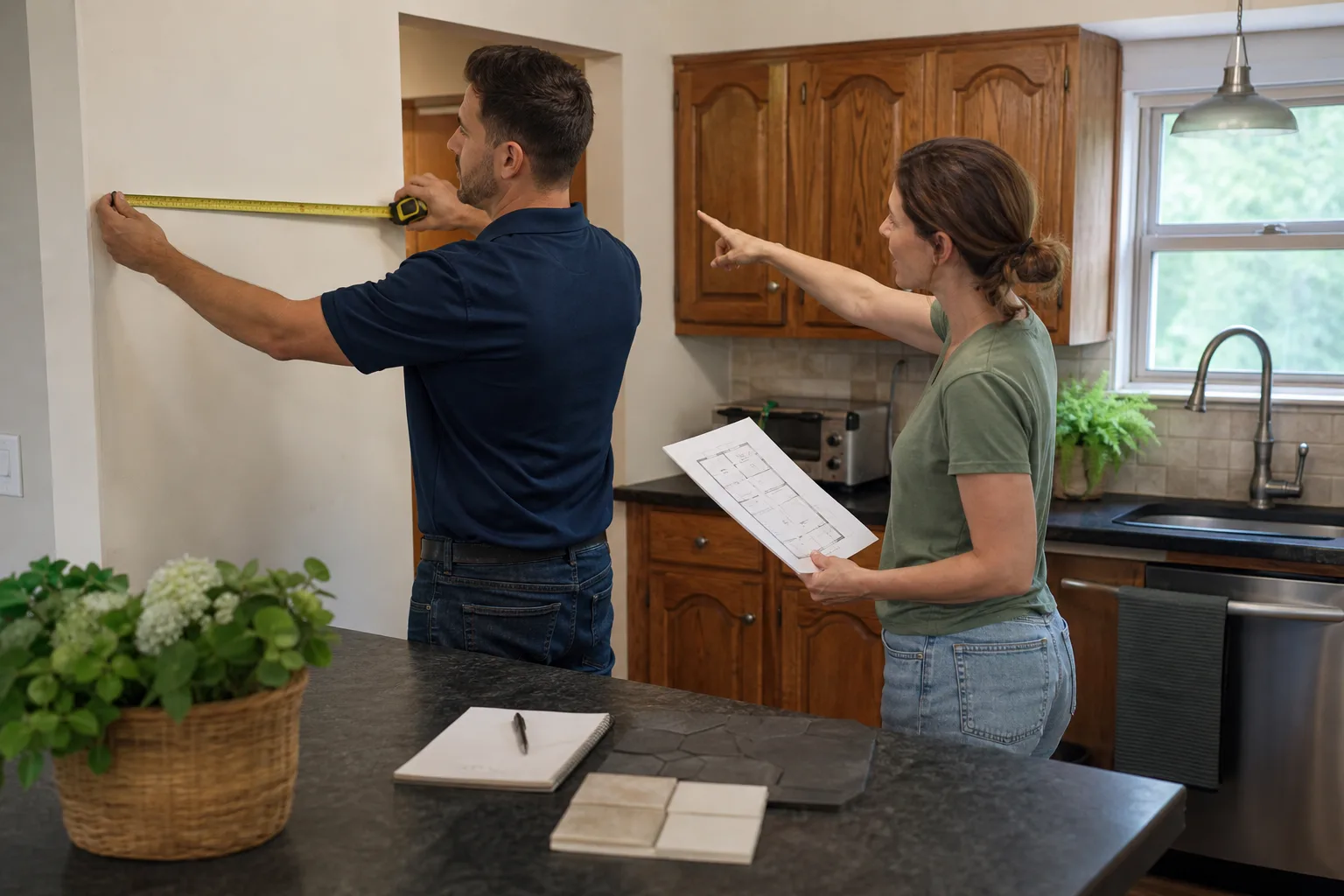
A hybrid remodel lets you keep the finish labor for yourself and hand the rough-in trades to licensed electricians and plumbers on their own contracts. It works well when the scope is light: cabinets, countertops, and finishes, with the plumbing and electrical staying in their current locations. It gets harder when the layout moves. Here’s how to structure it.
- Get the plan drawn first. Even a hybrid job needs a simple layout plan showing cabinet run, appliance locations, and any change to fixtures. This is what the electrician and plumber bid from.
- Pull the permits under your own name as an owner-builder if the county allows it for your scope. You’ll be the responsible party for inspection sign-off. If you’re not comfortable with that, hire a licensed GC to pull them.
- Contract the trades directly. Electrician, plumber, and any gas work go on separate written scopes with their own payment schedule. Make sure each one includes permit filing and inspection sign-off in their written price, not as an add-on.
- Set the finish dates around the rough-in inspection. Drywall, tile, and countertop templates all wait for the rough-in to pass. This is the single scheduling rule that prevents the tile-behind-the-hood problem.
- Coordinate the inspection call yourself. You’re the general contractor now, which means you call the county, not the electrician.
The savings from a hybrid run roughly 8 to 15 percent of a full GC contract, and the risk run in the same range if the sequencing slips. Homeowners who don’t want to be the GC on their own kitchen often call us to run the rough-in trades under one contract and leave the finishes to them. We’ll do the full job or just the licensed portion, and either way the number is in writing before the first tool comes out. Every completed project carries the 365-Day Done Right Promise, which means if the work fails inside a full year, we return and correct it at no charge. A live person answers the phone around the clock, so a kitchen question on a Sunday gets an answer, not a voicemail.
Resale and Insurance Effects of Unpermitted Work
An unpermitted kitchen remodel in Clark County creates two separate problems: one at sale and one at claim time.
At sale, a title company won’t catch unpermitted work on its own, but the buyer’s home inspector will. Anything visible (a new gas range in a location without a permit on file, a new subpanel, an added island outlet) leads to a records request from the county, and the county has no permit to send back. Buyers walk, ask for a credit, or demand a retroactive permit, which sometimes requires opening drywall to inspect what’s behind it. Kitchen remodels are the most-flagged room in Clark County for this reason, because so little of the work can be verified without opening a wall.
At claim time, a homeowner’s policy will generally cover a sudden event like a supply line leak regardless of who installed it. But most Nevada carrier policies exclude or limit damage from work that wasn’t permitted or inspected, and they may treat a slow leak from an unpermitted dishwasher relocation differently than a burst line under a permitted install. Read your own policy declarations page rather than relying on any guide, including this one. The practical takeaway is that permits are cheap relative to a denied claim, and the county’s permit portal shows the whole inspection trail to a buyer.
Our Bathroom Remodeling in Whitney page covers the same permit exposure in wet rooms, which carry a similar risk profile.
Nevada Climate Factors That Change a Kitchen Remodel
Whitney sits in the Mojave Desert at around 2,000 feet, and the climate affects a kitchen more than most homeowners expect. Two shifts in particular.
- Expansion and contraction at exterior walls. A kitchen with a west- or south-facing exterior wall takes daily temperature swings in summer, and cabinet seams at that wall can open in the first year. Solid wood faces handle it better than veneer in Whitney. We’ve seen cabinet doors warp at the exterior-wall cabinet within 18 months of installation in homes without adequate attic ventilation.
- Low indoor humidity in winter. Nevada winters drop indoor relative humidity into the teens, and that pulls moisture from cabinet joints and hardwood floors. A whole-house humidifier or a kitchen with a tight door seal holds up better. If you’re installing hardwood flooring in a Whitney kitchen, plan for a 0.25-inch expansion gap at every wall rather than a tight fit.
- Dust infiltration. Whitney’s prevailing winds push fine dust through any gap in exterior sheathing. Any new exterior-vented range hood or dryer vent needs a tight exterior seal, not just caulk. A properly sealed penetration is a Whitney-specific detail that matters more here than in wetter climates.
Gas is the other local factor. A gas range installation in Whitney requires either a licensed plumber or a licensed gas fitter, and the utility (Southwest Gas) needs to see the licensed connection before turning the meter back on. That’s an absolute line, not a preference.
Common Mistakes to Avoid
- Filing an owner-builder permit on a scope you can’t finish. An owner-builder permit makes you the responsible party for every inspection, and if you can’t complete the job within the county’s timeline, you may have to close the permit with a licensed contractor anyway, doubling the paperwork cost.
- Starting demolition before shutting off the gas. Every Whitney kitchen teardown starts with the gas and water shutoff, and skipping that step turns a weekend demo into an emergency call.
- Installing tile or drywall before the mechanical and electrical inspection. Any finish that covers a hood duct or a rough-in wire has to wait, and homeowners who reverse that order pay for the rework.
- Buying appliances before the rough-in is set. Range size, hood clearance, and island microwave location all shift the rough-in, and a bought-under-the-wrong-size-cabinet situation means both the cabinet and the appliance go back.
- Hiring a handyman for a task that needs a license. Nevada requires a licensed trade for electrical, plumbing, and gas, and the state contractor’s board takes unlicensed work seriously. A handyman is the right call for cabinet hardware and the wrong call for a new circuit.
- Skipping the exterior-wall seal on a Whitney kitchen. A new exterior penetration for a hood vent or a dryer vent needs a proper flashing detail, and caulk alone will leak desert dust within a season.
- Assuming the county will accept a late permit. Clark County sometimes approves retroactive permits and sometimes requires opening walls. Assume the second.
When to Call a Professional
Call a licensed professional the moment any of these show up in your scope. Gas line work, including any relocation of a range. New or moved electrical circuits, especially anything feeding a kitchen island. Plumbing relocation, including moving a sink, dishwasher, or refrigerator supply. Structural changes, including load-bearing wall removal and header installation. Any range hood that needs exterior venting. Any job where you’re unsure whether a permit is required, because the cost of asking is a phone call and the cost of guessing is a denied claim.
Bradford Remodeling Co Whitney offers free estimates in Whitney and will walk a hybrid scope with you so you know exactly which tasks are yours, which are ours, and which the county needs to see. Call (833) 620-4908 to schedule. Background-checked, uniformed technicians show up on every job, and the written price is set before any work starts.
Frequently Asked Questions
No, not a full remodel. Nevada permits cover structural changes, new or relocated electrical circuits, plumbing additions, gas work, and mechanical changes, and any of those trigger the permit requirement even when a homeowner plans to do the work themselves. Cosmetic work like paint, cabinet hardware, and a faucet swap generally does not need a permit. Call (833) 620-4908 if you want the county’s trigger list walked through for your specific scope.
Demolition, cabinet assembly, painting, hardware installation, and appliance delivery prep are the safe DIY tasks in Whitney, and together they can save roughly $2,000 to $4,000 in labor on a typical kitchen. Electrical, plumbing, and gas work are not DIY even when the task looks small. Call (833) 620-4908 for a free estimate on the licensed portion if you want to keep the finish work yourself.
It can. A buyer’s inspector will flag visible additions like a moved gas range or an added island outlet, and once the county is asked for a permit and can’t produce one, buyers often ask for a credit or walk. The title company itself may not flag it, but the inspection process will. Call (833) 620-4908 if you’re unsure whether your existing kitchen work was permitted.
No. Kitchen electrical work requires a licensed electrician in Nevada, and the permit-inspection trail is what signs off on a safe install. It doesn’t matter how simple the circuit looks, or how confident you are with the wire. Call a licensed electrician, and call (833) 620-4908 for a free written estimate if you’d like the whole kitchen scoped.
Roughly 8 to 15 percent of a full general contractor contract, according to the labor math on typical Whitney kitchens. The savings come from doing the finish labor yourself while licensed trades handle the rough-in. The risk of a hybrid is scheduling slippage, which can erase most of the savings if the rough-in inspection comes late. Call (833) 620-4908 for a free estimate and an honest read on whether a hybrid fits your scope.
Bradford Remodeling Co Whitney installs KraftMaid and Wellborn cabinetry, Cambria and Caesarstone surfaces, and Kohler and Moen fixtures on Whitney kitchen projects, all documented with manufacturer specifications so every line item traces to a source. Window and glass work is often paired with CWS and ES Windows, depending on the opening. Call (833) 620-4908 for a free written price on a full or hybrid kitchen scope.
The Bottom Line

The DIY-suitable portion of a Whitney kitchen project is real, and it’s worth $2,000 to $4,000 in labor on a typical job. It runs from demolition through finishes and stops at the rough-in. The licensed portion is not a gray area in Nevada: electrical, plumbing, gas, and mechanical work require a permit and a licensed trade, and the resale and insurance exposure of skipping that line is far bigger than the labor savings. Homeowners who want the finish work for themselves often run a hybrid job and hand the rough-in to one licensed contract. Either way, get the scope and the price in writing before a tool comes out. That’s the shortest piece of this guide and the one with the most money attached to it. Our Bradford Remodeling Co Whitney home page has the full picture of how we run a job.
Call (833) 620-4908 to schedule your free estimate. Bradford Remodeling Co Whitney serves Whitney and the surrounding Las Vegas valley with written pricing, documented brands, and the 365-Day Done Right Promise on every completed project.
Written by the team at Bradford Remodeling Co Whitney.
See the difference
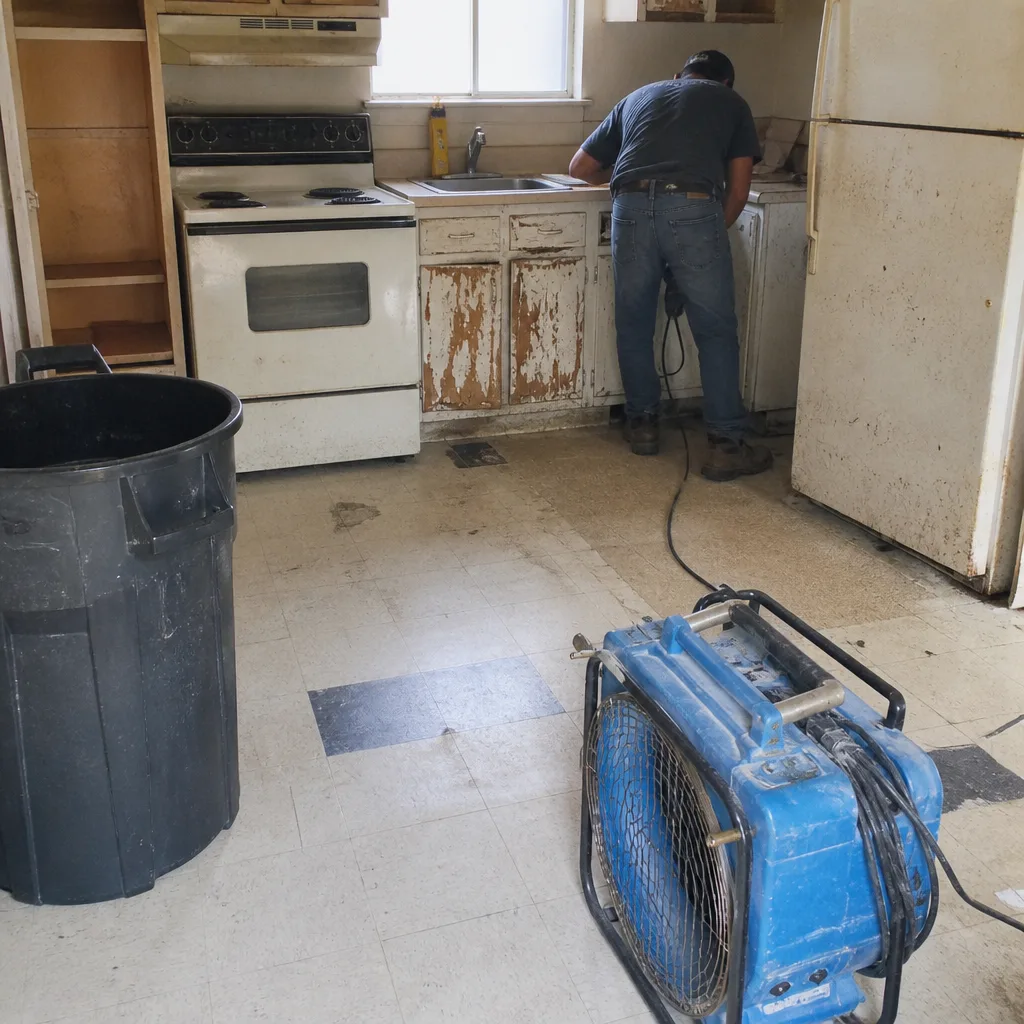 Before
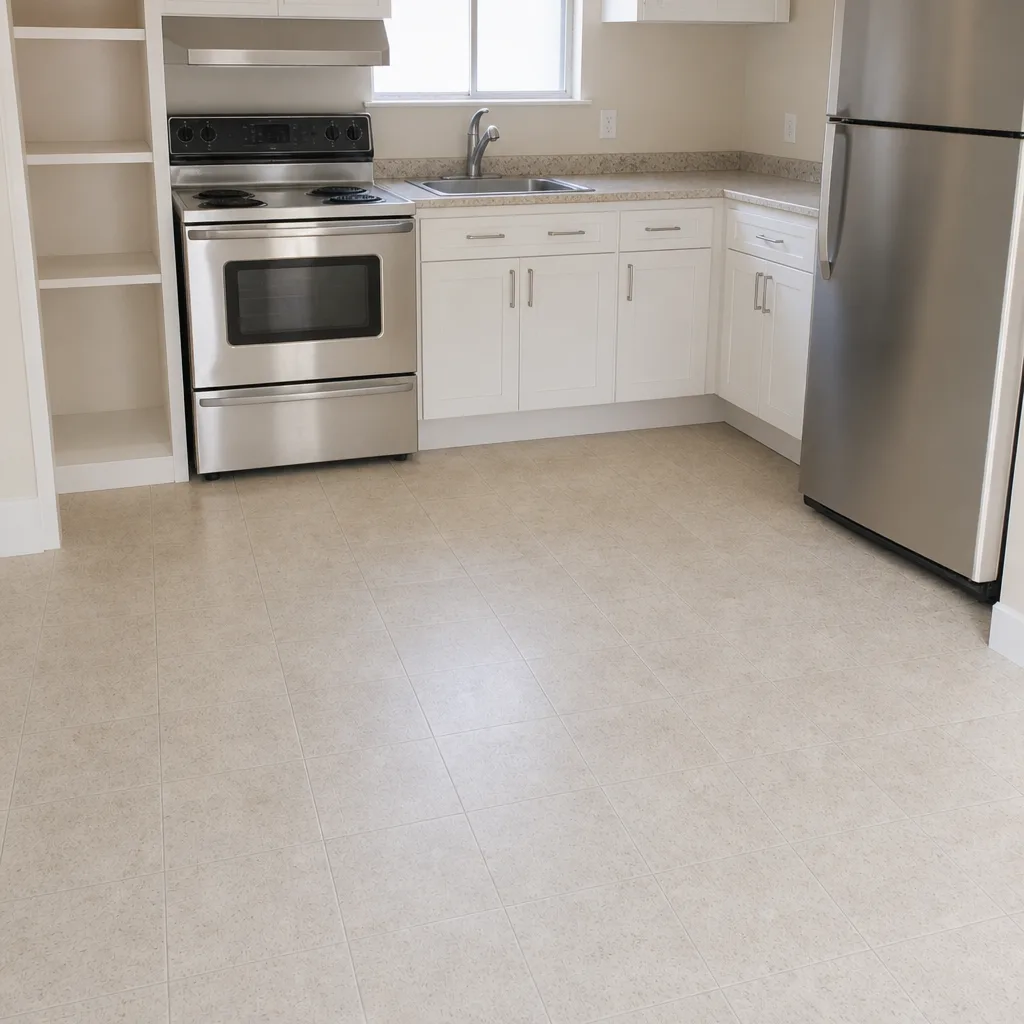 After
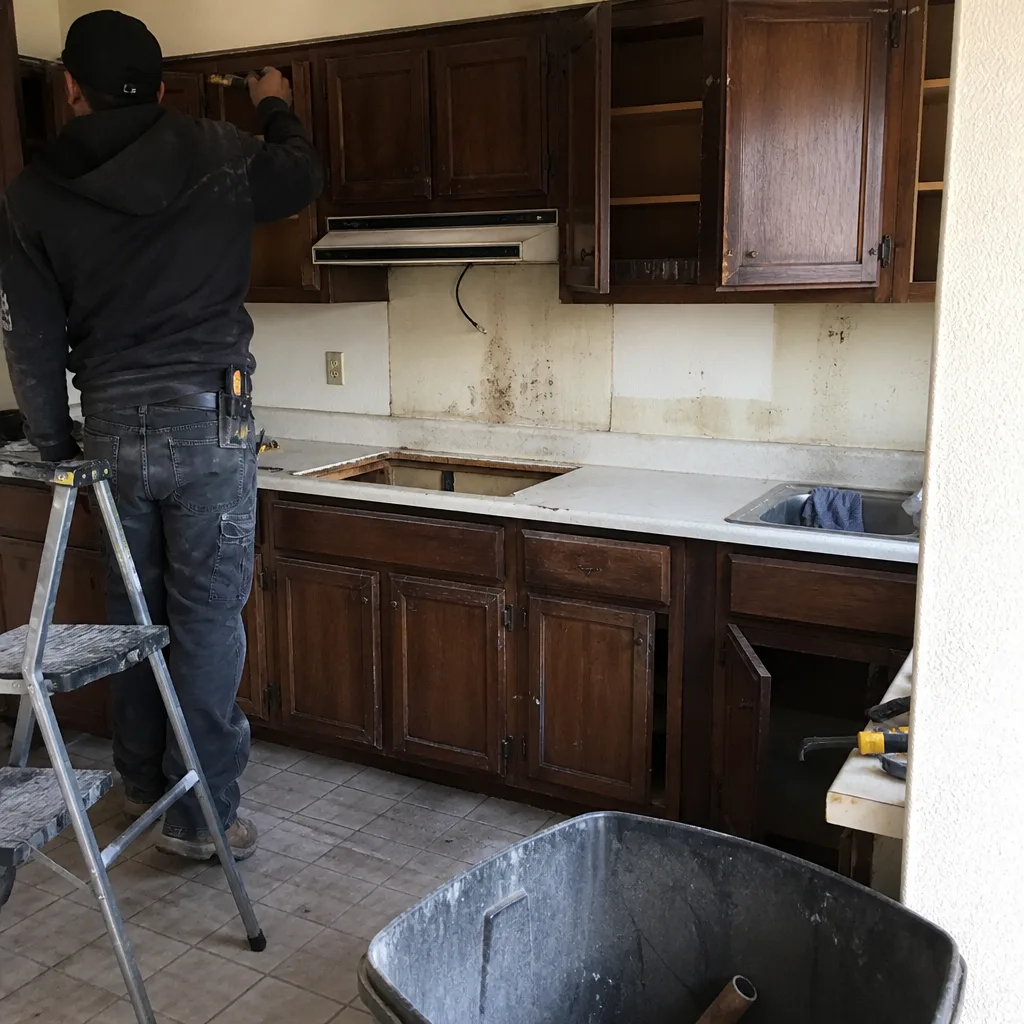 Before
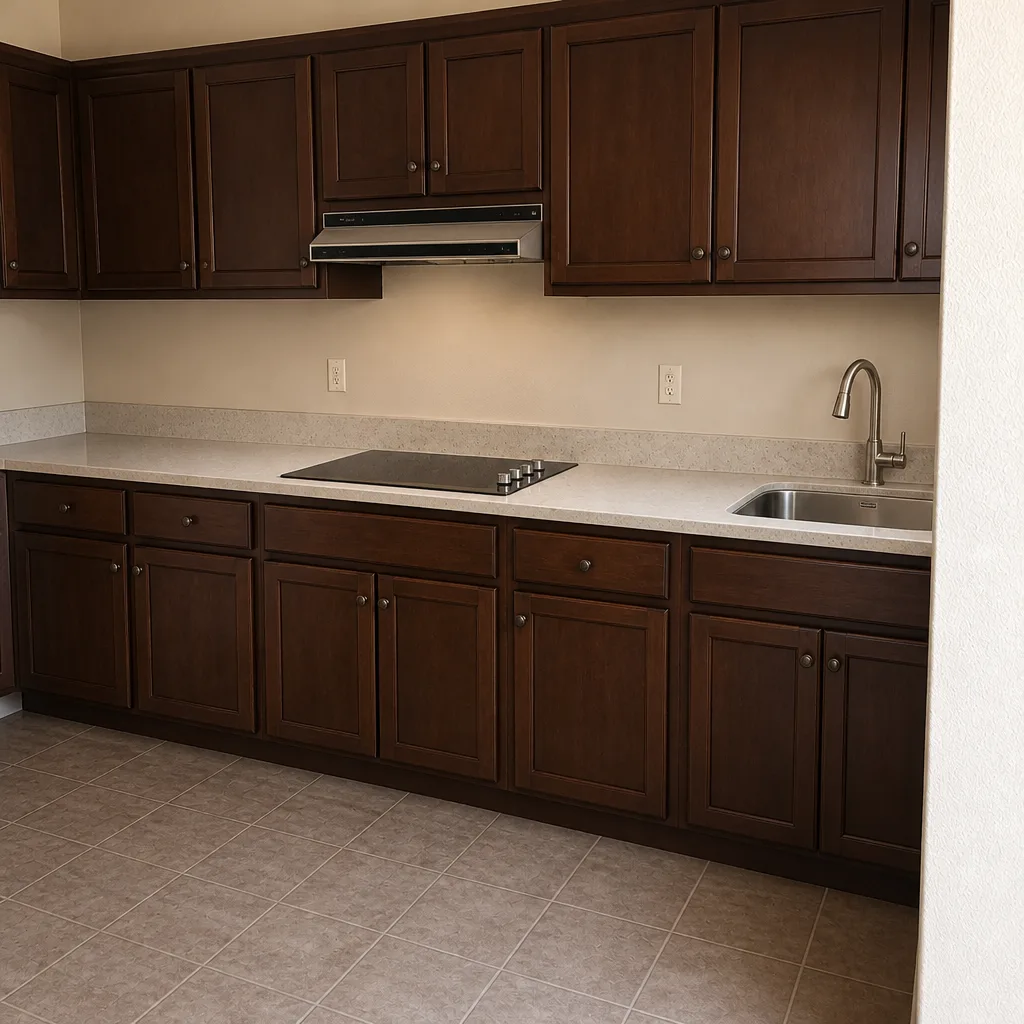 After
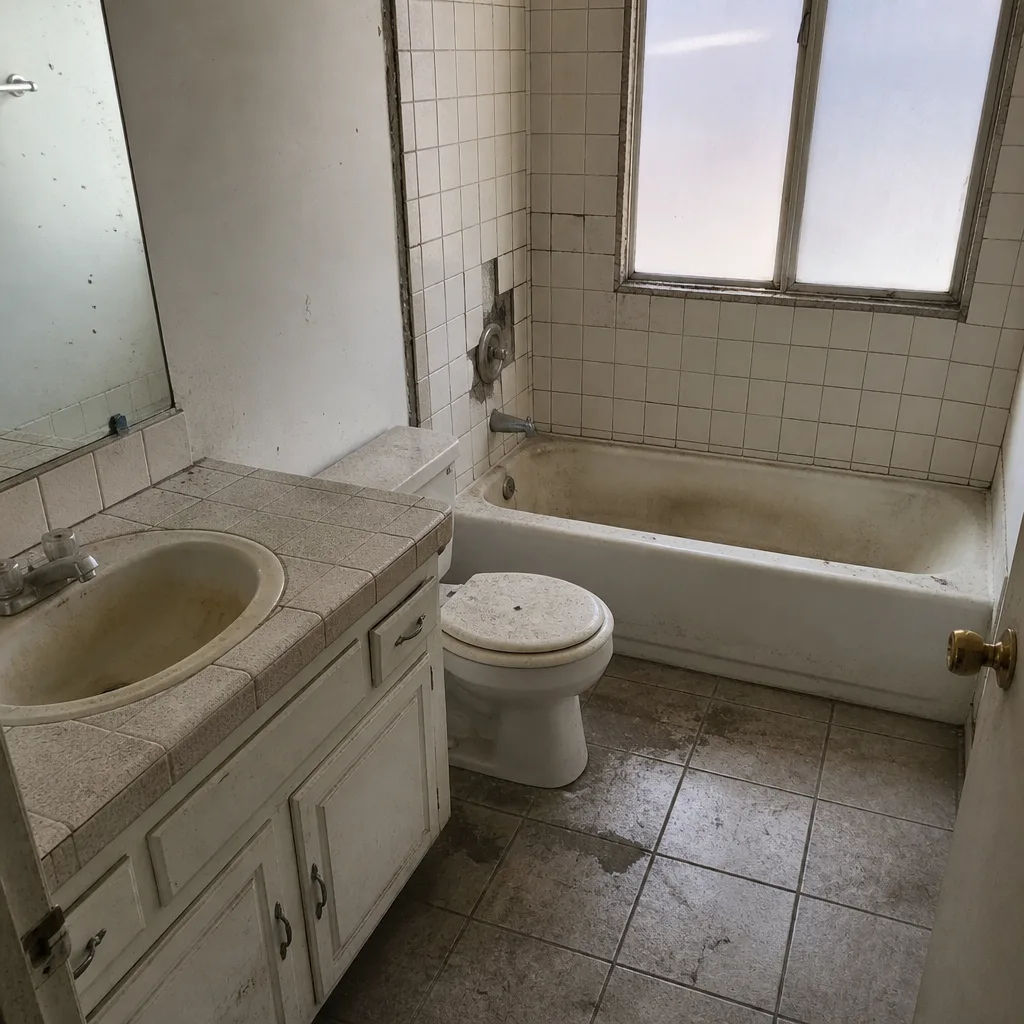 Before
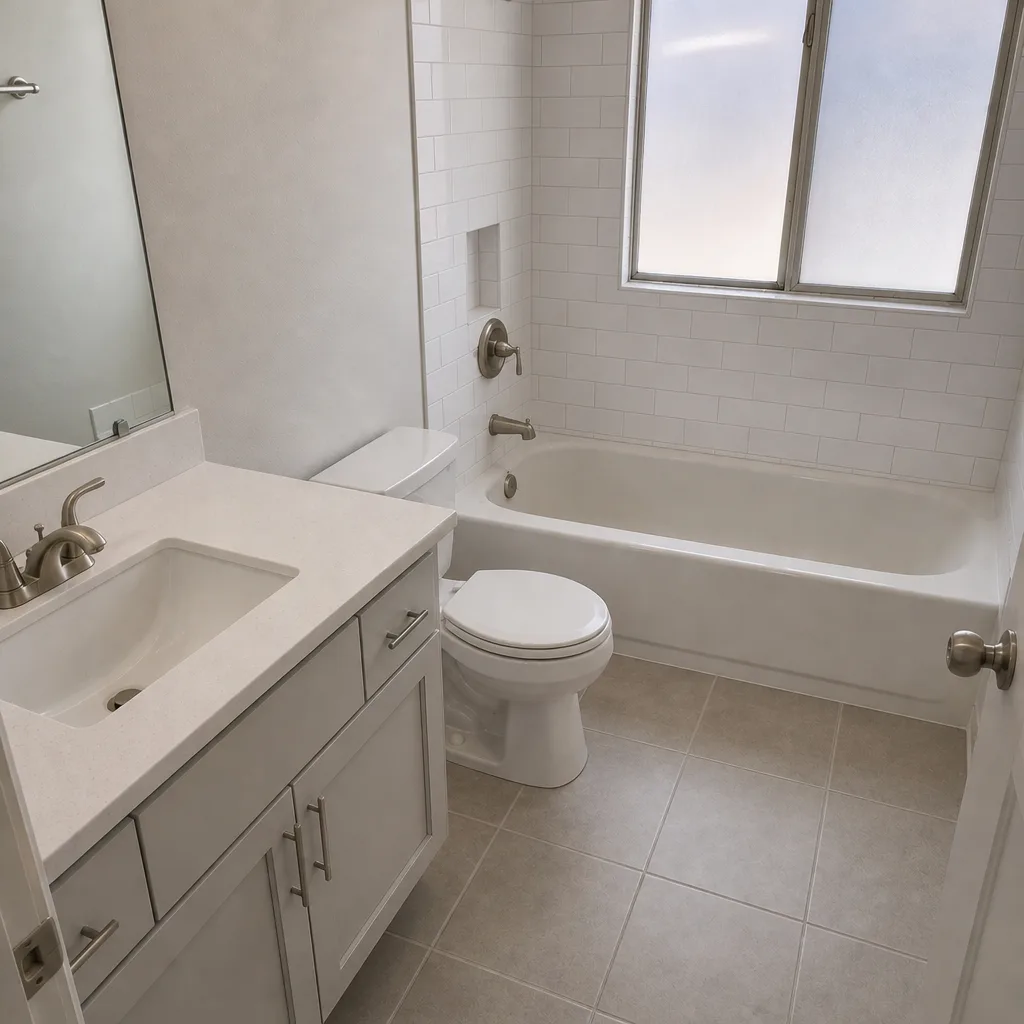 After