Last updated November 18, 2026








Free written scope consultation - allowances, timeline, and change-order rules on paper before a single trade is scheduled
General Contractor Troubleshooting: Common Problems and How to Fix Them
A contractor who is “running a little behind” and a contractor who has abandoned your job look identical for the first two weeks. The difference is in what your contract says about notice requirements and cure periods – and in whether you sent the right paperwork when the first milestone slipped. Most remodeling disputes don’t explode at project end. They start quietly, at a missed date nobody documented.
This guide gives you the diagnostic framework to tell a normal delay from a contract breach, and the documented steps to act on it. We’ve watched homeowners in Whitney navigate exactly this, and the ones who came out whole were the ones who put everything in writing.
Quick Answer
When a general contractor problem starts, do three things immediately: re-read your contract’s notice and cure provisions, send written notice of the specific issue with a deadline for correction, and photograph everything with timestamps. If the contractor doesn’t cure within the contractual window, escalate to the Nevada State Contractors Board and consider withholding the next draw – but only after you’ve sent the written notices Nevada law expects.
Styles & brands we work with
- Kitchen remodeling
- Bathroom remodeling
- Home additions & ADU
- Roofing
- Windows & doors
- Driveway & pavers
- Fence
Table of Contents
- How to Read a Construction Schedule as a Diagnostic Tool
- Written Notices Before You Withhold a Draw in Nevada
- Subcontractor No-Shows, Back-Orders, and Permit Delays: What the Paperwork Shows
- Documenting Defective Work That Holds Up Before the Nevada Contractors Board
- The Three-Step Escalation Path
- Mechanics Lien Basics for Nevada Homeowners
- How to Prevent These Problems Before They Start
How to Read a Construction Schedule as a Diagnostic Tool
A construction schedule is not just a timeline. It’s a diagnostic instrument. If you know what to look for, it tells you whether your project is healthy or heading for a fight.
Three terms matter. Float is the slack built into a task – the number of days it can slip before it pushes the next task. Critical path is the chain of tasks with zero float; if anything on the critical path slips, your final date slips. Milestones are the checkpoints tied to draws, inspections, and phase completions. A good contractor hands you a schedule that names all three in writing before demolition.
Here’s how to use it:
- Mark your critical-path tasks. In a Whitney kitchen remodel, cabinet delivery, countertop templating, and final inspection are almost always critical. If drywall has three days of float and your cabinets have none, a drywall slip is noise; a cabinet slip is a real problem.
- Compare actual dates to scheduled dates weekly. Not monthly. A slip you catch in week one is a conversation. A slip you catch in week six is a dispute.
- Ask what caused the slip and whether float absorbed it. “We lost two days but we’re still inside float” is a real answer. “We’ll make it up” is not.
When the schedule is written and shared up front, this becomes a shared tool. That’s part of how we run jobs at Bradford Remodeling – the Bradford Remodeling Co Whitney home page lays out the discipline behind it. In our experience across Whitney, the homeowner who can read the schedule catches problems weeks earlier than the one who only looks up when the crew stops showing up.
Written Notices Before You Withhold a Draw in Nevada
Withholding a draw payment is a serious move, and if you do it without notice you may find yourself in breach of your own contract instead of the other way around. Nevada contracts almost always include a notice-and-cure clause. Read that clause before you withhold a dollar.
Here’s the sequence that holds up:
- Send written notice of the specific defect or delay. Not “the work is bad.” Name it: “The shower rough-in was not inspected and the tile substrate is not flat by more than 1/4 inch over 10 feet, contrary to the scope and tile manufacturer spec.” Detail is the whole game.
- Give the cure period stated in your contract. Common windows run 5 to 15 days depending on the phase. If the contract is silent, 10 days is a defensible default – but call that out in the notice itself.
- State the consequence clearly. “If the defect is not corrected by [date], we will withhold the current draw pending resolution.” Put it in writing and keep a copy.
- Send by a method you can prove. Certified mail, or email with a read receipt plus a follow-up certified copy. Texts are useful for the record but not sufficient on their own.
Nevada law also gives homeowners a set of protections around liens and payment, covered in more detail below. If the contractor is a licensed Nevada general contractor, you also have the option of a formal complaint with the state board, which we cover in the escalation section. The point of notice isn’t to threaten; it’s to leave a paper trail that a board investigator or a court can actually follow. Contractors who are squared away respond to a clear written notice. The ones who don’t are telling you something.
Subcontractor No-Shows, Back-Orders, and Permit Delays: What the Paperwork Shows
Three of the most common causes of delay look identical from the driveway. The paperwork tells them apart, and it also tells you which ones are the general contractor’s problem to solve.
- Subcontractor no-show. What it looks like: no crew on site, no material staged, no activity logged for the phase. What to check: the subcontractor’s schedule, the signed sub agreement, and whether the GC has notified you of the absence. Which party owns it: the GC. Subcontractor performance is the GC’s responsibility under your contract – that’s the whole point of hiring a GC.
- Material back-order. What it looks like: an order confirmation with a delayed ship date, or a change to the lead time on a specified product. What to check: the purchase order and the manufacturer acknowledgement. Which party owns it: often shared. A genuine back-order on KraftMaid cabinetry or a specific Cambria slab is real; the GC’s job is to tell you within days, not weeks, and to offer a written path forward (alternate spec, resequencing, adjusted date).
- Permit delay. What it looks like: an application number, a status of “plans under review,” and a jurisdiction timeline. What to check: the permit number and the local building department’s published review time. Which party owns it: usually the GC, because pulling permits and managing inspections is a stated duty in almost every written contract. In Whitney, Clark County plan reviews can run longer than homeowners expect on structural changes, so the schedule should reflect realistic review time, not hope.
The general contractor in Whitney who is running a disciplined job will hand you the paper for each of these without a fight. The one who won’t is the one to watch. You can see how a squared-away scope looks on our General Contractor in Whitney page.
Documenting Defective Work That Holds Up Before the Nevada Contractors Board
Photos alone don’t win a defect claim. A timestamped, written record does. When the Nevada State Contractors Board reviews a complaint, investigators look for a coherent trail: what you observed, when you observed it, when you notified the contractor, and whether you gave them a fair chance to fix it.
Use this method:
- Photograph with context. Wide shot of the room, close-up of the defect, and – crucially – a ruler or reference object in the close-up. Timestamps should be automatic from your phone’s camera.
- Take a video walk-through on the same day. Narrate it: date, address, room, what you’re seeing. Twenty seconds is plenty.
- Log every defect in a written list. Number them. “Item 4: kitchen backsplash tile at left of range is lipped by roughly 1/8 inch; grout line inconsistent. First observed [date].” Send that list to the contractor in the same written notice format described above.
- Request cure in writing with a specific remedy. “We request that Items 3 and 4 be removed and reinstalled to manufacturer spec by [date].” Vague complaints invite vague fixes.
- Keep every reply. Even the unhelpful ones. Silence after a written cure request is itself evidence.
This is the same standard we hold ourselves to on the Kitchen Remodeling in Whitney side of the business, because any defect that gets corrected fast is a good outcome for both sides. The documentation habit is not adversarial; it’s what makes the 365-Day Done Right Promise meaningful on our jobs, because there’s a written record of exactly what was corrected and when. If you want to see the same discipline applied on a smaller scope, the Bathroom Remodeling in Whitney page runs through a typical sequence.
The Three-Step Escalation Path
When a contractor problem isn’t getting fixed, escalate in order. Skipping a step weakens the next one.
- Written notice to the contractor. The document described in the draw section above. Specific defect, specific remedy, specific deadline, sent in a provable way. If you’re in the middle of a project, this is the moment to request a meeting with the responsible manager and put the outcome in writing afterward.
- Complaint to the Nevada State Contractors Board (NSCB). File once the cure period has expired without a fix. You’ll need your contract, your written notices, your photo log, and any invoices and payment records. The NSCB can investigate, and for licensed contractors, the outcome can range from a mediation referral to disciplinary action. This is a public record and a formal process; don’t file until you’ve given the contractor a real chance to cure.
- Mechanics lien response. If a subcontractor or supplier files a lien against your property for the GC’s non-payment, you have legal tools, including a written demand and, in some cases, a payment bond claim. This is the step where a construction attorney is worth the money. Nevada mechanics lien law has strict timing requirements, and the deadlines are not forgiving.
None of this is pleasant. All of it is doable if you kept the paper. In Whitney, where most of our projects involve county inspections, the documentation habit that protects you in an escalation is the same one that gets the inspections passed in the first place. It’s the same reason the Garrison Standard puts every price and every guarantee in writing before a tool comes out – the paper is the protection.
Mechanics Lien Basics for Nevada Homeowners
A mechanics lien is a claim against your property by someone who wasn’t paid for labor or materials. It is not a lawsuit, but it can cloud your title, and it can become a big problem at closing or refinance. Most Whitney homeowners we’ve worked with have never run into one, but it’s worth understanding before you need to.
- Who can file. Subcontractors, suppliers, and – in some cases – the GC. The classic nightmare is a GC who collects from you, doesn’t pay the electrical sub, and the sub files a lien on your house.
- What protects you. A signed lien waiver at each draw from the GC, and conditional waivers from major subs and suppliers, is the standard protection. Get them in writing as a condition of payment.
- What to do if a lien lands. Get a copy, contact the filer to confirm the amount, contact your GC in writing, and if it isn’t resolved quickly, speak to a construction attorney. In Nevada there are strict time windows a lienholder must meet to enforce a lien, but homeowners shouldn’t count on running out the clock – act.
- What a good GC does. A disciplined contractor pays their subs on schedule, collects lien waivers at each draw, and hands you a clean closeout packet with the waivers included.
Clear closeout documentation matters most on larger scopes like a Bradford Remodeling Co Whitney home whole-home remodel, where there are more subs, more suppliers, and more lien exposure. Closeout isn’t a formality; it’s what lets you sell or refinance without a fight.
How to Prevent These Problems Before They Start
The cheapest dispute to resolve is the one you avoid. Two habits prevent most of the problems in this guide.
First, insist on a written price and a written scope before any work begins, and make sure the scope names brands and specifications – not “premium tile” but the specific product and manufacturer spec. Our brand roster is documented for exactly this reason: KraftMaid, Wellborn, Cambria, Kohler, Moen, GAF, James Hardie, Therma-Tru, and others each carry manufacturer specs and warranties that make “was this done right” a checkable question rather than an argument. Second, run every change through a written change order before it’s performed. Verbal change orders are where surprise invoices come from.
If you’re planning a Whitney project, line up your payment schedule with your milestones, keep every email, and don’t let a missed milestone pass without a same-week written check-in. These habits cost nothing and save the relationship when a real problem lands.
Common Mistakes to Avoid
- Withholding a draw without written notice. It feels justified and can backfire; without notice, you may be the one in breach. Send the notice first.
- Accepting verbal change orders. “We’ll work it out at the end” is the start of every surprise invoice story. Get it in writing before the work happens.
- Photographing defects without a reference object. A close-up of a bowed wall means nothing without scale. Include a ruler, or a hand, in the frame.
- Filing with the NSCB before you’ve given a real cure period. Boards expect you to have given the contractor a chance to fix it. File too early and you weaken your own complaint.
- Paying the final draw without lien waivers. Especially on larger Whitney scopes, a missing waiver at closeout is a quiet four-figure risk. Collect them in writing.
- Treating schedule slips as normal for weeks. Two weeks with no written explanation and no corrected date is not a delay; it’s a pattern. Ask, in writing.
- Letting a small defect ride “until punch list.” Some defects are cheap now and expensive later. Water intrusion into a poorly flashed window is the classic. Report it the day you see it.
See the difference
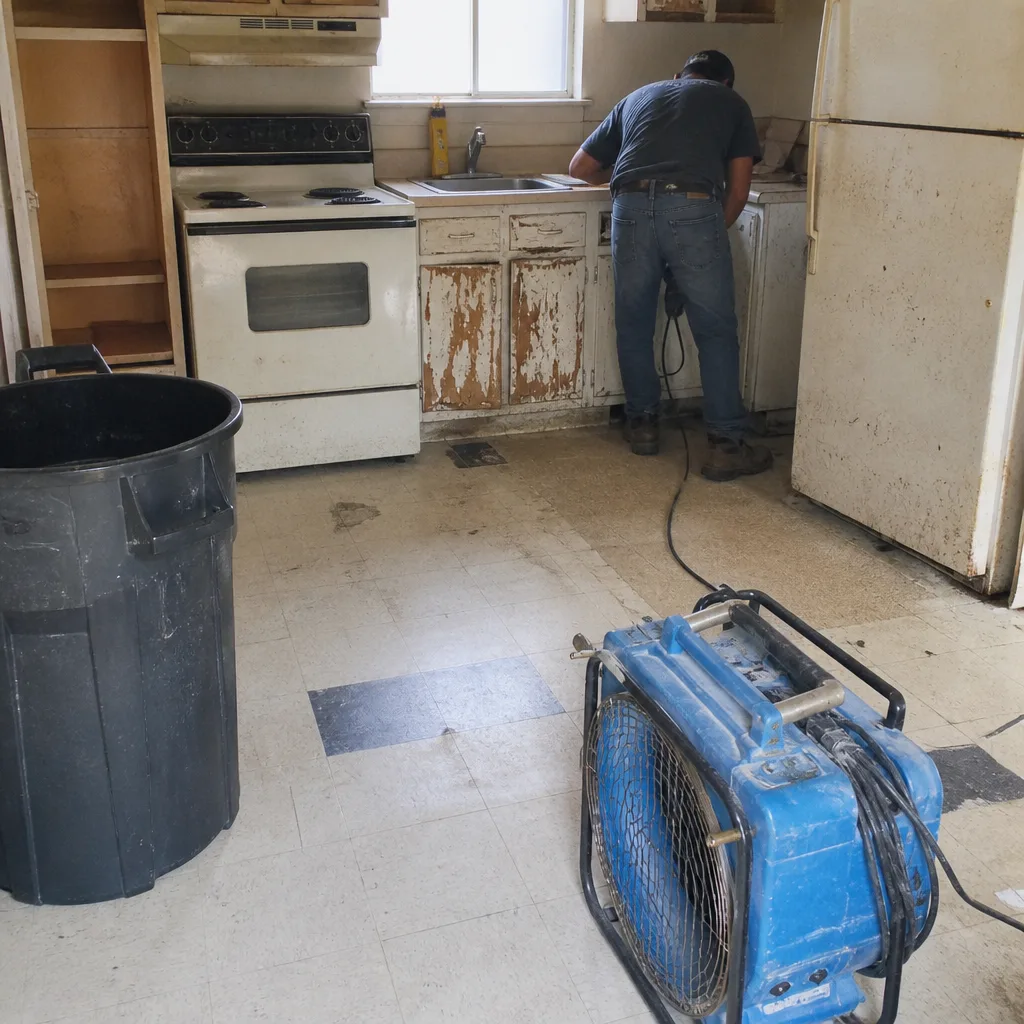 Before
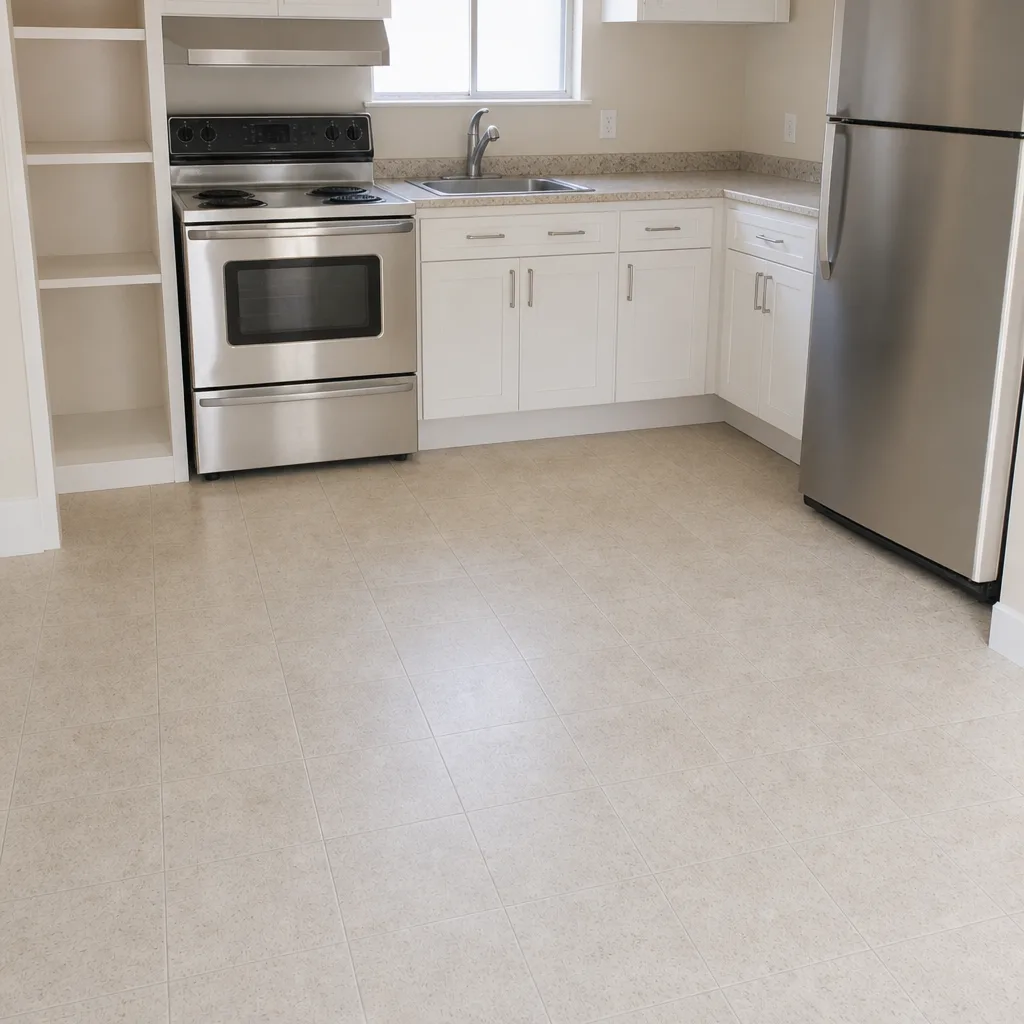 After
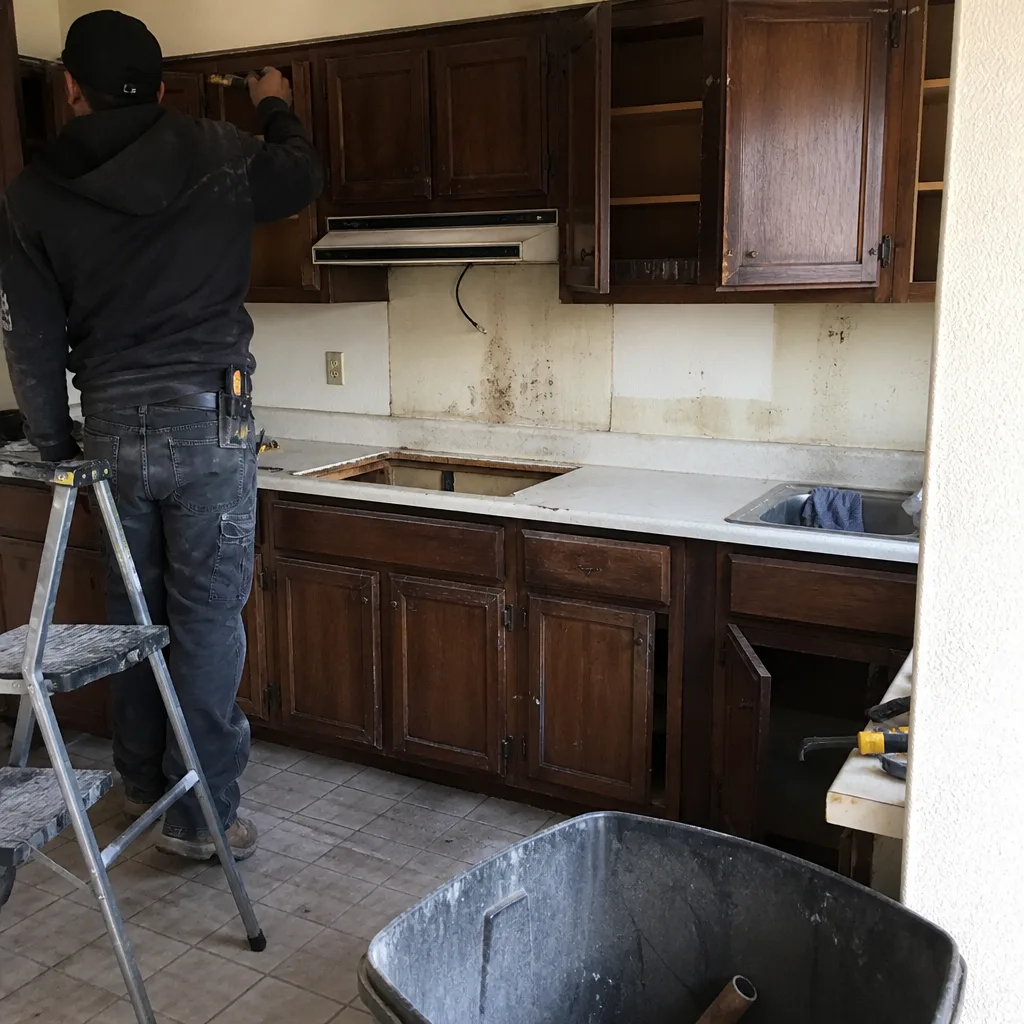 Before
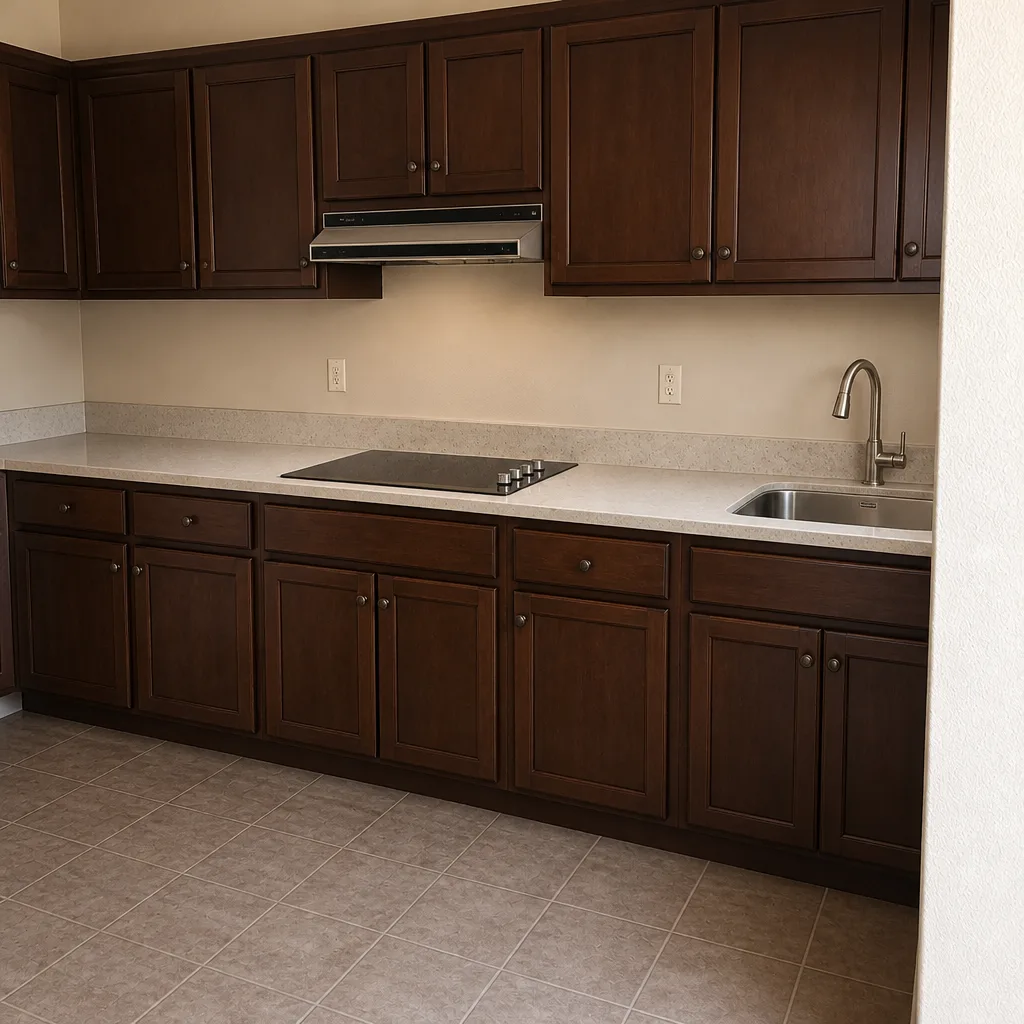 After
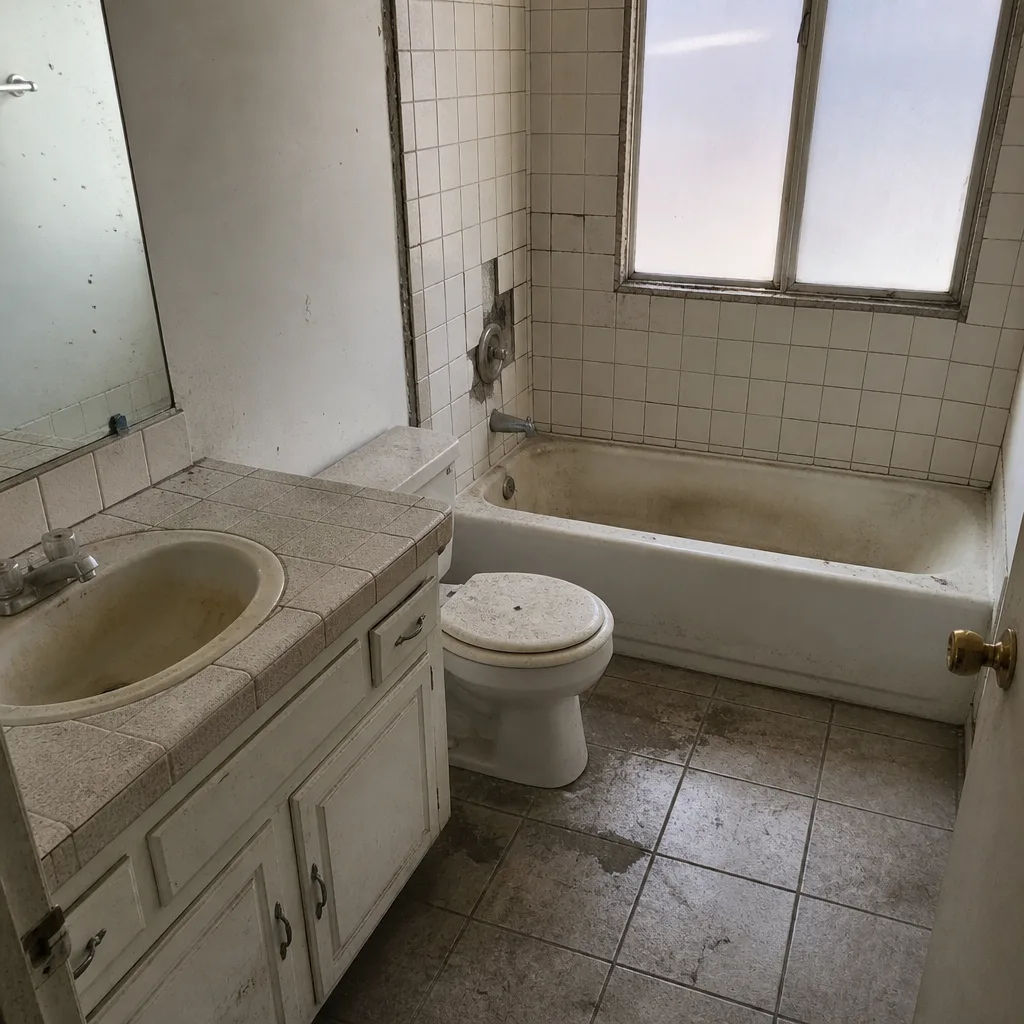 Before
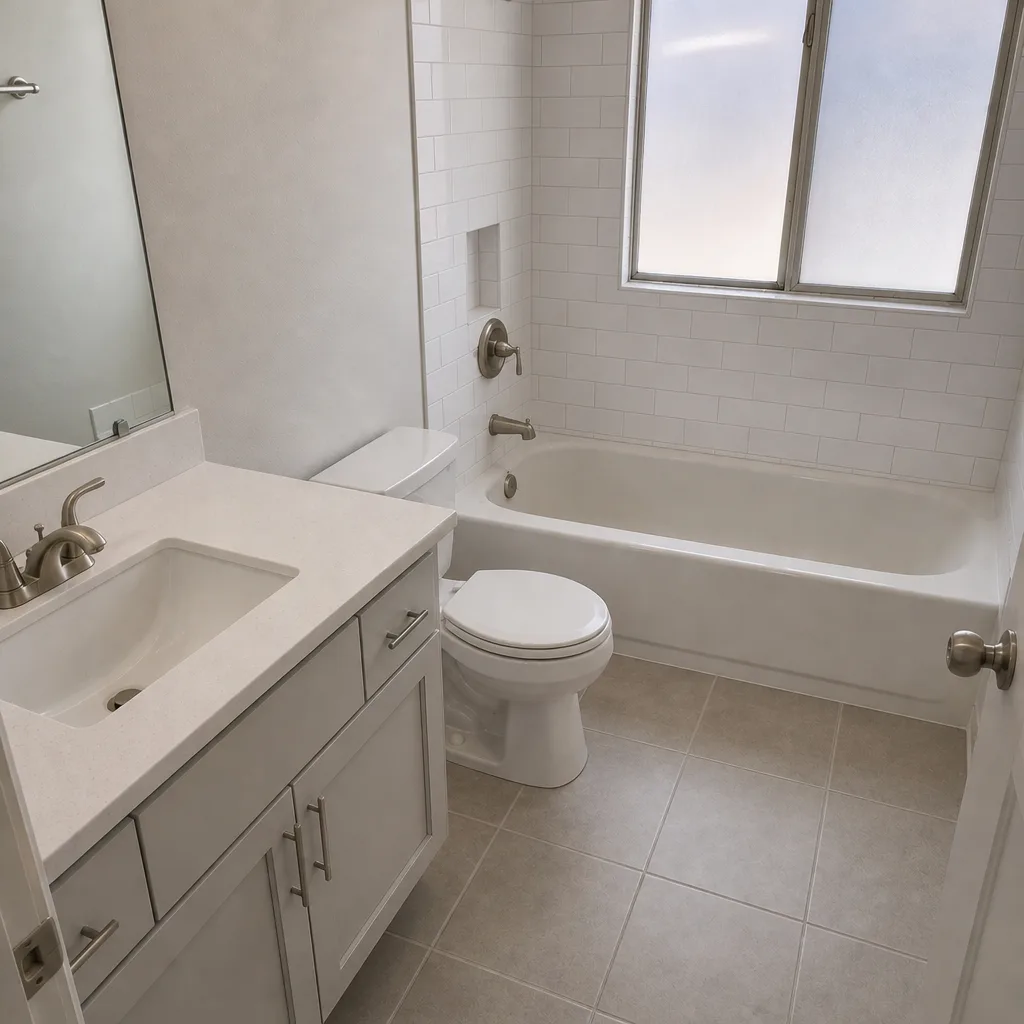 After
When to Call a Professional
Call a licensed contractor when the scope involves structural changes, electrical or plumbing rough-in behind walls, permit-triggering work, or a defect whose cause you can’t see. In Whitney, Clark County permitting is required for far more than most homeowners expect, and unpermitted work can be expensive to fix at resale. If you’re already in a dispute, call when you need an independent assessment of the defect, a written scope to replace a failing contractor, or a documented closeout on work that stalled. If the previous contractor walked, you also need to know what was actually done, which usually means opening a wall or two to check. Bradford Remodeling offers free estimates in Whitney – call (833) 620-4908 to get an assessment and a written price before you commit to anything.
Frequently Asked Questions

Nevada doesn’t set a flat legal limit – your contract does. Most written contracts specify a substantial completion date and a notice process for delays. If the contract is silent on a specific number of days, the standard is “reasonable,” and your written record of when you noticed the delay and what the contractor told you is what matters. Call (833) 620-4908 for a written estimate if you’re considering replacing a non-responsive contractor.
Yes, but only after written notice and a cure period. Withholding without notice can put you in breach of your own contract. Send a specific written defect notice with a deadline, wait out the cure window, and document both. If it’s not resolved after the cure period, escalate to the Nevada State Contractors Board. Our written prices and 365-Day Done Right Promise are designed to make this situation unnecessary, but if you’re dealing with another contractor’s problem, call (833) 620-4908 – estimates are free.
Rerouting defective work commonly runs 15-40% of the original scope cost, and water-damage remediation on a badly flashed exterior wall can add a few thousand more. The exact number depends on what’s behind the wall. Getting a written itemized estimate before you sign with a replacement contractor is the single biggest protection. Call (833) 620-4908 for a written estimate on your Whitney project.
Photograph each defect with context and scale, log it in a numbered written list with dates, send a written cure request with a deadline, and keep every reply. Boards look for a coherent trail from observation to notice to cure period. A written scope and a documented brand roster help, because they make “done to spec” a verifiable question. Call (833) 620-4908 to talk through a documentation plan for your project.
A normal delay has a stated cause, a corrected date, and stays inside the float on non-critical tasks. A breach is a missed milestone with no written notice, no corrected date, and no cure. If the contractor can’t tell you in writing why a date moved and what the new date is, treat it as serious. Call (833) 620-4908 for a written estimate if you’re deciding whether to replace them.
Because written documentation is what prevents the disputes in this guide. We give a written price before any work starts, put the scope and brands in writing, and back completed work with the 365-Day Done Right Promise – a full-year written guarantee that if something fails inside the year, we return and correct it at no charge. If the paper isn’t there, the promise isn’t real. Call (833) 620-4908 for a free estimate in Whitney.
The Bottom Line
Most contractor problems are visible in the paperwork long before they hit the finished room. Read the schedule for float and critical path. Give written notice the moment a milestone slips without a stated cause. Document defects with context, scale, and dates, and request a cure in writing. If the fix doesn’t come, escalate in order: contractor, then the Nevada State Contractors Board, then lien counsel if needed. Keep your change orders written, your draws tied to milestones, and your lien waivers collected at closeout. Do those things and you’ll spend far more time living in the finished room than arguing about the process. Bradford Remodeling Co Whitney puts every price, scope, and guarantee in writing because that’s the only version of a promise that holds up.
Written by the team at Bradford Remodeling Co Whitney.