Last updated November 18, 2026








Free written scope consultation - allowances, timeline, and change-order rules on paper before a single trade is scheduled
General Contractor Maintenance Checklist for Whitney Homeowners
Most home maintenance checklists fail at the last line. They tell you to inspect the roof, seal the stucco, service the cooler, then finish with “call a professional” and leave you with no way to confirm anyone actually did the work. That gap is where money disappears. This guide fixes it. Every task below is written as a scope item with an observable pass or fail, so you can hand it to a contractor in Whitney and get a real bid instead of a vague estimate. You’ll also learn which items Nevada law requires a licensed contractor to handle, and which ones you can genuinely do yourself.
Quick Answer
A Whitney maintenance checklist works when each task states a pass/fail result you can see and photograph: cracks under 1/16 inch, a membrane that drains within 24 hours of rain, a cooler switchover done before the first 90°F day. Written that way, it becomes a bid document, a warranty record, and a resale disclosure file. The same list on a generic four-season template is nearly useless in Whitney’s climate, where stucco, flat roofs, and evaporative coolers drive the real risk.
Styles & brands we work with
- Kitchen remodeling
- Bathroom remodeling
- Home additions & ADU
- Roofing
- Windows & doors
- Driveway & pavers
- Fence
Table of Contents
- Why Format Beats Advice: Turning Tasks Into Scope Items
- Stucco Crack Mapping: What to Check and What Fails
- Flat-Roof Membrane Inspection After Monsoon Season
- Evaporative Cooler Transition Timing for Whitney
- What Nevada Requires a Licensed Contractor to Do
- Annual vs. Seasonal Cadence for Whitney’s Climate
- Documenting Completed Maintenance in Writing
- Common Mistakes to Avoid
- When to Call a Professional
- Frequently Asked Questions
Why Format Beats Advice: Turning Tasks Into Scope Items
A task name tells you what to do. A scope item tells you when it’s done. “Inspect the roof” is a task. “Walk the flat-roof field, photograph any blister or seam lift, and confirm ponding water drains within 24 hours of rain” is a scope item. Only the second one gives you something to compare bids against. It’s also the version a contractor can’t wiggle out of, because the pass condition is right there in the line item.
Here’s the format we use on every general contractor project in Whitney walkthrough:
- Task – the component being checked (stucco field, roof membrane, cooler pad).
- Pass condition – a number, a measurement, or a functional test. “Cracks under 1/16 inch,” “no ponding after 24 hours,” “supply air under 80°F.”
- Fail condition – the trigger for a repair bid. “Any crack over 1/4 inch,” “any tear in membrane,” “water pooling against the fascia.”
- Photo evidence – dated photos from before and after.
- Who signs off – you, the technician, or a licensed contractor, depending on the task.
Five fields. That’s the whole system. When you hand this to a crew, you’re not asking them to interpret your vague worry about the roof. You’re giving them a measurable line item and asking for a written price. That’s the difference between a bid and a guess. Bradford Remodeling operates on a written price before any work starts, which only works when the scope is this specific. If you want to see how the same discipline applies to major projects, start with our Bradford Remodeling Co Whitney home page.
Stucco Crack Mapping: What to Check and What Fails
Stucco is the dominant exterior finish in Whitney, and it moves. Between summer heat that pushes past 110°F and the winter freezes that show up a few times a season, the substrate expands and contracts, and cracks develop along stress lines. Most of them are harmless. Some are pathways for water to reach the lath and sheathing, and that’s when a $200 crack becomes a $4,000 wall.
Crack mapping is a documented walk of every exterior face with a ruler and a camera. You’re not judging whether a crack “looks bad.” You’re measuring it.
Stucco Inspection Pass/Fail Thresholds
- Hairline (under 1/16 inch): Pass. Log the location, photograph, monitor annually.
- 1/16 to 1/8 inch: Monitor and seal. Not structural, but water entry is possible.
- Over 1/8 inch on a vertical face: Fail. Needs a licensed inspection and possibly patching.
- Any crack wider than 1/4 inch, or a stair-step crack: Fail. Stair-step means the crack is following the block pattern underneath.
- Cracks at window and door corners: Fail if they run diagonally, because that’s a classic stress point for header movement.
- Any crack that sounds hollow when tapped next to it: Fail. Hollow means the stucco has separated from the substrate.
Map the cracks on a simple paper diagram of your home’s four faces, number each crack, and keep that sheet with the photos. If you sell in five years, that sheet is resale disclosure. If a crack keeps growing across two annual inspections, the pattern is telling you something is moving, and you should have a professional look. Stucco repair isn’t a weekend job once the substrate is wet.
Flat-Roof Membrane Inspection After Monsoon Season
Whitney sits in a monsoon-influenced basin, and the summer storms that roll through drop rain fast. A flat roof – whether TPO, modified bitumen, or elastomeric – is moving water off the surface and into the drains, and if it isn’t, you find out the expensive way. Flat-roof membrane inspection belongs on the October checklist, after the rain season and before the wind season.
Walk the roof only if you can do it safely. If the access is anything other than a clear, stable ladder and a walkable slope, hire it out. Roof work is one of the tasks where the danger is real and the injury doesn’t get less real with experience.
Flat-Roof Pass/Fail
- Ponding test. After a rain, water should drain within 24 hours. Standing water that lasts longer means a low spot or a clogged drain.
- Seam check. Every lap seam and termination bar is intact with no lifting, blistering, or bubbling.
- Drain and scupper clear. No debris, no leaves, no bird nests. Whitney’s desert wind deposits plenty of debris fast.
- Penetrations sealed. Every vent stack, skylight, and conduit boot has intact sealant and tight fasteners.
- Edge metal tight. Fascia, drip edge, and termination bars are fully fastened with no gaps.
- Interior side. Check soffit and ceiling for stains, which show up inside before they show up on the roof.
Any blister, tear, or failed termination is a fail. Those are repair bids, not monitoring items. The membrane on a flat roof doesn’t heal, and a 2-inch tear in October is a wet ceiling in January.
Evaporative Cooler Transition Timing for Whitney
Whitney’s climate is a split-personality schedule. Evaporative coolers (swamp coolers) run from roughly April through October, and the transition timing matters more than the cooler’s age. Bring it online too early and you’re pushing cold damp air into a cool house; leave it too late and a pad change happens after the first hot week. The two transitions that matter are the pre-season service and the post-season shutdown.
Pre-Season Cooler Service (Late March to Mid-April)
- Pad condition: Fresh pads and no hard-water scale. Whitney’s water is mineral-heavy, so pads scale up faster than in other climates.
- Belt and pulley: Belt tension correct, no cracks, bearing play within spec. Replace belts at first sign of cracking.
- Water distributor: Even flow across the full pad width with no dry channels.
- Pump and float: Pump primes and float shuts off at the correct level.
- Duct and register: No disconnected flex duct, registers open in the cooled zones and closed where you don’t need them.
- Functional test: Run 30 minutes. Supply air should be measurably cooler than outdoor air, and there should be no sewer smell (which signals a dry trap or drain issue).
Post-Season Shutdown (Late October to Early November)
- Drain the water line and the pan to prevent freeze damage.
- Cover the unit or the inlet to block winter debris.
- Disconnect power at the switch.
- Photograph the interior condition for next season.
When the cooler is aging out, the decision on replacement is a budget conversation, not an emergency. Get it priced in the fall, not in June. If your maintenance plan is happening alongside a Whitney kitchen remodel, the contractor’s walkthrough should include the HVAC and mechanical scope too, because a kitchen update frequently exposes duct and cooler connections behind the cabinets.
What Nevada Requires a Licensed Contractor to Do
Nevada draws a firm line between tasks a homeowner can legally do and tasks that require a licensed contractor. Crossing that line can void insurance and complicate a future sale. The Nevada State Contractors Board is the authority here, and the plain rule is this: if a job is valued over $1,000 in labor and materials combined, it requires a licensed contractor. Cosmetic repairs under that threshold, done by the homeowner on their own home, are generally allowed. But some categories require a license regardless of dollar amount.
Licensed Contractor Required in Nevada
- Any work requiring a building permit – structural, electrical, plumbing, mechanical, and gas.
- Roof replacement and significant roof repair.
- Electrical panel work, new circuits, and any work inside the meter base.
- Gas line work, including new appliance connections.
- Water heater replacement and any change to the plumbing rough-in.
- New construction, additions, and structural alterations.
- Stucco repair where the substrate is exposed or wet.
Genuine DIY in Whitney
- Cooler pad replacement and belt changes.
- Caulking windows, doors, and exterior gaps.
- Air filter changes and register cleaning.
- Drain clearing above the trap.
- Painting and cosmetic surface repair.
- Seasonal lawn and irrigation adjustments.
When in doubt, call the contractors board or ask the contractor to show the license. Any contractor doing permitted work in Whitney should be able to produce a license and pull the permit in their name. If they ask you to pull the permit as the homeowner, that’s a red flag, not a favor.
Annual vs. Seasonal Cadence for Whitney’s Climate
A four-season template written for New England doesn’t track Whitney. The local calendar runs on heat, monsoon, and wind. Match the cadence to the weather that actually hits the valley, and you’ll catch problems before they’re expensive.
Whitney Seasonal Schedule
| Season | Timing | Checklist Focus |
|---|---|---|
| Spring (transition) | March to April | Cooler service, stucco walk and crack map, roof drains cleared, irrigation pressure test |
| Summer (peak heat) | May to August | Cooler performance checks, exterior door and window seals, attic ventilation, stucco expansion cracks |
| Monsoon season | July to September | Roof membrane waterproofing, window and flashing leaks, grading and drainage at the slab edge |
| Fall (transition) | October to November | Cooler shutdown, roof walk after rain, membrane inspection, exterior stucco re-map |
| Winter (freeze risk) | December to February | Pipe insulation, hose bibs, cooler covered, freeze-thaw crack monitoring |
Annual Cadence
- Full stucco crack map once a year, with photo documentation.
- Full roof inspection once a year, in the fall.
- HVAC or cooler tune-up once a year.
- Water heater flush and anode check; water heater replacement when it reaches the end of its service life.
- Dryer vent cleaning to reduce fire risk.
- Full photo archive of the exterior at the same angle, once a year, so you have a visual record of change.
Two of those items are annual, the rest are seasonal. That split is why the checklist works. You’re not trying to remember every task all year. You’re running the right short list at the right moment.
Documenting Completed Maintenance in Writing
An undocumented repair does not exist for the purposes of a warranty claim or a resale disclosure. The finished job needs a paper trail: what was done, who did it, when, and against what standard. That file is what a buyer’s inspector and a warranty claims department will read.
So every completed task gets the same record:
- Date and task name, matching the checklist item.
- Person or company who performed the work, with license number if a contractor.
- Pass condition from the original checklist, so the standard is traceable.
- Before and after photos, dated and labeled with location.
- Materials list with manufacturer and product, so warranty registration is possible.
- Written guarantee, if the work was performed by a contractor. Every completed Bradford Remodeling project carries the 365-Day Done Right Promise, which means if the work fails inside that window we return and correct it at no charge. Get that guarantee in writing and keep it with the file.
When a bathroom or kitchen remodel is part of the maintenance plan, the paperwork gets thicker, not thinner. If you’re planning a Whitney bathroom remodel, the contractor should be handing you a written scope with the same level of detail, not a single paragraph. And when you eventually sell, that file is what you hand the buyer to show the home was maintained, not just lived in. Documentation doesn’t cost you anything on the front end and it pays out at claim time or at closing.
See the difference
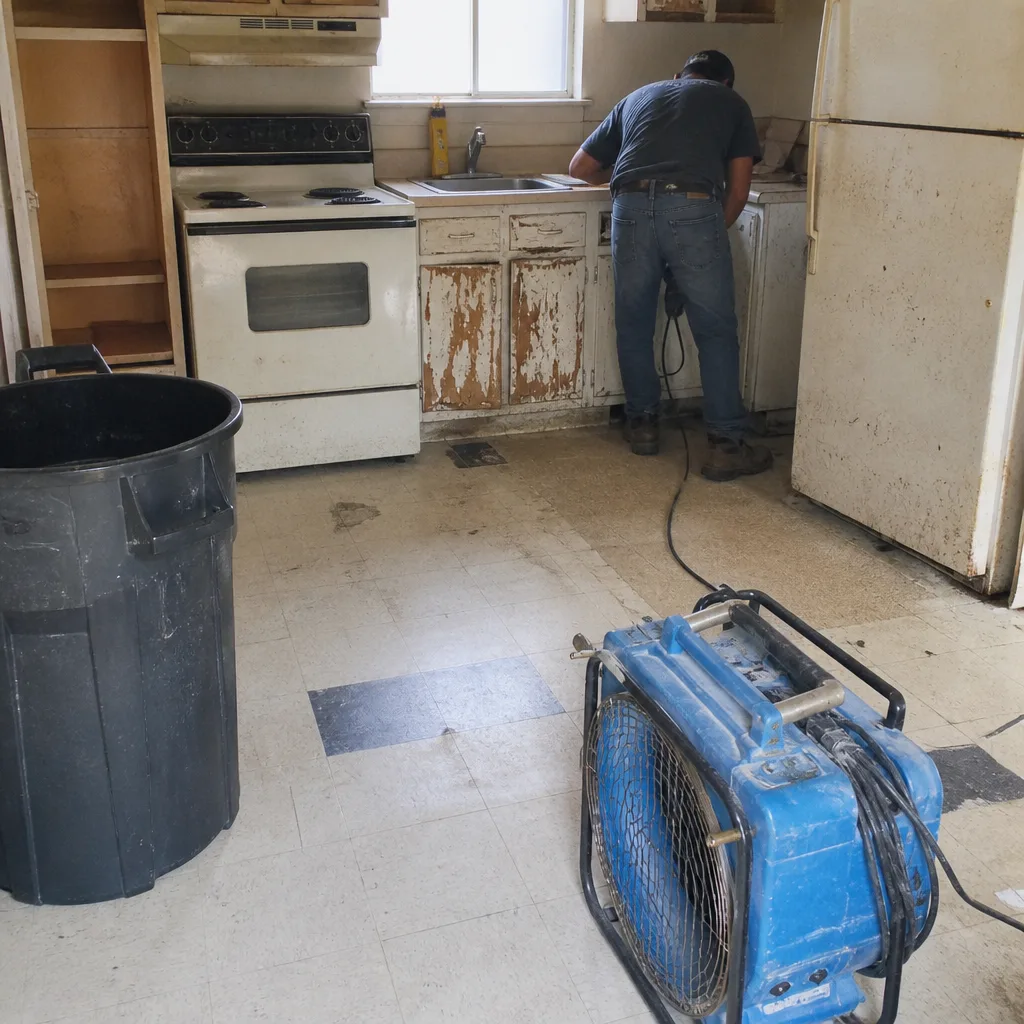 Before
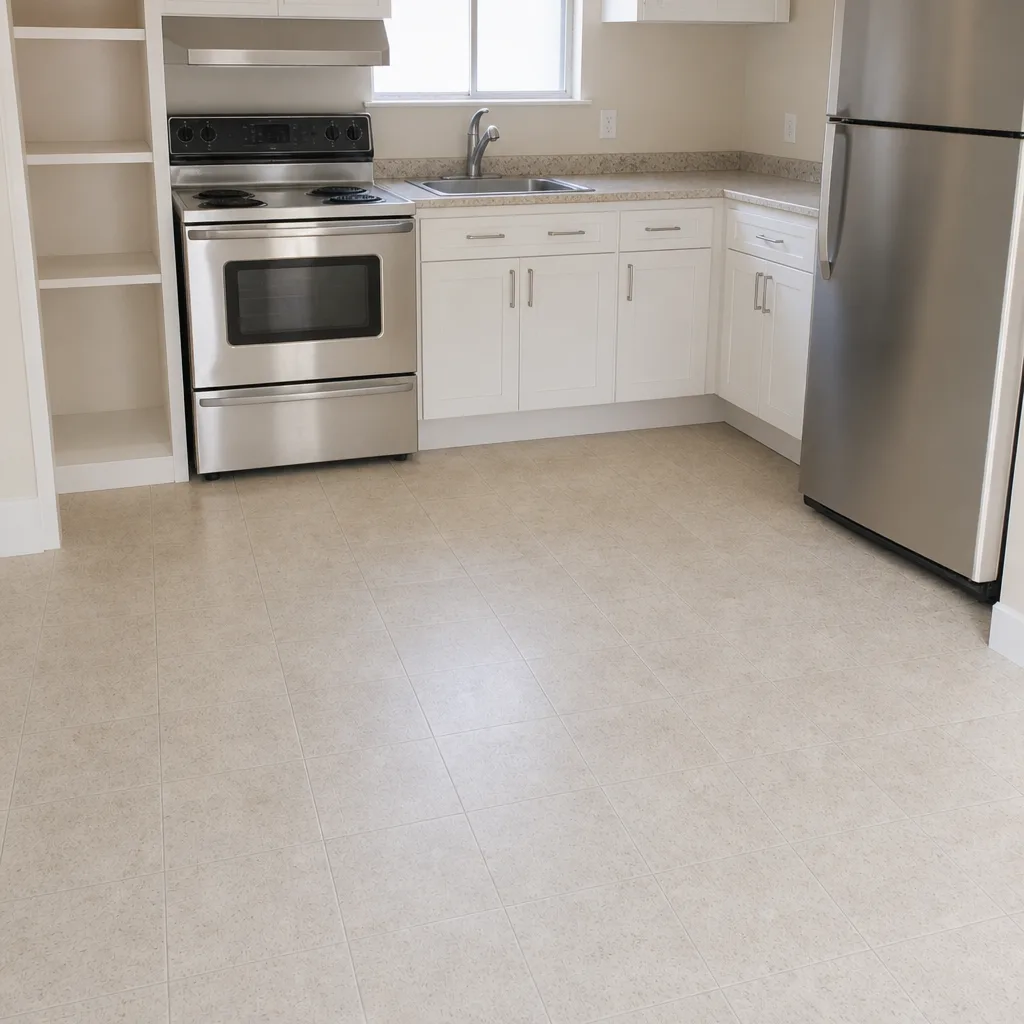 After
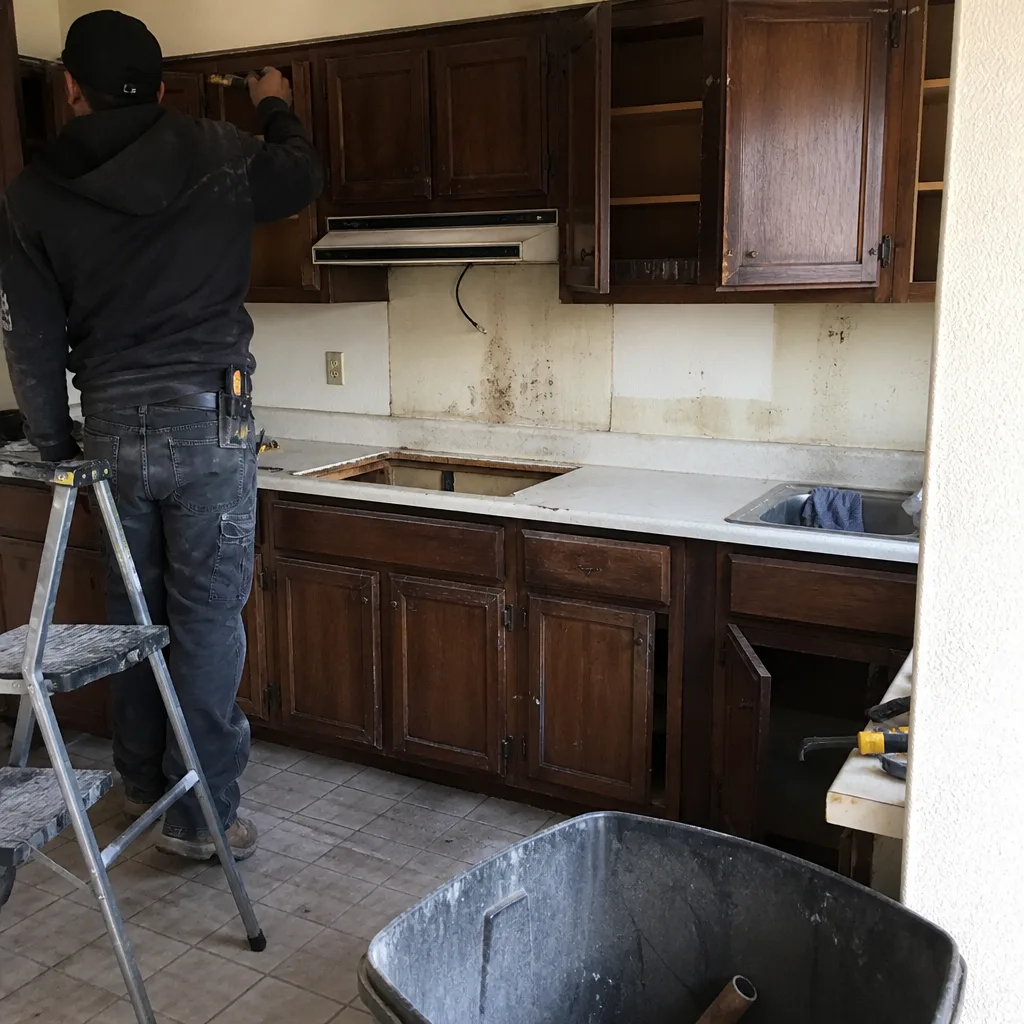 Before
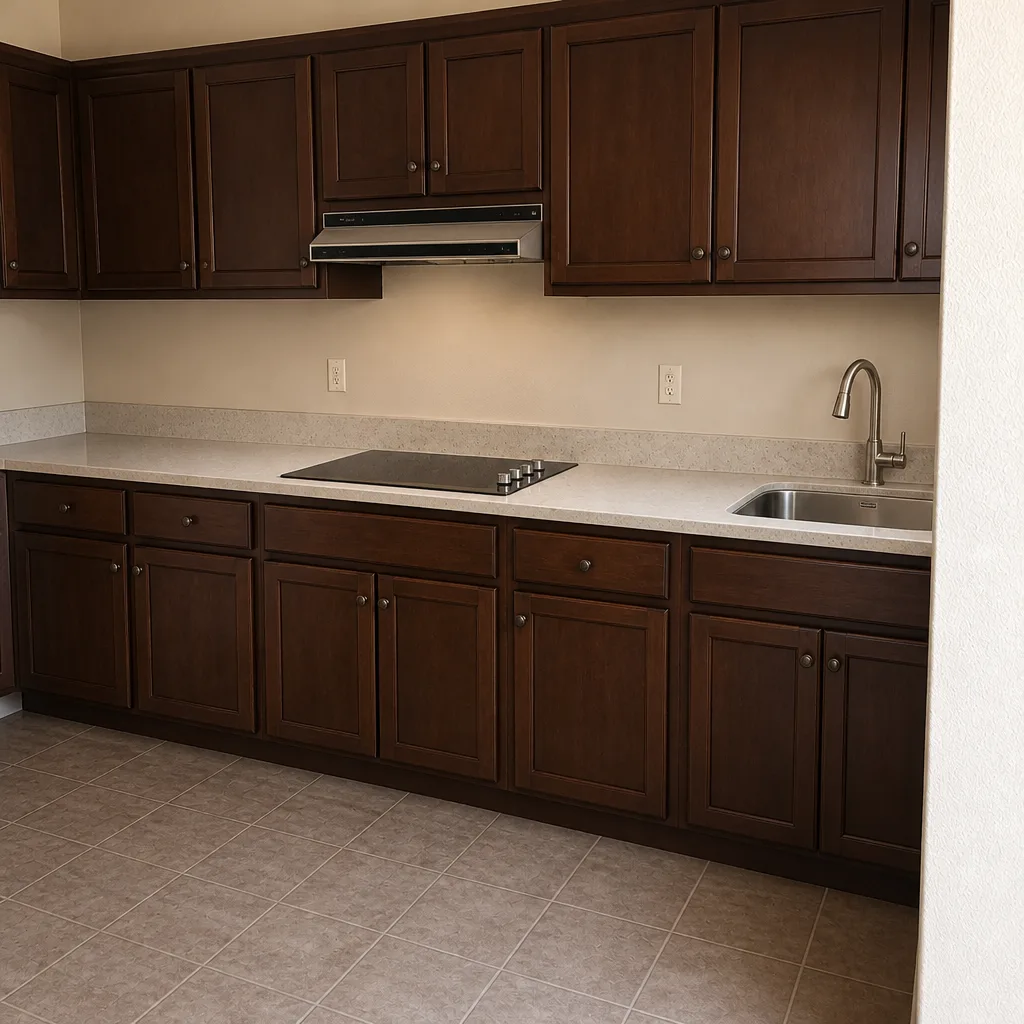 After
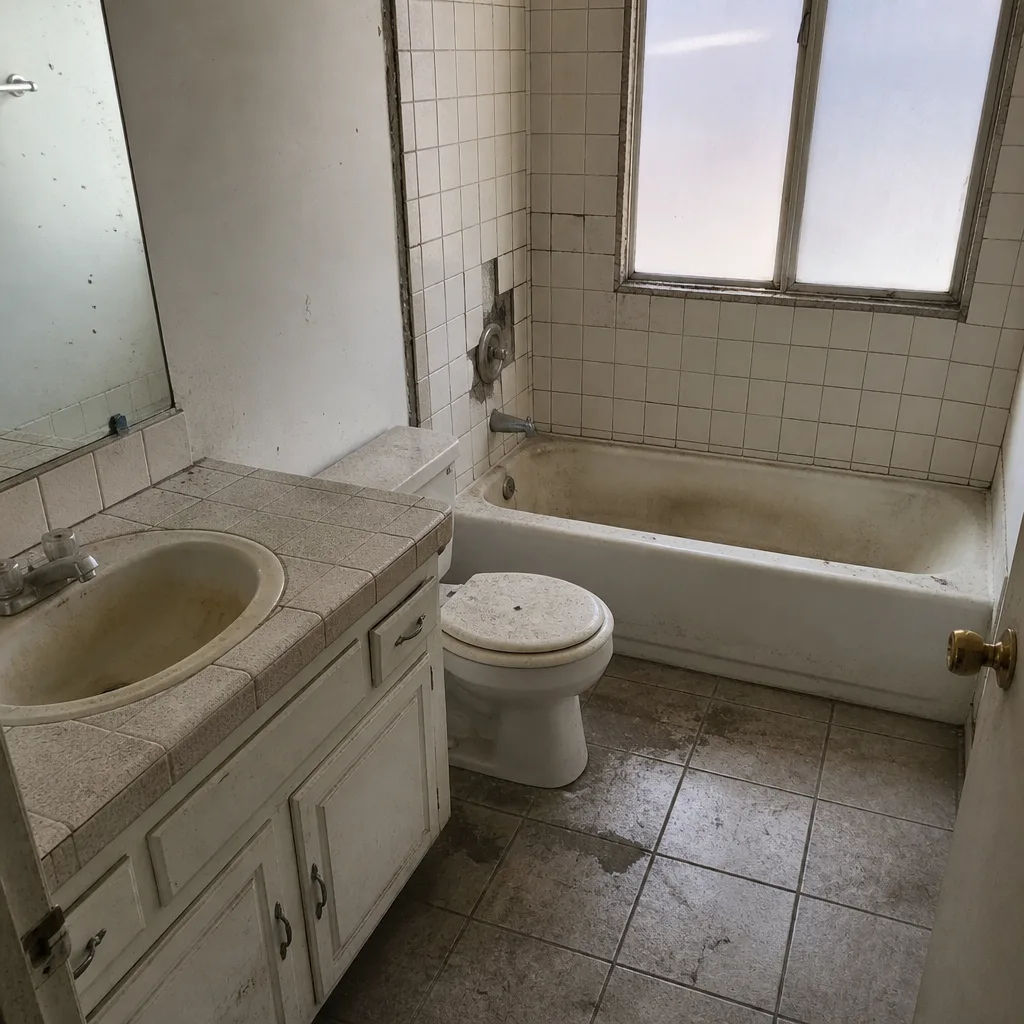 Before
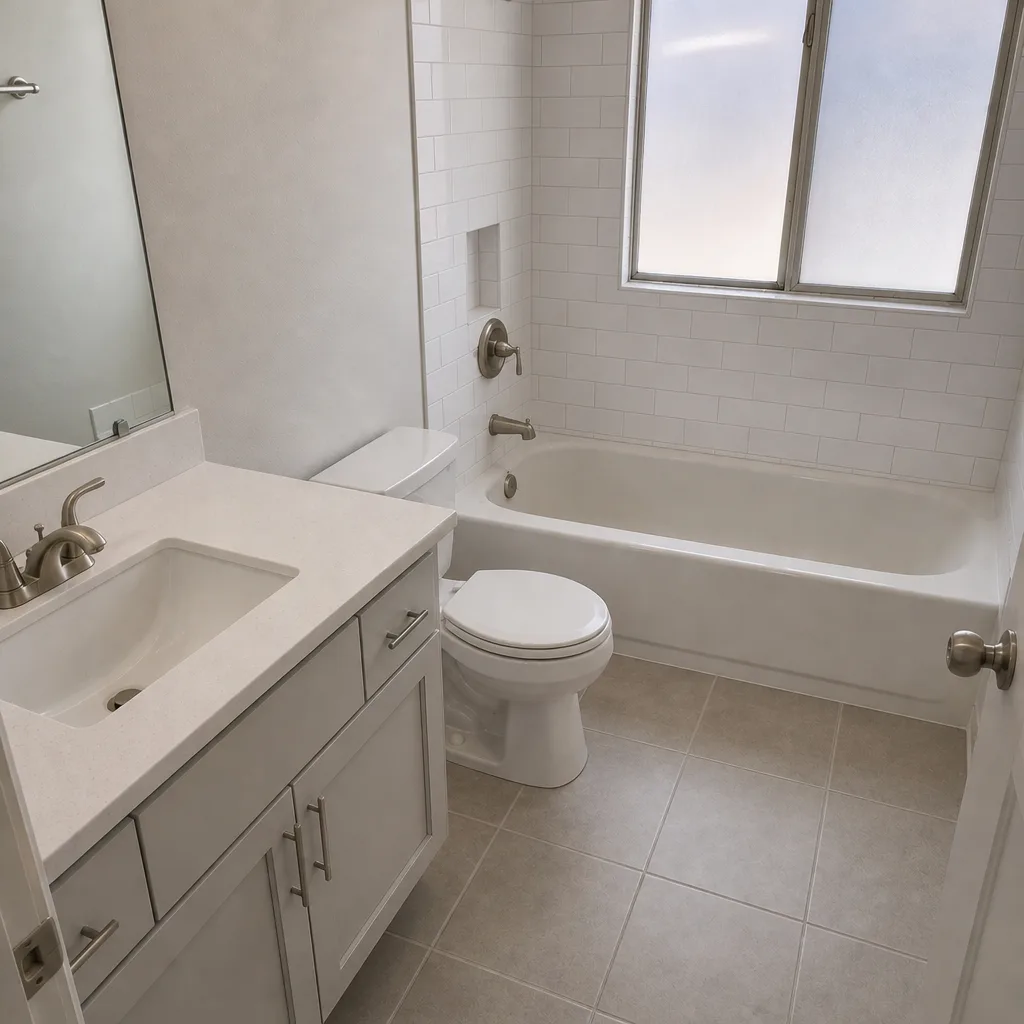 After
Common Mistakes to Avoid

- Writing a checklist without a pass/fail threshold. “Inspect the roof” can’t be bid, verified, or disputed. Every line item needs a number or a functional test.
- Using a four-season template in Whitney. A template with “winterize sprinklers in October” misses the cooler shutdown and the monsoon roof walk that drive the real damage here.
- Not photographing the same exterior angle every year. Annual photos from identical positions are the only way to see a crack pattern that’s slowly growing rather than judging two isolated photos.
- Skipping the post-monsoon roof walk. Water damage almost always shows up inside after the last rain of the season. Check the membrane and the ceiling in the same week.
- Treating permits as the contractor’s problem. If a contractor asks you to pull the permit as the homeowner, that’s a red flag that should stop the job. Permits in Whitney go in the contractor’s name.
- Doing licensed work yourself because it looks small. A gas line or panel repair under the threshold in dollar value still carries the same safety and insurance consequences. Don’t be the person who finds that out at claim time.
- Filing nothing for completed maintenance. A $400 stucco patch with no photo and no invoice is worth $0 to a buyer’s inspector and $0 to a warranty claim.
When to Call a Professional
Bring in a professional when the task crosses one of three lines: it’s licensed work under Nevada rules, it exposes a structural system, or it puts you on a roof or in a panel box. Stucco cracks over 1/8 inch, any active roof leak, electrical and gas work, water heater replacement, and any permitted project all belong to a licensed contractor. The rest of the checklist is yours.
The other trigger is scope creep. When a maintenance item turns into a project – a ceiling leak that becomes a soffit repair that becomes a whole-room update – get a written bid before the work expands. Bradford Remodeling Co Whitney offers free estimates in Whitney and gives you a written price before any work starts. Call (833) 620-4908, and you’ll reach a live person, not a voicemail.
Frequently Asked Questions
A reasonable annual maintenance budget for a Whitney home runs roughly 1% of the home’s value, with a realistic range of $800 to $2,500 depending on the age of the roof, the cooler, and the stucco. The bigger variable is catching a failing roof membrane or a growing stucco crack early. Call (833) 620-4908 for a free estimate if a maintenance item has turned into a repair.
Map every exterior crack with a ruler and photograph, and treat anything over 1/8 inch on a vertical face, any stair-step crack, and any hollow-sounding area next to a crack as a fail. Those need a licensed inspection before fall rains. Call (833) 620-4908 for a written estimate.
Roof replacement and significant roof repair require a permit in Nevada, and the permit must be pulled by the licensed contractor in their name. Small membrane patches may not require a permit, but confirm with the county before assuming. Bradford Remodeling works with written scope and pulled permits on every job; call (833) 620-4908.
Service the cooler in late March to mid-April before the first hot week and shut it down in late October to early November with the water drained before the first freeze. The timing matters more than the cooler’s age. Call (833) 620-4908 for a free estimate if the cooler needs replacement before next season.
Not with a written scope and written price in hand. Bradford Remodeling gives a written price before any work starts, and the number does not move at the door. Any change order should be in writing and approved before work continues. Call (833) 620-4908 for a free estimate.
Keep a dated file with the task name, who performed the work, the pass condition, before-and-after photos, product materials with manufacturer names, and the written guarantee. On a Bradford Remodeling project, that guarantee is the 365-Day Done Right Promise: if the work fails inside a year, we return and correct it at no charge. Call (833) 620-4908 to schedule your free estimate.
The Bottom Line
A maintenance checklist in Whitney only earns its space if each item is written as a scope with a pass/fail threshold, a photo record, and a written sign-off. Build it around the local calendar – stucco crack mapping in spring, monsoon roof walks in fall, cooler transition in April and October – and you’ll catch problems before they become repairs. Document every completed task in writing so it supports a warranty claim or a resale disclosure. Bradford Remodeling gives you a written price before work starts and backs every completed project with the 365-Day Done Right Promise. Call (833) 620-4908 for a free estimate.
Written by the team at Bradford Remodeling Co Whitney.