Last updated November 18, 2026








Free written scope consultation - allowances, timeline, and change-order rules on paper before a single trade is scheduled
General Contractor Maintenance Schedule: What to Do and When
Most manufacturer warranties on the products a remodel installs – windows, roofing, HVAC equipment – require documented annual maintenance, and the warranty voids without it. Your general contractor’s one-year workmanship guarantee usually carries the same fine print: fail to maintain the work and the guarantee may not cover the failure. Almost nobody reads that paragraph, and almost nobody tells the homeowner. This guide maps every post-completion obligation by trade and timeline, with the specific intervals that matter in Whitney’s desert climate, so the warranty you paid for still stands if something goes wrong.
Quick Answer
A finished remodel still needs scheduled maintenance: a walkthrough and checklist at 30 days, a full inspection at 6 months, and warranty-critical servicing at the 1-year mark. In Whitney, that means stucco crack checks after the summer swing, HVAC filter changes every 60 to 90 days in high-dust months, and dated records of every task so a warranty claim holds up. Build the schedule at project close-out, not after the first problem appears.
Styles & brands we work with
- Kitchen remodeling
- Bathroom remodeling
- Home additions & ADU
- Roofing
- Windows & doors
- Driveway & pavers
- Fence
Table of Contents
- Why a Finished Remodel Still Needs a Schedule
- The First 30 Days: What to Check and Log
- The 6-Month Inspection: Trade by Trade
- The 1-Year Mark: Warranty Windows and What to Claim
- Whitney’s Desert Climate: Stucco, Dust, and Slab Movement
- How to Build a Maintenance Log That Supports a Claim
- The Home Maintenance Binder: What Goes In It
- Common Mistakes to Avoid
- When to Call a Professional
Why a Finished Remodel Still Needs a Schedule
A remodel is a transaction with a tail. The work gets signed off, the crew packs up, the final invoice clears – and then a set of obligations begins that nobody prints on the receipt. Manufacturer warranties on installed products have maintenance conditions attached. GAF roofing warranties, for example, generally require that the roof be inspected and maintained and that any issue be reported within a defined window; skip that and the manufacturer can decline a claim years later when the stakes are high. The same logic applies to window and door warranties, to HVAC equipment, and to the finish materials in a kitchen or bath.
Your contractor’s workmanship guarantee works the same way. Bradford Remodeling backs every completed project with the 365-Day Done Right Promise: if the work fails within a year, we return and correct it at no charge. But that promise, like any written guarantee, assumes the homeowner maintains the work in the meantime – caulking an exterior joint, changing a filter, reporting a crack before it widens. A guarantee is a two-party document, and the homeowner’s half is the part nobody explains.
In our experience across Whitney, the failures that get denied aren’t the dramatic ones. They’re the small, unattended ones: a hairline stucco crack that lets in monsoon moisture, a shower caulk line that fails at month eight and rots the backer behind it, an HVAC filter so clogged the coil freezes and the equipment warranty is voided by neglect. A maintenance schedule is the cheapest insurance you’ll ever buy on a five-figure remodel.
The First 30 Days: What to Check and Log
The first month after completion is when the building settles into its new configuration and when small issues surface while they’re still cheap to fix. This is also when the homeowner establishes the habit and the records that everything downstream depends on. Do the following at the 30-day mark:
- Walk every room with the punch list in hand. Note anything that has shifted since final walkthrough – a door that now rubs, a cabinet drawer that catches, a tile that sounds hollow underfoot. Photograph each item with a date stamp.
- Check every exterior joint and penetration. Caulk lines at windows, doors, hose bibs, and where the stucco meets trim or roof. Press a fingernail into the caulk; if it’s firm but pliable, it’s doing its job. If it’s cracked or pulling away, note it.
- Test every mechanical system under load. Run the HVAC through a full heating and cooling cycle, run the dishwasher and washing machine, flush every fixture. Note water pressure at each tap and any temperature fluctuation at the shower valve.
- Inspect cabinet and countertop seams. In a Whitney kitchen, expansion and contraction across a quartz or stone counter can open a seam at the miter or backsplash joint. A 1/16-inch gap is normal; a widening one is not.
- Log it all in one place. Date, location, description, photo. This becomes the first page of the maintenance binder and the baseline for every comparison to come.
If any item is a workmanship concern – not normal settling – call the contractor during the guarantee window. The Bradford Remodeling Co Whitney home page outlines how the 365-Day Done Right Promise works in practice: the return visit is free, and the correction is covered.
The 6-Month Inspection: Trade by Trade
By month six, the building has been through half a year of Whitney’s temperature swings. This is the inspection most homeowners skip, and it’s the one that catches the majority of warranty-relevant issues while they’re still minor. Go through each trade:
- Framing and structure. Look for new cracks at drywall corners, above door headers, and at ceiling-to-wall junctions. A hairline crack that appeared since month one is normal settling; a crack that’s widening, or a door that no longer latches, warrants a call.
- Electrical. Test every GFCI outlet (kitchen, baths, garage, exterior) with the test button. Check that no breaker trips under normal load. Feel switch and outlet plates for warmth – any heat is a call-now item.
- Plumbing. Inspect supply lines under every sink and behind the washer for corrosion or moisture. Check the water heater’s pressure relief valve and the base of the tank for rust. Run water in unused fixtures to keep traps sealed.
- HVAC. This is the big one in Whitney. Replace the filter if it’s been more than 60 to 90 days. Check the condensate drain line for clogs. Listen for new noises at startup and note them.
- Finish work. Re-caulk any failing joints at tubs, showers, and backsplashes. Check grout lines for cracking. Inspect cabinet hinges and drawer slides for loosening screws and re-tighten as needed.
The General Contractor in Whitney service page covers how we coordinate these trade inspections when a warranty item crosses more than one scope.
The 1-Year Mark: Warranty Windows and What to Claim
The 1-year anniversary of project completion is the deadline most homeowners discover too late. It’s typically the close of the contractor’s workmanship guarantee, and it’s also when many product manufacturer warranties require the first documented professional inspection. Before the 12-month mark, do the following:
- Schedule a full warranty inspection. Walk the entire scope – every trade, every room, every exterior face – with the original punch list and the 30-day and 6-month logs in hand. Anything that failed or shifted since month six gets reported in writing before the guarantee window closes.
- Have the HVAC system serviced. A licensed technician should clean the coils, check refrigerant charge, and document the service. In Whitney’s dust, an annual service on top of quarterly filter changes is what keeps an equipment warranty valid.
- Inspect the roof and exterior envelope. Flashing at every penetration, the condition of any sealant joints, the state of the stucco. Photograph anything questionable with a date stamp.
- Submit any warranty claims in writing. Email or written letter, not a phone call. Include the date, description, photos, and reference to the guarantee. A written record is the difference between a claim that gets honored and one that gets argued.
- Renew the schedule for year two. Maintenance obligations continue past the workmanship guarantee. The HVAC, the roof, and the exterior envelope all carry longer product warranties that require ongoing care.
Bradford’s 365-Day Done Right Promise covers the full year from project completion – the return visit is free, and the correction is at no charge. Knowing exactly what the guarantee requires of you is part of what we put in writing at close-out.
Whitney’s Desert Climate: Stucco, Dust, and Slab Movement
Whitney sits in the Mojave’s high-desert band, and that geology and weather drive a specific maintenance calendar that differs from what a coastal or midwestern homeowner would follow. Three items stand out:
Stucco crack inspection cycles
Stucco is the standard exterior finish on most Whitney homes, and it moves with the building. The daily temperature swing in summer can run 30 degrees or more; the seasonal swing from a winter night in the 30s to a summer afternoon over 100 is larger still. Each swing opens and closes hairline cracks, and left alone, a crack lets in the monsoon moisture that rots the lath and paper behind the stucco. Inspect the entire exterior every six months – spring and fall – and after any significant rain event. A hairline crack under 1/16 inch gets sealed with elastomeric caulk; anything wider, or any crack that repeats in the same spot, warrants a professional look.
HVAC filter schedules in high-dust conditions
Wind-blown dust in the Whitney area is a real load on the HVAC system. The standard “change the filter every 90 days” rule is not enough here. During spring and summer dust season, change the filter every 60 days; during a wind event or after a nearby lot gets graded, check it sooner. A clogged filter forces the system to work harder, freezes the coil, and voids the equipment warranty through neglect. Log every change with a date; that log is what makes an equipment claim stick.
Slab movement monitoring
Most Whitney homes sit on post-tension or conventional slabs over expansive desert soils. Slab movement is normal; unmonitored movement is not. Watch for new cracks at the exterior slab edge, doors that stick in one season and free the next, and gaps opening between the slab and the stucco at the base of the wall. Photograph any new crack with a date and a coin or ruler for scale. If a crack grows measurably between inspections, call a professional – slab issues don’t fix themselves.
The Bathroom Remodeling in Whitney page covers the specific waterproofing and caulk schedules for a newly renovated bathroom in this climate.
How to Build a Maintenance Log That Supports a Claim
A warranty claim lives or dies on documentation. The homeowner who can produce a dated, item-by-item log of every maintenance task is in a fundamentally different position than the one who says “I think I changed the filter a few times.” Build the log in a format that actually works:
- Date and time. Every entry starts with a date. For inspections, add the time – it matters if you’re establishing that a problem was reported before a deadline.
- Task performed. One line per task, using the trade’s plain terms: “replaced 20x25x1 MERV 11 filter at main return,” not “maintenance done.”
- Location. Which room, which fixture, which exterior face. “Master bath shower caulk” tells a contractor exactly where to look.
- Condition noted. What you found and what you did. “Caulk line at shower floor failing at curb, removed and replaced with 100% silicone” is a log entry that supports your case.
- Photo file name. Number your photos to match the log entry. A photo of the failing caulk with a date stamp matches the entry, matches the timeline, closes the argument.
- Professional service records. Attach the HVAC service invoice, the roof inspection report, the receipt for any part replaced. Receipts are the strongest evidence.
Keep the log in both paper and digital form. A spreadsheet on your phone is fine for day-to-day entries; the printed binder is what you hand a contractor or a warranty adjuster when the question comes up. The Kitchen Remodeling in Whitney page describes the finish-maintenance schedule specific to a newly renovated kitchen, including cabinet hardware and counter seam checks.
The Home Maintenance Binder: What Goes In It
The best time to assemble the home maintenance binder is at project close-out, while the paperwork is still in front of you. By the time you need it, half the documents will have gone missing. Build it in sections, tabbed and dated:
- Permits and inspection reports. Every building permit pulled for the project, the final inspection sign-off, and any trade inspection reports (electrical, plumbing, mechanical). These are the proof that the work was done to code.
- Product manuals and warranty cards. For every installed product – appliances, fixtures, cabinetry, roofing, windows, HVAC equipment – the manual, the warranty registration confirmation, and the manufacturer’s maintenance requirements. Note the warranty term for each on an index page.
- The contractor’s written guarantee. The 365-Day Done Right Promise documentation, the original line-item quote, and any change orders – all signed. If the guarantee requires specific homeowner maintenance, that paragraph gets highlighted.
- The maintenance log. The dated log described above, ongoing. Add pages as you go.
- Photographs. Pre-construction, mid-construction, and post-completion photos, plus the 30-day, 6-month, and 1-year inspection photos. A dated photo record shows the work’s condition at every stage.
- Service records. Every HVAC service, roof inspection, plumbing repair – with the technician’s name off but the company name, date, and findings on.
When we hand a homeowner the close-out packet, this is the structure we suggest. It’s the same structure that holds up if you ever sell the home; buyers pay for documented, maintained work, and a full binder is a real selling point.
Common Mistakes to Avoid
- Skipping the 30-day walkthrough. The small issues that surface in the first month are the cheapest ones to fix, and they’re the ones a contractor will address without question. Wait a year and the same issues are argued as normal wear.
- Trusting “the filter looks fine.” In Whitney’s dust, a filter can look gray but be loaded. Hold it to the light; if you can’t see through it, change it. Log the change. “I changed it when it looked dirty” won’t carry a warranty claim.
- Ignoring stucco cracks through the summer. The hairline cracks that open during the summer swing are the ones that let monsoon moisture in during August. Inspect in spring and fall, and after any heavy rain.
- Verbal warranty reports. A phone call to the contractor is not a record. Put every warranty item in writing with photos and a date, even if you also call.
- Losing the permit and inspection paperwork. Without the final inspection sign-off, there’s no proof the work was done to code – and that can delay a claim or complicate a future sale. The binder solves this.
- Treating the guarantee as automatic. The 365-Day Done Right Promise is a written guarantee, and like any written guarantee it assumes the homeowner maintains the work. The maintenance log is what keeps it strong.
- Skipping the annual HVAC service. In this climate, one missed annual service can void a multi-year equipment warranty. The $150 to $250 service is the cheapest line on the whole maintenance schedule.
When to Call a Professional
Some maintenance is homeowner work; some is not. Call a professional – and call a general contractor, not a handyman – when a stucco crack is wider than 1/16 inch or repeats in the same location; when a door or window starts sticking and the change is seasonal or worsening; when the HVAC trips a breaker or freezes the coil; when water shows up where it shouldn’t (under a sink, at the base of a wall, at the slab edge); or when any warranty item needs a documented inspection within the guarantee window. Don’t chase a slab crack or a stucco failure on your own; those are structural conversations that need a trained eye and a written report.
Bradford Remodeling Co Whitney offers free estimates in Whitney for any maintenance or warranty item that crosses a trade. Call (833) 620-4908 and a live person answers – day or night. We’ll put a written price in front of you before any work starts.
See the difference
 Before
 After
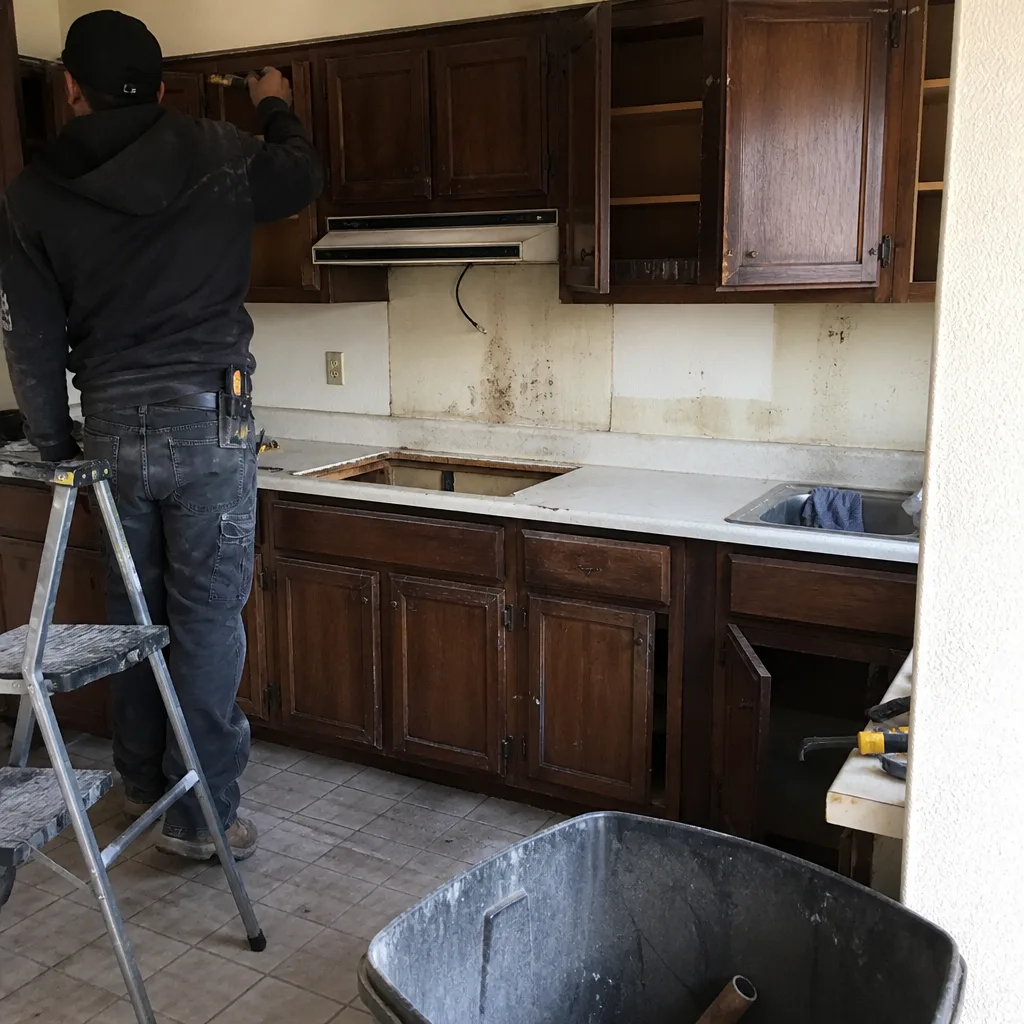 Before
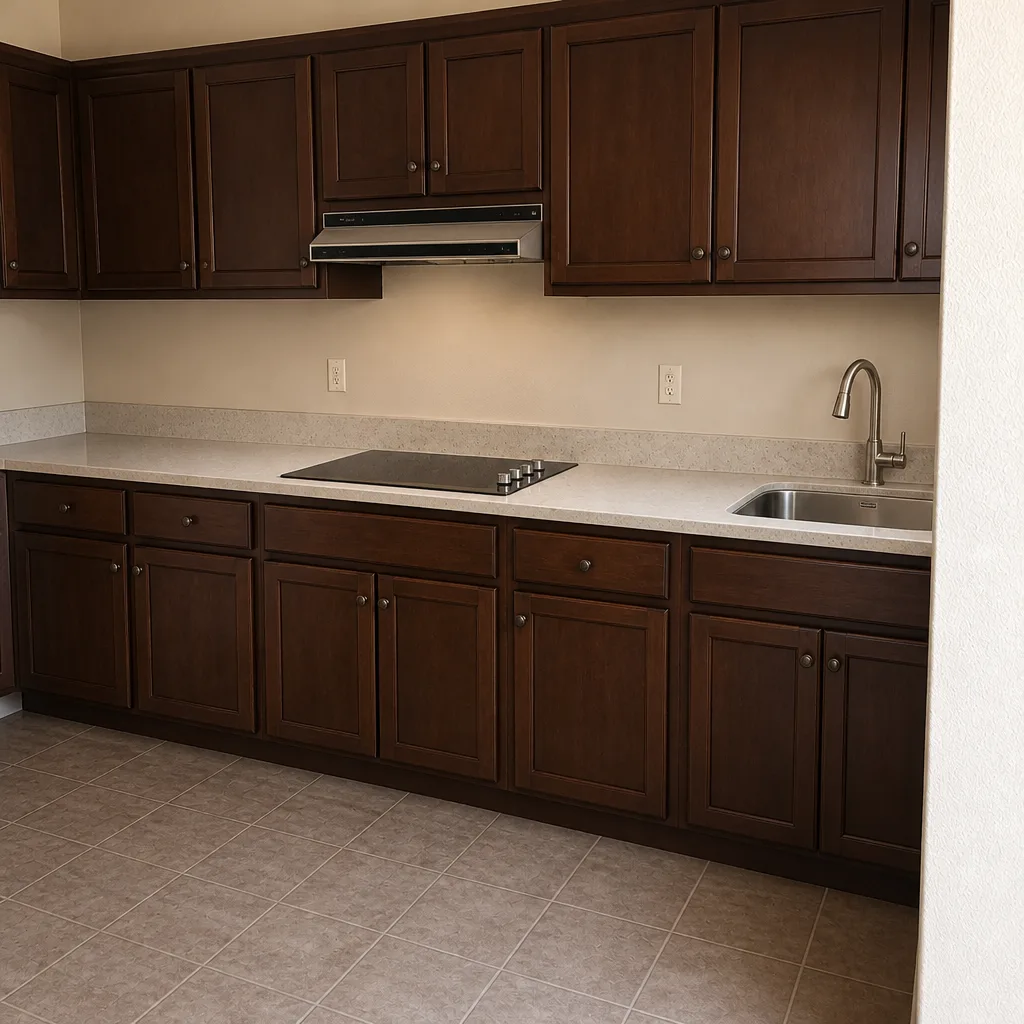 After
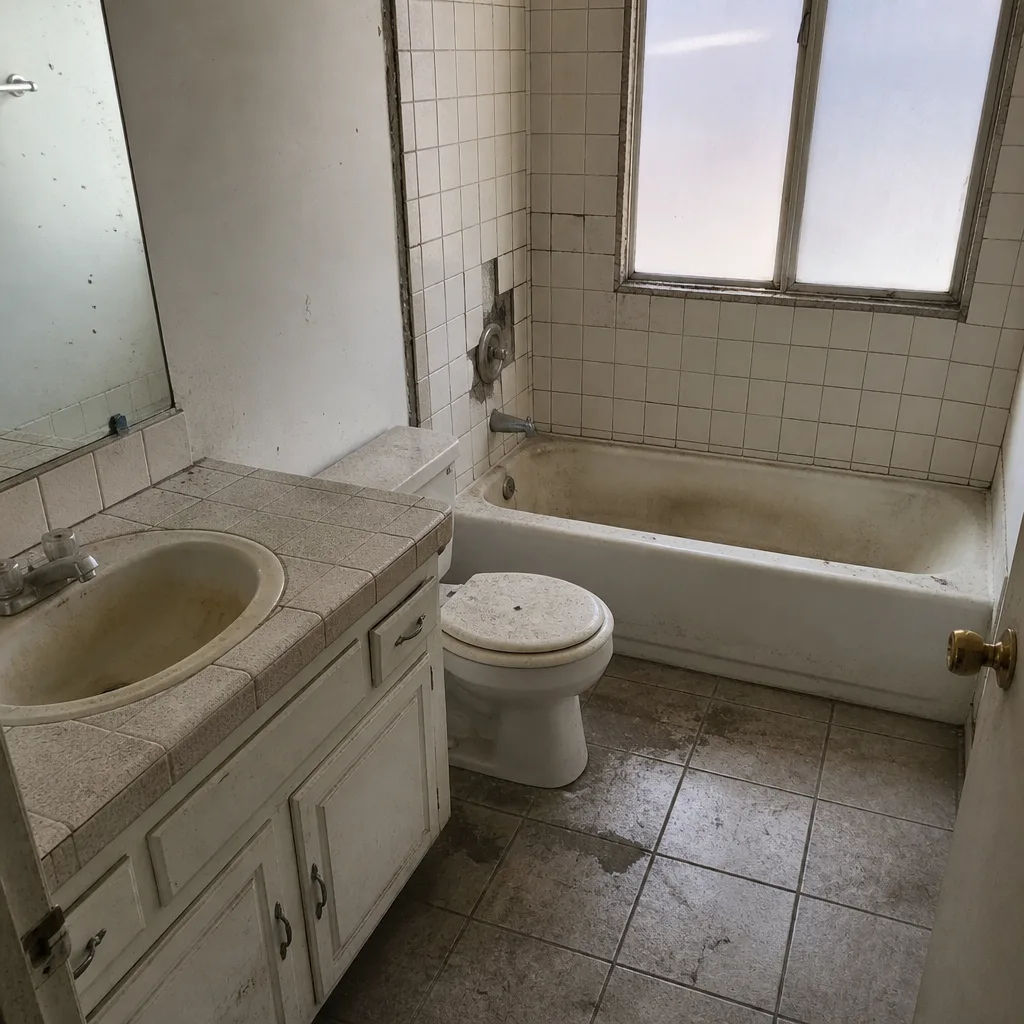 Before
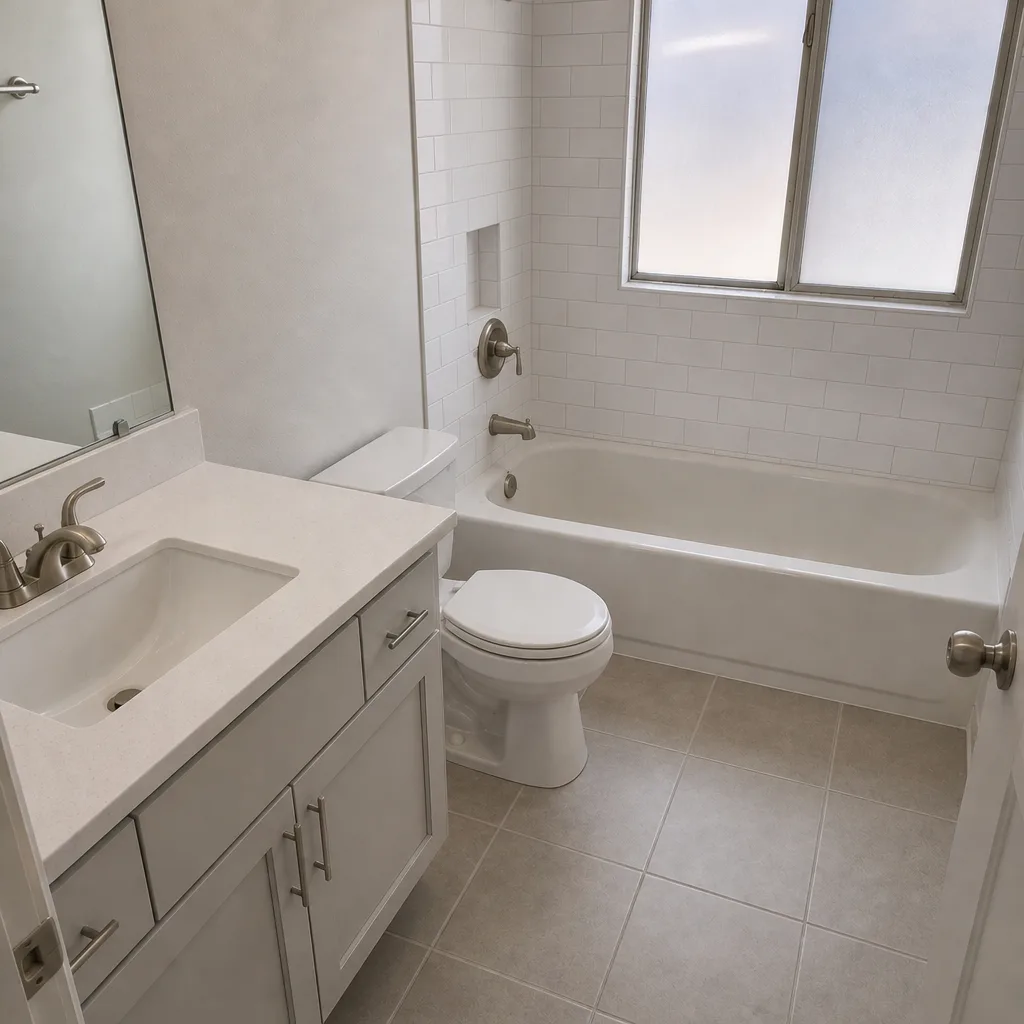 After
Frequently Asked Questions

Bradford’s 365-Day Done Right Promise runs a full year from project completion. If the work fails inside that window, we return and correct it at no charge. Read the specific guarantee terms in your close-out documents – every guarantee has a term and a set of homeowner maintenance requirements, and both matter. Call (833) 620-4908 for the exact terms on your project.
Every 60 to 90 days in normal months, and every 60 days during the spring and summer dust season. Whitney’s wind-blown dust loads a filter faster than the standard “every 90 days” rule assumes. Check it after any wind event or grading nearby. Log every change with a date – a substituted filter is the leading reason equipment warranties get denied. Call (833) 620-4908 if your system is short-cycling or freezing.
Measure it. A hairline crack under 1/16 inch gets sealed with elastomeric caulk and inspected again in six months. Anything wider, or any crack that repeats in the same spot, needs a professional look – moisture behind stucco is a structural problem, not a cosmetic one. Photograph it with a date and a ruler for scale. Call (833) 620-4908 to schedule an inspection.
It can. Manufacturer warranties on roofing, windows, and HVAC equipment typically require documented annual maintenance, and the manufacturer can deny a claim where the service wasn’t performed. Your contractor’s workmanship guarantee also assumes the homeowner maintains the work in the interim. A dated maintenance log is the record that keeps the warranty strong. Call (833) 620-4908 for a written review of your guarantee terms.
Everything: permits, final inspection sign-off, trade inspection reports, product manuals and warranty cards, the contractor’s original line-item quote and any change orders, the signed written guarantee, and the dated maintenance log. These are what you hand a contractor or a warranty adjuster when a question comes up. Call (833) 620-4908 if you’re missing any of them.
No. Bradford puts a written price in front of you before any work starts, every time. If the scope changes because of what the inspection finds, you get a written revised price before we proceed – never a number that moves at the door. Call (833) 620-4908 for a free estimate on any warranty or maintenance item.
The Bottom Line
A finished remodel leaves behind a set of ongoing obligations that most homeowners never get told about: manufacturer maintenance requirements, homeowner responsibilities inside the workmanship guarantee, and a Whitney-specific calendar tied to stucco, dust, and slab movement. Build the binder at close-out, do the 30-day walkthrough, run the 6-month trade inspection, and get the full warranty inspection done before month 12. Log every task with a date and a photo. The guarantee you paid for only holds if the records do. Call (833) 620-4908 for a free estimate or a written review of your guarantee terms.
Written by the team at Bradford Remodeling Co Whitney.