Last updated November 18, 2026






Free written scope consultation - allowances, timeline, and change-order rules on paper before a single trade is scheduled
Construction Emergency Preparedness Guide for Whitney Homes
Most preparedness guides assume the emergency arrives from outside: wind, water, fire. In Whitney, some of the worst construction emergencies come from inside the job itself. A contractor walks off mid-demo, and suddenly you own an open roof, exposed wiring, and a home with no building envelope. Or a county inspector slaps a stop-work order on a project you already paid for, and the house sits frozen in half-finished state. These situations don’t show up in a storm kit. This guide covers the four construction emergencies Whitney homeowners actually face, the Clark County complaint process, how to safely secure a partly demolished home, what your contract must say, and how to size a remodel contingency. Read it before you need it.
Quick Answer
Construction emergencies in Whitney fall into four categories: contractor abandonment, permit stop-work orders, unexpected structural discoveries, and material failure. Each calls for a different response. Your first moves are always the same: stop work, document the site with photos and dates, secure the building envelope, and put every communication in writing. Call the Nevada State Contractors Board for abandonment issues, and never start replacement work until the original permit status is confirmed with Clark County.
Styles & brands we work with
- Kitchen remodeling
- Bathroom remodeling
- Home additions & ADU
- Roofing
- Windows & doors
- Driveway & pavers
- Fence
Table of Contents
- The Four Construction Emergencies Whitney Homeowners Actually Face
- Contractor Abandonment: Who to Call in Clark County
- How to Secure a Partially Demolished Home Without Voiding Your Permit
- Permit Stop-Work Orders: What Triggers Them and How to Clear Them
- Structural Discoveries Mid-Project
- What Your Contract Must Include to Back-Charge a Contractor
- Emergency Fund Sizing for Remodel Projects
- Common Mistakes to Avoid
The Four Construction Emergencies Whitney Homeowners Actually Face
Whitney sits in the southeast Las Vegas Valley, and its housing stock runs from 1980s ranch homes to newer builds off Bermuda and Warm Springs. The emergencies we hear about most aren’t weather. They’re project-driven. Knowing the four patterns lets you recognize one early, before it compounds.
- Contractor abandonment. The crew stops showing up, the phone goes to voicemail, and the site sits mid-demolition. Your exposure grows every day the building envelope stays open.
- Permit stop-work. An inspector finds work outside the approved scope, an expired permit, or unpermitted alterations by a previous owner. The project freezes, sometimes with walls open.
- Structural discovery. Demo reveals a cracked slab, a compromised header, or termite damage behind the drywall that changes the entire scope. Work halts until the engineer weighs in.
- Material failure. A batch of tile fails to bond, a window leaks at the flashing, or a cabinet delivery arrives wrong and the timeline collapses around it.
Each one leaves a Whitney home in a state that needs a fast, documented response. The rest of this guide walks through them one at a time.
Contractor Abandonment: Who to Call in Clark County
If a licensed contractor walks off your Whitney job, the Nevada State Contractors Board is your first call, not your last resort. Nevada treats abandonment as a formal complaint category, and the board can investigate, mediate, and in some cases draw on the contractor’s bond. The process has real timelines, and your documentation drives how fast it moves.
- Send a written notice of default. Email and certified mail, stating the deadline to return and the exact scope outstanding. This starts the clock.
- Photograph everything. The site as it sits, the open envelope, the materials, the permit card. Date every photo.
- File the complaint with the Nevada State Contractors Board. Include the contract, payment records, notices, and photos. The board’s investigation window is set by statute, so ask the intake staff what to expect.
- Confirm permit status with Clark County. Before any replacement contractor touches the site, verify who holds the permit and whether it can be transferred.
- Get a written scope from a replacement contractor that documents the condition of the abandoned work. This becomes your back-charge evidence.
The board’s mediation track resolves many complaints without litigation, but only when the paper trail is clean. A contractor who does the work by the book leaves a paper trail by default. That’s the core of general contractor services in Whitney done right.
How to Secure a Partially Demolished Home Without Voiding Your Permit
An open building envelope in Whitney is a real hazard. Spring winds off the valley floor drive dust into every gap, summer heat bakes exposed framing, and monsoon-season rain in July and August finds its way in fast. But you can’t just nail anything over the opening. The wrong fix can trigger a code violation or confuse the inspection sequence.
- Call Clark County Building and Fire Prevention first. Tell them what happened and ask what temporary weatherproofing they’ll accept on your permit. Get the name of who you spoke with.
- Secure the envelope with materials you can remove. Reusable tarps and fastened plywood over window and door openings are standard. Permanent walls added without permit are a violation.
- Label temporary work in the field. A note on the plywood reading “Temporary weatherproofing – to be removed at rough-in inspection” heads off confusion later.
- Cap and protect utilities. Exposed wiring should be de-energized at the panel and capped; gas lines shut at the meter. Do not re-energize until an electrician signs off.
- Keep a daily site log. Photos each morning, any damage each evening. This record protects you if the delay becomes a dispute.
A home with open framing after demo needs a trained professional, not a weekend of improvising. Electrical and structural work especially should never be handled by anyone without the license and the tools to do it safely.
Permit Stop-Work Orders: What Triggers Them and How to Clear Them
A stop-work order in Whitney almost always traces to one of three causes: work outside the approved scope, an expired permit, or unpermitted work from a previous owner that surfaces during inspection. The order is serious, but it’s fixable, and the sequence matters.
- Read the order itself. It names the specific code section and the required correction. That document is your checklist.
- Contact the inspector by name. Ask for a walkthrough and a written path to compliance. Most inspectors will tell you exactly what clears it.
- Pull the amended permit. If the scope expanded, the permit has to reflect it. Doing the work first and amending later rarely works.
- Bring in a licensed engineer if the issue is structural. Clark County requires stamped drawings for many structural corrections.
- Do not let a crew work around the order. Any work while the stop is active can escalate the penalty and delay the reinspection.
We’ve seen Whitney homeowners lose weeks because a previous owner’s unpermitted addition surfaced only at final inspection. The fix is a proper permit and inspection, done cleanly. That’s exactly what by-the-book remodeling services in Whitney from Bradford Remodeling Co are built around: permits pulled, inspections passed, paperwork in the homeowner’s hand.
Structural Discoveries Mid-Project
The wall comes down and the framing behind it is wrong. In Whitney’s older homes, especially those built before the mid-1990s, we regularly find undersized headers, termite damage near slab edges, and previous owner “repairs” that wouldn’t pass inspection today. A structural discovery stops the project even though nothing failed. Your response is disciplined and sequential.
- Stop demolition immediately. Any further removal can compromise a load-bearing element you haven’t identified.
- Photograph and measure what you found. Dimensions matter when the engineer or contractor reviews.
- Get a licensed structural engineer’s report. This becomes the design basis for the corrected scope.
- Rebid the amended scope in writing. Every affected line item in the contract gets a new price, and the change order documents it.
- Reconfirm permit scope before work resumes. Structural repairs often require amended or supplemental permits.
This is where a fixed written price before work begins earns its keep. Surprises happen in any renovation; what protects you is a contract that states the change-order process and a contractor who documents the discovery rather than simply adding a number at the door.
What Your Contract Must Include to Back-Charge a Contractor
If a Whitney contractor abandons a job, your contract is the document that decides whether you can hire a replacement and recover the difference. Without specific clauses, back-charging the original contractor is legally painful. Before signing, confirm the contract contains the following. These are non-negotiable in The Garrison Standard and The Garrison Code, the frameworks behind how Bradford Remodeling Co operates.
- A written, itemized scope with prices per line item, not one lump sum. This lets you measure what was and wasn’t done.
- A defined abandonment clause that states what constitutes default (number of days without work, no response to written notice) and your right to hire a replacement.
- A back-charge provision spelling out that the original contractor is responsible for the difference between their incomplete contract and the cost of finishing the job with someone else.
- A change-order process in writing – every scope change priced and signed before it’s performed.
- Payment tied to completed milestones, not to a schedule. Never pay more than the value of completed work.
- Lien waiver language so subcontractors and suppliers to the original cannot come after your title.
- A written guarantee like the 365-Day Done Right Promise, which covers every completed project for a full year: if the work fails inside that window, we come back and correct it at no charge.
A contract with these clauses isn’t a lawyer’s exercise. It’s the difference between a clean recovery and a year of litigation, and it’s exactly what kitchen remodeling in Whitney and other remodel projects should always be built on.
Emergency Fund Sizing for Remodel Projects
The industry standard calls for a 10% contingency. In Whitney, on anything short of a straight cosmetic refresh, 15% is the floor. This isn’t pessimism; it’s the valley’s housing stock and permitting reality priced into the budget. Here’s the sizing logic. A mid-size kitchen at $60,000 with 15% contingency reserves $9,000 as your emergency reserve. A whole-home remodel at $200,000 reserves $30,000. That number isn’t a “nice to have” – it’s the difference between moving forward and pausing for weeks while you re-budget.
What the 15% covers in practice:
- Structural discoveries that require engineered repairs
- Permit amendments and reinspection fees
- Material price adjustments on long-lead items
- Rework on any scope where surface conditions are worse than expected
- The cost difference of a replacement contractor if you ever have to back-charge
In our experience, the biggest single overshoot in Whitney remodels is the “surprise behind the drywall” – old plumbing, undersized electrical, or a slab problem no one saw coming. A 15% floor makes those routine; 20% on a home older than 30 years isn’t unreasonable. To get the number right for your project, start from a written line-item estimate and add the contingency on top. We lay that out in detail in our bathroom remodeling in Whitney guide.
Common Mistakes to Avoid
- Paying upfront above the value of completed work. Whitney homeowners have lost tens of thousands to contractors who took a big deposit and disappeared mid-demo. Pay in milestones tied to inspections.
- Not photographing the site before and during work. Without a documented condition record, the abandonment complaint becomes a he-said/she-said. Photograph every stage, every day.
- Nailing plywood over openings without notifying the county. A “fix” that looks fine to you can look like unpermitted work to an inspector. Call Building and Fire Prevention first.
- Continuing work while a stop-work order is active. This is the fastest way to escalate a permit violation in Clark County. Stop and get written clearance.
- Signing a contract with one lump-sum price. A single number hides the itemized scope you’ll need to back-charge the original contractor if the job goes sideways.
- Budgeting a 10% contingency on a Whitney remodel. On older homes, the first structural discovery eats it. Budget 15% minimum, more on pre-1990 homes.
- Hiring a replacement contractor before confirming permit status. Walking into a job with an unresolved permit means you’re inheriting the original contractor’s violation.
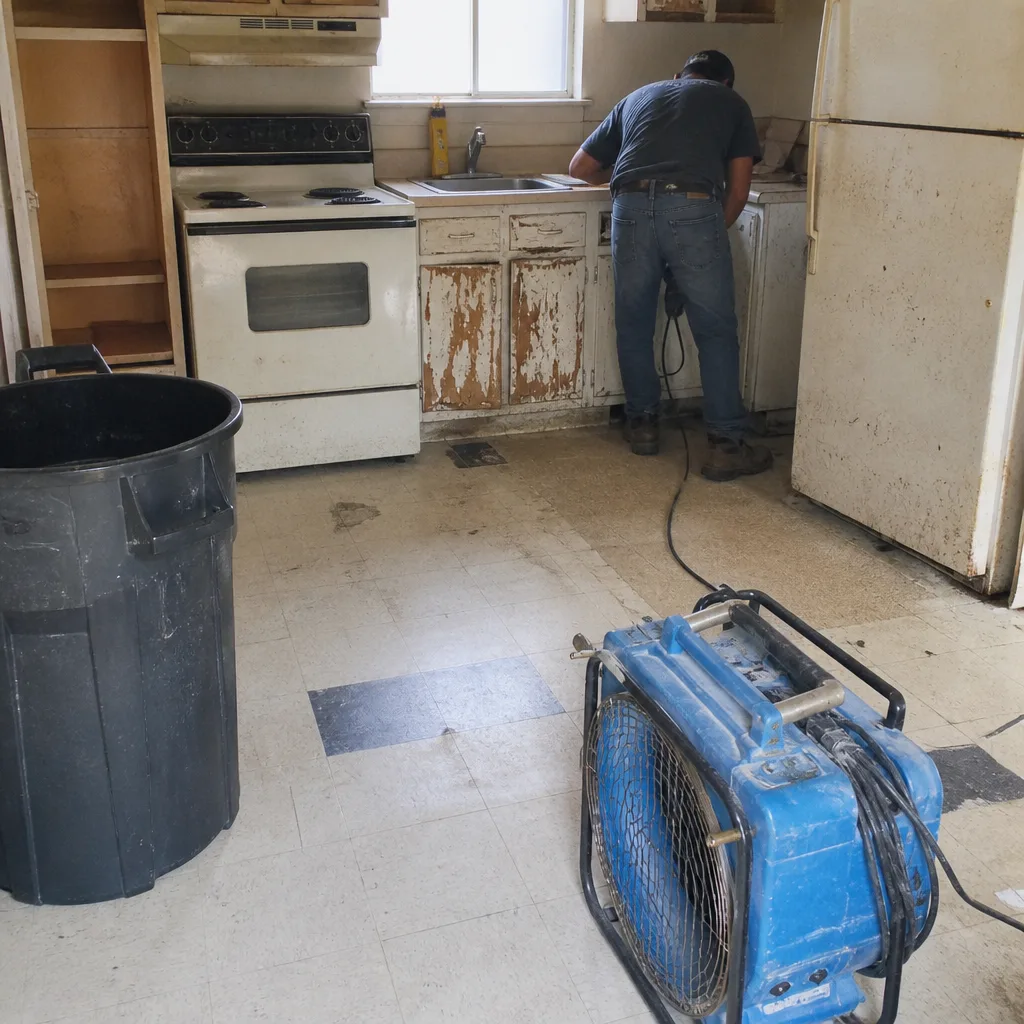
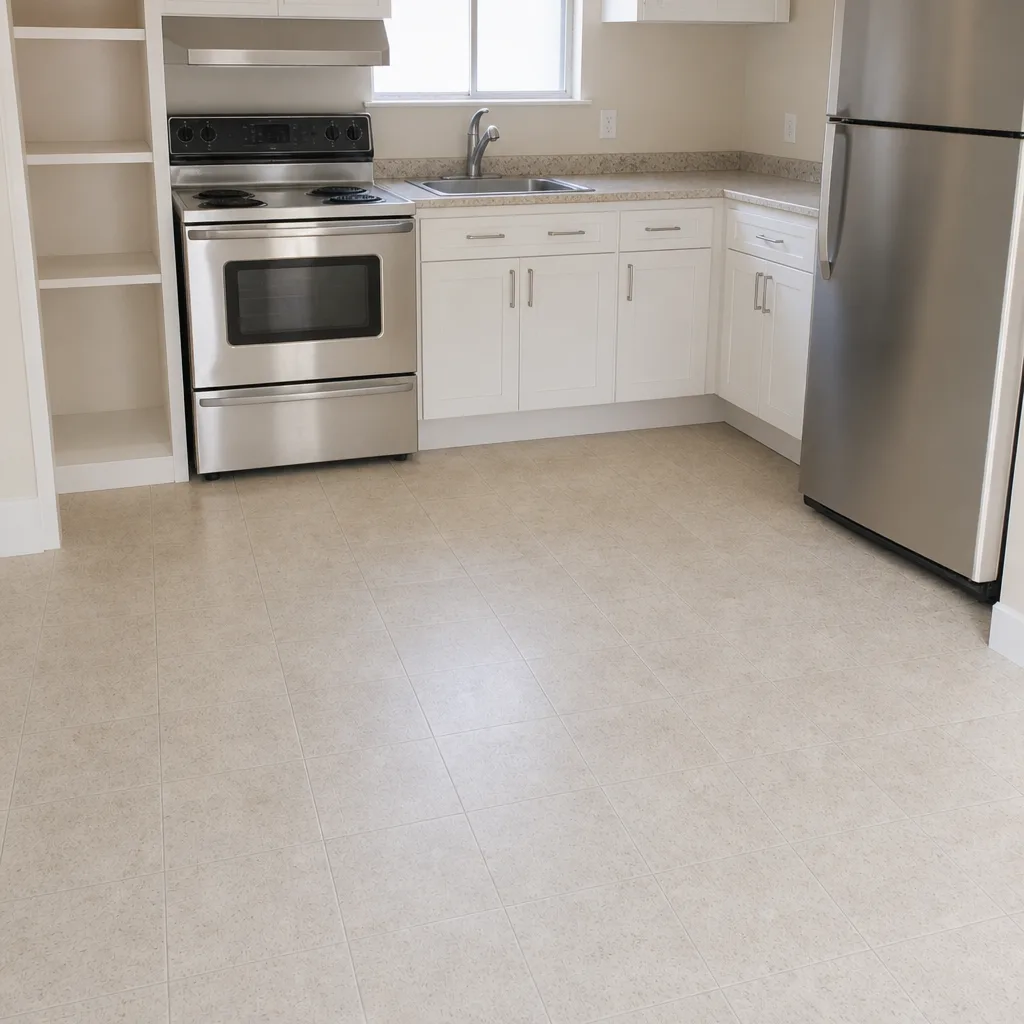
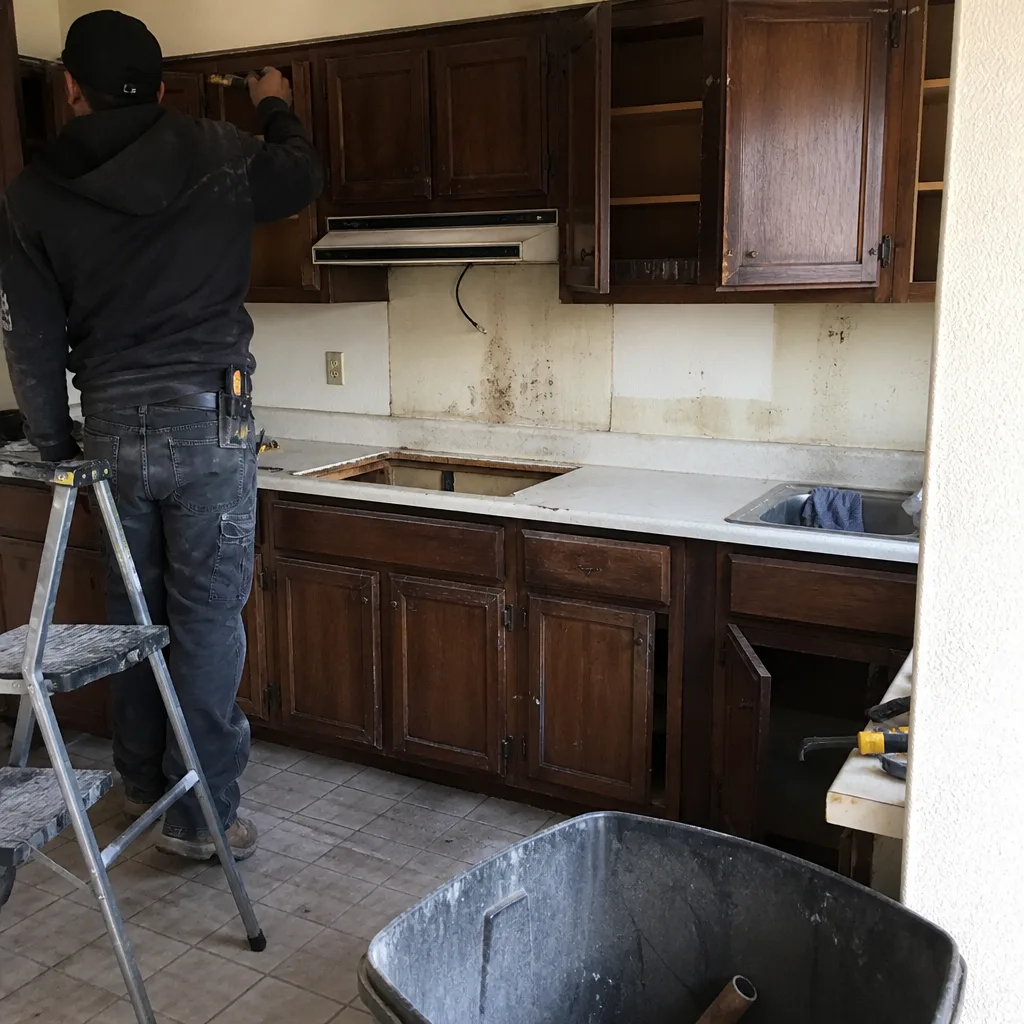
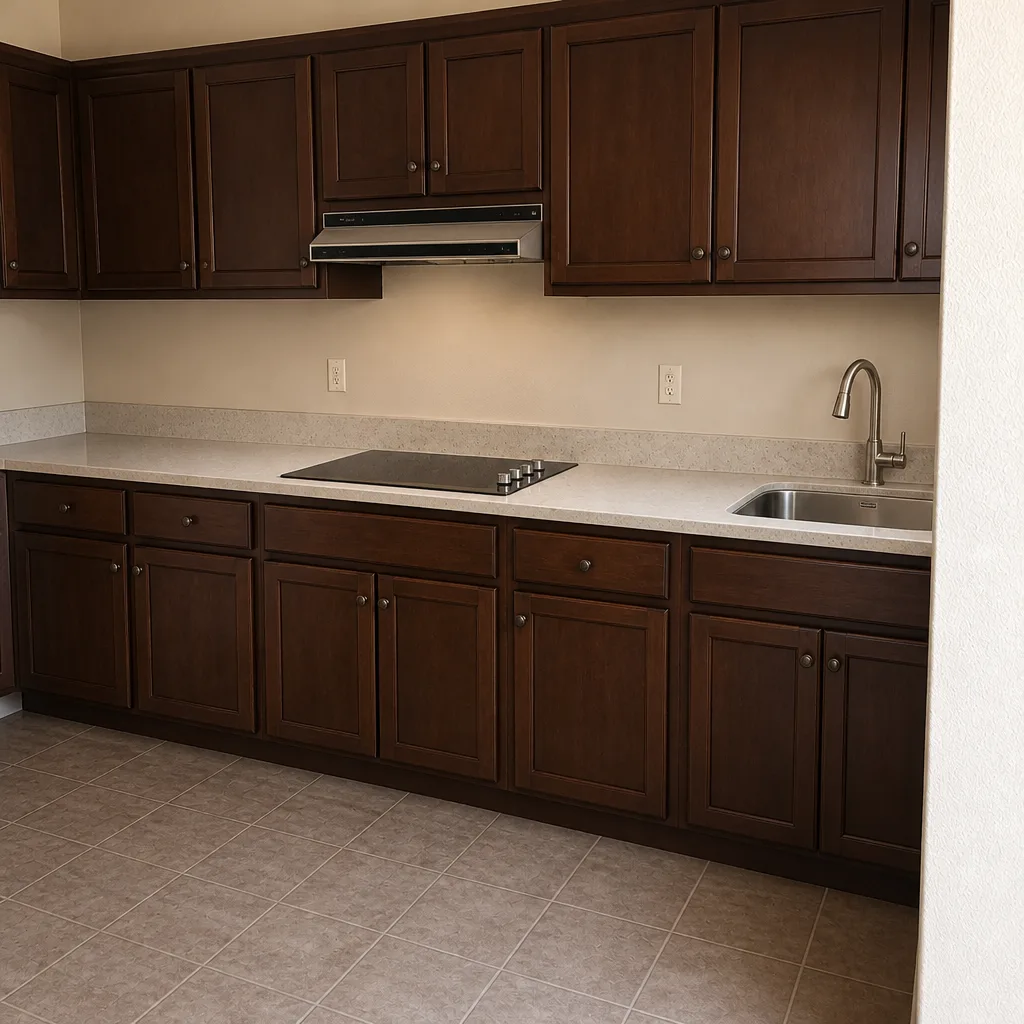
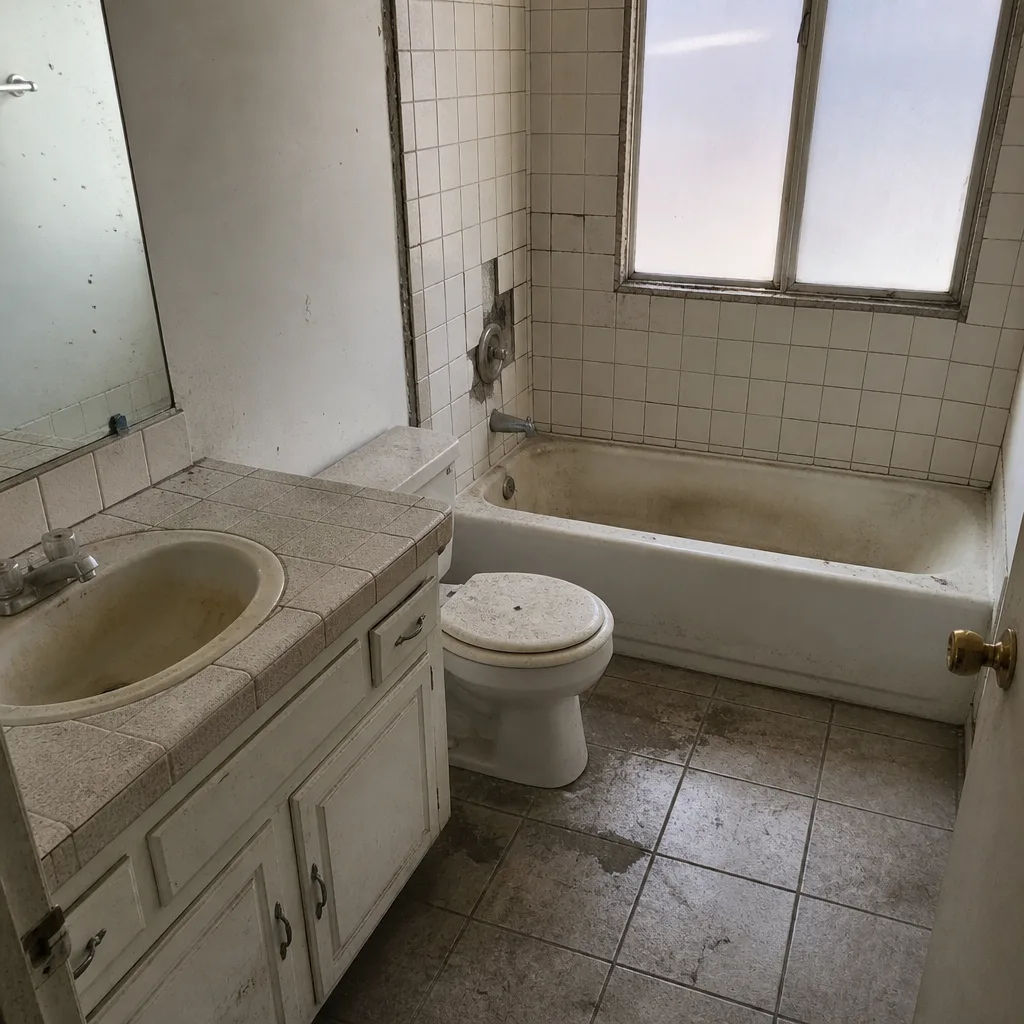
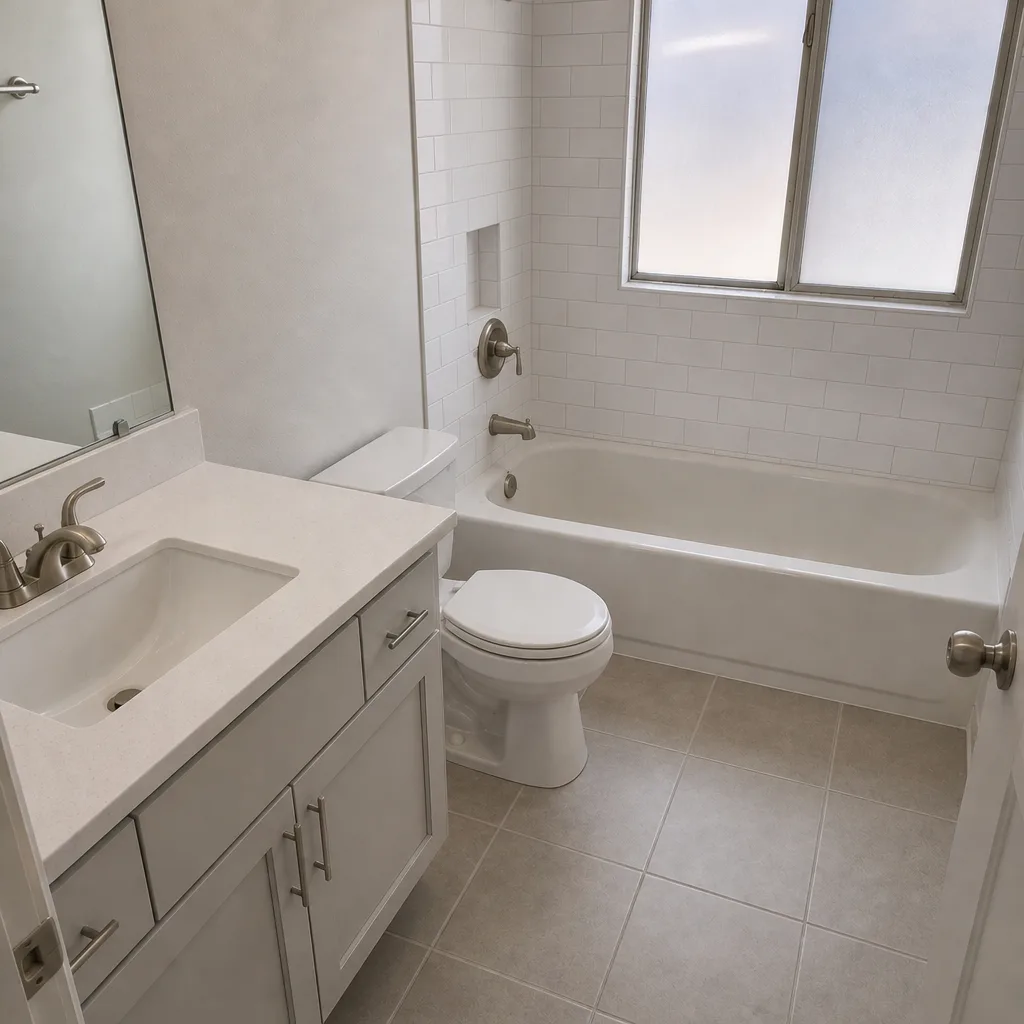
See the difference
 Before
 After
 Before
 After
 Before
 After
When to Call a Professional
Some of these situations can be managed in-house with careful documentation. But certain ones require a licensed contractor on-site before another day passes. That includes any home left with an open building envelope after abandonment, any stop-work order on a structural scope, any discovery of compromised framing or undersized headers, and any situation where the permit status is unclear. If a previous owner’s unpermitted work has surfaced during the job, a professional should lead the correction, not just finish it. Bradford Remodeling Co Whitney offers free estimates in Whitney and gives you a written price before any work starts – call (833) 620-4908, and a live person picks up. Every completed project carries the 365-Day Done Right Promise, and our technicians have up to 22 years of experience working in the valley’s housing stock.
Frequently Asked Questions

A construction emergency is any situation that leaves a home unfinished, open, or unlivable mid-project – contractor abandonment, a permit stop-work order, an unexpected structural discovery, or material failure. Each requires a documented, sequenced response to protect the home and preserve your legal standing.
File with the Nevada State Contractors Board, and start by sending a written notice of default to the contractor. Gather the contract, payment records, notices, and site photos, then file the complaint with those documents. The board’s investigation and mediation timeline is set by statute; ask intake staff what to expect. Call (833) 620-4908 if you need a replacement contractor’s written estimate to support the back-charge.
You can install temporary weatherproofing like tarps and fastened plywood, but you should call Clark County Building and Fire Prevention first and confirm what they’ll accept. Anything involving electrical or structural work should be done by a trained professional. Bradford Remodeling Co Whitney handles envelope stabilization and permit coordination for Whitney homeowners – call (833) 620-4908.
The most common triggers are work outside the approved scope, an expired permit, or unpermitted alterations from a previous owner discovered at inspection. The order names the specific code section and required correction, and clearing it usually means amending the permit and passing reinspection.
Fifteen percent is the floor on any meaningful remodel; 20% on homes older than 30 years is reasonable. A $60,000 kitchen reserves $9,000, and a $200,000 whole-home remodel reserves $30,000. That’s the emergency reserve, not a line item you’ll necessarily spend. Call (833) 620-4908 for a written line-item estimate that sizes the contingency for your specific scope.
The contract needs an itemized scope with per-line prices, a defined abandonment clause, a back-charge provision, a written change-order process, milestone-based payments, and lien waiver language. Every Bradford Remodeling project includes a written price before work begins and the 365-Day Done Right Promise on completed work. Estimates are free – call (833) 620-4908.
The Bottom Line
Whitney construction emergencies don’t all come from the sky. Most start with the job itself, and the difference between a setback and a disaster is documentation, sequencing, and a contract written before anything goes wrong. Stop work, photograph everything, call the right authority – the Nevada State Contractors Board or Clark County Building and Fire Prevention – and get written clearance before a replacement crew touches the site. Budget a 15% contingency minimum, and don’t pay past the value of completed work. That’s the disciplined response, and it’s the same discipline Bradford Remodeling Co Whitney brings to every Whitney project: a written price before work starts, background-checked uniformed technicians, live-person phone coverage around the clock, and the 365-Day Done Right Promise on every finished job. Call (833) 620-4908 for a free estimate in Whitney.
Written by the team at Bradford Remodeling Co Whitney.