Last updated November 18, 2026







Free written scope consultation - allowances, timeline, and change-order rules on paper before a single trade is scheduled
DIY vs Professional Bathroom Remodeling: What’s Safe to Do Yourself
In Nevada, connecting a new fixture to an existing supply line without a plumbing permit doesn’t just risk a failed inspection. If that connection leaks behind a wall and damages the floor below, a standard homeowner’s policy may treat the unpermitted work as an exclusion and leave you holding the bill. That single fact reshapes the DIY debate. The dividing line in a bathroom remodel isn’t really about how handy you are. It’s about permits, liability, and which warranties your own hands can quietly cancel. This guide lays out exactly which bathroom tasks you can safely take on yourself, which ones Nevada law restricts to licensed trades, and how to decide on the jobs in between. We’re writing from Whitney, where we’ve watched plenty of weekend projects run into exactly these walls.
Quick Answer
Safe DIY bathroom work is anything purely cosmetic that touches no water supply, no drain, no electrical circuit, and no structural wall: painting, swapping vanity hardware, hanging a mirror, and mounting accessories. Everything that changes rough plumbing, moves an electrical circuit, or involves a gas line requires a licensed contractor and a permit in Nevada, and doing it yourself can void both inspections and your insurance coverage on water damage. The gray zone is tile and substrate work, where a small error can cancel the material warranty you paid for.
Styles & brands we work with
- Kitchen remodeling
- Bathroom remodeling
- Home additions & ADU
- Roofing
- Windows & doors
- Driveway & pavers
- Fence
Table of Contents
- What Nevada law says about licensed bathroom work
- The permit line: which tasks trigger inspections
- The genuinely DIY-safe tasks
- The touch point problem: how DIY tile voids material warranties
- The insurance angle, stated plainly
- A decision framework for the gray zone
- Whitney-specific factors that shift the call
- Common mistakes to avoid
What Nevada law says about licensed bathroom work
Nevada regulates construction work through the Nevada State Contractors Board, and the rules are narrower than most homeowners assume. The state doesn’t require a license to paint a wall or hang a towel bar. It does require a licensed contractor to perform work that falls into defined trade categories, and a bathroom remodel touches several of them.
Three categories matter most in a bathroom:
- Rough plumbing. Any change to supply lines, drain lines, or venting behind the wall sits in licensed plumbing territory. That includes relocating a sink, adding a second shower head, or moving a toilet’s drain. The permit and inspection requirement attaches to the rough-in, meaning the pipes before fixtures go on, not just the final connection.
- Electrical circuit work. Adding a GFCI outlet, moving a light, installing a heated floor mat, or upgrading a bathroom exhaust fan to a new circuit requires a licensed electrician and an electrical permit. Swapping a light bulb or a like-for-like fixture on an existing circuit is a different matter.
- Gas lines. If your plan touches a gas water heater or a gas line anywhere near the bathroom, that work is licensed only. There is no reasonable DIY path here, and we’d tell any Whitney homeowner the same thing.
The legal citation you’ll see most often is the Nevada Revised Statutes chapter governing contractors and the State Contractors Board’s licensing categories, enforced alongside local building department permit rules. Your specific jurisdiction sets the permit thresholds. In the Whitney area, that means the Clark County building department and its inspection schedule. If you’re unsure whether your task crosses the line, a five-minute call to the permit office settles it before you touch a wrench.
This is also why we talk about scope in writing before work starts. When we quote a Whitney bathroom, the written price separates licensed trade work from finish work so you can see exactly where the legal line sits on your project. That’s part of bathroom remodeling in Whitney, and it’s how we keep a price from moving once the walls open.
The permit line: which tasks trigger inspections
A permit isn’t paperwork for its own sake. It’s the mechanism that gets an inspector to look at the work while it’s still visible, before tile and drywall hide it. Here’s how the line typically falls for a bathroom project.
Tasks that require a permit and licensed trade
- Relocating or adding a sink, toilet, shower, or tub supply and drain
- Changing the location of a vanity, which usually moves the plumbing
- Adding or moving any electrical outlet, switch, or light
- Installing a new exhaust fan circuit or a heated floor
- Any wall removal, especially anything that might be load-bearing
- Waterproofing in a wet area when it’s tied to a plumbing change
Tasks that usually don’t trigger a permit
- Painting walls, ceiling, and trim
- Replacing vanity cabinet hardware and drawer pulls
- Hanging a mirror on an existing wall
- Mounting towel bars, hooks, and shelving
- Swapping a faucet where the supply lines stay put and the fixture is like-for-like (check with your jurisdiction, since some require a permit even here)
- Replacing a toilet with the same rough-in measurement
Notice the pattern. The permit line tracks whether the task changes the building’s systems, not whether it’s difficult. A carefully hung mirror is easy and permit-free. A simple-looking outlet relocation is neither.
The genuinely DIY-safe tasks
These are the jobs where doing it yourself is reasonable, doesn’t invalidate anything, and won’t cause a downstream failure in another trade’s work. They’re mostly cosmetic, and that’s the point.
- Painting. Walls, ceiling, trim, even the vanity if you prep it properly. Painting touches nothing but the surface, and a bad paint job is fixable with sandpaper and time. In Whitney’s dry climate, use a bathroom-rated paint with mildew resistance, since humidity swings indoors still matter even when the desert air outside is bone-dry.
- Vanity hardware swaps. New pulls and knobs on a KraftMaid or Wellborn cabinet change the whole look for under a hundred dollars. Keep the original hardware in a bag so you can restore it if you sell.
- Mirror installation. A framed mirror hung with the right anchors on a sound wall is a fair DIY job. Use toggle anchors rated for the mirror’s weight, and check for studs first.
- Accessory mounting. Towel bars, robe hooks, toilet paper holders, and floating shelves. These are holes in drywall, not penetrations in plumbing or structure.
- Caulking and grout refresh. Re-caulking the tub-to-wall seam is reasonable DIY work, though it’s a temporary fix. If grout is failing because the substrate moved, that’s a bigger conversation.
There’s one more category worth naming: demolition you do yourself before the pros arrive. Pulling old tile, removing a vanity, and hauling debris to the curb can save real money on labor. Just confirm with your contractor which surfaces to leave intact. In our experience, an over-eager demo can remove a waterproofing layer that was part of the plan, or expose a wall the inspector wanted to see before it came down.
The touch point problem: how DIY tile voids material warranties
This is the part most DIY guides skip, and it’s where homeowners lose money they can’t recover. Tile itself is simple. The system under it is not.
Modern bathroom waterproofing is a layered assembly: a substrate board, a waterproof membrane, a banding material at seams and corners, and a bonding layer. Manufacturers publish installation requirements for each product, and those requirements are the terms of the warranty. If you install a $40-per-square-foot waterproofing membrane over a substrate that wasn’t rated for it, or you skip the corner banding, the material still looks fine on day one. When it fails in eighteen months and water reaches the framing, the manufacturer’s response is straightforward: the installation didn’t follow the published method, so the warranty doesn’t apply.
That’s the touch point problem. Your DIY tile work doesn’t just void the tile warranty. It voids the waterproofing warranty on the whole wet-area system, which is often the most expensive component you bought. And it can void the warranty on adjacent products too, because a failure traced to the membrane can pull the shower pan and the drain assembly into the same claim.
In Whitney, we’ve seen this play out most often in homes where a re-tile was done over a substrate that had already been damp. The tile looked solid for a season or two. Then the grout started cracking along the pan seam, and the whole wall had to come out. If you’re going to tile, ask the material supplier for the published installation method and follow it exactly, or hire a licensed tile setter and keep the receipts. The warranty you preserve is worth more than the labor you save. This is the same principle behind the documented brand roster we specify on our projects, from KraftMaid cabinetry to Kohler fixtures, so every material has a traceable spec and a manufacturer standing behind it.
The insurance angle, stated plainly
This isn’t a pride argument. It’s a financial risk calculation. Standard homeowner’s policies generally cover sudden and accidental water damage, but many exclude damage caused by work that wasn’t permitted, inspected, or done by a licensed trade. When a leak from a DIY plumbing connection lands on your living room ceiling, the insurer’s first question will be whether the work was permitted.
Here’s what that looks like in practice:
- Covered scenario. A licensed plumber pulls a permit, the rough-in passes inspection, and a supply line fails a year later. The claim proceeds normally, and the contractor’s own insurance sits behind the work.
- Risky scenario. A homeowner moves a sink drain without a permit. The connection weeps, damages subfloor and drywall, and the claim gets denied or reduced because the work was unpermitted and uninspected.
Add the second layer: the contractor’s liability coverage and the written guarantee only apply to work the contractor performed. Do the rough plumbing yourself, and no one’s insurance covers that joint but yours. For a job that costs a few hundred dollars in licensed labor, that’s an easy calculation.
The same logic explains why we put the price and the guarantee in writing, non-negotiable, every project. Under the 365-Day Done Right Promise, if the work fails inside that full year, we come back and correct it at no charge. That’s a real transfer of risk, and you can’t replicate it with your own hands.
A decision framework for the gray zone
When a task isn’t obviously DIY or obviously licensed, run it through this sequence. It takes about thirty seconds and saves you from expensive surprises.
- Does it touch the water supply or drain? If yes, get a permit and a licensed plumber. No exceptions inside a wall.
- Does it touch an electrical circuit? If yes, licensed electrician and permit. GFCI protection in a bathroom is code-required, and getting it wrong is a shock hazard.
- Does it involve a gas line? Licensed trade only. This is the clearest line in the whole house.
- Does it involve a structural wall, or a wall you believe is load-bearing? Licensed contractor and engineering review. Don’t guess from a stud finder.
- Does it alter a waterproofing assembly or a wet-area substrate? Either follow the manufacturer’s published method exactly, or hire a licensed installer and keep the documentation.
- If none of the above apply, and the task is purely cosmetic, it’s a reasonable DIY candidate.
That framework is the short version of how we scope a general contractor in Whitney project. The written price lands before any tool comes out, and it separates licensed trade work from finish work so the homeowner can decide what to keep. Calls get answered by a live person, not a voicemail queue, so a question about whether a task needs a permit gets a real answer the same call.
Whitney-specific factors that shift the call
Whitney’s climate and housing stock push a few decisions in particular directions:
- Dry air and curing. Whitney averages under five inches of rain a year, and interior humidity runs low. That’s friendly to paint and grout curing, but it can cause lumber and substrate board to shrink after installation if they weren’t acclimated indoors first. A DIY tile job on board that came out of a hot truck and got installed the same day is a common cause of hairline cracks along the seams.
- Hard water. The region’s water runs mineral-heavy, which is tough on shower fixtures and glass. That argues for specified fixtures with manufacturer finishes, like the Kohler and Moen lines we install, rather than discount replacements that pit within a year.
- Older tract homes and remodel history. Many Whitney-area bathrooms sit in homes that have seen one or two previous remodels. Opening a wall often reveals a prior homeowner’s DIY plumbing. If you’re planning tile work, budget for one unexpected repair, and let a licensed plumber look at the rough-in before you close it up.
- Inspection scheduling. Clark County inspections need to be scheduled between rough-in and cover-up, and the gap tightens during busy seasons. A licensed crew knows to sequence the work so the inspector sees the rough-in while it’s still visible. A homeowner working weekends can lose a week to a missed inspection window.
These details matter because they’re the things a generic guide can’t tell you. What’s safe in Whitney isn’t the same as what’s safe in a wet climate with different codes. We build our scope around these factors, and we write the price down so the project doesn’t drift. If you want to see how the whole approach fits together, our Bradford Remodeling Co Whitney home page walks through it.
Common Mistakes to Avoid
- Moving plumbing without a permit to “save the inspection fee.” The fee is trivial next to the risk of a denied insurance claim after a leak. In a dry-climate town like Whitney, a slow leak under a tile floor can run for weeks before anyone notices.
- Re-tiling over a substrate that wasn’t rated for wet areas. This voids the waterproofing warranty on materials you paid a premium for, and the failure shows up long after the final grout pass.
- Relocating a vanity without accounting for the drain. A new vanity that doesn’t line up with the existing drain turns a $200 cabinet swap into a licensed plumbing job. Measure the rough-in before you buy.
- Skipping the GFCI. Bathroom receptacles within six feet of a water source require GFCI protection under current code. A DIY outlet swap that bypasses it is a genuine shock hazard.
- Tearing out a previous remodel without checking what’s behind it. Whitney bathrooms often hide a prior homeowner’s shortcut. Open the wall, look, and fix it properly before cover-up.
- Hiring on price alone and skipping the written scope. The bid that looks lowest rarely survives contact with an opened wall. A no-change-order written price is worth more than a cheap estimate.
- Buying materials without the manufacturer’s installation spec. The warranty terms live in that document. If you can’t follow it exactly, don’t install it yourself.
See the difference
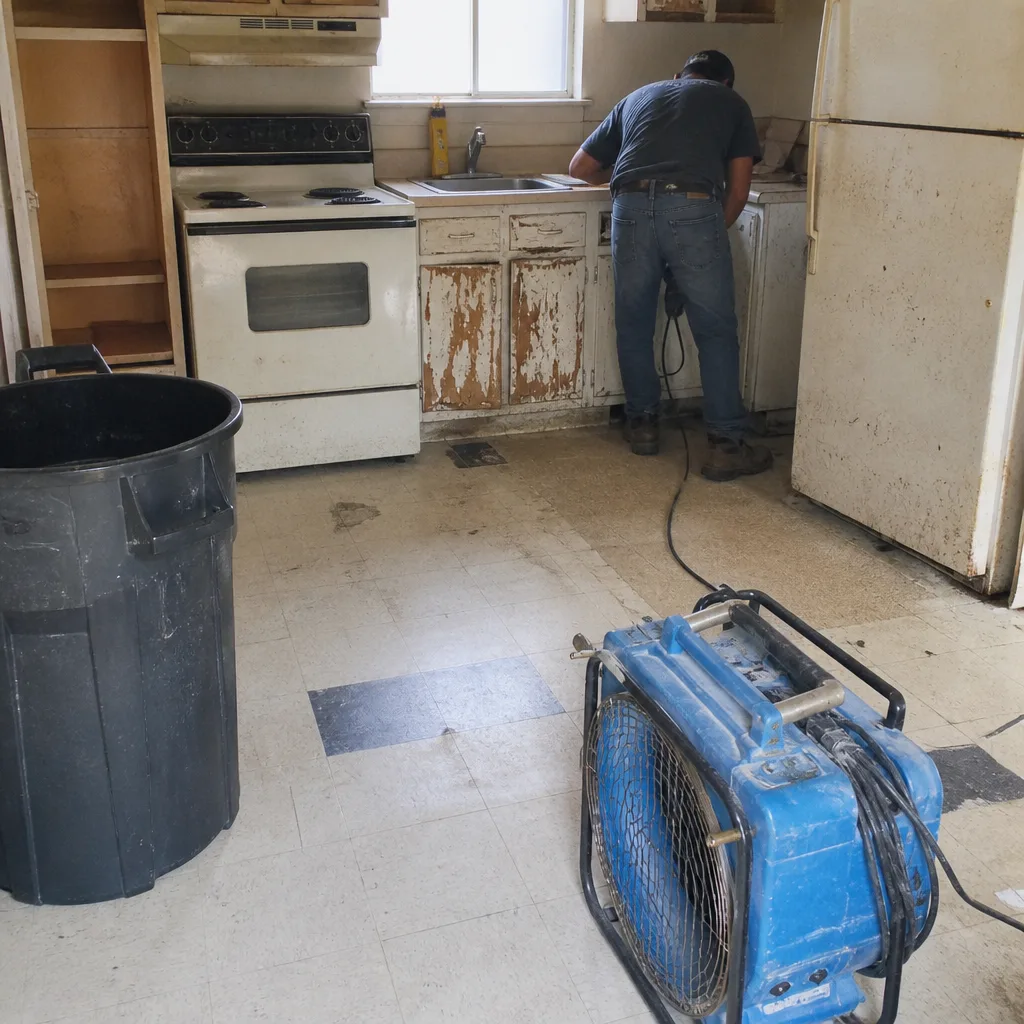 Before
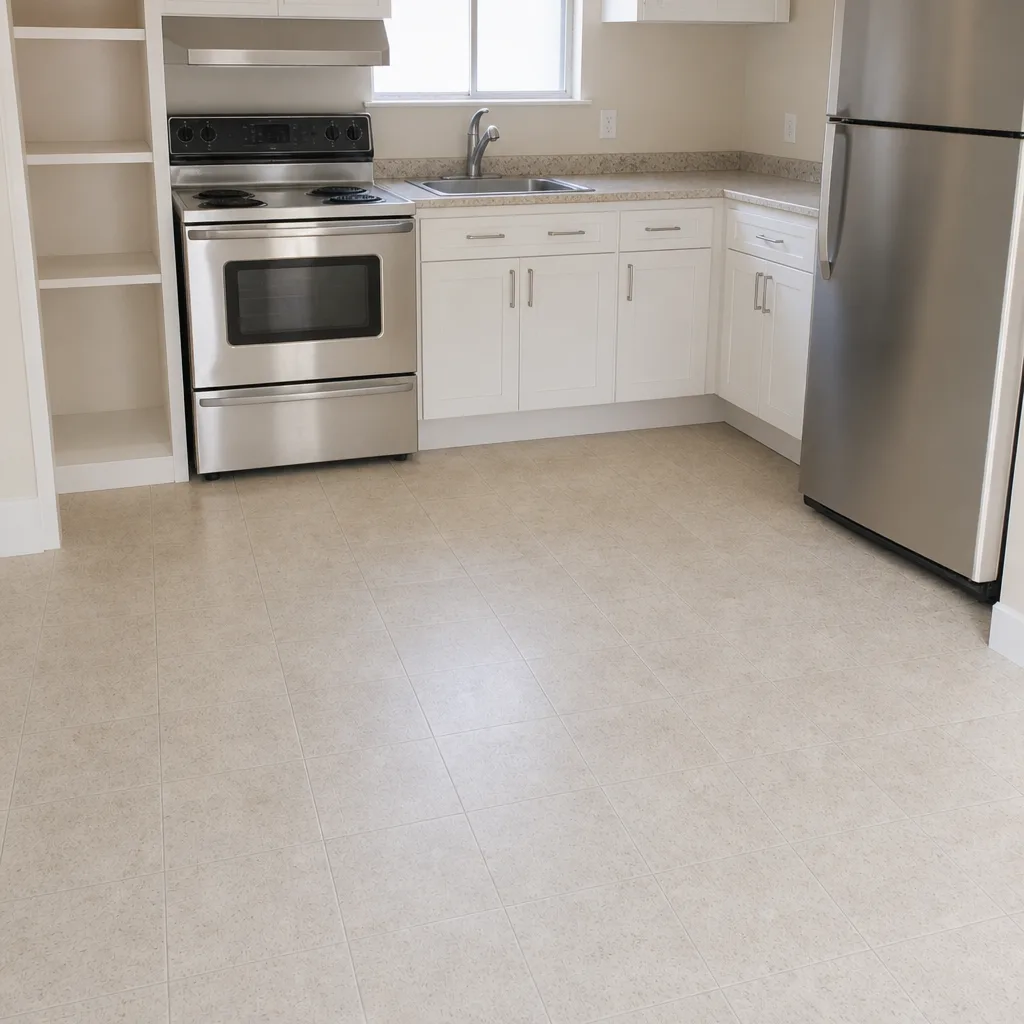 After
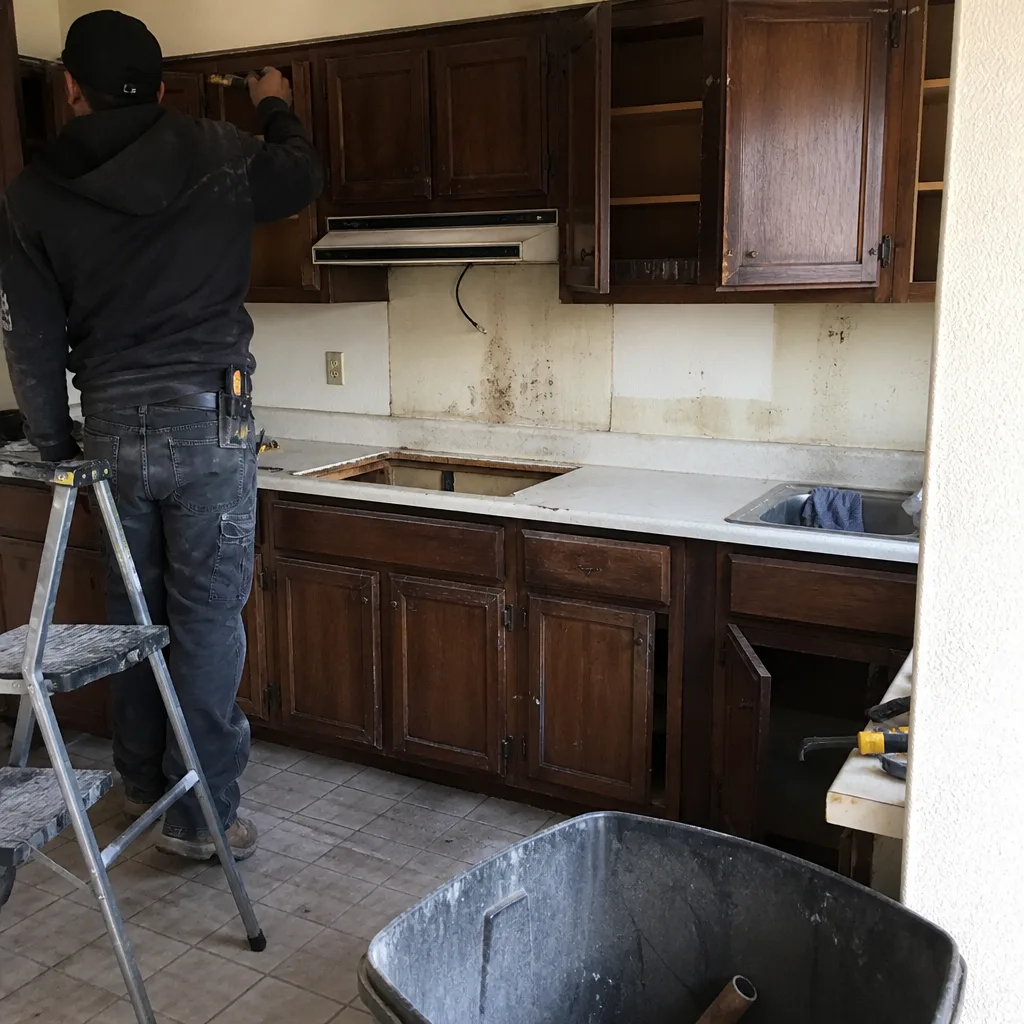 Before
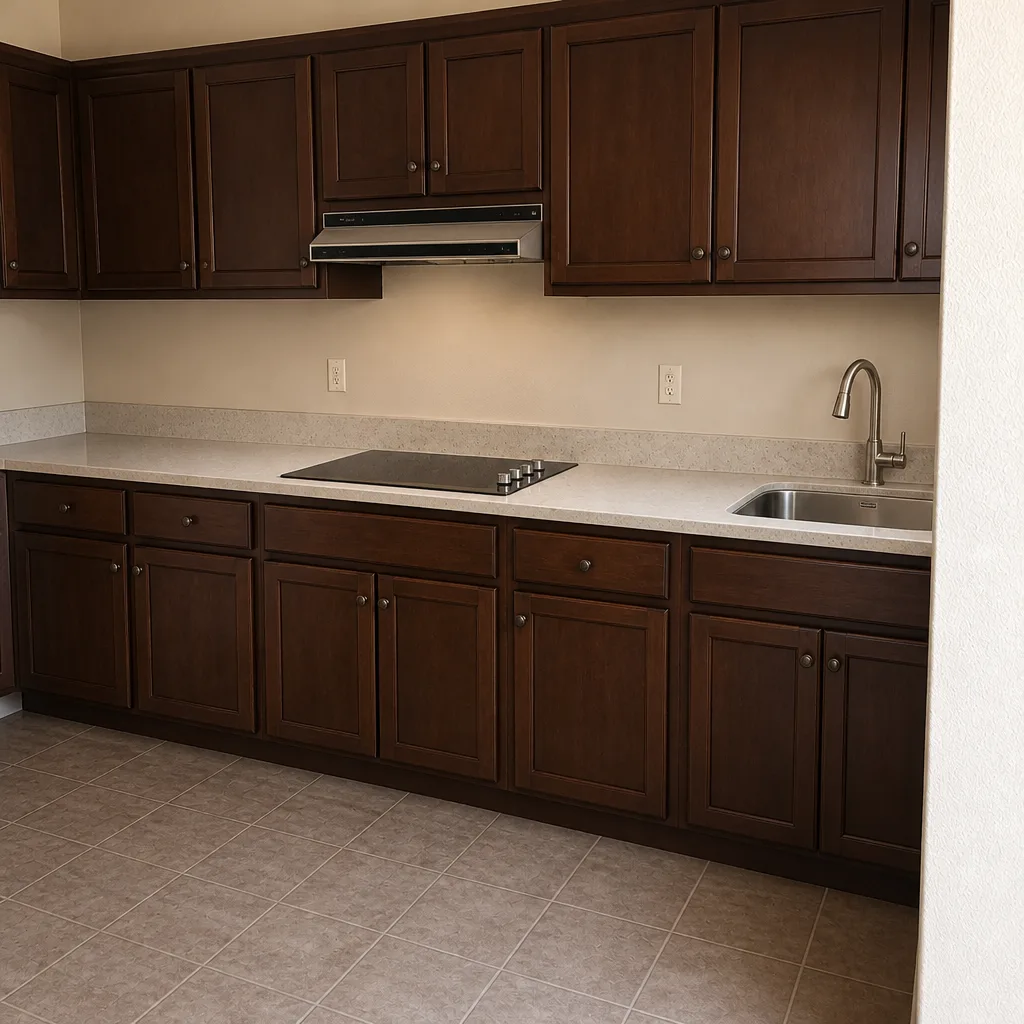 After
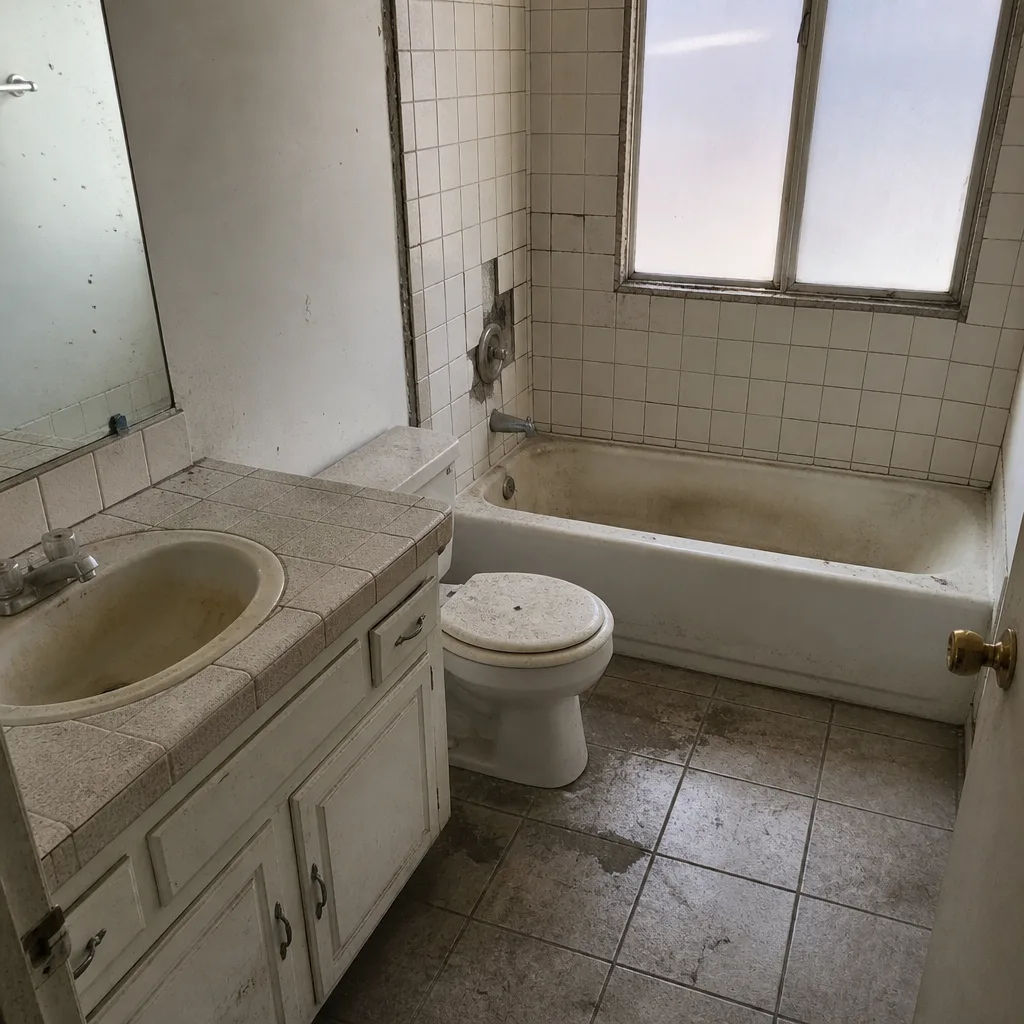 Before
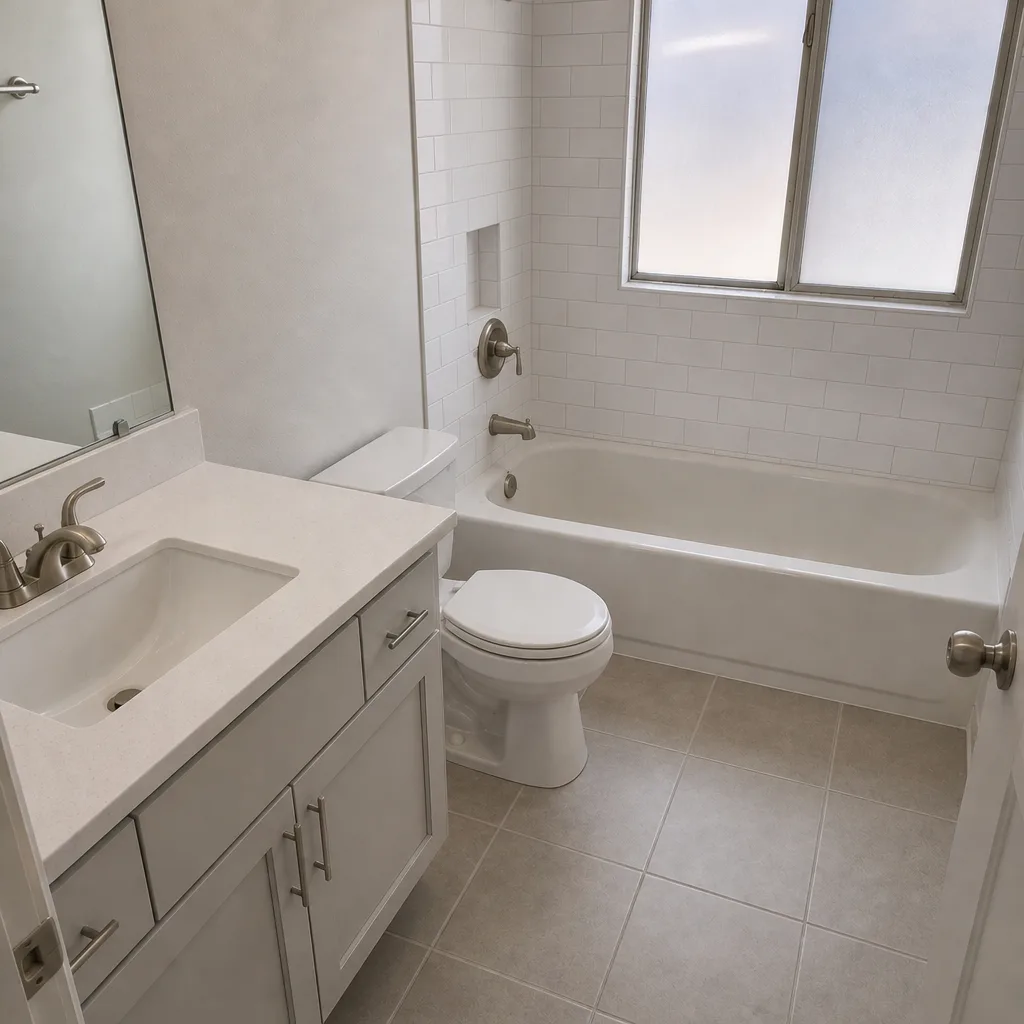 After
When to Call a Professional
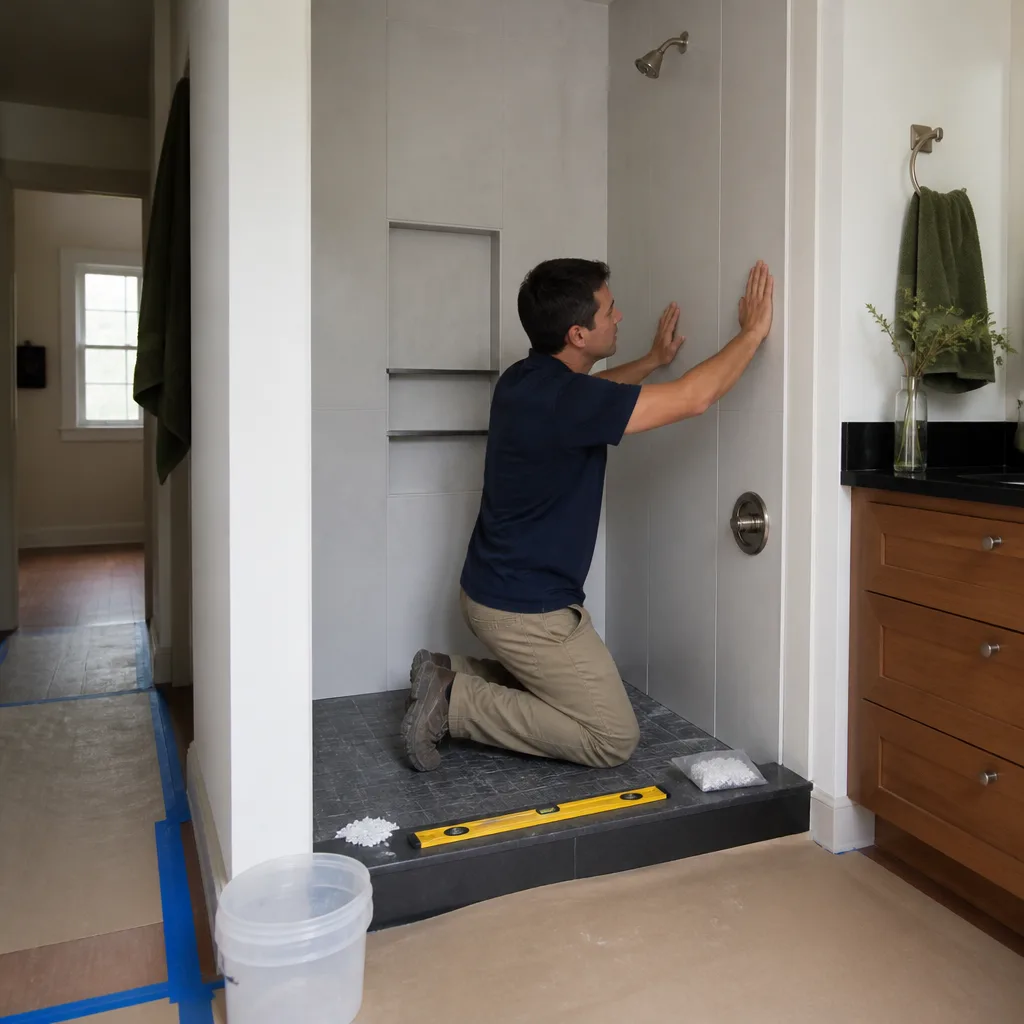
Call a licensed professional the moment your plan touches rough plumbing, an electrical circuit, a gas line, or a structural wall. That’s not a judgment call. It’s the permit line, and it’s where the insurance risk sits. Call one too if you’re tiling a shower and can’t document the waterproofing method to the manufacturer’s spec, or if your opening demo reveals water damage, mold, or a prior remodel that wasn’t inspected. In Whitney, we recommend getting a licensed plumber’s eyes on the rough-in before any tile goes down, even on a small refresh. Bradford Remodeling Co Whitney offers free estimates in Whitney, with a written price before work starts and the 365-Day Done Right Promise behind the finished job. Call (833) 620-4908 to schedule yours.
If you’re also planning to update the kitchen alongside the bathroom, the same scope discipline applies, and our kitchen remodeling in Whitney page covers the brand and permit questions there. For homeowners weighing a larger project, the dividing lines are the same regardless of room.
Frequently Asked Questions
No, not the rough plumbing. Any change to water supply lines, drain lines, or venting behind a wall requires a licensed plumber and a permit in Nevada. Replacing a faucet where the supply lines stay put is a gray area that varies by jurisdiction, so check with the Clark County building department before you start. If your plan moves a fixture, it’s a licensed job. Call (833) 620-4908 for a free estimate that separates licensed work from what you can do yourself.
It can. Most standard homeowner’s policies exclude water damage caused by unpermitted or uninspected work. A leak from a DIY plumbing connection that wasn’t permitted may be denied or reduced on that basis. The simplest way to protect the claim is to keep the permitted, licensed path for anything that touches water or electrical. Call us for a written scope that shows exactly which parts need a permit.
Tile itself is DIY-friendly, but the waterproofing assembly underneath is not. Manufacturers publish the installation method for their membranes and substrates, and the warranty only applies when you follow it. Install over the wrong substrate or skip the corner banding and the warranty on the materials you bought can be voided. That’s the touch point problem. If you’re tiling a shower, use a licensed installer and keep the documentation.
Anything purely cosmetic that touches no water supply, drain, electrical circuit, or structural wall: painting, swapping vanity hardware, hanging a mirror, mounting towel bars and shelving, and re-caulking a tub seam. Demolition before the pros arrive is reasonable too, as long as you confirm which surfaces to leave intact. Every one of these is fixable without a permit and doesn’t void anyone’s warranty.
Cost varies with scope, and Brady’s standard is to quote the work on the page rather than say “call for a quote.” We provide a written price before any work starts, with no numbers that move at the door, and you can compare that number against your own labor. Call (833) 620-4908 for a free estimate in Whitney and a line-item price you can read before you commit.
It depends on whether the plumbing moves. If the new vanity lines up with the existing drain and supply lines and no plumbing changes, a permit is usually not required. If the drain has to be relocated to fit the new cabinet, that’s a plumbing change and it needs a licensed plumber and a permit. Measure the rough-in before you buy the vanity. Call (833) 620-4908 if you want someone to check it with you.
The Bottom Line

The DIY versus professional decision in a bathroom isn’t about how skilled you feel with a tool. It’s about permits, liability, and warranties. In Nevada, rough plumbing, electrical circuits, and gas lines require licensed trades, and doing that work yourself can cost you an insurance claim and a materials warranty. Purely cosmetic work, painting and hardware and mounting, is a fair DIY job that saves money and voids nothing. The riskiest ground is tiling over a waterproofing assembly, where the wrong substrate cancels the warranty you paid for. Run your task through the framework, get a permit when the line is close, and have a licensed crew handle anything that touches the systems. Bradford Remodeling Co Whitney runs every project to a written price and backs the finished work with the 365-Day Done Right Promise, so the scope on paper matches the job at close. Call (833) 620-4908 for a free estimate in Whitney.
Written by the team at Bradford Remodeling Co Whitney.