Last updated November 18, 2026








Free written scope consultation - allowances, timeline, and change-order rules on paper before a single trade is scheduled
Construction Permits, Codes & Inspections in NV: What You Need to Know
Nevada adopted the 2018 International Building Code statewide, which sounds like one clean rulebook for the whole state. Then you buy a house in Whitney, pull a permit, and find out the approval chain runs through Clark County Development Services, not the City of Las Vegas, with a separate amendment set and a separate inspection queue. Contractors from out of the area hit this wall every week. In our experience the surprises are rarely about the work itself. They’re about which office you’re dealing with, which hold points you have to clear, and what happens when a previous owner skipped both. This guide covers the differences that matter for Whitney homeowners: what needs a permit, how to check a home’s permit history before closing, where inspections stop a job cold, and what unpermitted work actually costs you.
Quick Answer
In Nevada, most structural, electrical, plumbing, and mechanical work requires a permit, and in the unincorporated Whitney area that permit comes from Clark County Development Services rather than the City of Las Vegas. Inspections happen at set hold points, and work cannot legally continue past them until a Clark County inspector signs off. Unpermitted work can trigger re-inspection fees, required demolition, and insurance claim denials, which is why pulling a permit history before you buy is worth the effort.
Styles & brands we work with
- Kitchen remodeling
- Bathroom remodeling
- Home additions & ADU
- Roofing
- Windows & doors
- Driveway & pavers
- Fence
Table of Contents
- Clark County vs. City of Las Vegas: Which Office Handles Whitney
- Which Remodeling Projects Require a Permit in Nevada
- Projects That Fall Below the Permit Threshold
- How to Pull Permit Records on a Home Before You Buy
- Inspection Hold Points and What Happens If They’re Skipped
- Penalty Exposure for Unpermitted Work
- Local Amendments That Catch Out-of-Area Contractors
- The Permit and Inspection Process, Step by Step
Clark County vs. City of Las Vegas: Which Office Handles Whitney
Whitney is an unincorporated community in Clark County. That single fact decides your permit jurisdiction. Unincorporated land sits under Clark County Development Services, while property inside the Las Vegas city limits is regulated by the city’s building department. The two offices use overlapping but not identical code amendment sets, and they don’t share an inspection calendar. A contractor who pulls permits in Las Vegas for a living can be completely lost the first time a Whitney job lands in the county queue.
Why does it matter in practice? Three places where the difference shows up:
- Submittal requirements. Clark County may ask for different plan details, engineering stamps, or energy compliance forms than the city on the same type of project.
- Inspection scheduling. You book with the county, and the county’s timeline governs. Booking through the city system by mistake just wastes a week.
- Amendment differences. Setbacks, structural requirements, and hold points can vary where the county has layered local amendments on the statewide 2018 IBC.
If you’re remodeling in Whitney and your contractor can’t tell you which jurisdiction pulls the permit without checking the address first, that’s a warning sign. We verify jurisdiction before a single number goes in writing. If you’re planning a project and want the scope squared away up front, our General Contractor in Whitney page walks through how we manage county permits from submittal to final.
Which Remodeling Projects Require a Permit in Nevada
Homeowners routinely guess wrong in both directions. Some assume everything needs a permit, others assume a “small” job needs nothing. Here’s the working list we use for Whitney projects under the 2018 IBC as amended by Clark County.
Work that requires a permit
- Any wall removal, including a “non-bearing” wall until an inspector or engineer confirms it.
- Moving or adding plumbing supply or drain lines, even one fixture.
- New or relocated electrical circuits, panel changes, and any work inside the panel.
- HVAC replacement or new duct runs, which is mechanical work.
- Converting a garage, adding a room, or any change to the building footprint.
- New windows or doors where the rough opening changes, plus any exterior structural change.
- Roof replacement, including tear-off and re-deck.
- Any new deck, patio cover, or shade structure over a certain size or attached to the house.
- Water heaters, which always need one.
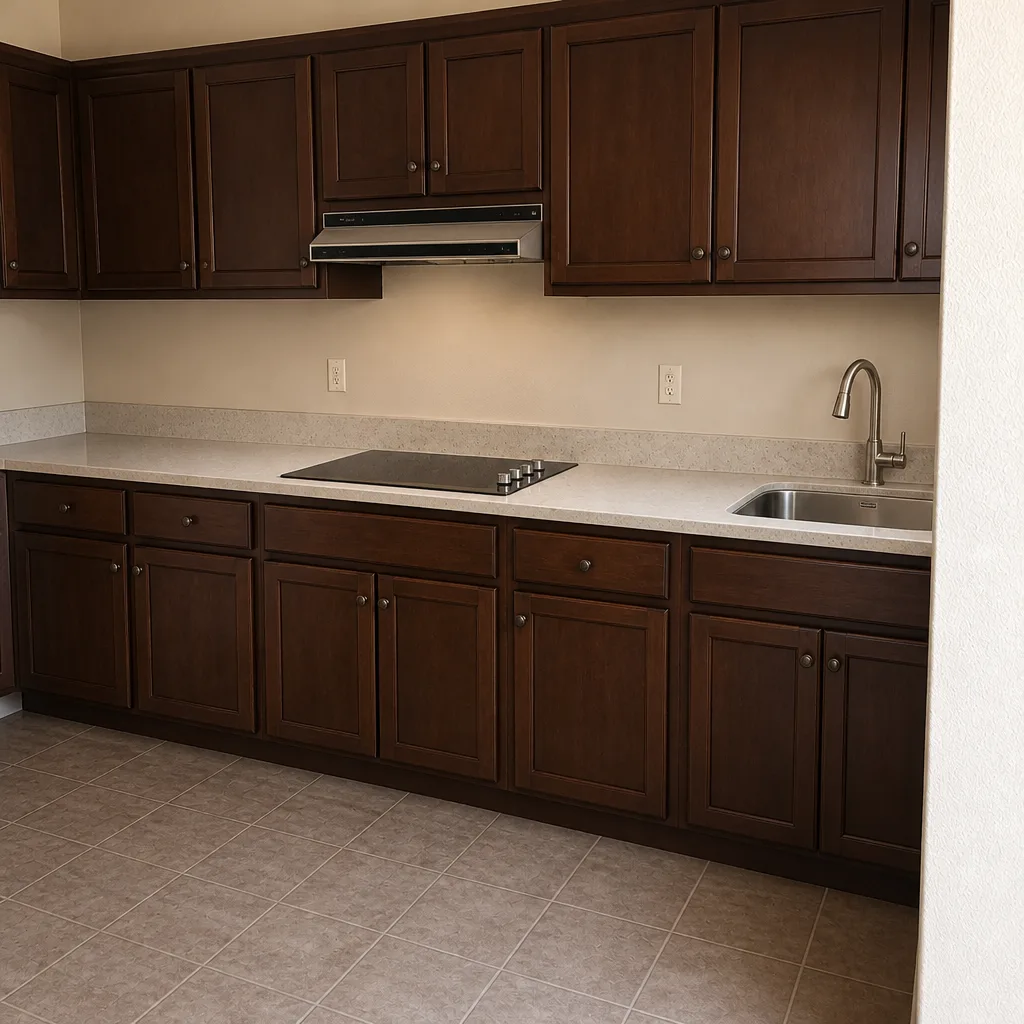
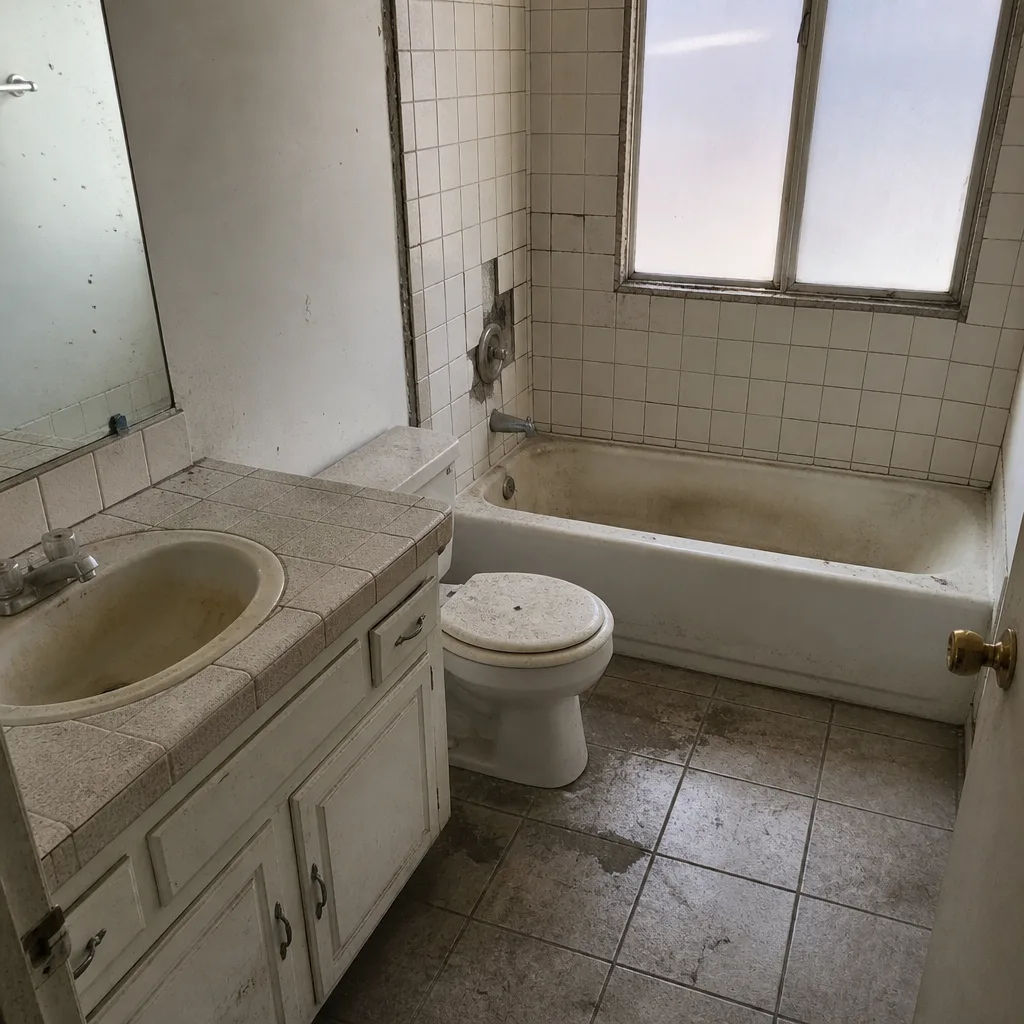
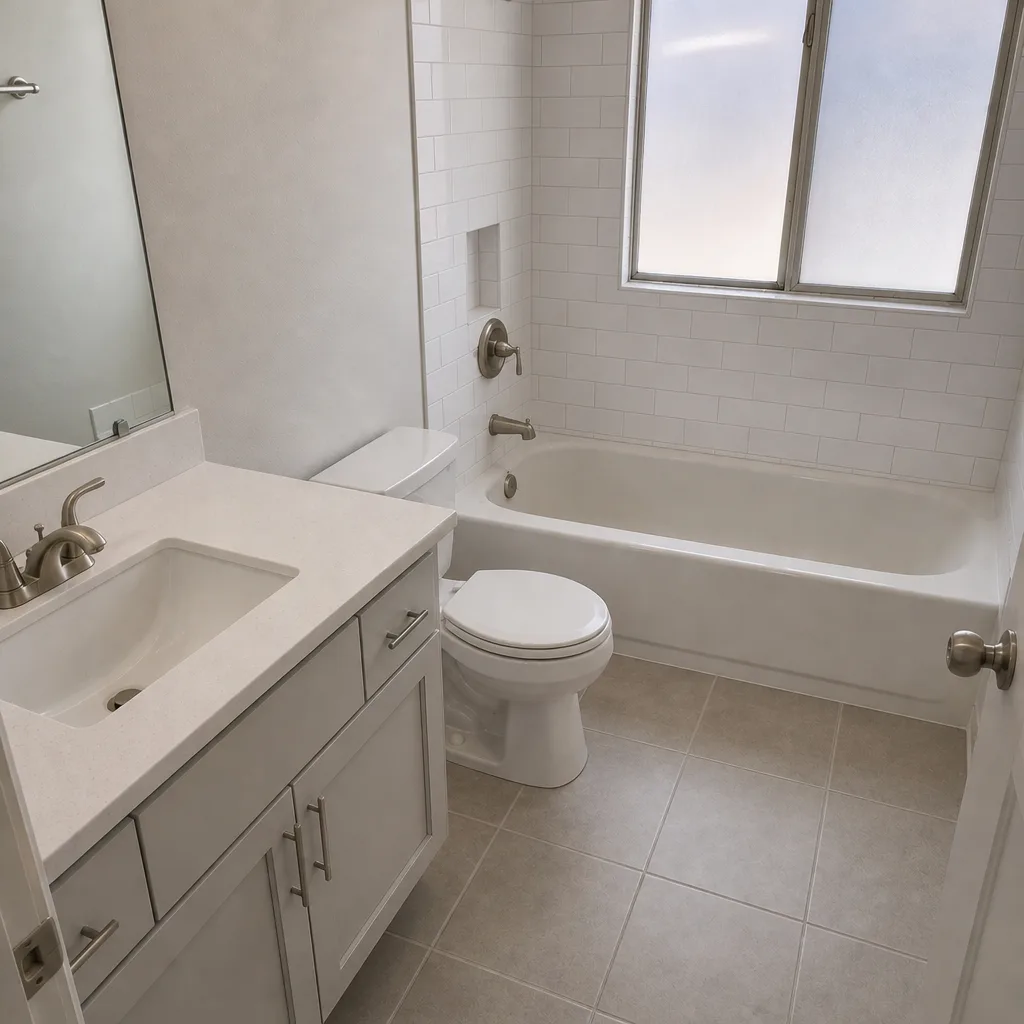
Kitchen and bathroom remodels sit in a gray zone that trips people up. A cosmetic refresh with cabinet and counter swaps may need nothing; the moment a plumber moves a drain line or an electrician adds a circuit for a range hood, the permit requirement kicks in. Nevada code allows limited exceptions for direct replacements of fixtures and similar items, but the exceptions are narrow and inspectors read them narrowly. That’s why our Kitchen Remodeling in Whitney process pulls permits as part of the written scope, not as an afterthought. For bathrooms, where a shower pan rebuild almost always involves the drain, the same rule applies: if the plan requires a permit, we pull the permit.
Projects That Fall Below the Permit Threshold
Some work genuinely doesn’t require a permit. Finishing projects like these without one is legal and normal:
- Interior paint, trim, and drywall patching.
- Cabinet and countertop replacement with no electrical or plumbing changes.
- Flooring installation over an existing sound substrate.
- Direct replacement of a faucet, toilet, or light fixture with the same type and location.
- Landscaping and hardscaping, unless it touches drainage tied to the structure or a retaining wall of significant height.
Two cautions. First, “no permit required” doesn’t mean “no code applies” – everything built in Nevada must meet code regardless of whether anyone inspects it. Second, the threshold is often a judgment call. A vanity swap is exempt; relocating the drain line to fit the new vanity is not. When the scope is ambiguous, the safe answer is to ask the county before you start. If you’re unsure which side of the line your project sits on, that’s one of the simplest things to sort out in a free estimate visit – call (833) 620-4908 and we’ll tell you straight.
How to Pull Permit Records on a Home Before You Buy
This is the single most underused due-diligence step in a Whitney home purchase. Unpermitted work is common in older properties, and the buyer inherits the problem. Clark County’s public records system will show you what was permitted and, just as importantly, what wasn’t. Here’s the process we recommend to buyers:
- Look up the parcel. Search the address in the county’s permit records portal. You’ll see every permit pulled on that parcel going back years.
- Match permits to visible work. A finished garage conversion with no permit on record is a red flag. So is an added bathroom that never appears in the system.
- Check the disposition on each permit. A permit that was pulled but never finalized means the job may have been abandoned mid-inspection. That’s often worse than no permit at all.
- Request any Certificate of Occupancy. For additions and conversions, this document confirms the county accepted the finished work.
- Verify the panel and plumbing are on record. A panel upgrade with no permit makes insurance claims messy for the life of the house.
If records show a gap, don’t panic, and don’t simply accept the seller’s explanation. Unpermitted work can often be legalized through a retroactive permit process, but it means inspection of work that may be hidden behind finished walls. Budget for that before closing, and get it in the negotiation. A permit history pulled before you sign is worth more than any inspection report that only covers what the eye can see. When we plan a whole-home project in Whitney, we start by pulling exactly this record so the scope is based on the real history of the house – that’s the same discipline behind our Bradford Remodeling Co Whitney home approach to every job.
Inspection Hold Points and What Happens If They’re Skipped
Inspections aren’t a formality at the end. They’re checkpoints where a county inspector has to sign off before the next phase can legally begin. Skip one and the county can require you to undo finished work so it can be inspected. These are the hold points that matter most on a Whitney remodel:
- Rough framing. After the frame goes up and before walls are closed. Electrical, plumbing, and mechanical rough-ins are inspected at or near this point, often as separate trades.
- Under-slab plumbing and foundation. Any drain work below the slab gets inspected before concrete goes down.
- Insulation and energy compliance. Required in Nevada, and checked before drywall.
- Drywall and final. The final inspection confirms the finished work matches the permitted scope.
What happens if a hold point is skipped? The county can issue a stop-work order, refuse to finalize the permit, and in the worst case require demolition of the covered work so it can be inspected. A walled-over shower valve or a buried drain line is a demolition and re-inspection bill, not a paperwork fix. This is exactly why we never let a subcontractor cover rough-in work on one of our Whitney jobs without a signed inspection card – no exceptions, every time.
Penalty Exposure for Unpermitted Work
The financial exposure from unpermitted work is worse than most homeowners expect, because it stacks up on three fronts at once:
- Re-inspection and permit fees. The county can charge retroactive fees and re-inspection charges, often at a higher rate than a permit pulled the right way.
- Required demolition. Work that was covered before inspection may need to be opened up. That means redoing finishes you already paid for.
- Insurance claims. If water damage or a fire traces back to unpermitted electrical or plumbing, a carrier can deny the claim. That’s the real risk. A finished basement or garage conversion with no permit can also complicate a sale or force a price concession at closing.
In practice, the cheapest fix is almost always to permit the work properly, even retroactively. A homeowner who catches unpermitted work early spends far less than one who discovers it after a claim is denied or a buyer’s inspector flags it.
Local Amendments That Catch Out-of-Area Contractors
Nevada’s statewide adoption of the 2018 IBC is the baseline. Clark County layers local amendments on top, and a handful of them hit remodeling projects directly. Setback requirements can differ from what a contractor learned in another county. Structural criteria and hold points can vary from what a city job requires. Energy compliance forms must be completed correctly for the jurisdiction, and the county inspects to them. In our experience, the mistakes we see in Whitney come in three flavors: wrong jurisdiction on the submittal, outdated code assumptions from a contractor working off an older edition, and overlooked amendment details on structural or setback questions. Climate plays a role too – desert heat and soil conditions mean some details, like slab and foundation work, get more scrutiny here than a contractor from a milder climate might expect. A permit pulled in the wrong jurisdiction wastes weeks. A permit pulled with the county but built to the wrong amendment gets rejected at inspection. Neither is a fixable-with-a-phone-call problem.
The Permit and Inspection Process, Step by Step
Here’s the sequence we follow on a Whitney remodel, from first conversation to final sign-off:
- Confirm jurisdiction. Check the property address against county and city boundaries before anything else.
- Define the scope in writing. Exactly what will be built, what’s excluded, and every price. This becomes the basis of the permit application and the written contract.
- Prepare and submit plans. Include structural details, energy compliance forms, and any engineering stamps the county requires.
- Pay fees and pull the permit. The permit gets posted on site.
- Schedule rough-in inspections. Framing, electrical, plumbing, and mechanical, before anything is closed up.
- Schedule insulation and energy compliance inspection.
- Complete finish work.
- Final inspection and Certificate of Occupancy where required, then a documented close-out for the homeowner.
That close-out matters. At the end of a job on one of our projects, you get the signed guarantee, the inspection cards, and the written scope all in hand, and a clean site. That’s what squared away looks like. When we coordinate this on a Whitney project, whether it’s a kitchen or a full Bathroom Remodeling in Whitney job, the permit history and inspection calendar are part of the plan from day one, not a surprise in week six.
Common Mistakes to Avoid
- Calling the City of Las Vegas for a Whitney permit. Whitney addresses are outside the city limits, and the permit goes to Clark County. Confirming jurisdiction takes five minutes and saves weeks.
- Trusting “it doesn’t need a permit” without checking. A basement or garage conversion is almost never exempt. Ask the county before you start, not after.
- Skipping the permit record before buying. A finished garage conversion with no permit on file is a negotiation point and a potential insurance problem. Pull the history before closing.
- Closing up walls before rough-in inspection. Covering plumbing or electrical that hasn’t been inspected means demolition and re-inspection. Never let a crew skip a hold point.
- Assuming a permit was finalized. A permit that was pulled but never closed out is a common finding. It means the job may have walked away from inspection, not passed it.
- Using an out-of-area contractor who hasn’t checked the local amendments. The 2018 IBC is the baseline, but the county’s amendments change details that matter at inspection.
- Ignoring the insurance angle. Unpermitted electrical or plumbing work can turn a routine claim into a denial. For a homeowner, that’s the mistake with the longest tail.
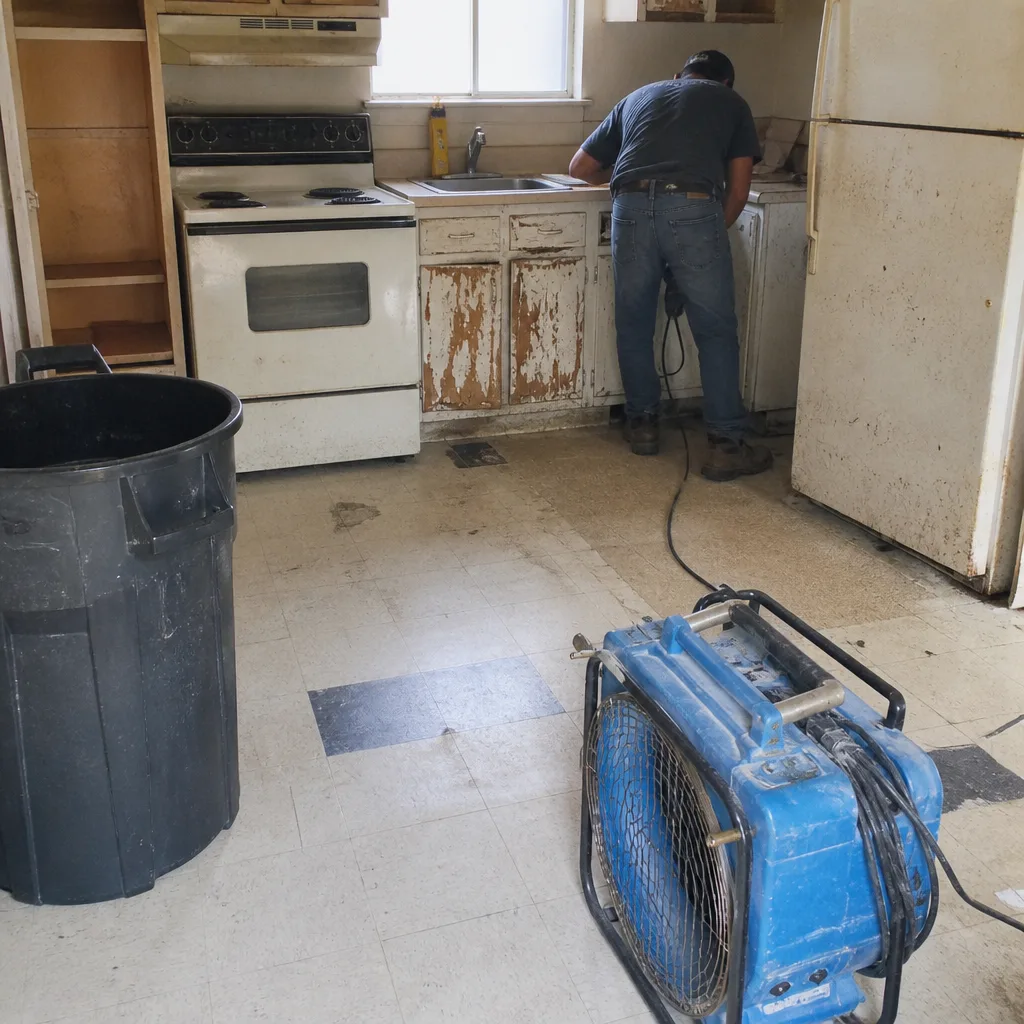
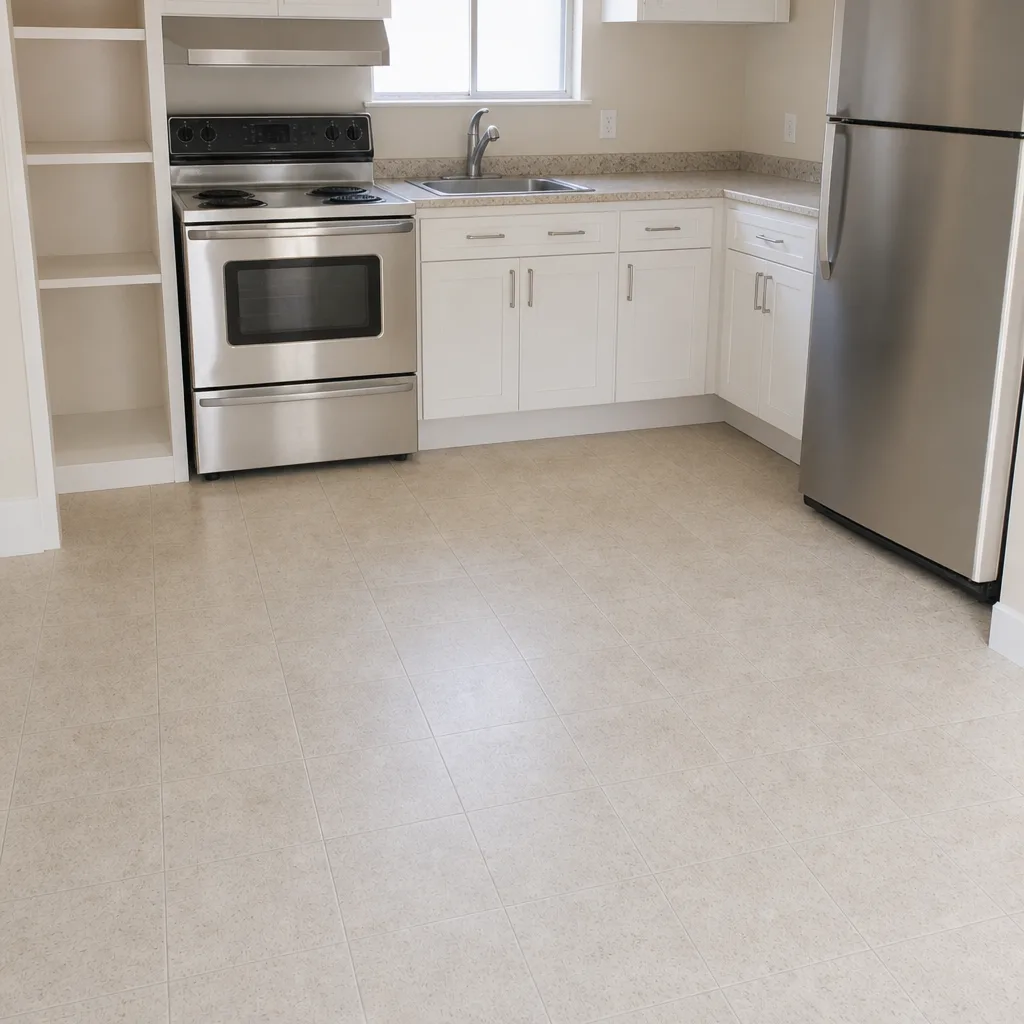
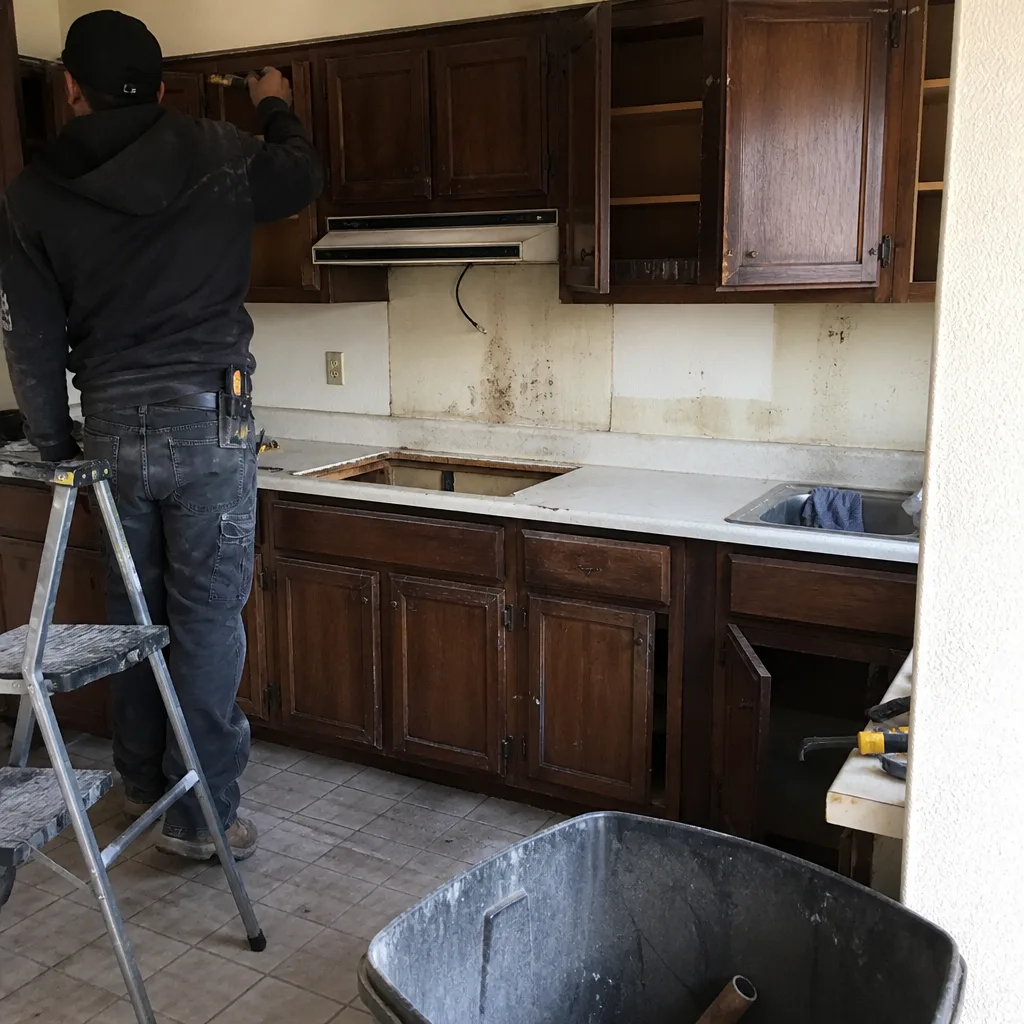
See the difference
 Before
 After
 Before
 After
 Before
 After
When to Call a Professional
Some permit questions belong in the county office, not in a homeowner’s head. Call a professional when the work touches anything structural, anything behind a wall, a panel, a slab, a drain, or a load path. Call when you’re buying a Whitney home with ambiguous permit history, because legalizing unpermitted work requires the right scope and the right inspection sequence. Call when a contractor wants to skip an inspection to save a week. And call when you want the permit process handled in writing before any money changes hands. Bradford Remodeling Co Whitney offers free estimates in Whitney – call (833) 620-4908.
Frequently Asked Questions

Usually yes, if plumbing, electrical, or structural work is involved. In Whitney, permits come from Clark County Development Services, not the City of Las Vegas, because Whitney is unincorporated. A cosmetic refresh with no trade work may fall below the threshold, but moving a drain or adding a circuit does not. We confirm jurisdiction and permit requirements before any project begins; call (833) 620-4908 and we’ll tell you exactly what applies to your address.
They’re separate jurisdictions with separate amendment sets and separate inspection calendars. Whitney addresses fall under Clark County Development Services. Property inside the Las Vegas city limits goes to the city building department. A contractor who pulls permits in one jurisdiction but not the other will hit delays, and the homeowner inherits the problem.
The county can require retroactive permit fees, re-inspection charges, and in some cases demolition of covered work so it can be inspected. Insurance carriers can also deny claims tied to unpermitted electrical or plumbing. Legalizing the work is usually less expensive than the alternative. If you’re buying a home with permit gaps, address it before closing – call (833) 620-4908 for a free estimate on the scope.
Pull the parcel’s permit history from the county records portal, match it against visible work, and check whether each permit was finalized. A finished garage conversion or added bathroom with no record is a red flag. Request any Certificate of Occupancy for additions, and confirm the panel and plumbing work are on record before you sign.
Rough framing, electrical, plumbing, mechanical, and insulation inspections all happen before drywall goes up. These are hold points – work cannot legally proceed past them without a county sign-off. Skipping one can mean demolition to expose the work. We never cover rough-in work without a signed inspection card.
No. A final inspection must be scheduled and passed, and the permit must be closed out in the county system. A permit that was pulled but never finalized is a common finding in older homes, and it usually means the job was abandoned mid-process. Confirm the permit’s disposition before you rely on it.
The Bottom Line
Nevada’s 2018 IBC gives you a clean starting point, but in Whitney the real rules come from Clark County’s local amendments and its own inspection calendar – not the City of Las Vegas. Confirm your jurisdiction first. Pull the permit record before you buy a home. Never let a crew skip a hold point. And treat unpermitted work as the financial exposure it is: retroactive fees, possible demolition, and insurance risk. The paperwork is the part most people skip and the part that costs the most. Bradford Remodeling Co Whitney does it in writing, from the first permit submission to the final inspection card and the signed guarantee, with technicians whose experience runs up to 22 years. Call (833) 620-4908 to schedule your free estimate and get the permit side of your project squared away before any work starts.
Written by the team at Bradford Remodeling Co Whitney.