Last updated November 18, 2026








Free written scope consultation - allowances, timeline, and change-order rules on paper before a single trade is scheduled
Construction Warning Signs: A Whitney Homeowner’s Reference Guide
The contractor who ghosts you after demo was usually showing warning signs three weeks earlier. They just weren’t the kind of signs anyone told you to look for. The obvious tells get all the attention: no license, a price scribbled on a napkin, a demand for cash. But in our experience across Whitney, the projects that fall apart tend to start with a contractor who looks completely legitimate, then gives you small signals mid-job that the wheels are coming off. This guide is about those signals. It covers the payment patterns, permit dodges, substitution habits, and lien notices that separate a contractor who’s squared away from one who’s about to leave you holding a half-finished kitchen. You’ll learn how to spot each one and how to document it in writing.
Quick Answer
The most reliable construction warning signs in Whitney are a payment schedule front-loaded beyond 10% upfront, a suggestion to “skip the permit on this one,” unexplained substitution of materials or subcontractors, and a lien notice from a supplier who hasn’t been paid. Any one of these is a signal to stop, document the request in writing, and verify the contractor’s license and payment history before releasing the next draw.
Styles & brands we work with
- Kitchen remodeling
- Bathroom remodeling
- Home additions & ADU
- Roofing
- Windows & doors
- Driveway & pavers
- Fence
Table of Contents
- Payment Schedule Red Flags
- Permit Avoidance Tells
- Subcontractor and Material Substitution Without Notice
- What a Supplier Lien Notice Actually Means
- How to Document Warning Signs So You Have Standing
- Whitney-Specific Conditions That Expose Weak Contractors
- Common Mistakes to Avoid
- When to Call a Professional
Payment Schedule Red Flags
A legitimate contractor gets paid as work gets done. A contractor in trouble needs your money before the work exists. That gap is the clearest early signal you’ll get, and it’s usually sitting at the bottom of the estimate in the payment terms.
In Whitney, we regularly see estimates that ask for 30%, 40%, even half the contract price at signing. The reasoning sounds reasonable: “to lock in materials” or “to get on the schedule.” But a contractor who can’t float the cost of a few thousand dollars in cabinetry and tile until the first draw is a contractor with no operating cushion. When the next project’s deposit comes in, yours may get funded. When it doesn’t, your job stalls. This is how unfinished projects happen, and it almost always traces back to a front-loaded deposit.
Here’s what a disciplined schedule looks like, regardless of project size:
- 10% or less at signing. Enough to show commitment, not enough to sink you if things go sideways.
- Draws tied to completed milestones – demo done, rough-in inspected, cabinets set, surfaces installed. You pay for work you can see.
- A final payment held until punch list and inspection sign-off. That last 10% is your leverage to get the loose ends closed.
- No request to pay for materials “off the books” or in cash to save tax. That’s a request to leave you with no paper trail.
When someone asks for more than 10% upfront, ask why. A squared-away contractor will tell you the number is standard for their material ordering and it’s written into the contract. A contractor in trouble will get vague. That vagueness is the tell.
Permit Avoidance Tells
“We can skip the permit on this one – it’s not structural.” That sentence should stop a project cold. Permit avoidance isn’t a shortcut that saves you money. It’s a shortcut that hands you liability you’ll still be carrying years after the contractor is gone.
In Whitney, and across Clark County, the code enforcement reality is this: unpermitted work follows the property, not the contractor. When you go to sell, a home inspector, an appraiser, or a buyer’s agent can flag a kitchen remodel or a bathroom addition that has no permit record. The buyer then wants it either removed or retroactively permitted, and retroactive permitting often means opening up finished walls so an inspector can see the rough-in. You pay for all of it. The contractor who skipped the permit is not on the hook at resale; you are.
The subtler signs of permit avoidance aren’t a flat refusal. They’re phrases like these:
- “Permits take months in Whitney, we’d be waiting around all summer.”
- “The last inspector who came out didn’t even look at this.”
- “We’ll pull it if it becomes a problem.”
- “You don’t need a permit for that little bit of electrical.”
A contractor who operates by the book will pull permits, schedule the inspections, and hand you the signed-off record at close. If a Whitney remodeler treats permits as optional, they’re treating code as optional too, and code is what keeps your home safe and your resale clean. The signed permit record in your hand at job close is one of the clearest proofs a project was squared away.
Subcontractor and Material Substitution Without Notice
You signed for KraftMaid cabinets. The cabinets that showed up are a different line. You met the tile setter during the walkthrough; a different crew shows up on install day. Neither change was discussed, and nobody asked your approval. In our experience, unexplained substitution is one of the most common mid-job signals that a contractor is managing their margin at your expense.
Substitution comes in two flavors, and both matter. Material substitution is a contract issue: your written price was built around a specific product, and swapping it out quietly changes both your result and the value you paid for. That’s why the Garrison Standard puts a documented brand roster in the contract, so a Silestone or Caesarstone surface specified in the scope is the surface that gets installed, with manufacturer specs and warranties intact.
Crew substitution is a quality-control issue. The person you vetted, whose background check you relied on, is who should be on your property. When an unfamiliar crew shows up, ask who they are and whether they’ve been vetted. A disciplined contractor won’t be offended by that question; they’ll answer it with a name and a check record. If substitution happens without notice, get it in writing in your daily log before the work proceeds. It’s the difference between an honest scheduling change and a signal that the subcontractor is running the job on autopilot with people you never approved.
What a Supplier Lien Notice Actually Means
A lien notice from a supplier is serious, and it points at your general contractor, not you. It means the contractor hasn’t paid their material bills, and the supplier is protecting their right to claim against your property to get paid. Title it correctly: the money you paid in draws was supposed to cover those material costs. If the material bill is unpaid while your money has already gone out, the money went somewhere else.
Here’s what a supplier lien notice tells you, and what to do:
- Your GC has a cash-flow problem. The supplier is sending the notice because their invoice is overdue, which usually means your draw money left the job and didn’t reach them.
- You can be personally on the hook. A mechanic’s lien can attach to the property separate from your contract. Paying the contractor again is not how you resolve it.
- Verify before you release the next draw. Ask the contractor for proof that materials were paid – invoices marked paid, or a joint check to the supplier.
- Get a lien release before you pay the final draw. A disciplined contractor will produce unconditional lien releases from suppliers and subcontractors at close. That’s part of what makes a project squared away.
If a lien notice arrives in Whitney, don’t ignore it and don’t call the supplier in a panic. Put the notice in writing to your contractor and require a written response with proof of payment before another dollar leaves your account.
How to Document Warning Signs So You Have Standing
Concurrent documentation is what lets you terminate a contract cleanly and pursue a claim if you have to. Wait until after the job collapses to write things down, and your story becomes hard to prove. In our experience, the homeowners who get made whole are the ones who kept a written record from the first odd moment.
Start a project file before the first shovel hits the ground, and add to it whenever something feels off. Here’s a sequence that holds up:
- Keep a dated daily log. Note who showed up, what was done, what wasn’t, and any requests or substitutions. Write it the day they happen. A phone note with a timestamp works.
- Put every change in writing immediately. If someone asks to skip a permit or swap a material, send a short email: “Confirming our conversation today about [X]. I have not approved this change.” This creates a record before disputes begin.
- Photograph the site and the work. Before and after each phase. A date-stamped photo of an in-progress rough-in is worth more than a memory at final inspection.
- Keep every payment in a traceable form. Check or card, never cash. A cancelled check is your proof of draws paid.
- Know your contract’s termination clause. A written contract states the cure period before termination. That clause is your legal path, and contemporaneous records are what make it usable.
If your written agreement doesn’t include a termination and cure clause, that’s a warning sign by itself. A by-the-book contractor puts the process, the price, and the guarantee in writing from the start, because the standard is a procedure, not a slogan.
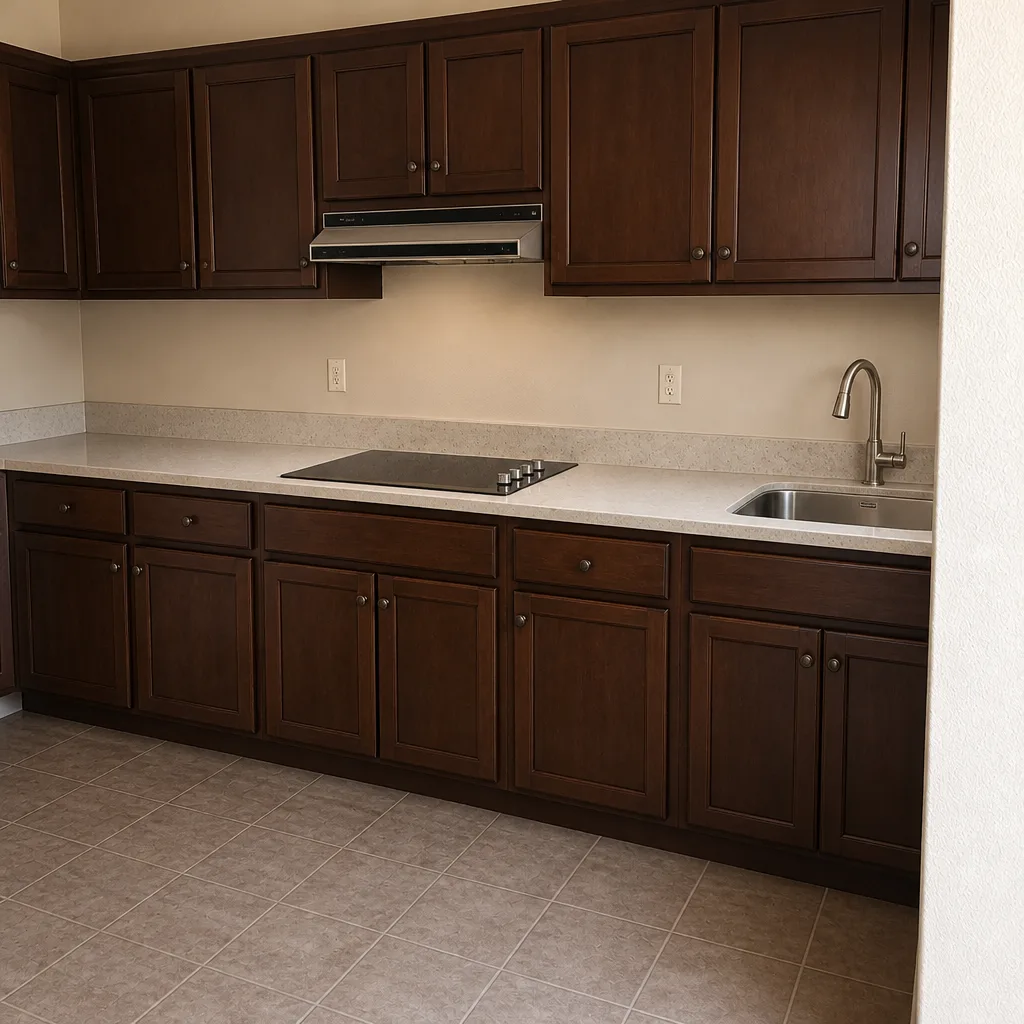
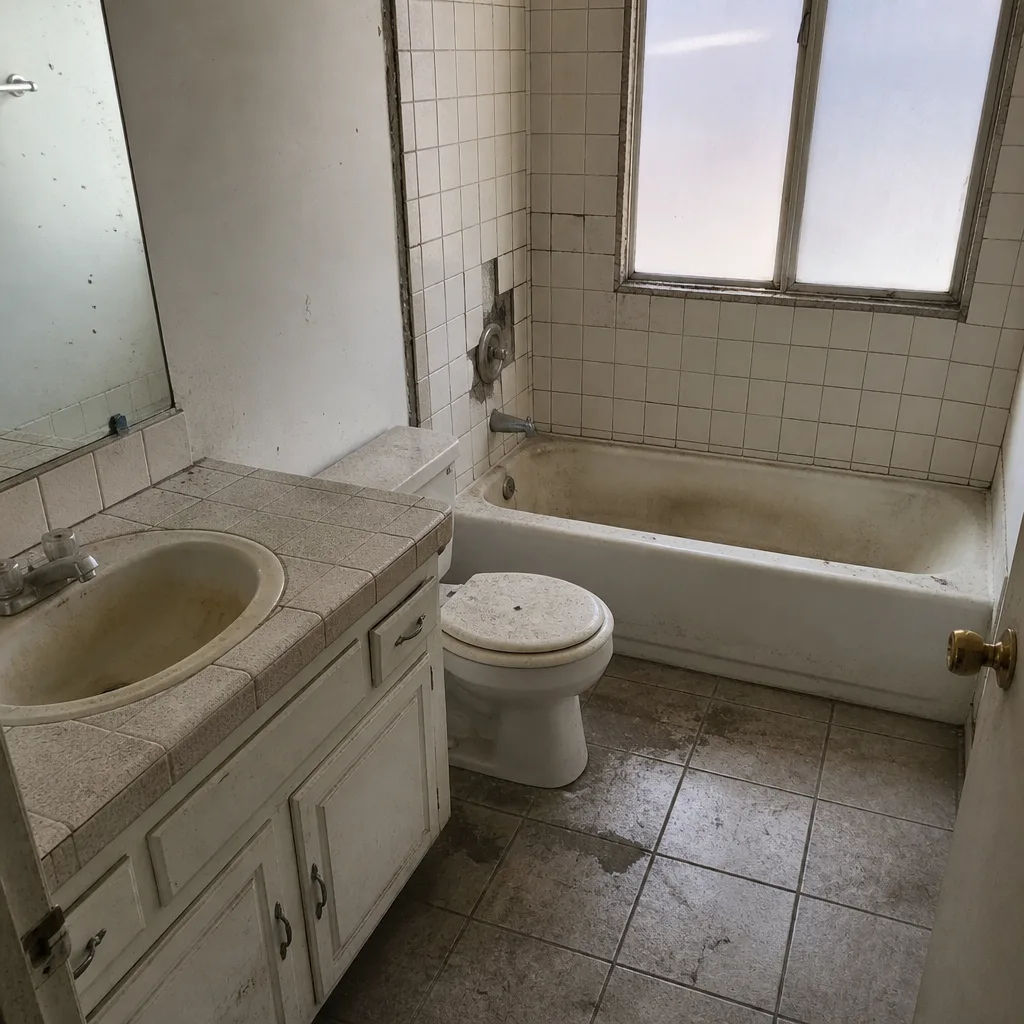
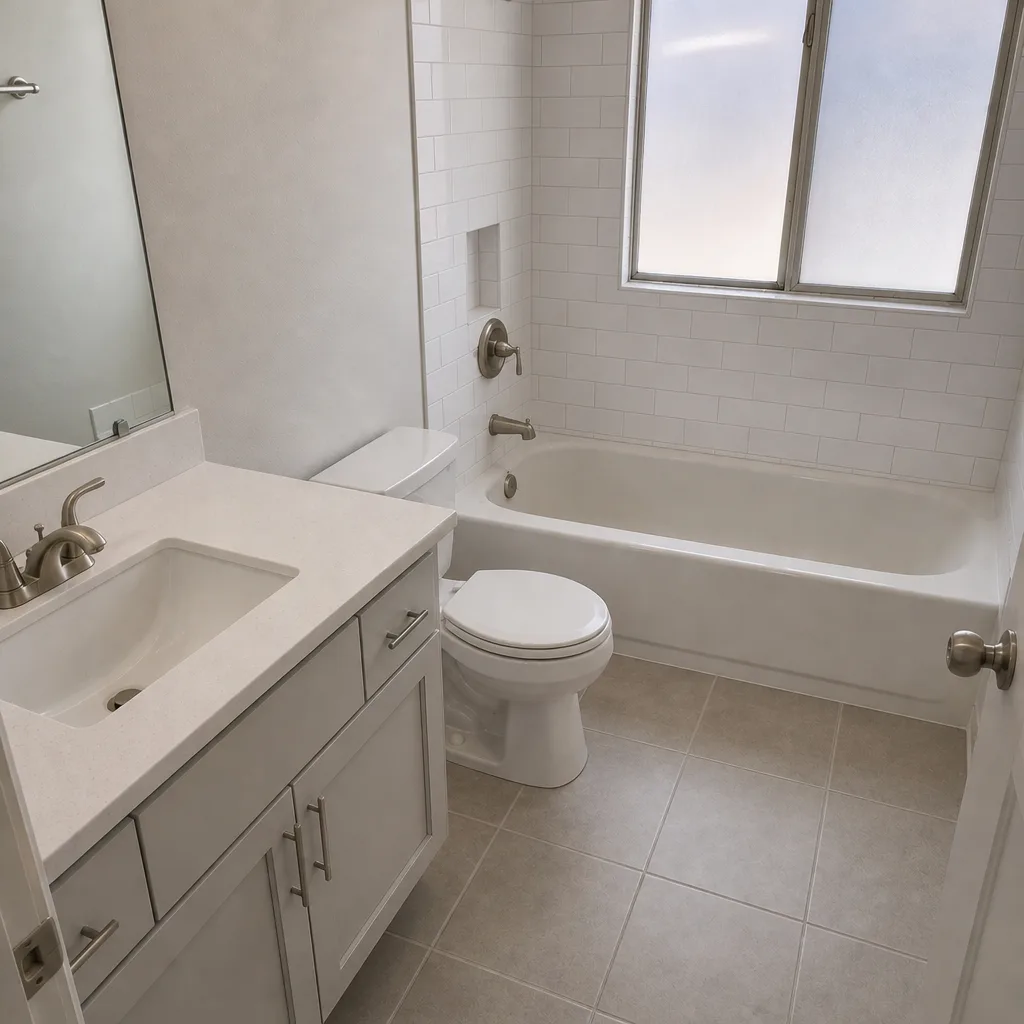
See the difference
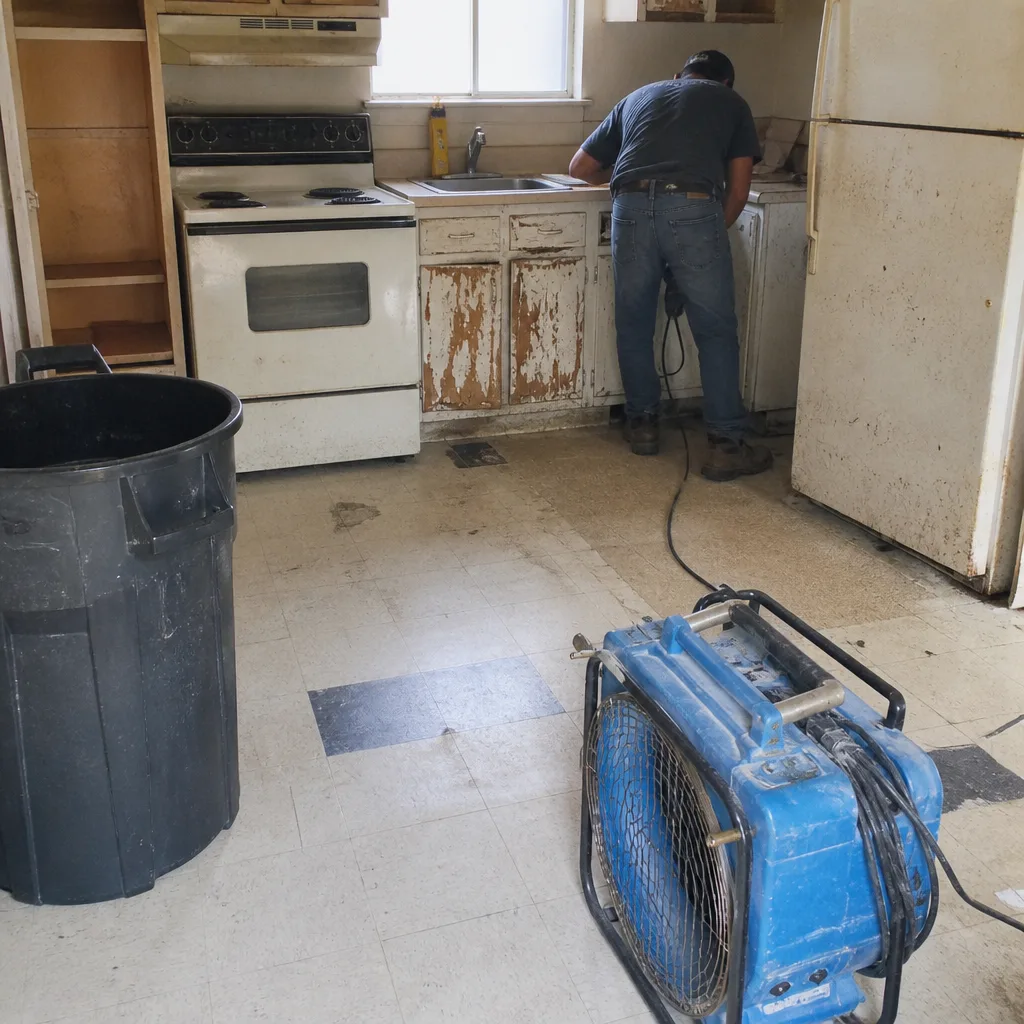 Before
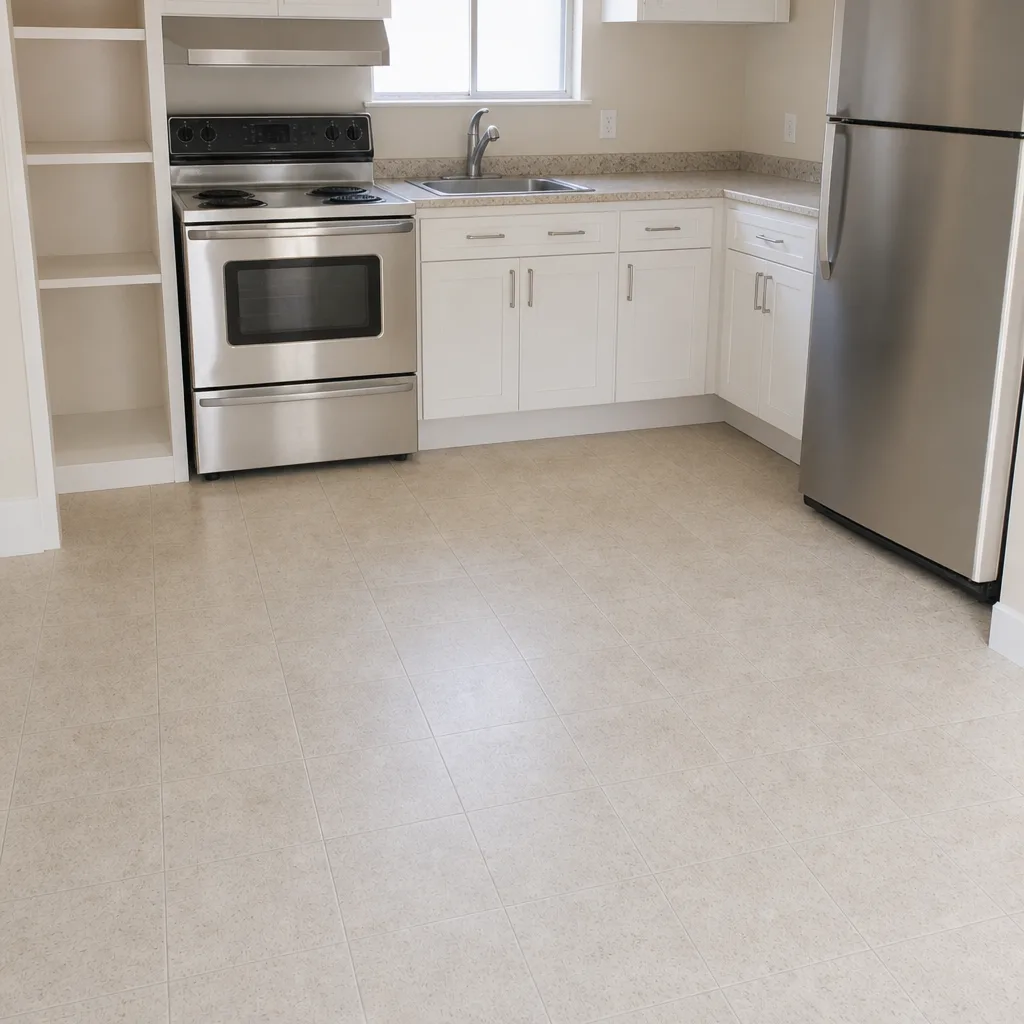 After
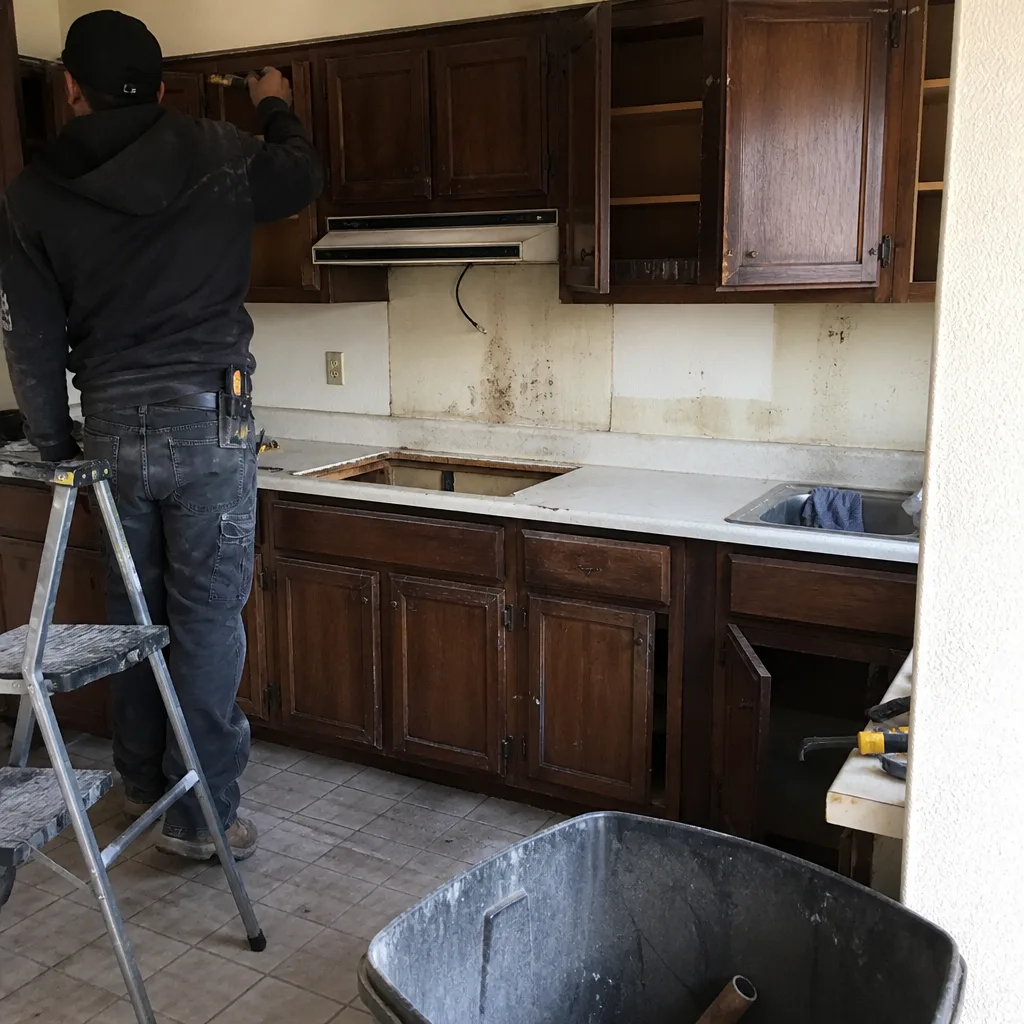 Before
 After
 Before
 After
Whitney-Specific Conditions That Expose Weak Contractors

Whitney’s conditions are unusually good at separating a disciplined contractor from one who’s improvising. The first is heat. Whitney sits in one of the hottest parts of Clark County, with summer temperatures that stress materials and speed up cure times. Tile that’s set in a garage with no ventilation, exterior caulk pushed on a 110-degree afternoon, GAF roofing installed over a poorly prepped substrate – each of these fails faster here than in a mild climate. A contractor who talks about schedule but not about heat management is a contractor who hasn’t thought past the bid.
The second is the pace of new construction. Whitney and the surrounding North Las Vegas valley see a lot of newer builds. Newer homes come with their own quirks: builder-grade materials reaching the end of their service life, tight lot drainage, and original permits you can find with a records request. When you hire a Whitney remodeler to redo a kitchen or bath, ask them to pull the previous permit history first. A contractor who shrugs at that request is a warning sign.
The third is water and grading. Monsoon-season runoff moves fast on newer streets, and a bathroom remodel or hardscape addition that ignores drainage is a problem waiting to show up at the baseboard. Our view is that a Whitney contractor should be able to talk to you about flash floods and sun exposure the way they talk about cabinets, because those conditions shape how the work holds up.
Common Mistakes to Avoid
- Paying more than 10% upfront “to lock in the schedule.” Schedule pressure is a sales tactic, not a reason to hand over cash before work exists. In Whitney, we’ve seen it lead directly to stalled jobs.
- Accepting “we’ll pull the permit later.” Later rarely comes, and the unpermitted work follows your property to resale. Get the permit pulled before demo.
- Ignoring a supplier lien notice. A lien can attach to your home even after you’ve paid. Verify payment to suppliers before the next draw goes out.
- Letting substitutions happen without a written change order. A different material or an unfamiliar crew is a contract change, and it needs your sign-off in writing.
- Relying on verbal promises about the guarantee. If the guarantee isn’t written into the contract, it isn’t a guarantee. Ask for the term and the coverage in writing.
- Not keeping a dated log. Homeowners who win disputes kept records from the first odd moment. Without contemporaneous notes, your claim gets harder to prove.
- Choosing a bid solely on price. The lowest number is where front-loaded deposits and permit shortcuts tend to hide. Compare the payment schedule and the written scope, not just the total.
If you’ve got a project in mind in Whitney, our General Contractor in Whitney team walks every scope through these checks before a written price is issued, and our Kitchen Remodeling in Whitney and Bathroom Remodeling in Whitney crews apply the same standard to the trades that matter most in this market.
When to Call a Professional
Call a professional when the warning signs you’re seeing suggest you may be legally exposed, not just inconvenienced. That means a deposit request over 10% at signing, a contractor suggesting a permit can be skipped, an unexplained material or crew substitution, or a supplier lien notice on your property. Each of these is a decision point where a second set of trained eyes can keep a small problem from becoming a property dispute. It also means calling when the work is genuine but out of your depth: rough-in electrical, gas lines, or structural framing changes should never be handled by anyone without the training and licensing to do it safely, and that includes a contractor who says they can “handle it on the side.” When you want a written price before any work starts and a crew whose qualifications you can verify before they walk through your door, call a professional. Bradford Remodeling Co Whitney offers free estimates in Whitney – call (833) 620-4908.
Frequently Asked Questions
10% or less is the standard schedule for a well-run Whitney project. A deposit above that is a warning sign that the contractor is relying on future projects to fund yours. Get the payment schedule in writing before work starts – Bradford Remodeling Co Whitney puts every price in writing before any work begins. Call (833) 620-4908 for a free estimate.
It means your general contractor hasn’t paid that supplier’s material bill, and the supplier is protecting their right to collect against your home. The money you paid in draws was supposed to cover those materials. Before releasing another draw, require proof of payment from your contractor, and don’t pay anyone twice. Call (833) 620-4908 to talk through your options.
No. Permitted work requires a permit in Whitney and across Clark County, and skipping it leaves you with unpermitted work that follows the property to resale. A contractor who suggests skipping the permit is creating liability you’ll carry. Bradford Remodeling Co Whitney pulls permits and hands you the signed-off record at close. Call (833) 620-4908 for a free estimate.
It covers the completed work for a full year. If a remodel or repair fails inside that window, we come back and correct it at no charge, and the guarantee is written into every project. It’s part of The Garrison Standard, which puts the scope and the guarantee in writing before a single tool comes out. Call (833) 620-4908 to schedule your free estimate.
Keep a dated daily log, put every change request in writing the same day, and photograph each phase before and after. Then use the termination and cure clause in your written contract. Contemporaneous records are what give you standing – Bradford Remodeling Co Whitney includes these terms in writing from the start. Call (833) 620-4908 if you need a second opinion on a project.
Heat and drainage stress everything here. Whitney’s summer temperatures push cure times and outdoor materials harder than a mild climate will, and monsoon-season runoff punishes poorly prepped substrates. A contractor who plans for heat and drainage builds work that holds, and the background-checked, uniformed technicians who arrive on a Bradford job are trained for these local conditions. Call (833) 620-4908 for a free estimate.
The Bottom Line

The warning signs that matter most in a Whitney remodel are quiet ones: an oversized upfront deposit, a permission to skip a permit, a silent material swap, a lien notice on the property. Each is a signal that a legitimate-looking contractor may not be squared away, and each is a decision point you can catch in writing if you keep a dated record and demand a written scope. The standard to hold every Whitney contractor to is simple – the price, the payment schedule, the permits, and the guarantee all in writing before work starts. If you want that in writing from the first call, our Bradford Remodeling Co Whitney home team is ready. Call (833) 620-4908 for a free estimate.
Written by the team at Bradford Remodeling Co Whitney.