Last updated November 18, 2026



Free written scope consultation - allowances, timeline, and change-order rules on paper before a single trade is scheduled
DIY vs Professional Home Remodeling: What’s Safe to Do Yourself
In Nevada, a homeowner can legally do their own electrical work. But if you sell the house within a certain window and the buyer’s inspector flags it, you can be held liable for the full remediation cost after closing. That single fact reframes the whole DIY question. It isn’t really about whether you’re handy enough to hang drywall or swap a faucet. It’s about permits, liability, and what your insurance company does when a claim traces back to unpermitted work. This guide draws the line using Nevada’s actual licensing law, real permit categories, and the numbers behind when licensed labor pays for itself. We’re writing it from Whitney, where we’ve watched both clean DIY jobs and costly shortcuts go through the wringer.
Quick Answer
Safe DIY work in Nevada is cosmetic and non-structural: painting, cabinet hardware, flooring over an existing subfloor, swapping a like-for-like faucet or light fixture, and similar surface-level tasks. Anything that touches structural framing, gas lines, electrical panels, plumbing rough-in, or requires a building permit is a job for a licensed professional, because the liability and insurance exposure usually outweigh the labor savings. The dividing line isn’t whether you can physically do the work. It’s whether the work needs a permit and whether your insurer will stand behind it if something fails.
Styles & brands we work with
- Kitchen remodeling
- Bathroom remodeling
- Home additions & ADU
- Roofing
- Windows & doors
- Driveway & pavers
- Fence
Table of Contents
- What Nevada Law Actually Says About Homeowner Work
- Permit-Required vs. Permit-Exempt: Real Examples
- The Insurance Gap Nobody Warns You About
- Five Categories Where Licensed Labor Pays for Itself
- How to DIY Part of a Project Without Breaking the Contract
- What’s Different About Remodeling in Whitney
- Common Mistakes to Avoid
- When to Call a Professional
What Nevada Law Actually Says About Homeowner Work
Nevada lets you work on the home you live in without holding a contractor’s license. That’s the law, and it’s broader than most homeowners expect. You can pull certain permits as the owner-builder, do the work yourself, and never need a state contractor license to do it. But “legal” and “safe to do” are two different questions, and most DIY guides hand-wave the second one.
Here’s the part that matters. When you sell, you’re required to disclose known defects and unpermitted work in most transactions. A buyer’s inspector who finds a finished basement bedroom with no permit, or a bathroom addition that doesn’t match the county record, can trigger a renegotiation or walk the deal entirely. In a hot Whitney market that might have felt like a minor risk a few years ago, it’s now a real line item on the closing statement.
The legal distinction we draw for homeowners comes down to three things:
- Owner-builder permits: allowed for your primary residence, but the homeowner carries all the liability for inspection failures and code compliance.
- Licensed contractor requirement: kicks in when the work involves regulated trades at certain thresholds, or when you’re doing work for compensation on a property you don’t live in.
- Disclosure obligation: follows you through the sale, regardless of who did the work originally.
So yes, you can legally rewire a bedroom in your own Whitney home. You can also legally take on the liability that comes with it. The two facts travel together.
Permit-Required vs. Permit-Exempt: Real Examples
Vague advice like “structural vs. cosmetic” is useless when you’re standing in a hardware aisle trying to figure out if your project triggers a permit. Here’s the concrete version, using trade-standard categories.
Usually permit-exempt
- Interior paint and trim
- Cabinet refacing, new hardware, and pulls
- Replacing a like-for-like faucet, showerhead, or toilet (same location, same rough-in)
- Swapping a light fixture on an existing circuit
- Flooring installation over an existing subfloor (LVP, tile over approved substrate, hardwood)
- Replacing a dishwasher or washing machine (existing hookups)
- Minor drywall patching and texture
Usually permit-required
- Any new electrical circuit, outlet, or panel work
- Plumbing relocation, new rough-in, or gas line work
- Removing or modifying a load-bearing wall
- Adding square footage, a bathroom, or an ADU
- Window or door changes that alter the rough opening or egress
- Water heater replacement
- New deck construction over a certain height or attached to the house
- Roof replacement (structural sheathing or full tear-off)
The pattern is straightforward: if the work touches the building’s systems or structure, or changes the footprint, you’re pulling a permit. If it sits on top of what’s already there and meets the same dimensions, you’re probably not. When a Whitney homeowner calls us unsure, the answer is almost always “pull the permit.” Unpermitted work we’ve been called in to fix costs two to three times what doing it right the first time would have.
The Insurance Gap Nobody Warns You About
Here’s the scenario most homeowners never think about until it’s too late. Your washing machine floods the laundry room because a DIY supply line install used the wrong fitting. You file a claim. The adjuster asks who did the plumbing. If the answer traces back to unpermitted or unlicensed work, the claim can be reduced or denied entirely. Same story for a water heater that was installed without a permit and fails, or a bathroom receptacle that was wired to code by a homeowner and then causes a fire.
Homeowners insurance is written to cover sudden and accidental damage. It is not written to cover the consequences of unpermitted work. Two places we’ve seen this bite people in Whitney:
- Water damage claims: if the adjuster can trace the leak to a DIY plumbing modification, the claim is disputed.
- Fire claims: if the origin is traced to unpermitted electrical work, most policies have a compliance clause the insurer will lean on.
This doesn’t mean you can’t do any DIY. It means the DIY you do should be capable of passing a straight inspection, with documentation, so your insurer has no reason to push back. When a claim is on the table, the burden of proof is on the homeowner. A permit and an inspection record is that proof.
Five Categories Where Licensed Labor Pays for Itself
“Licensed labor pays for itself” is a claim most contractors make in the abstract. Here’s where the math actually holds, with rough ranges you’ll see in the Whitney market.
- Electrical panel work and new circuits. A panel upgrade runs $2,200 to $3,800 for labor and materials. An unpermitted panel that fails inspection at resale can cost $5,000 to $8,000 to bring up to code after the fact. The math is not close.
- Plumbing rough-in and relocations. Moving a sink or toilet under a cabinet costs $400 to $900 per fixture labor. A hidden leak from an improper joint typically does $6,000 to $15,000 in damage before it’s discovered, plus remediation.
- Water heater replacement. Labor lands around $400 to $700 for a standard replacement. A permit-less install that voids the manufacturer warranty can leave you eating the full $1,200 to $2,400 on a premature failure.
- Load-bearing wall removal. An engineer-specified beam and licensed labor runs $4,000 to $9,000 installed. A sagging header discovered afterward is a structural repair that can top $20,000 and often isn’t covered by insurance on unpermitted work.
- Roof replacement and flashing. Licensed roofer crews run $8,000 to $18,000 for a typical Whitney home. A DIY roof with improper flashing tends to fail within three years, and the resulting interior water damage frequently runs above the cost of the original roof.
Those numbers matter because they change the conversation. It’s not “hire a pro or save money.” It’s “hire a pro or take on a risk with a defined dollar figure attached.”
How to DIY Part of a Project Without Breaking the Contract
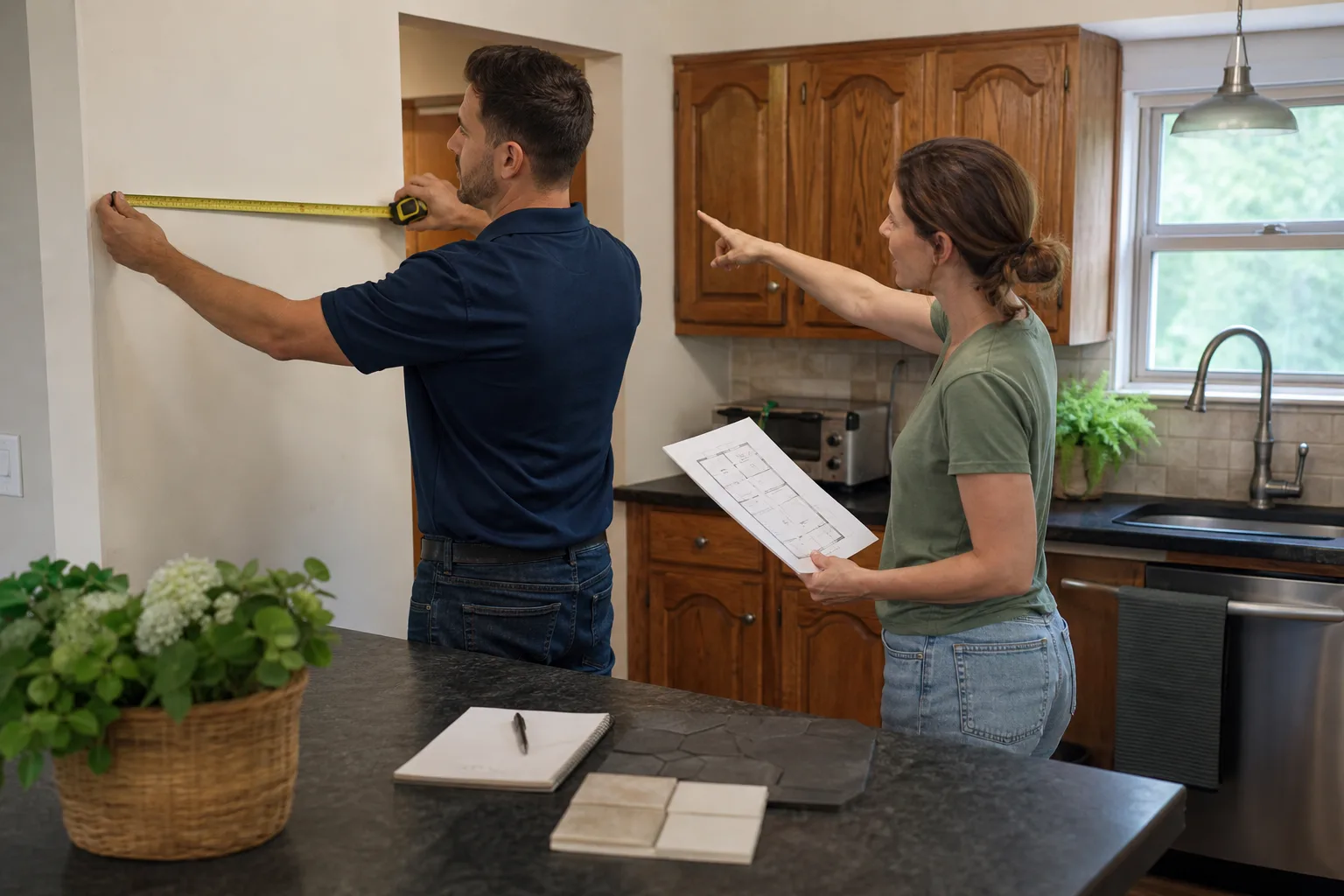
Plenty of homeowners want to do part of the work themselves and hire out the rest. That’s fine, but the contract has to be written clearly so the parts don’t collide. When we write a Whitney remodel scope that includes homeowner scope, here’s how the split goes on paper:
- Define the boundary in writing. Not “homeowner does demo” but “homeowner removes non-structural drywall in kitchen to studs before [date], contractor assumes site on [date].” Vague scope is where disputes come from.
- Confirm what the homeowner’s work triggers. If your demo touches anything electrical or plumbing inside the wall, we’re pulling that permit, not you.
- State who holds which permit. Two permits on one job is normal for a partial scope. Whichever trade triggers the permit should be the one who pulls it.
- Document the warranty boundary. Our 365-Day Done Right Promise covers the work we perform. Work a homeowner provides is excluded, and the contract should say so plainly, not bury it.
- Get site readiness in writing before the crew arrives. If the homeowner’s scope isn’t complete on the agreed date, that’s a schedule change, and both sides need to sign off on it.
When a homeowner wants to handle cabinet painting or flooring while we do the kitchen, we’ll put that split in a written scope. It’s the only version that protects both sides. You can read more about how that works on our Kitchen Remodeling in Whitney page.
What’s Different About Remodeling in Whitney
Whitney sits in the eastern Las Vegas Valley, which shapes what DIY work is realistic. Three things matter for homeowners here:
Heat and drying time. Summer temps push 110°F, and any moisture-related DIY (tile adhesive, drywall mud, paint) behaves differently than the box instructions expect. We’ve seen homeowners lay thinset in July and have it skin over before the tile is set. Work early, work inside, and give yourself more time than the label says.
Slab-on-grade construction. Most Whitney homes are built on slab, not crawl space. That means plumbing relocations require cutting concrete and pulling a permit. It’s not a DIY-friendly scope, and it’s the single most common project we get called in to fix after a homeowner started it.
HVAC and dust. Renovation season in Whitney runs fall through spring for a reason. If you’re doing any dust-generating DIY in summer, seal your HVAC returns first. We’ve seen a $600 DIY project turn into a $2,800 air handler cleaning because nobody covered the returns.
If you’re curious how that plays out in a full scope, our page on Bathroom Remodeling in Whitney covers what to expect when the project goes past the DIY line.
Common Mistakes to Avoid
- Assuming legal means safe. Nevada lets you do a lot of your own work without a license. That doesn’t mean your insurer will cover the consequences. Check the policy before you swing a hammer.
- Skipping the permit to save money. The permit fee for a Whitney bathroom remodel is typically a few hundred dollars. The cost to legalize it at resale when a buyer’s inspector flags it is thousands, and the deal often stalls entirely.
- Reading YouTube videos as if they were written for a slab house. Half the how-to content online assumes a crawl space and temperate climate. Neither applies to a Whitney slab home in July.
- Mixing DIY and licensed scope without a written boundary. If your demo overlaps the electrician’s scope and the electrician shows up to find exposed wires, you’re paying for a return visit.
- Forgetting that warranties track to the installer. The Kohler or Moen warranty on the fixture is fine. The labor warranty on the install lives with whoever put it in. If that’s you, there’s no one to call.
- Underestimating drying time in Whitney heat. Thinset, grout, and paint all cure differently here. Following the label literally is how tiles pop three months later.
- Doing disposal work without confirming what the disposal actually takes. Whitney’s waste haulers have specific rules on construction debris. A pile of drywall and tile set out at the curb usually gets left behind and comes back as a citation.
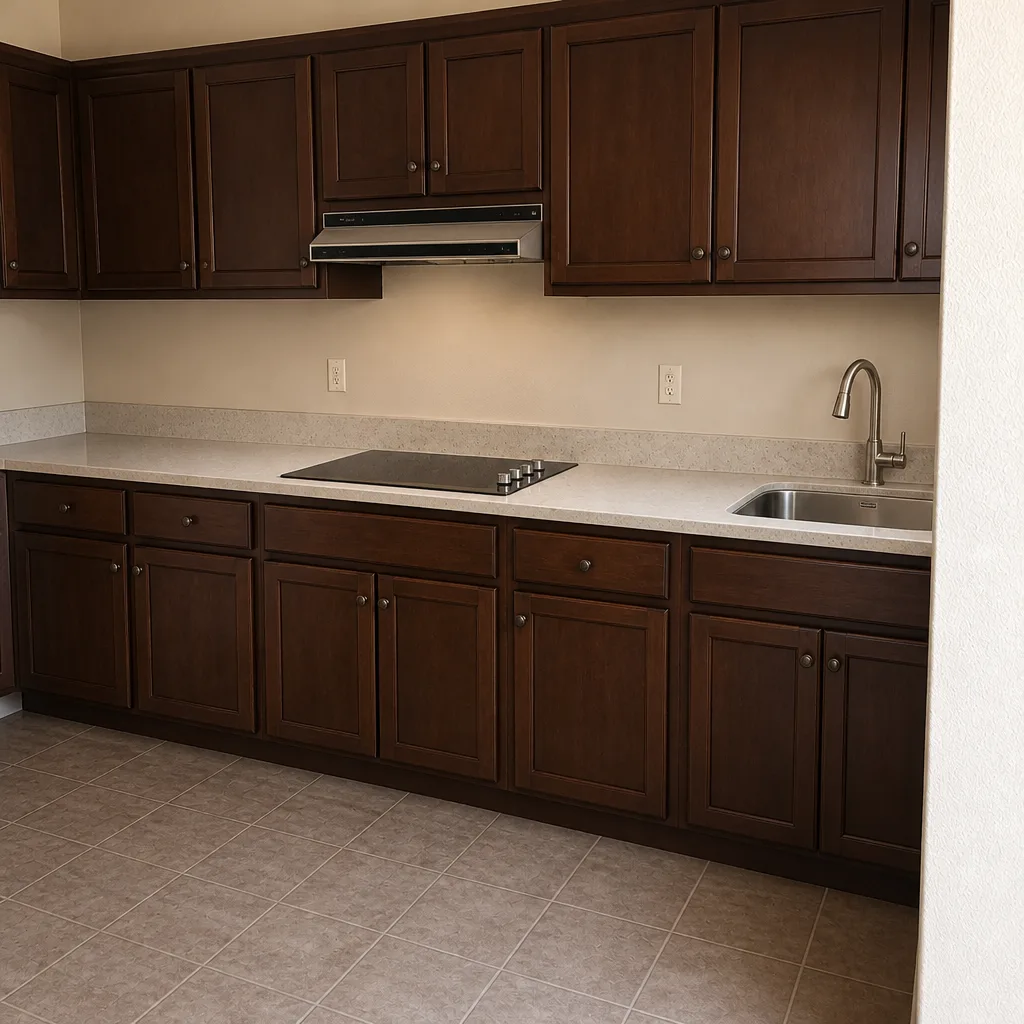
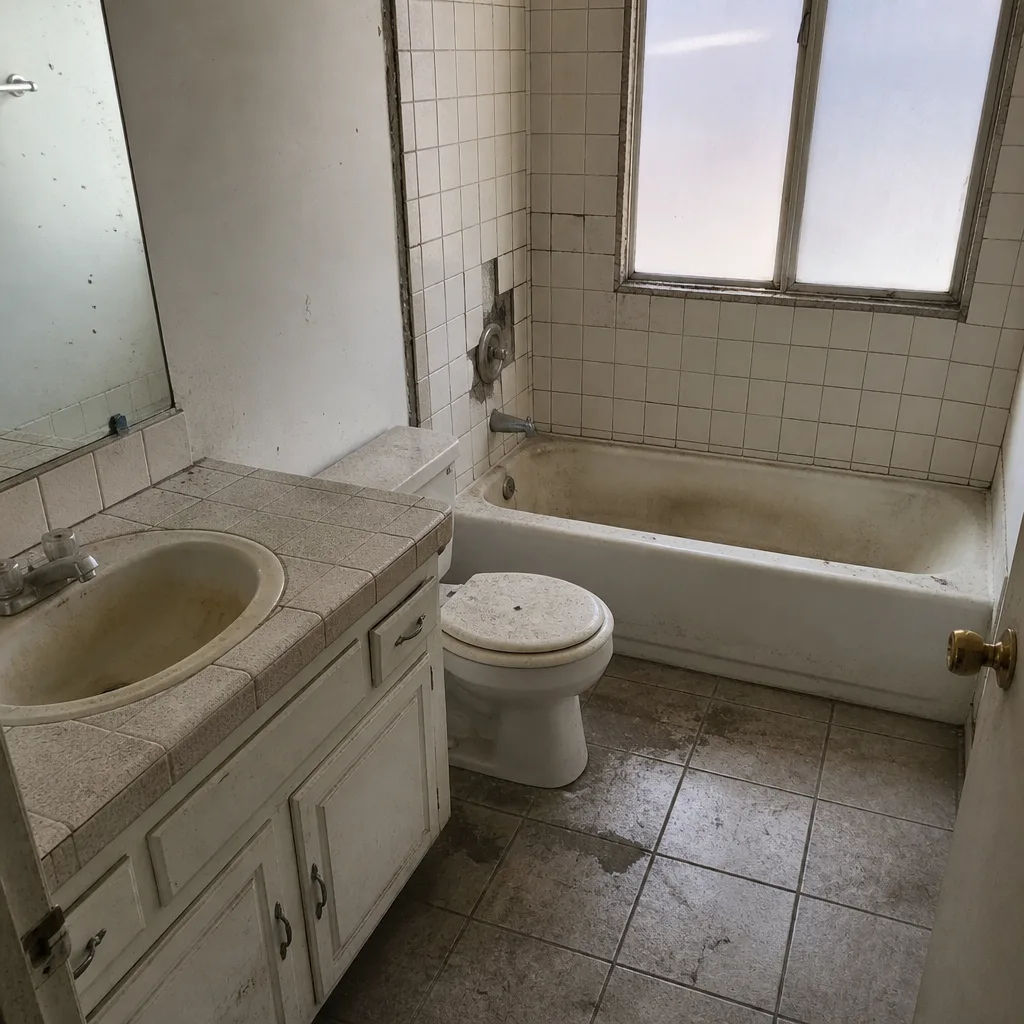
See the difference
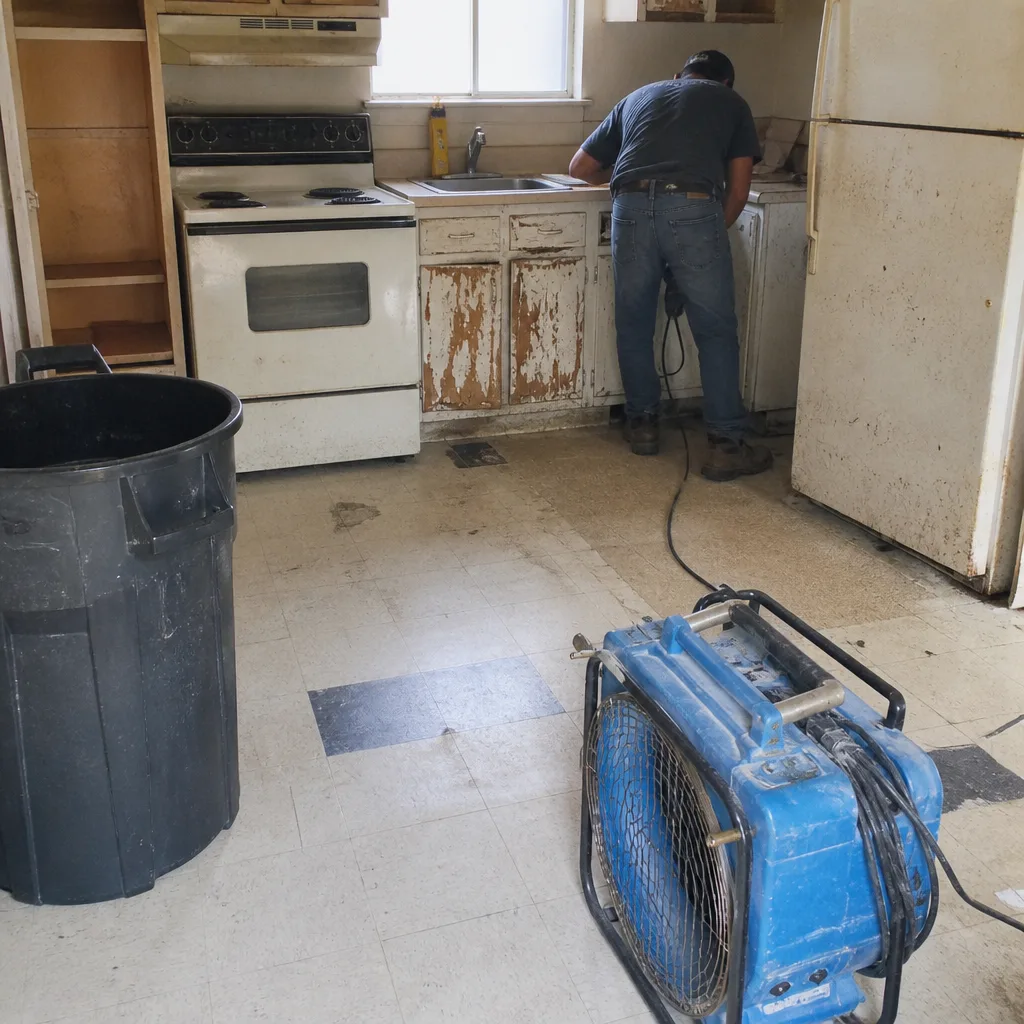 Before
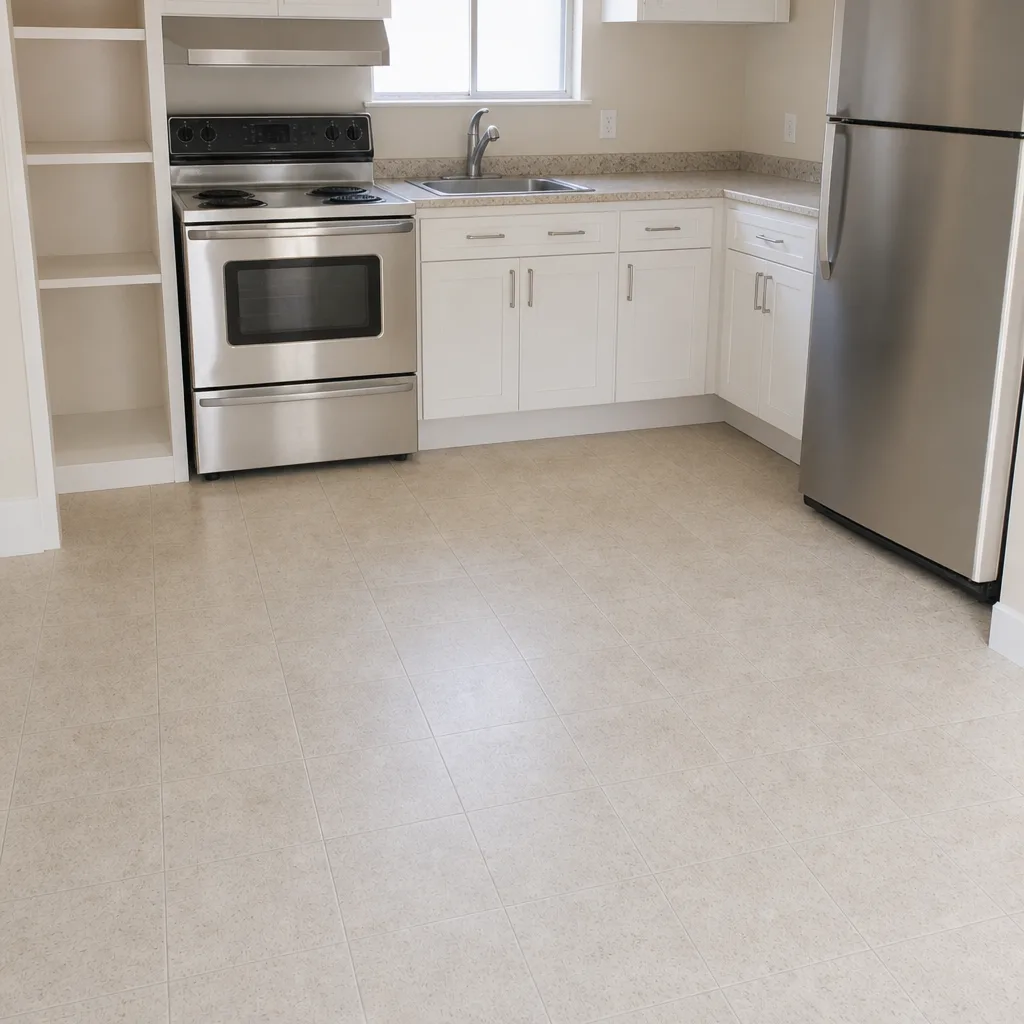 After
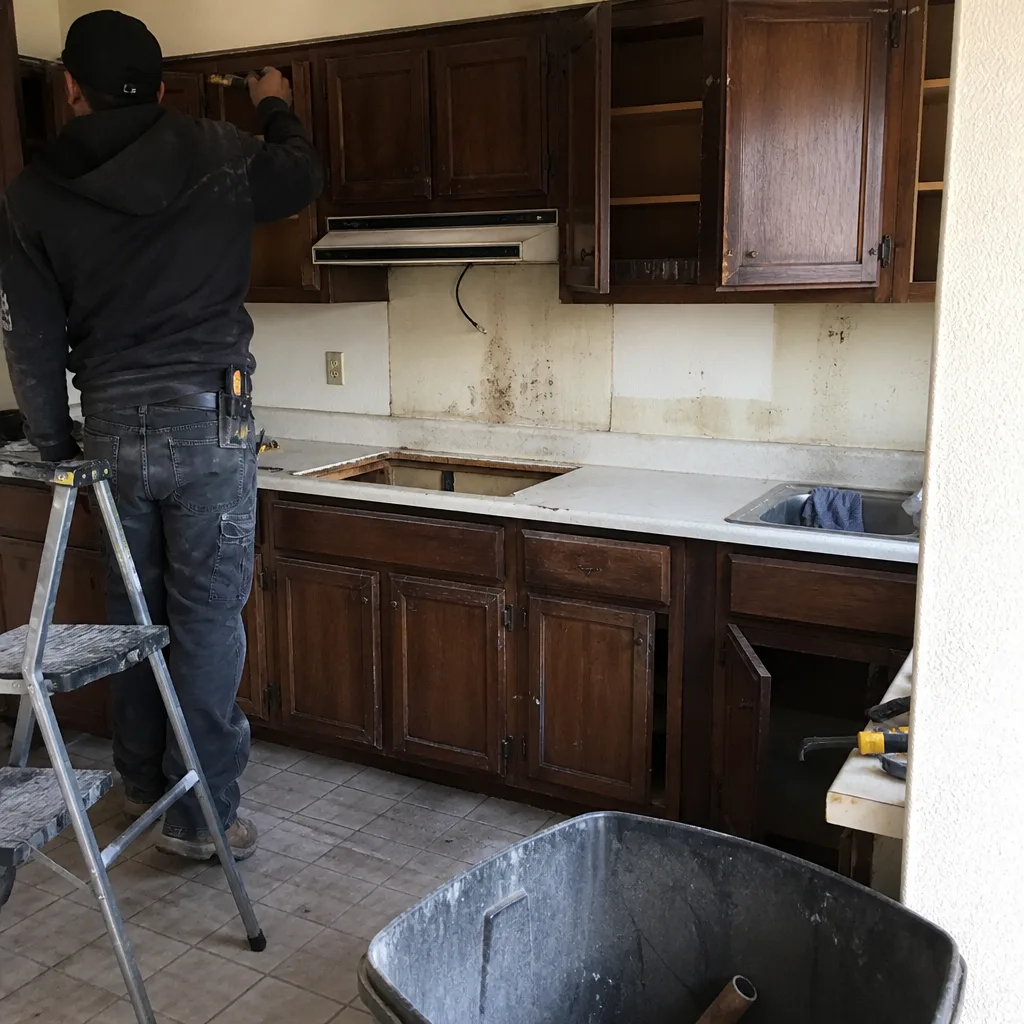 Before
 After
 Before
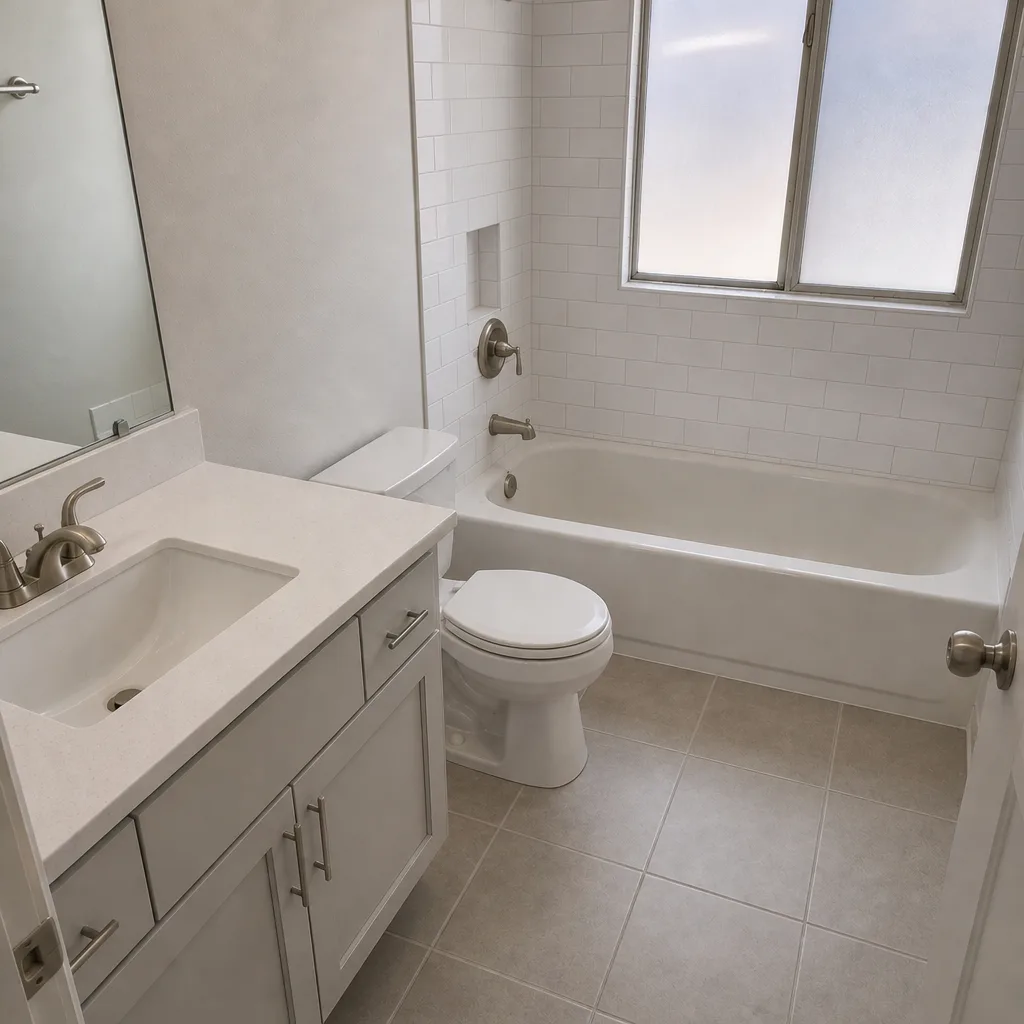 After
When to Call a Professional

Call a professional the moment your project touches any of the following: the electrical panel or a new circuit, plumbing rough-in or any fixture relocation, gas lines, structural framing or wall removal, roof sheathing or flashing, or anything that requires a permit to be legal at resale. Call us sooner if you’ve already started and hit something you didn’t expect: a wall that isn’t where the plans say, a hidden leak, or a hot wire you didn’t know was live. Bradford Remodeling Co Whitney offers free estimates in Whitney, and we walk every scope before a price is written. There are no surprise numbers once the job starts. Call (833) 620-4908 to schedule your free estimate.
Frequently Asked Questions
Yes, if it’s your primary residence and you pull the owner-builder permit. But you carry the full liability for inspection failures and code compliance, and your homeowner’s insurance may dispute a future claim if the work fails. For anything beyond swapping a like-for-like fixture, we recommend a licensed electrician. Call (833) 620-4908 for a free estimate on the scope.
Yes, usually. Unpermitted work has to be disclosed in Nevada transactions, and a buyer’s inspector who flags it can trigger a renegotiation, a request for remediation, or a walk. The cost to legalize unpermitted work typically runs two to three times the original permit cost. If you’re planning to sell within five years, pull the permit.
A Whitney bathroom remodel typically runs $12,000 to $28,000, with the permit and inspection line item at $250 to $600 of that. Mid-range fixtures from Moen or Kohler sit in that range without pushing the ceiling. Call (833) 620-4908 for a written, line-item estimate with the permit cost included.
Often not, if the damage traces back to unpermitted or unlicensed work. Most policies have a compliance clause the insurer will use to dispute or deny a claim in that situation. Before taking on a job that touches electrical, plumbing, or structure, confirm with your carrier what the policy actually covers.
Painting, cabinet hardware, like-for-like fixture swaps, flooring over existing subfloor, and drywall patching are all safe DIY scopes. Anything touching structure, plumbing rough-in, new electrical, or the building envelope is not. The dividing line is permits and insurance, not skill.
Not with a Bradford project. We give a written price before any work begins, and that’s the price. Every completed project is covered by our 365-Day Done Right Promise: if the work doesn’t hold inside that window, we return and correct it at no charge. Call (833) 620-4908 for your estimate.
The Bottom Line
The real DIY line isn’t your skill. It’s permit exposure and insurance liability. Nevada gives homeowners wide latitude to work on their own home, but the resale and claim consequences land on you even years later. Paint, hardware, like-for-like swaps, and flooring are safe scopes. Panels, plumbing rough-in, structural work, and anything that requires a permit go to a licensed pro, and in Whitney’s slab-on-grade homes, that line arrives sooner than most DIY guides admit. If you’re unsure where a project falls, a free estimate settles it without any obligation. Our technicians have up to 22 years of experience across both trades and full remodels, and every scope we write gets a price in writing before we pick up a tool. Bradford Remodeling Co Whitney is a member of the Garrison Partners family, independently owned and operated, and every project closed out under The Garrison Standard ends the same way: clean site, documented scope, signed written guarantee in the homeowner’s hand. Call (833) 620-4908 for a free estimate, and we’ll walk the scope with you. Looking for the full-service picture? Start with Bradford Remodeling Co Whitney home, or reach our General Contractor in Whitney team directly.
Written by the team at Bradford Remodeling Co Whitney.