
Last updated November 18, 2026








Free written scope consultation - allowances, timeline, and change-order rules on paper before a single trade is scheduled
Bathroom Remodeling Maintenance Schedule: What to Do and When
Silicone caulk at a tub surround has a functional lifespan of three to five years, no matter whose name is on the tube. That single fact rearranges how most homeowners think about a remodel. The tile, the waterproofing membrane, and the fixture cartridges all sit behind or under a bead of caulk that quietly expires. When it does, water finds the gap and the assembly you paid for starts to fail from the inside out. A new bathroom isn’t maintenance-free; it’s maintenance-defined. This guide lays out a year-one, year-three, and year-five schedule tied to the exact materials installed in a Whitney bathroom, along with the inspection habits that keep waterproofing, fixtures, and manufacturer warranties intact.
Quick Answer
A remodeled bathroom needs a defined maintenance cycle: reseal grout every 12 to 24 months depending on grout type and traffic, inspect and replace silicone caulk every three to five years, clean the exhaust fan every six months, and run a monthly moisture check on the shower pan and tub surround. Miss these intervals and you shorten the life of the waterproofing system and can void fixture and tile warranties. Every task below takes under an hour and is documented so you have a record if a warranty claim ever comes up.
Styles & brands we work with
- Kitchen remodeling
- Bathroom remodeling
- Home additions & ADU
- Roofing
- Windows & doors
- Driveway & pavers
- Fence
Table of Contents
- Why a Remodeled Bathroom Still Needs a Schedule
- Year One: The First Twelve Months After a Whitney Remodel
- Grout Sealing: What “Sealed at Installation” Actually Means
- Caulk Inspection and Replacement: The 3-5 Year Clock
- Exhaust Fan Maintenance: CFM, Filters, and Mold
- The Homeowner’s Moisture Inspection Protocol
- Which Tasks Protect Your Warranty (and How to Document Them)
- Year Three and Year Five: The Deeper Checklist
Why a Remodeled Bathroom Still Needs a Schedule
A bathroom is the wettest room in the house, and every material in it was chosen to handle moisture for a defined period, not forever. Cementitious grout is porous by nature. Silicone sealant is flexible but degrades under repeated wet-dry cycles and alkaline cleaners. A fan motor loses airflow as dust collects on the blades. None of this is a defect; it’s the design envelope, and the schedule is how you stay inside it. When we hand over a finished bathroom in Whitney, part of what the homeowner receives is a clear picture of what needs attention and when, because the alternative is discovering a slow leak six years later when the subfloor has already gone soft.
There’s a warranty dimension too, and it’s where most homeowners get caught. Tile manufacturers, fixture makers like Kohler and Moen, and waterproofing membrane systems all publish maintenance requirements. Fail to seal grout on the recommended interval or leave caulk gaps unaddressed, and a manufacturer can point to that lapse when a claim lands on their desk. The 365-Day Done Right Promise from Bradford covers workmanship for a full year and we return at no charge if the work itself fails in that window, but it doesn’t extend to skipped maintenance any more than a car warranty covers an oil change you never did. The schedule protects both the bathroom and the paper trail behind it.
Whitney’s climate plays a role. The desert air is dry enough that many homeowners assume moisture simply evaporates and there’s nothing to worry about. In practice, that dry air pulls water into grout and caulk lines faster during the wet seasons and then the summer heat bakes those materials. The expansion and contraction cycle is real, and it’s one reason caulk in Whitney bathrooms deserves the same vigilance as anywhere else, if not more.
Year One: The First Twelve Months After a Whitney Remodel
The first year is when you learn your bathroom’s habits. Water finds the low spots, caulk at a new tub surround settles into its final position, and the fan shows you whether it moves enough air for the room’s square footage. During this window the work itself is still under the 365-Day Done Right Promise, so anything that looks like a workmanship failure gets a free return visit. But watch carefully, because a homeowner’s careful notes in year one often catch the problem while it’s still small.
- Month 1: Do a slow visual pass along every caulk joint at the tub, shower, and sink. Look for gaps, peeling edges, or caulk that has pulled away from tile. Note anything suspicious with a date.
- Month 3: Check the exhaust fan’s airflow by holding a tissue to the grille; it should pull the tissue flat within a few seconds. If it can’t, the fan may be undersized for the room or the ductwork is restricted.
- Month 6: Clean the fan grille and vacuum dust from the blades (with power off, and follow the manufacturer’s instructions). Wipe down the shower pan and tub surround and check for soft spots, discoloration, or musty smells.
- Month 9: Recheck grout lines in the shower floor and around the drain, where the traffic and water load are heaviest. Look for hairline cracks; these are the first sign the sealer is thinning.
- Month 12: Full inspection: caulk, grout, fan, and a moisture check behind the toilet base and around the shower corners. Photograph everything and file it with your remodel paperwork.
If you spot something that looks like a workmanship issue during year one, call us. Bradford answers the phone with a live person 24 hours a day, seven days a week, and a crew that knows the job can assess it. For the broader picture of what a new bathroom in Whitney involves from the start, the Bathroom Remodeling in Whitney page covers materials, timelines, and the written-price commitment behind every project.
Grout Sealing: What “Sealed at Installation” Actually Means
When we seal grout at installation, that seal is a starting point, not a lifetime coat. It penetrates the porous surface and buys you roughly 12 to 24 months of resistance, depending on the grout type and how hard the room gets used. Cementitious and epoxy grouts behave differently: epoxy is denser and less porous, so it holds up longer, while cementitious grout in a high-traffic family shower wants resealing sooner. A guest bathroom used a few times a week can stretch to the far end of the range; a shower serving four people daily sits at the near end.
What you use to clean matters as much as how often you seal. Harsh acidic cleaners eat sealer faster than anything else in the schedule, and the popular “grout brighteners” are often the worst offenders. Mild pH-neutral cleaner and a soft brush are all a sealed floor needs. Beyond that, an annual water-bead test tells you where you stand: drip a few drops of water on the grout and see whether they bead or soak in. Beading means the seal is holding; soaking in means it’s time to reseal.
- Cementitious grout, shower floor: reseal every 12 months if used daily, up to 18 months otherwise.
- Cementitious grout, walls and low-traffic floors: 18 to 24 months.
- Epoxy grout: often 3 to 5 years between reseals, and longer with mild cleaners.
- Any grout cracked, crumbling, or dark along edges: reseal immediately and watch for water getting behind the tile.
Resealing is a homeowner task if you’re careful and follow the sealer’s directions. A penetrating sealer goes on thin, cures, and needs the room well ventilated. But if you’re seeing repeated grout cracks near the drain or the shower convergences, that’s not a sealer problem; call a professional, because it can mean movement underneath the tile.
Caulk Inspection and Replacement: The 3-5 Year Clock
That hook at the top isn’t a scare tactic. Silicone caulk fails on a predictable clock whether the bathroom is a budget job or a premium one with Kohler fixtures and Cambria surfaces. The failure is hard to see while it’s happening, which is why the schedule puts a full inspection on the calendar rather than waiting for a homeowner to notice. The tub surround caulk line is the most vulnerable joint in the room because it sits where two materials with different expansion rates meet: the tile wall and the acrylic or cast-iron tub.
- Inspect every six months: run a fingertip along the caulk line. Anywhere it’s peeling, cracked, discolored, or soft is a candidate for replacement.
- Do the paper test at tub joints: press a dry paper towel into the joint and leave it a few minutes. A damp towel means water is getting behind the caulk.
- Remove failing caulk fully before redoing it: cut out the old bead with a proper caulk tool, clean the joint with the surface dry, and use a mold-resistant silicone rated for wet areas.
- Let it cure before the first shower: follow the product’s cure time precisely. Wetting fresh silicone is the fastest way to waste the work.
A caulk joint that’s pulling away from tile or tub with a visible gap behind it isn’t a caulk problem anymore. Water has likely been reaching the wall cavity or the substrate. At that point, stop and get a professional assessment rather than adding more sealant over the top.
Exhaust Fan Maintenance: CFM, Filters, and Mold
The exhaust fan fights the room’s moisture, and it can only win if it’s sized right and kept clear. The fan’s CFM rating (cubic feet per minute) needs to match the bathroom’s square footage. A common rule in the trade is at least one CFM per square foot for smaller baths, with a lower ratio for larger ones; an undersized fan in a large Whitney bathroom leaves moisture sitting on tile surfaces long after a shower. That trapped humidity causes mold whether the waterproofing behind the tile is flawless or not, because mold grows on the surface where condensation lingers.
Cleaning is where homeowners fall behind. Dust and lint collect on the fan blades and grille and choke the airflow, which mimics an undersized fan. In a busy shower, that means cleaning the grille and blades every six months and checking for a clogged duct if airflow drops. If your fan has a removable filter, clean it on the same cadence. One more trap: some fans are set to a timer or a humidistat, and if the run time is too short, the fan never clears the room. Give it 20 to 30 minutes after a shower, or longer, to bring humidity down.
If a Whitney homeowner hears a rattle, a grinding noise, or finds the fan running hot, stop using it and get it serviced or replaced; a fan motor that’s failing can overheat. Beyond that, an undersized fan is worth replacing during any renovation, and it’s the kind of detail worth raising in a conversation about a full General Contractor in Whitney project before the walls close back up.
The Homeowner’s Moisture Inspection Protocol
Water damage in a bathroom rarely announces itself. It starts as a faint musty smell, a soft spot in the floor tile, or a stain on a ceiling below, and by the time those are obvious the repair is structural rather than cosmetic. This protocol is designed to catch early moisture before it gets that far. Run it monthly; it takes 10 minutes.
- Smell the room first. A persistent musty odor that isn’t fixed by running the fan means moisture is trapped somewhere.
- Press along the shower pan perimeter and tub surround edges. Soft, spongy, or slightly loose tile means water is likely behind it.
- Check the floor around the toilet base and the wall around the shower corners. Look for discoloration, bubbling caulk, or a slight bulge in the wallboard.
- Look below. If the bathroom is over a basement or second-floor room, check the ceiling beneath for stains or drips.
- Inspect the shower door and track. A leaking shower door sends water onto the floor at the threshold, which shows up as lifting tile or a soft spot by the doorway.
- Feel the exterior side of the shower wall if you can access it. Damp drywall on the far side is a strong sign water is on the move.
Any hit on that list is a call-a-professional moment, not a reseal-it-yourself moment. Early moisture caught in a shower pan or behind a tile wall is often a manageable repair; late moisture is demolition, and both are more expensive than the inspection that would have caught them.
Which Tasks Protect Your Warranty (and How to Document Them)
Maintenance records are the difference between a warranty claim that gets approved and one that gets pushed back. Manufacturer warranties on tile, waterproofing membranes, and fixtures like Moen and Kohler generally carry maintenance requirements, and a contractor’s workmanship guarantee is the same story. The 365-Day Done Right Promise from Bradford covers workmanship for one full year and corrects the work at no charge if it fails inside that window; that guarantee is written into the contract before work starts. What supports it is a homeowner who can show what was done and when.
- Keep a maintenance log: date, task, product used, and who did it. A photo with each entry is the strongest record.
- Save the invoices for sealers and caulk, with the product name and the manufacturer’s maintenance instructions.
- File the manufacturer paperwork for fixtures, tile, and the waterproofing system in the same folder as your written contract.
- Note any professional visit with a work order number and a description of what was corrected.
Documentation is less glamorous than the tile, but it’s what lets a manufacturer or a contractor confirm that a failure was a genuine defect rather than a missed maintenance interval. It also gives a crew a fast, clear picture of the bathroom’s condition when they get the call.
Year Three and Year Five: The Deeper Checklist
Year three is where the caulk clock reaches its first real replacement for most bathrooms, and year five is the threshold where the system-wide picture matters. Here’s how the schedule builds.
- Year two: repeat the year-one routine. The annual water-bead test tells you if grout needs resealing; the six-month caulk inspection catches early failures.
- Year three: plan to replace the caulk at the tub surround and shower joints. Confirm the grout’s resealing history and do a full moisture inspection.
- Year four: check the exhaust fan motor and ductwork for airflow; replace the fan if it’s undersized for the room.
- Year five: a professional inspection is worth the call. Have the shower pan and tub surround assessed for early moisture intrusion, and have the grout evaluated for resealing. At five years, a homeowner should know whether the waterproofing system is holding up under real use.
At year five, a home in Whitney that’s been maintained on this schedule is in a very different place than one that hasn’t. The caulk has been replaced on time, the grout has been resealed on schedule, and the fan has been cleaned. That’s the difference between a bathroom that lasts well past its materials’ advertised life and one that starts to leak behind a wall you can’t see. If a whole-home project is in your future, our home page lays out how we handle work across every room, and the Kitchen Remodeling in Whitney service describes the same documented approach applied to the other high-traffic room in the house.
Common Mistakes to Avoid
- Assuming “sealed at installation” means sealed forever. It buys you a 12 to 24 month head start, not a lifetime coat. In a shower that’s used daily, skip resealing and watch the grout give out first.
- Covering failing caulk instead of removing it. New silicone over old, failing silicone fails fast. Cut it out and do the joint right the first time.
- Using the wrong cleaner on sealed grout. Acidic bathroom cleaners eat through sealer and grout alike. A pH-neutral cleaner and a soft brush preserve the surface for years.
- Ignoring the exhaust fan. A fan choked with dust or undersized for the Whitney heat means moisture lingers on tile, and that’s mold whether the waterproofing is perfect or not.
- Treating a soft spot in the shower pan as a cosmetic issue. Spongy tile or a musty smell is early moisture intrusion and gets worse every shower. It’s the moment to call rather than the moment to reseal.
- Skipping maintenance records. Without a log of resealing and caulk replacement, a genuine manufacturer defect gets argued over instead of approved.
- Letting a small crack under the shower drain go. Cracks at the drain usually mean movement beneath the tile, and the repair grows with every week that passes.
See the difference
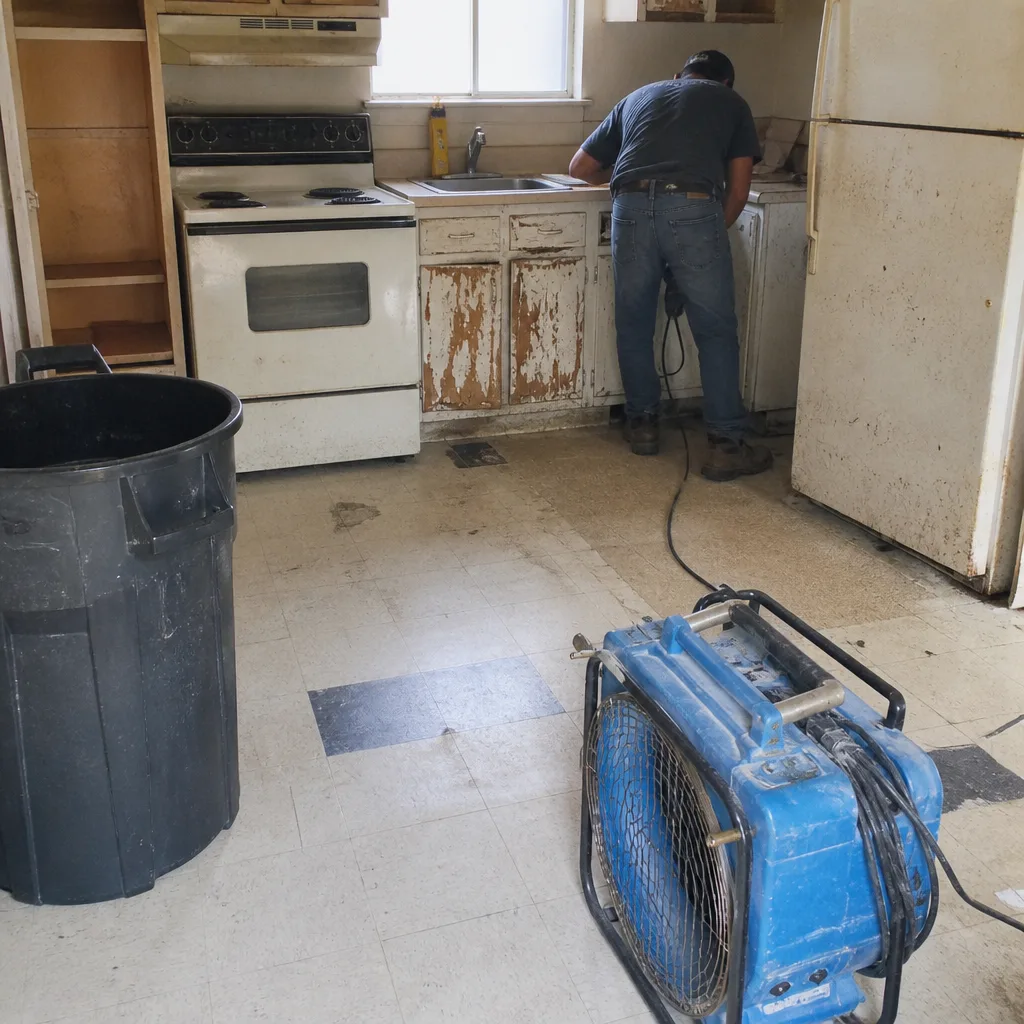 Before
 After
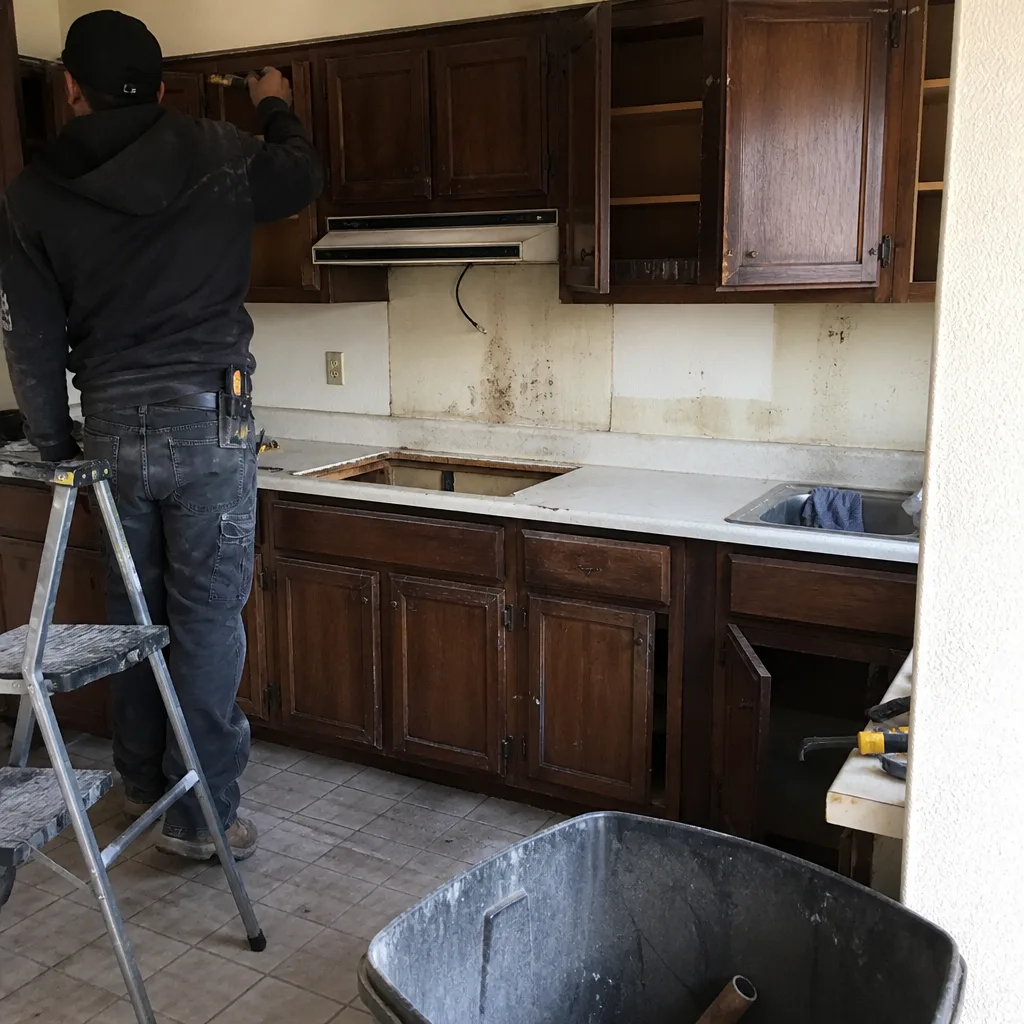 Before
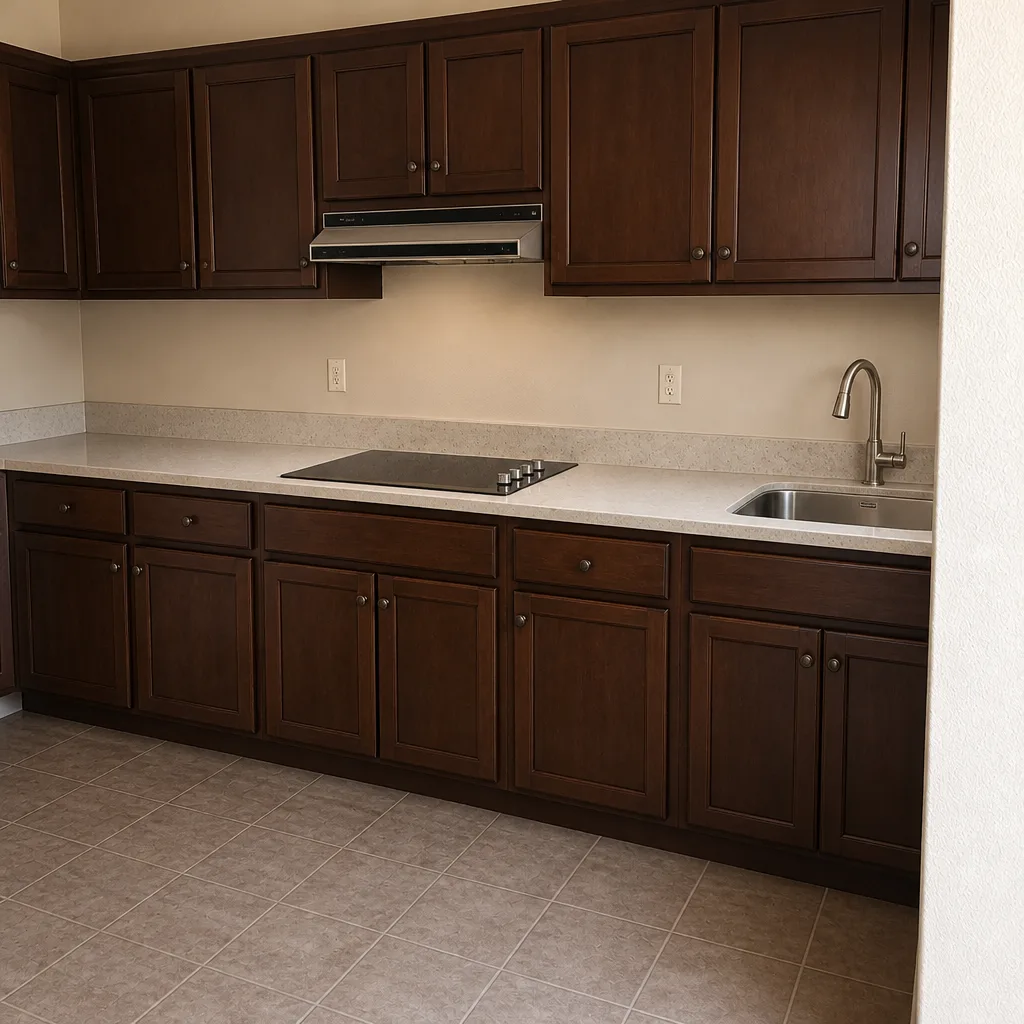 After
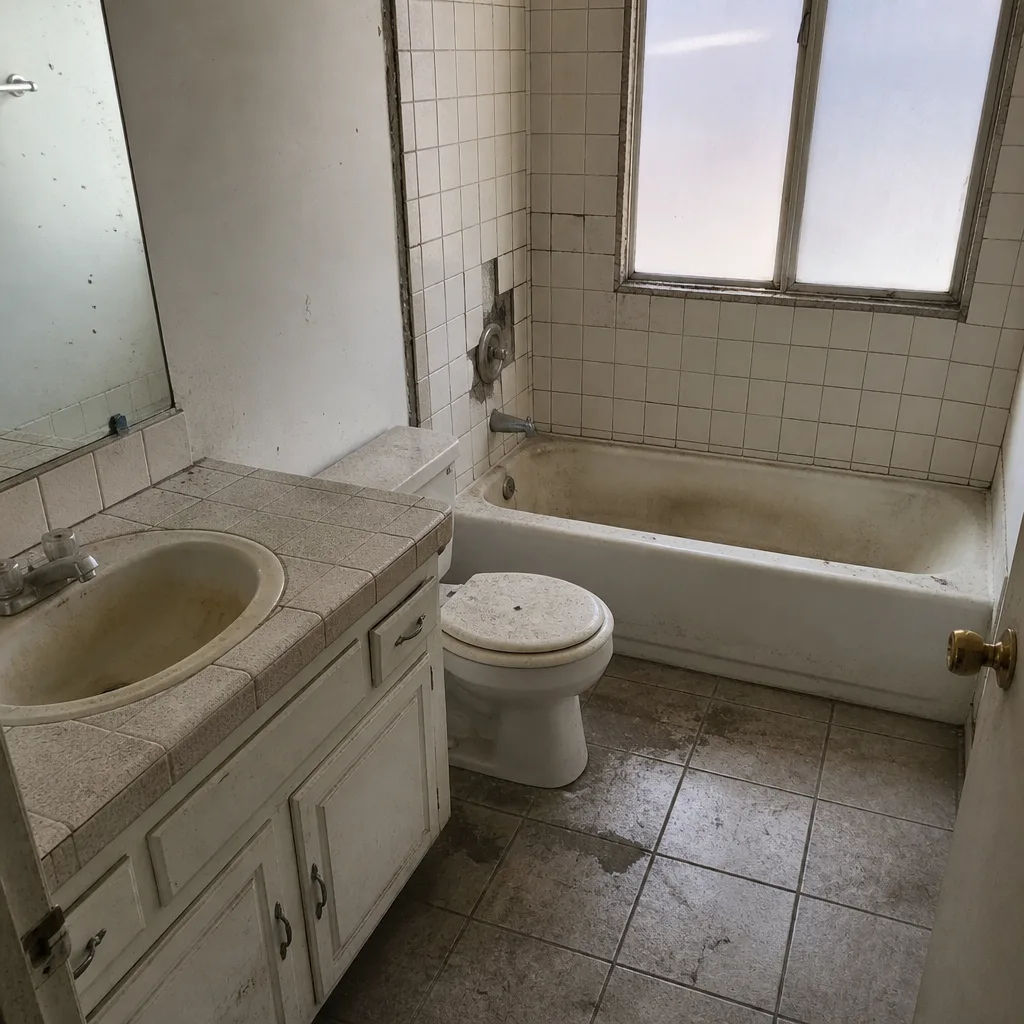 Before
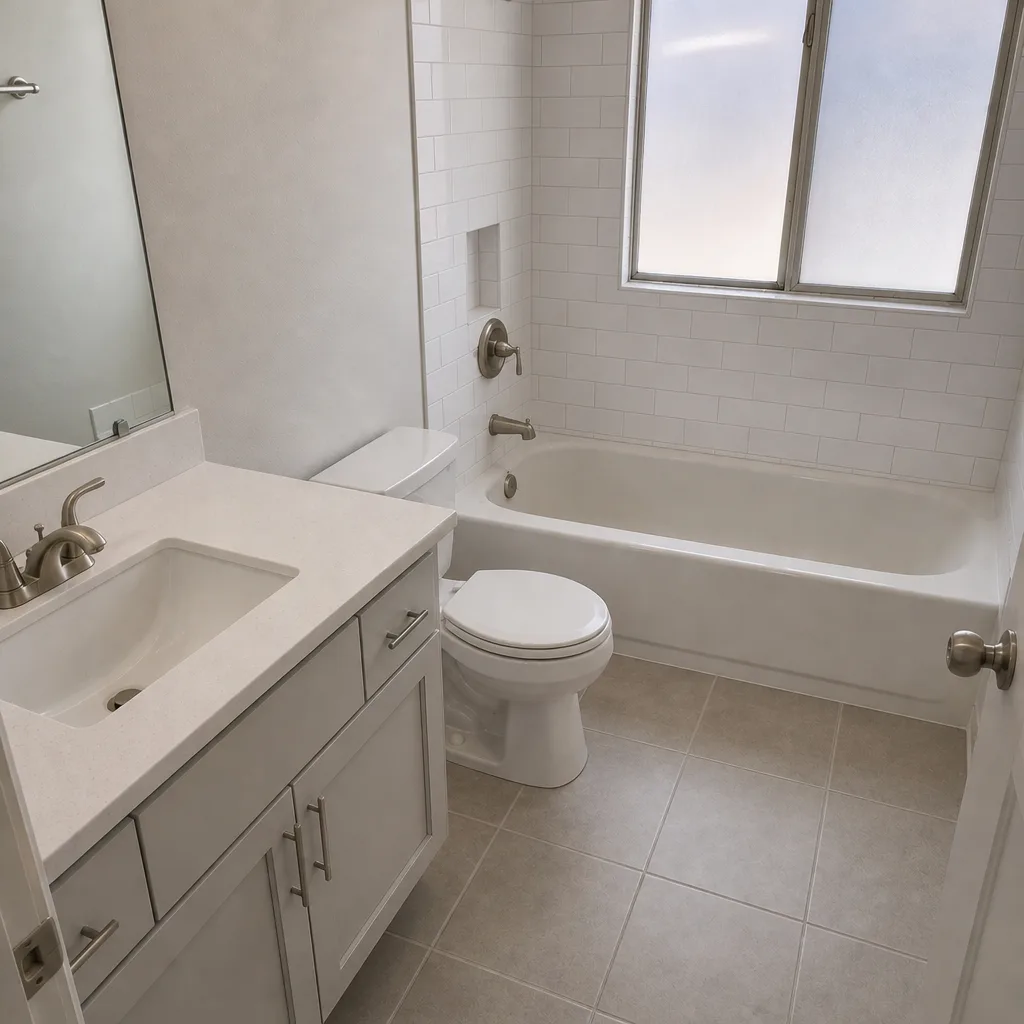 After
When to Call a Professional
There are maintenance tasks a homeowner can handle on the schedule: resealing grout, cleaning the fan, replacing caulk, and running the monthly moisture inspection. There are also clear signals that it’s time for a trained professional. Any sign of water behind tile, a soft spot or discoloration in a shower pan, a ceiling stain below the bathroom, repeated grout cracks near the drain or shower corners, or a fan that’s undersized and can’t be corrected with cleaning all warrant a call. If the work was completed within the past year, call the contractor first, because workmanship failures in that window are the right place to start. Bradford Remodeling Co Whitney offers free estimates in Whitney and serves homeowners across the area. Every project gets a written price before any work starts, background-checked, uniformed technicians on every job, and the 365-Day Done Right Promise backing the completed work for a full year. Call (833) 620-4908 to schedule.
Frequently Asked Questions
Reseal cementitious grout every 12 to 24 months, depending on traffic and grout type; a daily-use shower wants the 12-month end, and a guest bath can stretch to 24. Epoxy grout often lasts three to five years between reseals. Test it annually with a few drops of water: if they soak in instead of beading, it’s time. Call (833) 620-4908 for an exact quote on resealing or a professional inspection, and estimates are free.
It should. A well-run remodel leaves the homeowner with the written contract, the manufacturer paperwork for tile, fixtures, and waterproofing, and a clear picture of the maintenance intervals the warranties depend on. Bradford provides that documentation and a written price before any work begins. Call (833) 620-4908 for details on what the paperwork covers, and estimates are free.
Grout sealer is a penetrant that soaks into porous grout to resist moisture and staining, and it goes on thin and cures invisible. Caulk is a flexible sealant at joints between different materials, like tile and tub, where movement happens. Sealer protects the grout lines; caulk protects the joints, and both need their own replacement schedule. Call (833) 620-4908 if you’re unsure which one your bathroom needs, and estimates are free.
Compare the fan’s CFM rating to the bathroom’s square footage; the common starting point is at least one CFM per square foot for smaller baths, with a lower ratio for larger ones, and a fan that can’t clear steam in 15 to 20 minutes after a shower is likely undersized. Dusty blades and a clogged duct produce the same symptom, so clean the grille and blades first before concluding the fan needs replacing. Call (833) 620-4908 for an assessment, and estimates are free.
It’s Bradford’s written guarantee on completed work: for one full year after project completion, if the work fails, we return and correct it at no charge. It doesn’t extend to skipped maintenance like caulk replacement or resealing on schedule, which is why the maintenance log matters. Call (833) 620-4908 to ask what your specific project’s guarantee includes, and estimates are free.
Call a professional for any sign of water behind tile, a soft spot in a shower pan or tub surround, a ceiling stain below the bathroom, repeated grout cracks near the drain or shower corners, or an undersized fan that cleaning can’t fix. Those are signs of water movement or system failure, not maintenance tasks. Call (833) 620-4908 to schedule a free estimate, and we’ll tell you plainly what needs attention.
The Bottom Line
A remodeled bathroom is a system with a schedule, and the homeowner holds the calendar for the routine tasks. Reseal grout every 12 to 24 months, replace caulk on the three to five year clock, clean the exhaust fan every six months, and run a monthly moisture inspection. Document every task you perform so the paperwork supports any future warranty claim. The payoff is a bathroom that keeps performing past the point where a neglected one would start leaking. If something looks wrong or the schedule has drifted, call Bradford Remodeling Co Whitney at (833) 620-4908 for a free estimate. Every project carries a written price before work starts and the 365-Day Done Right Promise behind the finished work.
Written by the team at Bradford Remodeling Co Whitney.