Last updated November 18, 2026



Free written scope consultation - allowances, timeline, and change-order rules on paper before a single trade is scheduled
Bathroom Remodeling Warning Signs Every Homeowner Should Know
A bathroom remodel bid that doesn’t specify the waterproofing membrane by product name and application method isn’t a bid. It’s an invitation to argue about what “waterproofed” means once the tile is set and the first shower runs. That argument costs five figures to settle, and it happens in Whitney more often than most homeowners realize. The warning signs that predict a bad outcome show up almost entirely during the bidding and contract phase. By the time tools come out, the damage is already priced in. This guide walks through the eight signals we watch for, what they mean in plain trade language, and how to read a contract before you sign it.
Quick Answer
The biggest bathroom remodeling warning signs are vague written scope, a contractor who says no permit is needed, no subcontractor disclosure, a low-ball bid that omits waterproofing or permit fees, and a verbal “one-year warranty” with no written document behind it. All five are visible before demo day. A legitimate bid names products, methods, and the licensed trades doing the work. A weak bid leaves those blanks for the homeowner to discover mid-project.
Styles & brands we work with
- Kitchen remodeling
- Bathroom remodeling
- Home additions & ADU
- Roofing
- Windows & doors
- Driveway & pavers
- Fence
Table of Contents
- Warning Sign 1: A Vague Written Scope
- Warning Sign 2: “We Don’t Need a Permit for That”
- Warning Sign 3: Missing Subcontractor Disclosure
- Warning Sign 4: The Low-Ball Then Change-Order Pattern
- Warning Sign 5: A Verbal Warranty With No Terms
- How to Read a Waterproofing Line Item
- What the Numbers Should Look Like in Whitney
- What “Squared Away” Looks Like at Job Close
Warning Sign 1: A Vague Written Scope
The single most expensive document a homeowner can sign is a one-line scope that reads “tile shower walls.” That phrase is not a contract. It’s a placeholder, and placeholders are where remodel disputes live. A real scope reads: “Install Schluter Kerdi waterproofing membrane over cement backer board, per manufacturer spec, then set 12×24 porcelain tile with latex-modified thinset, grout with epoxy grout.” Every word in that second sentence carries obligations. The first sentence carries none.
Legally, the two versions are different agreements. The vague one obligates the contractor to stick something on the wall. The specific one obligates a method, a product, and an outcome. When you and the contractor disagree at month two about whether the shower was properly waterproofed, the specific scope is evidence. The vague one is an argument.
Here’s what to check on any bathroom bid you receive in Whitney:
- Waterproofing product by name. Schluter Kerdi, RedGard, or a named equivalent. No generic “waterproofing” line.
- Substrate type. Cement backer board or a foam board system, named. Not “board.”
- Tile size and material. Actual dimensions and actual porcelain or ceramic.
- Fixture brands and models. Kohler, Moen, or another named line, with a model number where possible.
- Vanity spec. KraftMaid, Wellborn, or a comparable named cabinet line with door style and finish.
- Exhaust fan CFM rating. Bath fans are code-driven, not cosmetic. A bid that ignores the fan is a bid that ignores the code.
- Demo and disposal. Written as a line item, not implied.
If your bid has fewer than ten line items for a full bathroom remodel, it isn’t a bid. It’s a number. If you’re comparing that to a fully itemized spec, you’re not comparing apples to apples. You’re comparing a price to a promise.
Warning Sign 2: “We Don’t Need a Permit for That”
In Nevada, “we don’t need a permit for that” is either legally wrong or a signal the contractor doesn’t want inspection-level scrutiny on the work. Either way, it’s a warning. A full bathroom remodel that moves a drain, adds a shower valve, relocates a vanity, or changes electrical circuits almost always requires a permit and a sequence of inspections: rough plumbing, rough electrical, sometimes framing, and final.
There are narrow exceptions. Replacing a toilet in kind, swapping a vanity top, or repainting the room often doesn’t trigger a permit. Anything that touches the rough-in – the pipes, wires, and framing inside the wall – does. A contractor who conflates “cosmetic” and “structural” in the same breath is telling you something about how they handle the rest of the job.
Why this matters beyond the paperwork:
- Inspection creates a second set of eyes. The city inspector signs off on plumbing slope, electrical bonding, and GFCI protection near water. Those are the three failure points that cause the most expensive callbacks in any bathroom.
- Unpermitted work follows the house. When you sell, an unpermitted bathroom can stall the sale, spike your insurance, or force a retroactive permit process that costs more than the original job.
- No permit, no accountability. A contractor who skips the permit is also skipping the paper trail that proves they were there. If the shower leaks in eight months, you have nothing to point to.
Ask the contractor directly: “Will you pull the permit, and will I see the inspection card with signatures?” A by-the-book contractor answers without flinching. Whitney homeowners should expect that answer in writing before any deposit changes hands.
Warning Sign 3: Missing Subcontractor Disclosure
Most homeowners assume the general contractor handles the plumbing and electrical. In practice, those trades are almost always subbed out, and legally they have to be – plumbing and electrical work in Nevada requires separate licensing. That’s fine. What isn’t fine is finding out about it in month two, when an unfamiliar van pulls in and the crew you hired is nowhere to be seen.
A real bid discloses who is doing what. On paper. Before demo. Ideally with the license classification for each trade, the name of the sub, and a line confirming that the sub carries their own insurance.
Here’s the disclosure test to run on any bathroom bid:
- Plumbing: Named subcontractor, licensed, with the rough-in and final work on their scope. Not “handled by GC.”
- Electrical: Named subcontractor, licensed, with the GFCI, exhaust fan, and lighting circuits on their scope.
- Tile: Named installer or the GC’s in-house crew, with the waterproofing work explicitly assigned. This is where scope evaporates most often.
- Drywall and finish carpentry: Assigned, even if it’s the same crew doing both.
- Glass and shower enclosure: Named vendor or installer. Shower doors are a frequent late-project surprise.
If the bid doesn’t answer these five, it doesn’t answer the question. “We handle it all” is not disclosure. It’s a shrug written in a confident font.
Warning Sign 4: The Low-Ball Then Change-Order Pattern
A bid that wins on price by omitting waterproofing, backer board, or permit fees will recover those margins through change orders once demo starts. This is the oldest pattern in remodeling and it hasn’t gone away. The contractor isn’t lying when they quote the low number. They’re quoting a smaller job than the one you think you hired.
Walk through the pattern in slow motion:
- The bid lands low. $12,000 for a full bathroom in Whitney looks generous. You’re comparing it to a $22,000 bid, and the difference seems like a sales tactic from the higher bidder.
- Demo opens the wall. The contractor finds “unexpected” conditions – old plumbing, no waterproofing behind the tile, a rotted subfloor edge. In some jobs this is real. In a low-ball bid, it’s often baked in.
- The change order arrives. Suddenly the waterproofing is $1,800 extra. The backer board is $900. The permit is $600. The “surprise” subfloor repair is $2,400.
- The math lands back at $22,000. Same total. Worse process. Less trust. And usually a calendar that has slipped six weeks because the schedule was never built for the real scope.
What a disciplined bid looks like instead: a written price, before any work starts, with no line items that move at the door. Allowances for things that are genuinely unknowable until demo (like tile selection or fixture upgrades) are fine – but they should be labeled as allowances, with a written dollar cap and a written process for what happens if the choice lands above it. A contractor who says “we’ll figure out the waterproofing as we go” is describing a change order, not a scope.
Warning Sign 5: A Verbal Warranty With No Terms
Every contractor promises a one-year warranty. Almost none of them define what that warranty covers. There’s a wide gap between “we’ll come back if something fails” said at the kitchen table and a written guarantee with terms, exclusions, and a return-visit process.
Here’s how to tell the difference before you sign:
- Is it written? A verbal warranty is a memory. A written one is a document you can hand to a lawyer if it comes to that.
- What is covered? Workmanship failures are the most important piece – leaked waterproofing, popped tile, cracked grout joints, failing plumbing rough-in. A warranty that excludes “workmanship” is a warranty that excludes the main risk.
- What is excluded? Manufacturer defects usually route through the product’s own warranty (Kohler, Moen, KraftMaid, and Cambria all carry their own coverage). Normal wear, owner-caused damage, and acts of God are typical exclusions – that’s fine, as long as they’re in writing.
- What is the response? A return-visit promise without a timeframe is a wish. “If the work fails inside twelve months, we return and correct it at no charge” is a commitment.
- Who signs it? The warranty document should be signed and handed to you at close-out, not mailed later. If it isn’t in your hand at the walkthrough, ask why.
Bradford Remodeling Co Whitney’s every completed project carries the 365-Day Done Right Promise – a full-year written guarantee. If the work fails inside that window, we come back and correct it at no charge. That guarantee is signed and documented at close, alongside a clean site and a written scope marked complete. That’s what a warranty looks like when it’s tested. A verbal “one-year” is what it looks like when it isn’t.
How to Read a Waterproofing Line Item
Waterproofing is the single line item that decides whether a bathroom remodel holds up for fifteen years or fails inside two. It’s also the line item most easily fudged, because “waterproofed” sounds like a method when it’s really an outcome. Here’s the trade’s version of the question.
A legitimate waterproofing spec names four things:
- The product. Schluter Kerdi is the most common in Whitney. RedGard is a liquid-applied membrane. Both work. Both fail spectacularly if applied wrong. The bid should name which one.
- The substrate. Cement backer board (CBU) or a foam board like Kerdi-Board or Wedi. Naming the substrate tells you whether the contractor is following manufacturer spec or improvising.
- The method. Liquid-applied membranes need specific mil thickness and two coats. Sheet membranes need specific overlap and thinset. Neither is “just paint it on.”
- The person doing it. Waterproofing is an assigned responsibility. If the tile sub and the GC both assume the other is doing it, no one is doing it.
Why this matters in Whitney specifically: our water is hard, and our climate swings between dry desert air and humid monsoon weeks. That cycle is hard on shower walls. A properly waterproofed shower handles it. A shower where the waterproofing was “handled” without a named product or method shows you the failure in month fourteen, when the grout starts weeping and the wall behind the tile is already soft. By then, the fix is a full tear-out, and the change order is the small part of the bill.
What the Numbers Should Look Like in Whitney
Price ranges here should narrow, not spread. A bathroom bid in Whitney that lands under $12,000 for a full remodel is either a half-scope job or a change-order setup. A bid over $40,000 for a standard hall bath is usually over-scoped. The honest window sits in the middle. Here’s a line-item range to sanity-check any bid against:
- Full bathroom remodel (standard hall bath, 5×10 to 6×10): $18,000 – $32,000.
- Primary bath (larger footprint, dual vanity, walk-in shower): $28,000 – $55,000.
- Tile shower rebuild, waterproofing included: $6,500 – $11,000.
- Vanity replacement with named cabinet line (KraftMaid or Wellborn): $2,400 – $6,800 installed.
- Permit and inspection fees (Clark County): $400 – $1,200 depending on scope.
- Waterproofing line item, itemized: $1,200 – $2,600 for a standard shower.
These ranges are real. They’re what a by-the-book bathroom remodel in Whitney carries in 2026, with named brands, pulled permits, and a written scope. A bid that comes in under these ranges on every line is a bid that omitted something. Ask which line item is thin. The answer is almost always waterproofing, permits, or backer board.
What “Squared Away” Looks Like at Job Close
A disciplined bathroom remodel ends the same way it starts: with documents. At close-out, the homeowner should have five things in hand, physically or via email:
- The signed written scope, marked complete line by line against what was installed.
- The permit inspection card with every required signature – rough plumbing, rough electrical, final.
- The signed 365-Day Done Right Promise, with the coverage terms in plain language.
- The manufacturer warranty paperwork for the named fixtures – Kohler or Moen for the valve and trim, KraftMaid or Wellborn for the cabinetry, Cambria or Caesarstone for the vanity top if stone was specified.
- A clean site, with debris removed, protective film off, and the room ready to use the day of the walkthrough.
If any of these is missing at close, the job isn’t closed. A contractor who walks you through the documents in the room where the work happened is a contractor whose process is disciplined enough to trust. That process is what The Garrison Standard is built on, and it’s why “by-the-book” isn’t a marketing line at Bradford Remodeling Co Whitney – it’s the sequence every job follows. Homeowners who want to see how that stacks up against their current bid can review our Bathroom Remodeling in Whitney page, or bring the bid to a comparison call and walk through it line by line.
Common Mistakes to Avoid
- Signing a bid with fewer than ten line items. A one-paragraph scope is not a contract – it’s a placeholder. If the bid can’t name products and methods, it can’t deliver them.
- Assuming the GC handles plumbing and electrical. In Nevada, those trades require separate licensing. Ask for the sub disclosure in writing.
- Believing “no permit needed” for a full bathroom. Anything touching rough-in requires a permit and inspections in Whitney. A contractor who waves that off is waving off the accountability too.
- Comparing a vague bid to a specific one on price alone. The lower number is usually the smaller job. Compare the scope line by line before comparing totals.
- Accepting a verbal warranty. “We’ll come back if there’s a problem” is not coverage. A written guarantee with named exclusions and a defined return-visit process is.
- Allowing tile selection without a written allowance. An open-ended tile choice is a change order waiting to happen. Get the allowance cap in writing before demo.
- Letting waterproofing land on “the tile guy will handle it.” Waterproofing needs a named responsibility, a named product, and a named method. Anything else fails inside two years in Whitney’s climate.
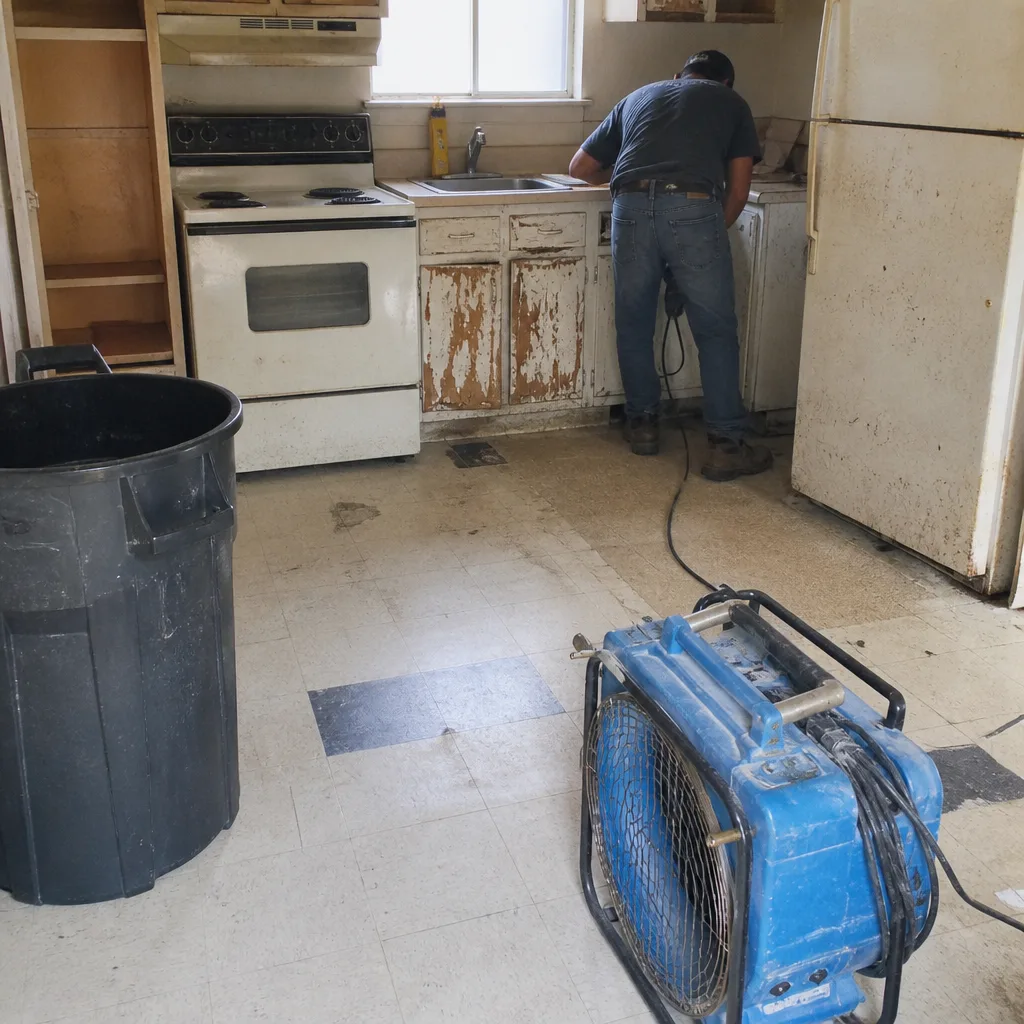
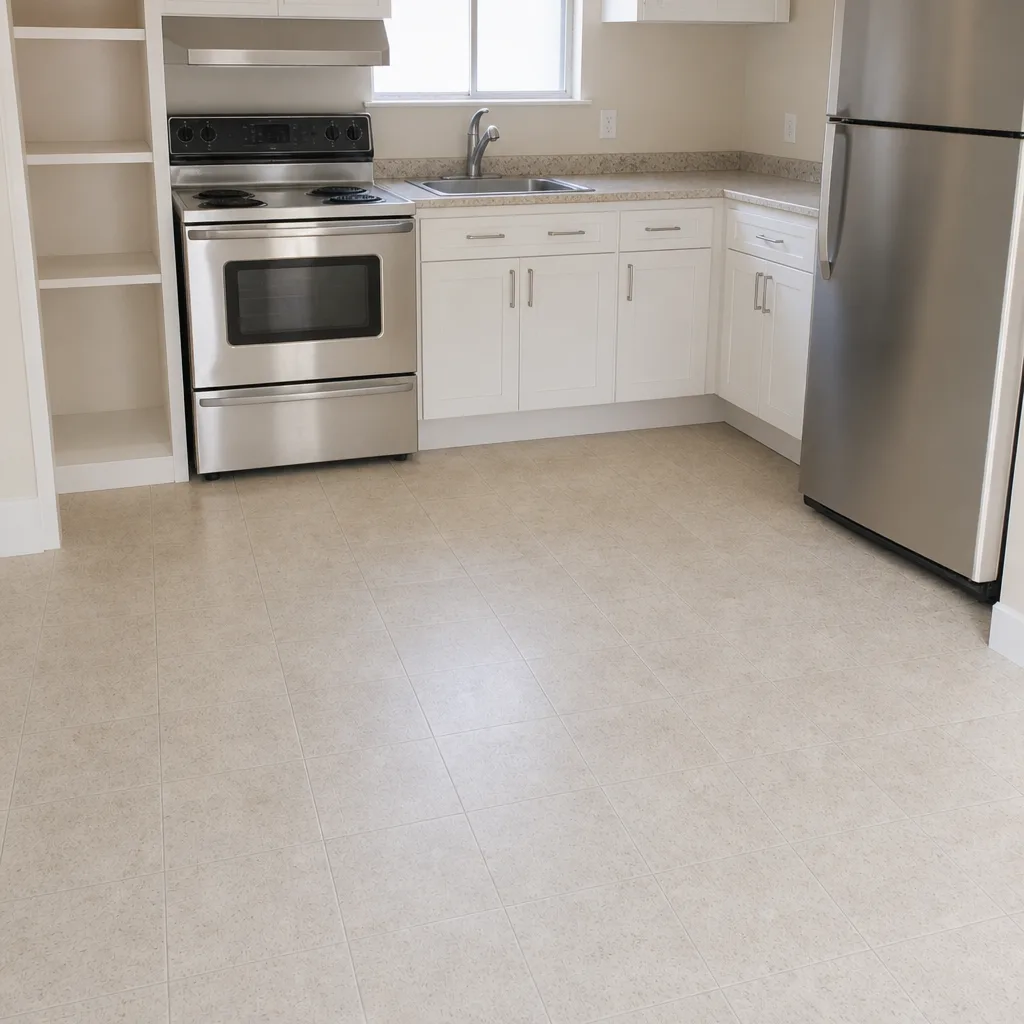
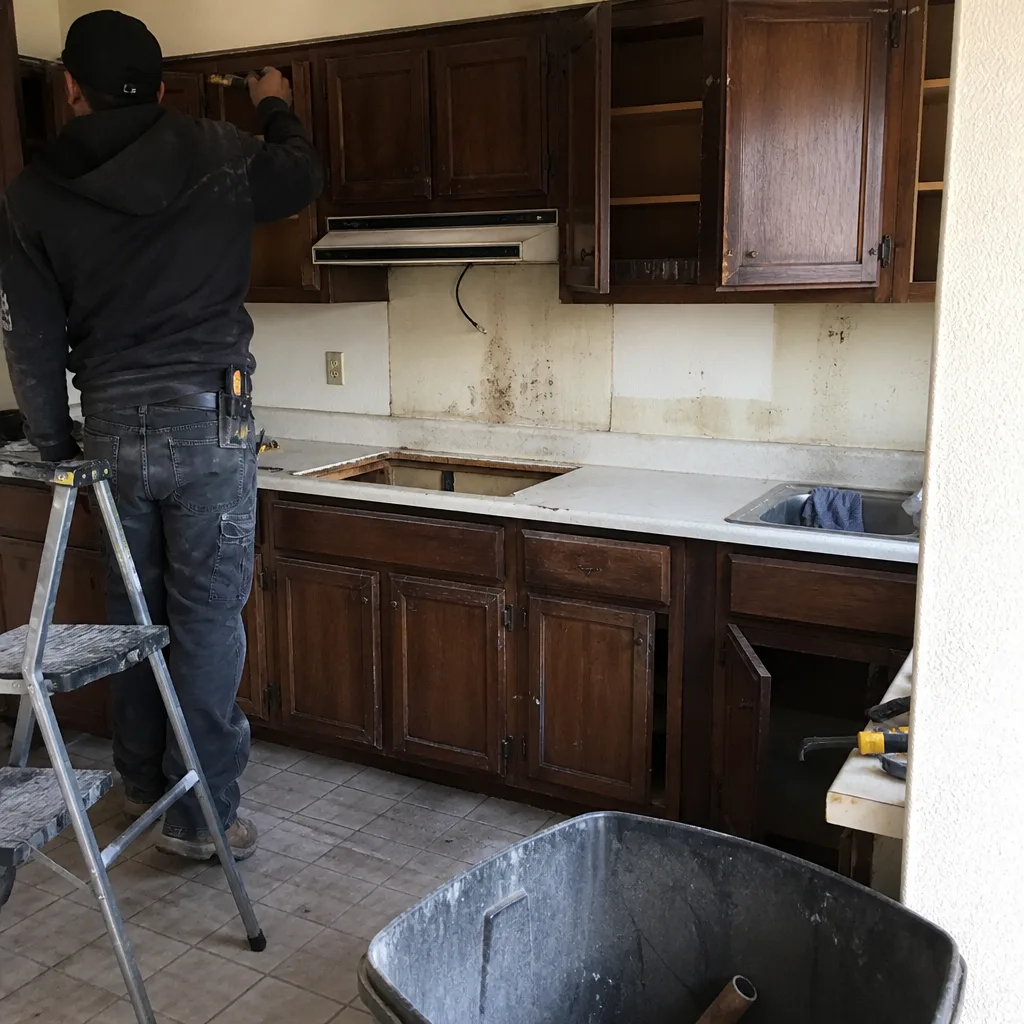
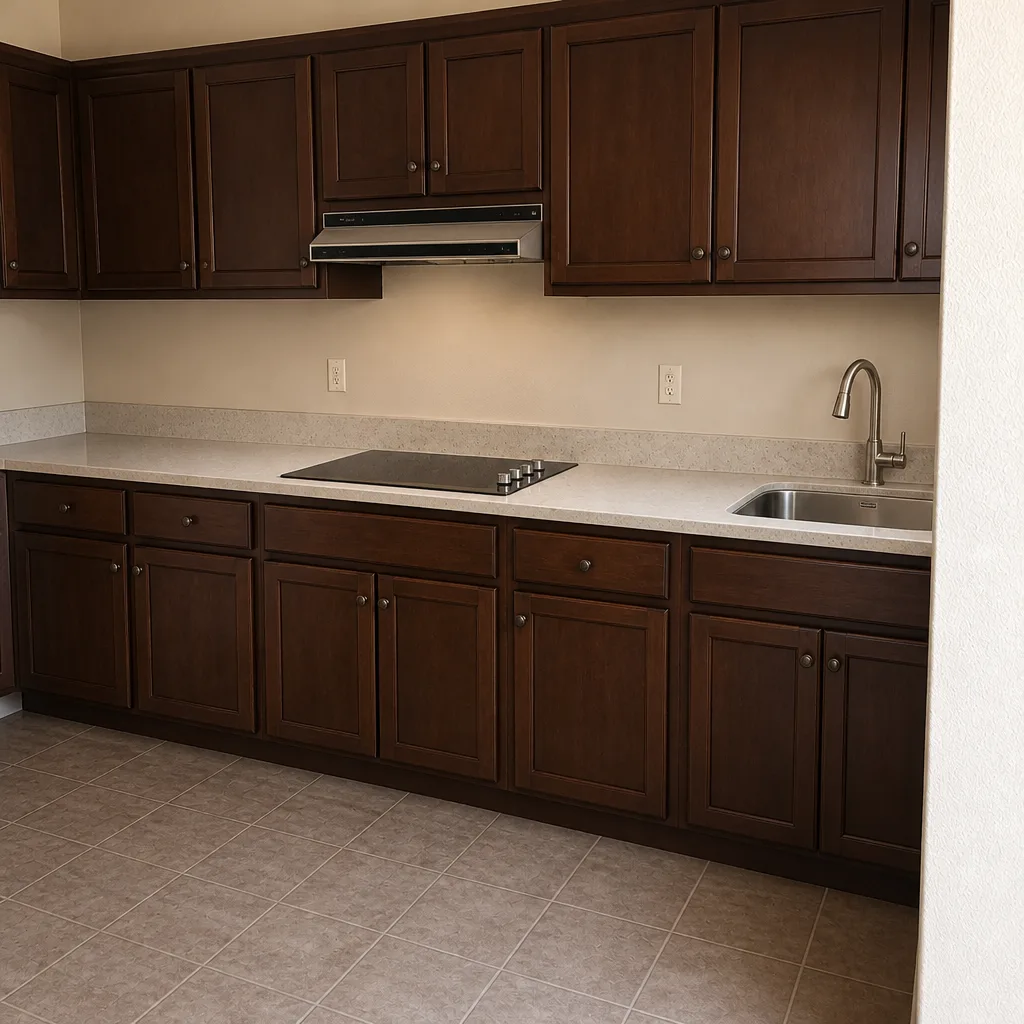
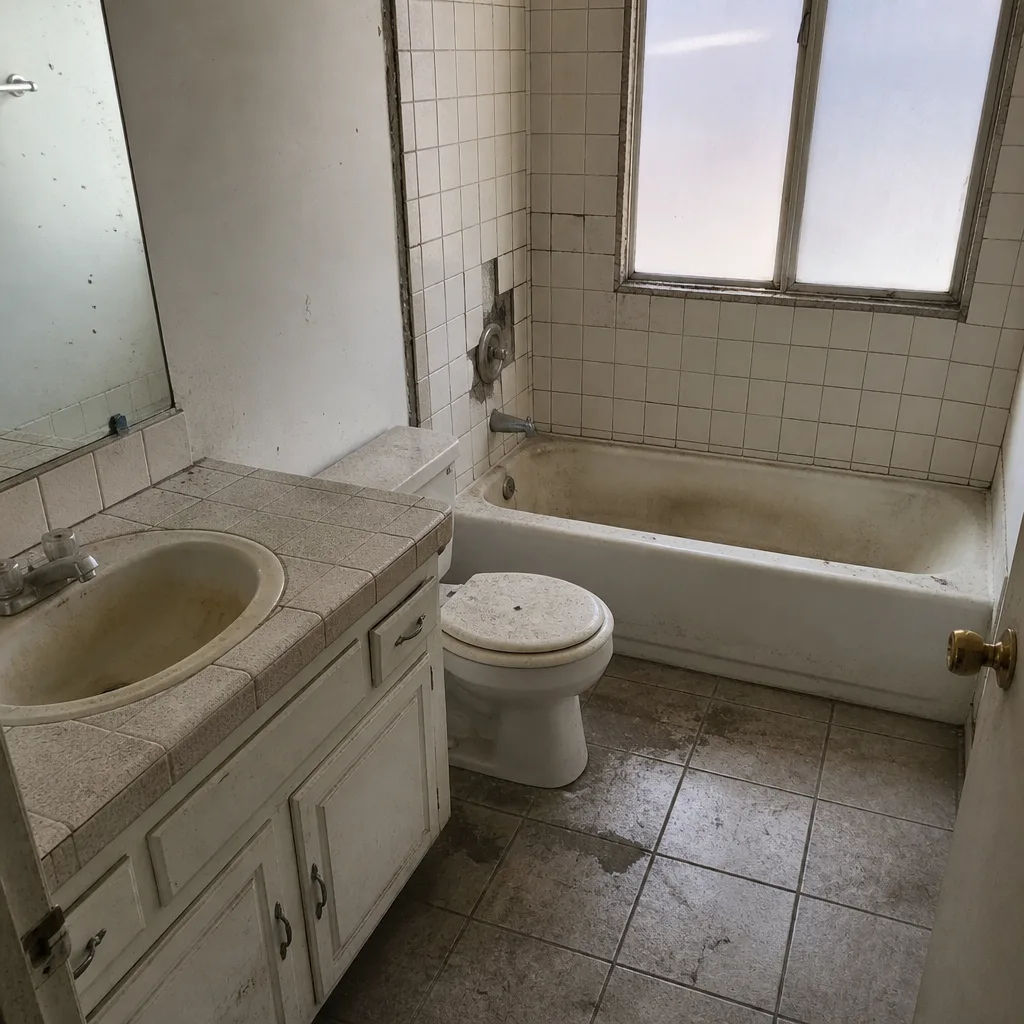
See the difference
 Before
 After
 Before
 After
 Before
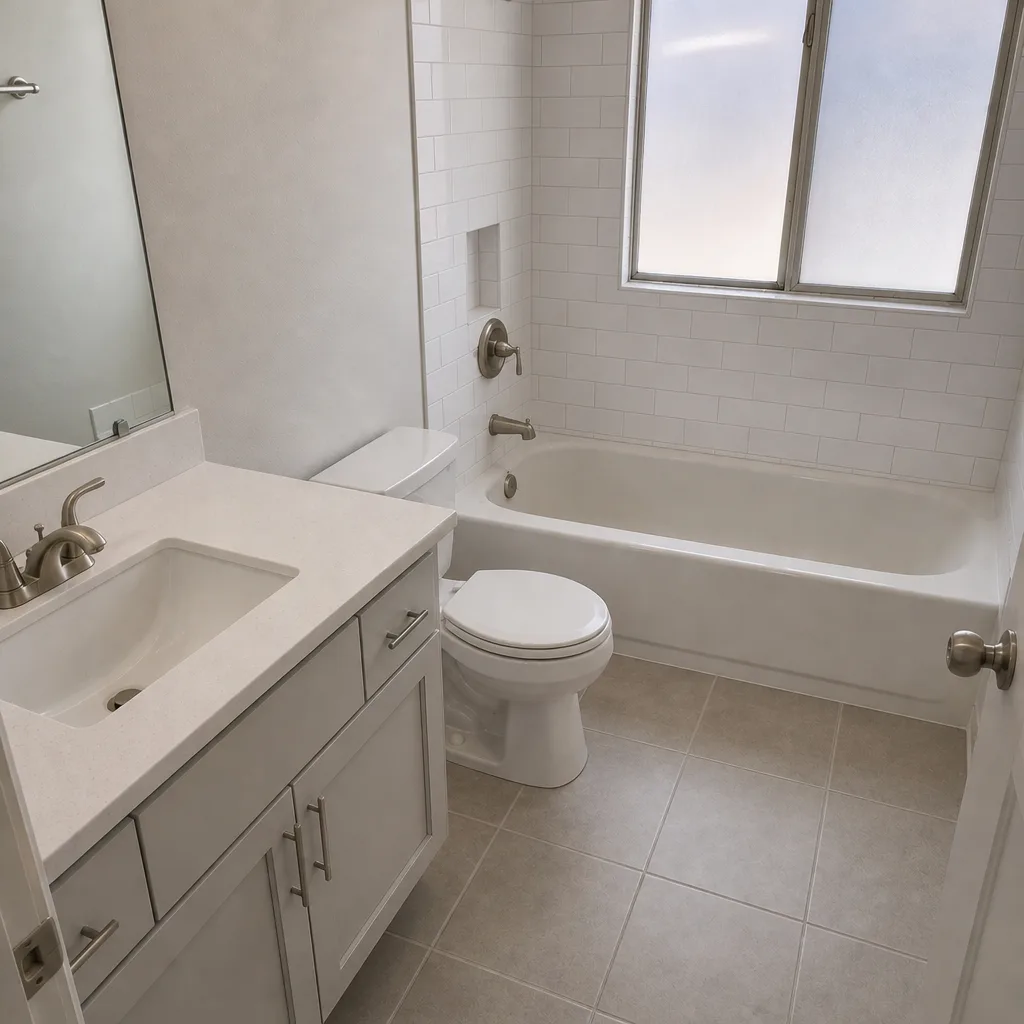 After
When to Call a Professional
If you’re looking at a bathroom bid right now and something in the scope feels thin, the time to call is before the deposit. Not after demo, when the walk-back happens. Same if you’re holding a verbal warranty instead of a written guarantee, or if the contractor told you permits aren’t needed for a job that involves moving the drain. Bradford Remodeling Co Whitney offers free estimates in Whitney – call (833) 620-4908. Bring your current bid if you have one. Walking through the line items side by side is the fastest way to see what’s actually on the page and what a disciplined scope covers. We keep the trade’s version of the conversation open. No puffery, no pressure, plain pricing – and the answers in writing before anything gets signed. If you’re still in the planning stage and want the bigger picture, our General Contractor in Whitney guide covers how the whole project scope fits together, and the Kitchen Remodeling in Whitney page shows how these same scope rules apply to a different room.
Frequently Asked Questions
A full hall bathroom remodel in Whitney typically runs $18,000 to $32,000, and a primary bath with a walk-in shower and dual vanity runs $28,000 to $55,000. The spread depends on scope: tile shower rebuild, vanity cabinet line, fixture brand, and permit scope all move the number. A bid under $12,000 for a full remodel is almost always a half-scope. Call (833) 620-4908 for an exact quote against your specific room – estimates are free.
Yes, if the work touches the rough-in – meaning the plumbing, electrical, or framing inside the wall. Full bathroom remodels that move a drain, replace a shower valve, add a circuit, or relocate a vanity almost always require a permit and inspections in Whitney. Small cosmetic swaps (vanity top, toilet in kind, paint) often don’t. A contractor who says “no permit needed” for the first category is either wrong or dodging inspection. Call (833) 620-4908 for a permit scope check before you sign.
A written warranty names the coverage period, what’s covered, what’s excluded, and the response process – and it’s signed and handed to you at close-out. A verbal warranty is a memory. When the shower leaks in month eight, the written one obligates a return visit at no charge. The verbal one obligates a phone conversation. Every completed Bradford project carries the 365-Day Done Right Promise – a full-year written guarantee, signed at close, with the terms in writing. Call (833) 620-4908 to see what the document looks like before you commit.
A hall bathroom typically takes four to six weeks from demo to close. A primary bath runs six to nine weeks depending on whether the layout shifts. The calendar slips most often on the waterproofing and tile phase, because that’s where the scope was thinnest in bidding. A fully itemized scope lands on the calendar as written; a vague one gains weeks. Call (833) 620-4908 to walk through your scope and get a realistic timeline in writing.
The lower bid almost always omits a line item: waterproofing, backer board, permit fees, or exhaust fan electrical. Once demo opens and the “unexpected” work is discovered, the change orders land and the total climbs back to where the honest bids started. Sometimes it climbs past. The pattern is old and it hasn’t changed. Comparing bids line-item by line-item is the only reliable way to see what was left out. Call (833) 620-4908 for a side-by-side review of your current bid – free, with a written line-by-line breakdown.
Look for named brands, not categories. KraftMaid or Wellborn for the vanity cabinetry. Cambria or Caesarstone for the vanity top if stone is specified. Kohler or Moen for the shower valve, trim, and faucets. Schluter Kerdi or a named equivalent for the waterproofing membrane. Exhaust fans from a named manufacturer with a specific CFM rating. A bid that names its brands is a bid you can trace and warranty. A bid that says “premium fixtures” is a bid that can substitute a $40 valve for a $400 one. Call (833) 620-4908 to review a bid with brand names in it against one without.
The Bottom Line
The warning signs that predict a bad bathroom remodel show up during bidding, not during construction. Vague scope, a contractor who says no permit is needed, missing subcontractor disclosure, a low-ball bid that recovers margin through change orders, and a verbal warranty with no written terms – these five are the whole game. Every one of them is fixable before the deposit. None of them is fixable after demo. If you’re about to sign a bathroom bid in Whitney, invest an hour comparing it line by line against a disciplined scope. The number on the page will either hold or it won’t. A by-the-book contractor will show you exactly why.
Bradford Remodeling Co Whitney is a Bradford Remodeling Co Whitney home-based remodeler held to The Garrison Standard. Every project gets a written price before work starts, and every completed job carries the 365-Day Done Right Promise in writing. When you’re ready to see what a disciplined bid looks like against the one on your table, call (833) 620-4908 for a free estimate. We’re glad to walk through the line items with you – and put every answer in writing.
Written by the team at Bradford Remodeling Co Whitney.