Last updated November 18, 2026
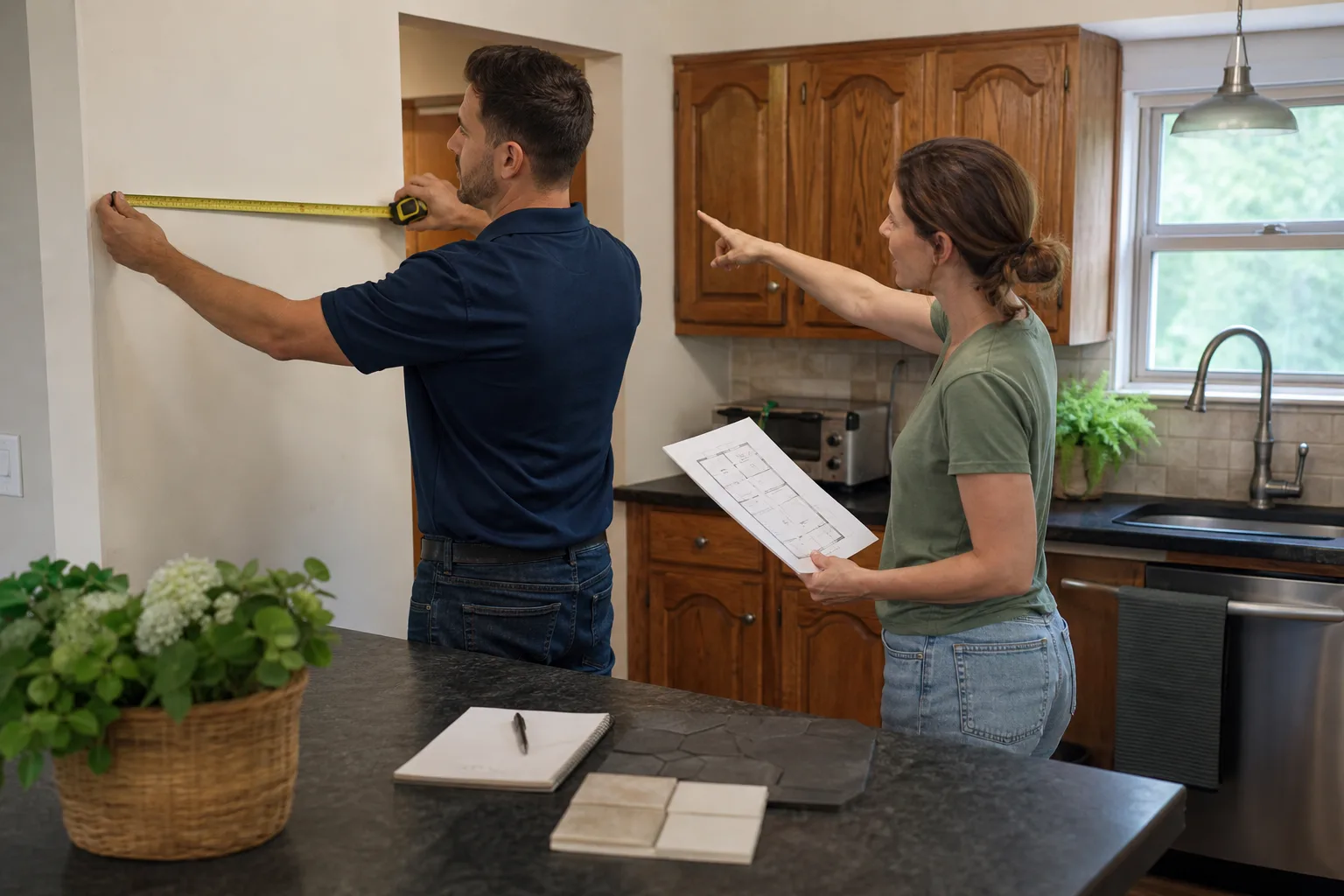
Free written scope consultation - allowances, timeline, and change-order rules on paper before a single trade is scheduled
Choosing the Right Construction Brand: A Buyer’s Guide for Whitney
A premium window brand with a lifetime warranty is only as good as its nearest authorized service technician, and several brands marketed heavily in Nevada have their closest warranty service centers in Arizona. That gap affects your claim turnaround by weeks, sometimes months. In Whitney, where summer UV is brutal and the valley floor swings through hard thermal cycles, the brand name on the box matters far less than who can service it, who honors the installation, and who answers when something fails in year three. This guide walks through the questions that actually protect a homeowner: how to verify local installer authorization, which product categories have real differentiation in the Las Vegas Valley climate, and how written guarantees close the gaps manufacturer warranties leave open.
Quick Answer
The right construction brand in Whitney is the one with an authorized local installer and a warranty service center within reasonable driving distance of Clark County, not the one with the longest warranty brochure. Verify installer authorization before you specify anything, then match the product’s UV, thermal cycling, and wind load ratings to the Las Vegas Valley’s actual conditions. A written installation guarantee from the contractor is what covers most real-world failures, because manufacturer warranties almost never cover the labor that causes them.
Styles & brands we work with
- Kitchen remodeling
- Bathroom remodeling
- Home additions & ADU
- Roofing
- Windows & doors
- Driveway & pavers
- Fence
Table of Contents
- How to Verify Local Installer Authorization Before You Specify a Brand
- What Whitney’s Climate Demands From Building Products
- Manufacturer Warranty vs. Installation Warranty: Which One Covers the Failure?
- Where Brand Differentiation Actually Matters in Whitney
- Categories Where Mid-Tier Products Perform Identically
- How the Garrison Standard Closes Warranty Gaps
- A Step-by-Step Brand Selection Process
- Common Mistakes to Avoid
How to Verify Local Installer Authorization Before You Specify a Brand
Manufacturer warranties on windows, exterior doors, roofing, and hardscaping are frequently conditional on installation by an authorized or certified installer. If the crew that installs your product isn’t on the manufacturer’s approved list, the warranty can be voided or reduced to a materials-only claim the moment something goes wrong. That’s the single most expensive mistake a Whitney homeowner can make, and it doesn’t show up until year two or three when the product fails and the claim gets denied.
Verification takes about fifteen minutes per brand. Follow this sequence:
- Ask the contractor for the specific brand and product line, not just the brand name. A GAF shingle and a GAF underlayment carry different installer requirements, and window lines within the same brand often have separate certification programs.
- Go to the manufacturer’s website and use their “find a contractor” or “certified installer” tool. Enter the Whitney zip code or Clark County, Nevada, and confirm your contractor appears.
- Call the manufacturer’s warranty line directly (not the contractor’s number) and ask two questions: is this contractor an authorized installer for the specific product line, and where is the nearest warranty service center for a claim in 89122 or the surrounding Whitney area?
- Ask what the claim turnaround looks like. If the nearest authorized service tech is in Arizona, that’s a real number: weeks of waiting, sometimes a back-ordered part on top.
- Get the installer authorization in writing, either on the manufacturer’s letterhead or listed as a contract line item with a reference number.
We’ve watched homeowners in Whitney get caught by this with exterior door brands and window packages where the local installer had been certified at some point but let the certification lapse. The product was fine. The claim was denied. Fifteen minutes of verification prevents that outcome.
What Whitney’s Climate Demands From Building Products
Whitney sits in the Las Vegas Valley, unincorporated Clark County, and the specific conditions here stress building products in ways that generic product literature rarely addresses. Understanding those conditions changes which brands are actually appropriate.
UV exposure
Clark County averages more than 290 sunny days a year, and the UV index climbs past 10 regularly from May through September. That matters most for exterior products: window frames, door skins, siding, decking, pergola materials. Aluminum and vinyl window frames fade and chalk when UV stabilizers aren’t up to the load. Vinyl fencing – including brands like Bufftech – is rated differently depending on formulation, and the difference shows up as premature yellowing on the sun-facing side of a Whitney yard.
Thermal cycling
Summer afternoons hit 105 – 110°F; winter nights in the valley drop to the low 30s. That’s a 70 – 80°F swing day-to-day, and 40-plus degrees overnight even in shoulder seasons. Thermal cycling is what kills sealant joints, caulk lines, and window glazing seals when the product isn’t specified for it. Materials with high coefficient-of-expansion mismatch to their substrate fail first, which is why substrate prep (the layer the finish sits on) matters as much as the finish itself.
Wind load
Clark County has specific wind load requirements for exterior products based on exposure category, and unincorporated Whitney sits in a zone where a lot of off-the-shelf product specs don’t meet the local design pressure without additional reinforcement. Windows, exterior doors (Therma-Tru and similar), and garage doors need a design pressure rating appropriate to the site. A window rated for a coastal climate may pass a Whitney inspection; one rated for a mild interior market often won’t.
- Windows and exterior doors: look for UV-stable frames, thermal cycling ratings, and a design pressure value tied to Clark County’s exposure category.
- Roofing: GAF, CertainTeed, and Owens Corning all publish UV and thermal cycling performance data; specify a product rated for high-heat environments rather than a cool-climate line.
- Fencing and gates: Ameristar and Master Halco publish finish warranties that differ meaningfully by product line; UV-stable powder coat is not universal.
- Hardscaping: Belgard and similar pavers vary in color stability under intense sun; faded pavers are a real complaint in Whitney after two summers.
Manufacturer Warranty vs. Installation Warranty: Which One Covers the Failure?
This is the question most homeowners don’t ask until it’s too late. Manufacturer warranties and contractor installation warranties cover different things, and for most failure modes that actually happen in a Whitney home, the manufacturer warranty contributes less than you’d expect.
Manufacturer warranties typically cover:
- Materials defects – a product defect in manufacturing, such as a frame that fails prematurely or glazing that delaminates.
- Limited labor – some high-end brands cover labor for a defined period, commonly 1 – 5 years, if installation was by an authorized installer.
- Replacement parts – hardware, seals, components, often shipped to the homeowner or the servicing dealer.
Manufacturer warranties typically do NOT cover:
- Installation error – flashing installed wrong, substrate prepped incorrectly, sealant applied over a dirty surface. These are the most common causes of water intrusion and premature failure.
- Labor to remove and reinstall – even when a materials claim is approved, the labor to take the failed product out and put the replacement in is usually on the homeowner.
- Consequential damage – water damage to the sheathing behind a failed window is typically excluded.
The installation warranty is where the real coverage lives. That’s why a written, term-defined installation guarantee is worth more than five years of added material warranty on the brochure. In Whitney, where UV and thermal cycling drive most of the failure modes we see, installation error compounds fast.
Where Brand Differentiation Actually Matters in Whitney
Not all brand decisions are equal. In this climate, some categories justify paying for a specific brand; others don’t.
Worth the brand premium in Whitney:
- Cabinetry. KraftMaid and Wellborn both publish thermal-humidity tolerance specs, and in a valley where interior humidity swings from 10% to 50%, the cabinet box construction matters. Cheap particleboard cabinets fail at hinge points before the finish does.
- Surfaces. Cambria and Caesarstone publish UV stability and heat tolerance for countertops; the difference between a premium quartz and a low-end product shows up around the sink edge and near cooktops.
- Exterior doors. Therma-Tru publishes thermal cycling and wind load performance by product line; the finish systems on exterior doors in Whitney’s sun fail at dramatically different rates.
- Fixtures. Kohler and Moen publish finish warranties that differ by line; the cartridge warranty on a Whitney install matters more than the trim finish.
Worth some brand attention, less critical:
- Interior door hardware. Moen publishes finish warranties that hold up well under Whitney’s dry heat, but the difference between the top three brands is smaller than the difference between any of them and an off-brand handle.
- Paints and finishes. UV-resistant exterior paints are worth specifying, but brand loyalty inside the top tier is limited.
Categories Where Mid-Tier Products Perform Identically
Not worth the premium:
- Drywall and standard lumber. A sheet of drywall is a sheet of drywall. Brand premium buys you packaging, not performance.
- Interior door slabs. Hollow-core and solid-core door performance at the price points most Whitney remodels land in is essentially brand-blind; substrate and installation determine longevity.
- Common trim and millwork. MDF trim, when installed correctly with appropriate substrate prep (primer on all cut edges), performs identically across brands.
- Concrete and masonry. The mix design, cure protocol, and finish matter; the supplier label rarely does.
We point this out because homeowners often over-spend on visible categories where brand matters little, then under-spend on the categories – cabinetry, exterior doors, surfaces, and windows – where the brand is the difference between a fifteen-year installation and a six-year one. In Whitney, the highest-return brand spend is in exterior products, where the climate does the most damage.
How the Garrison Standard Closes Warranty Gaps
Manufacturer warranties leave gaps. The Garrison Standard – the operating framework every Bradford Remodeling Co Whitney project runs on – is built to close them.
Three things interact to close the gaps:
- Written price before any work starts. Every Whitney project gets a written, line-item price up front. No numbers that move at the door. That written scope defines what’s covered, which is the foundation of any warranty conversation – you can’t guarantee what you didn’t specify.
- The 365-Day Done Right Promise. Every completed project carries a full-year written guarantee. If the work fails inside that window, Bradford returns and corrects the work at no charge. That’s not a manufacturer warranty on the material; it’s a contractor guarantee on the installation and the finished product as a whole. In Whitney, one year is exactly the window where thermal cycling and UV exposure reveal installation errors.
- Background-checked, uniformed technicians. Identity and conduct standards are set at the Garrison Partners level. Nobody arrives at your Whitney home without that vetting behind them.
Where a manufacturer warranty covers materials and an installation warranty covers labor, the combination leaves no gap. That’s the point: a documented brand roster including KraftMaid, Wellborn, Cambria, Kohler, Moen, GAF, James Hardie, and Therma-Tru, paired with a written installation guarantee, gives homeowners coverage on both sides of the install.
Bradford is a member of the Garrison Partners family, established in 2004, and operates as an independently owned and operated business held to The Garrison Standard. Our technicians have up to 22 years of experience. Live-person phone coverage runs 24 hours a day, seven days a week – not a voicemail or a callback queue. For a fuller view of how we run projects, see our Bradford Remodeling Co Whitney home page.
A Step-by-Step Brand Selection Process
Here’s the process we recommend to Whitney homeowners evaluating brand decisions on any project – a General Contractor in Whitney engagement, a Kitchen Remodeling in Whitney project, a Bathroom Remodeling in Whitney job, or a whole-home scope.
- List the product categories your project actually touches. A kitchen remodel might include cabinetry, surfaces, fixtures, windows, exterior doors, and hardscaping. Get the list in writing.
- Sort those categories into three buckets: brand-critical (exterior products, cabinetry, surfaces, windows), brand-relevant (fixtures, hardware), and brand-blind (lumber, drywall, trim).
- For each brand-critical category, verify installer authorization. Use the manufacturer’s contractor lookup, call the warranty line, and confirm the nearest authorized service center. Ask about claim turnaround time.
- Match the product to Whitney’s climate. Ask for UV stability ratings, thermal cycling tolerance, and design pressure values appropriate to Clark County’s exposure category. Request the spec sheet in writing.
- Get the installation warranty in writing before you sign. Term, what it covers, what triggers a covered claim, and how the return visit works.
- Confirm the insurance and licensing documentation is current. Insured and bonded status should be verifiable before any work begins.
- Compare bids line-item by line-item, not at the bottom. Two bids at the same total can represent entirely different quality and warranty outcomes.
Want a written, line-item scope and price before deciding? Request a free estimate from a General Contractor in Whitney.
Common Mistakes to Avoid
- Choosing by warranty length instead of warranty serviceability. A lifetime warranty on a window is worthless if the nearest service center is in Arizona and the claim takes nine weeks. Verify the service footprint before you specify the brand.
- Accepting “authorized installer” as a verbal claim. Ask for the certification in writing. Installer authorization in Whitney isn’t universal to every crew that advertises the brand.
- Assuming manufacturer warranties cover installation. They almost never do. The labor and installation error that causes most failures is covered by the contractor installation warranty, not the manufacturer.
- Skipping climate specifications in the bid. A bid that doesn’t list UV stability, thermal cycling tolerance, and wind load pressure isn’t complete. In Whitney, those specs are the difference between a fifteen-year install and a six-year one.
- Comparing bids at the bottom line. A low bid that omits exterior door wind load certification or specifies a non-authorized installer isn’t a cheaper bid; it’s a bid that shifts future risk back to you.
- Not confirming insurance and bond. Insured and bonded status is verifiable and non-negotiable. Ask for the certificate before work starts, every time.
- Ignoring the 365-day window. Failures from thermal cycling and UV exposure typically show up in year two – right at the edge of the most important coverage window. A written, full-year installation guarantee covers the exact period when these failures surface.
See the difference
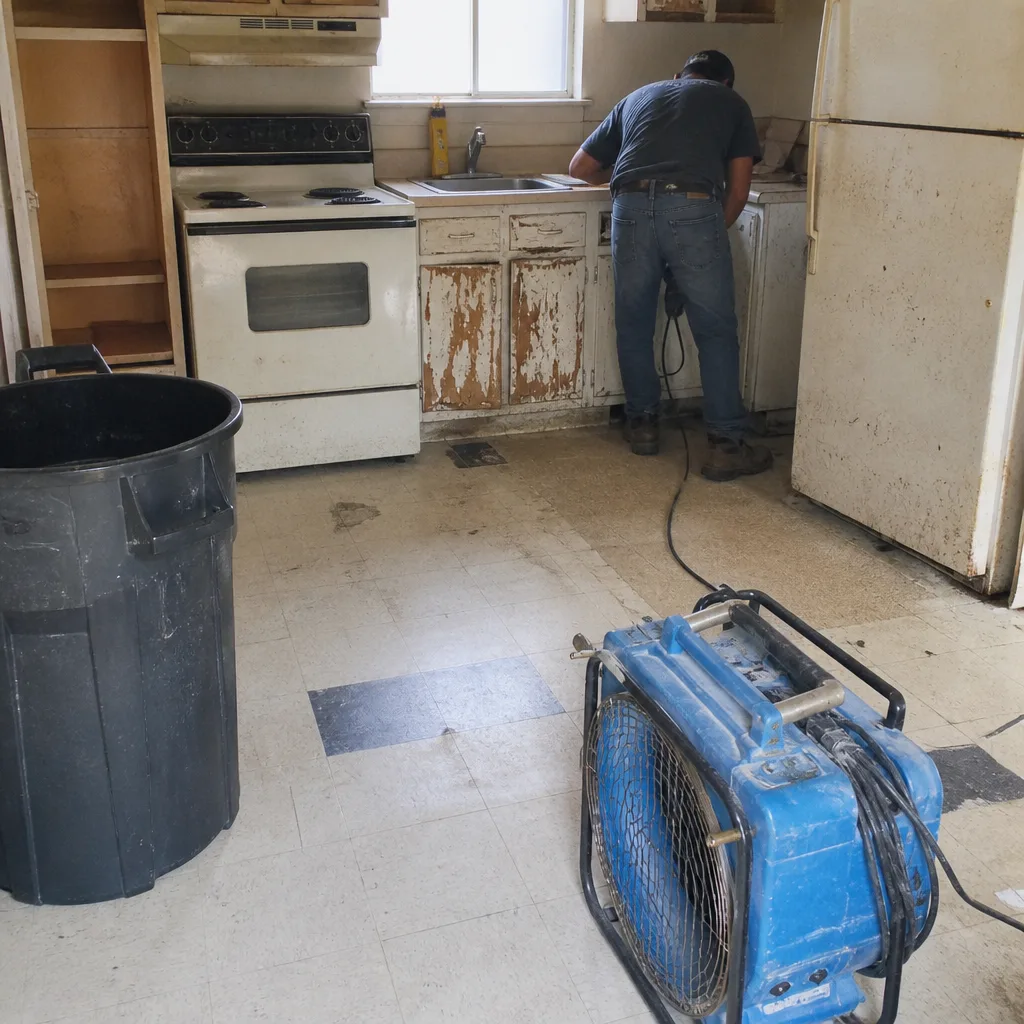 Before
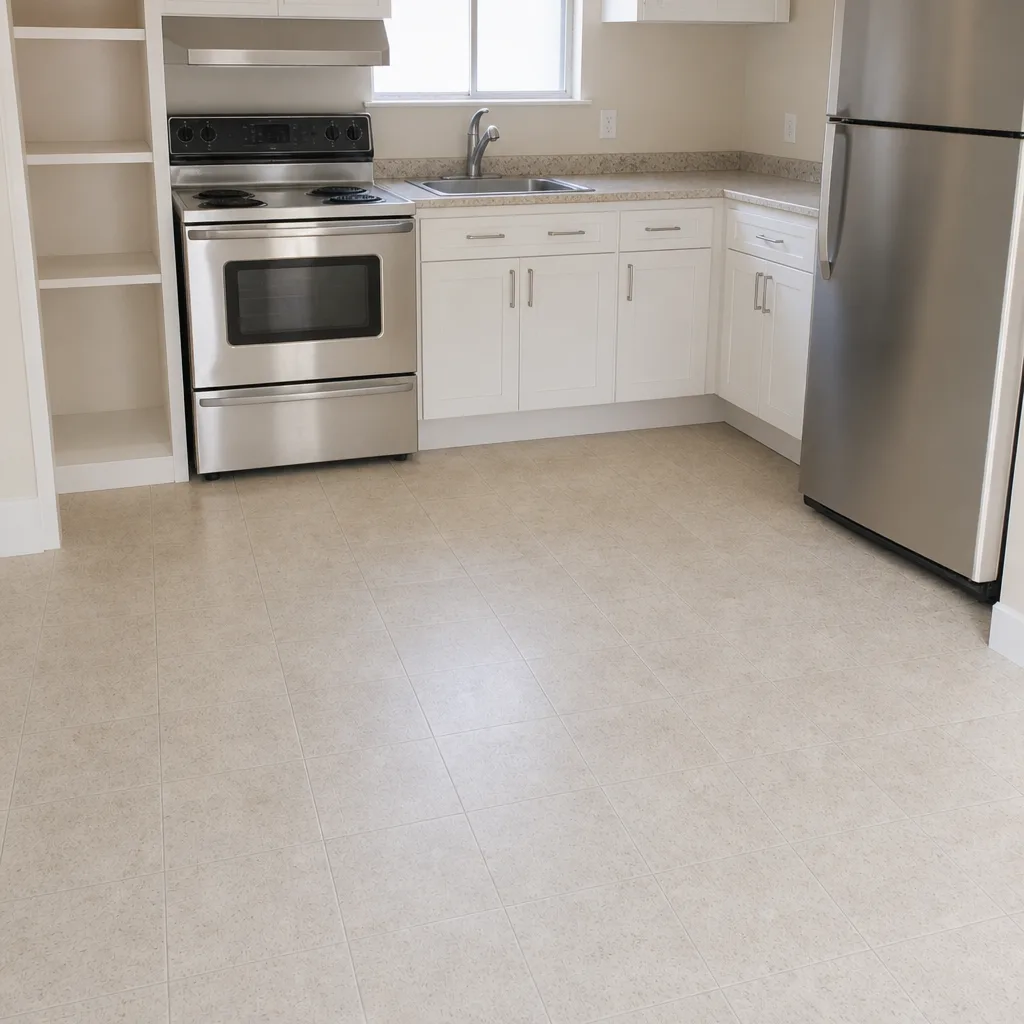 After
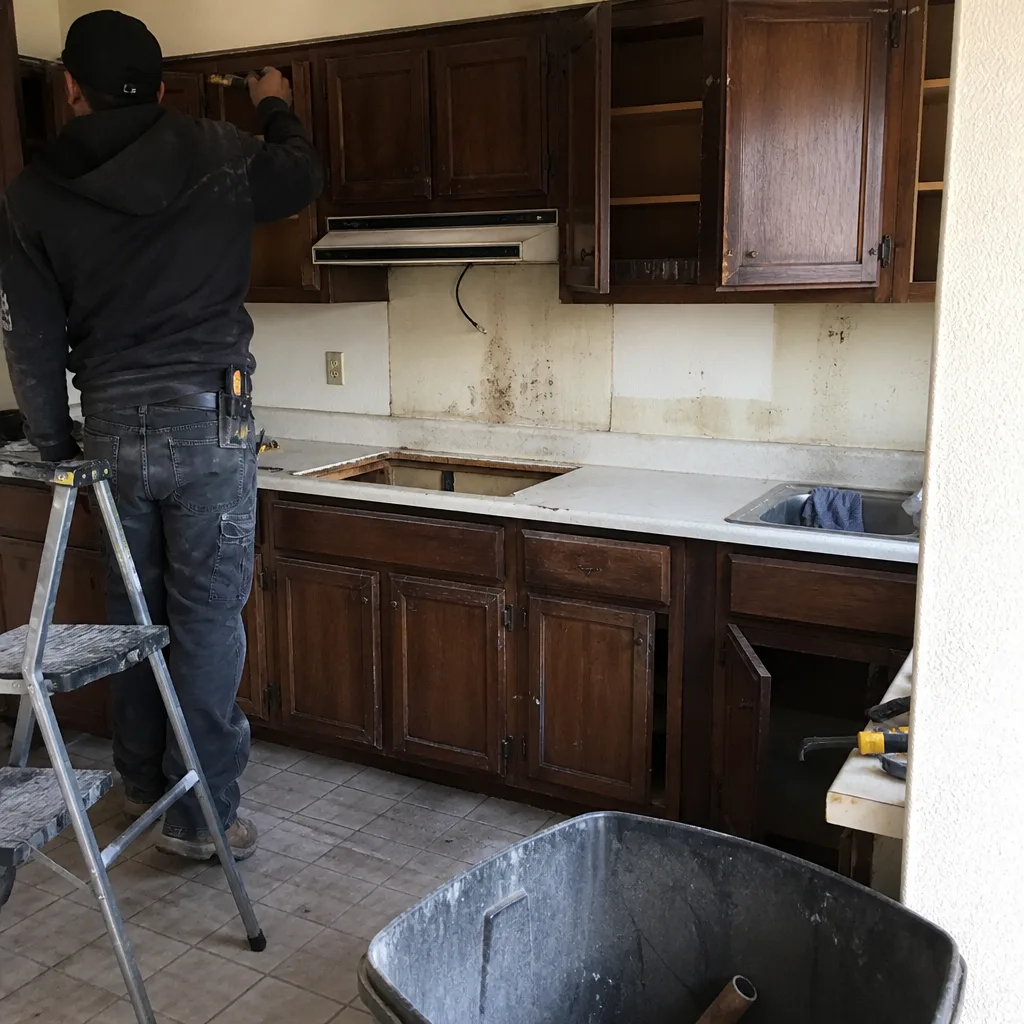 Before
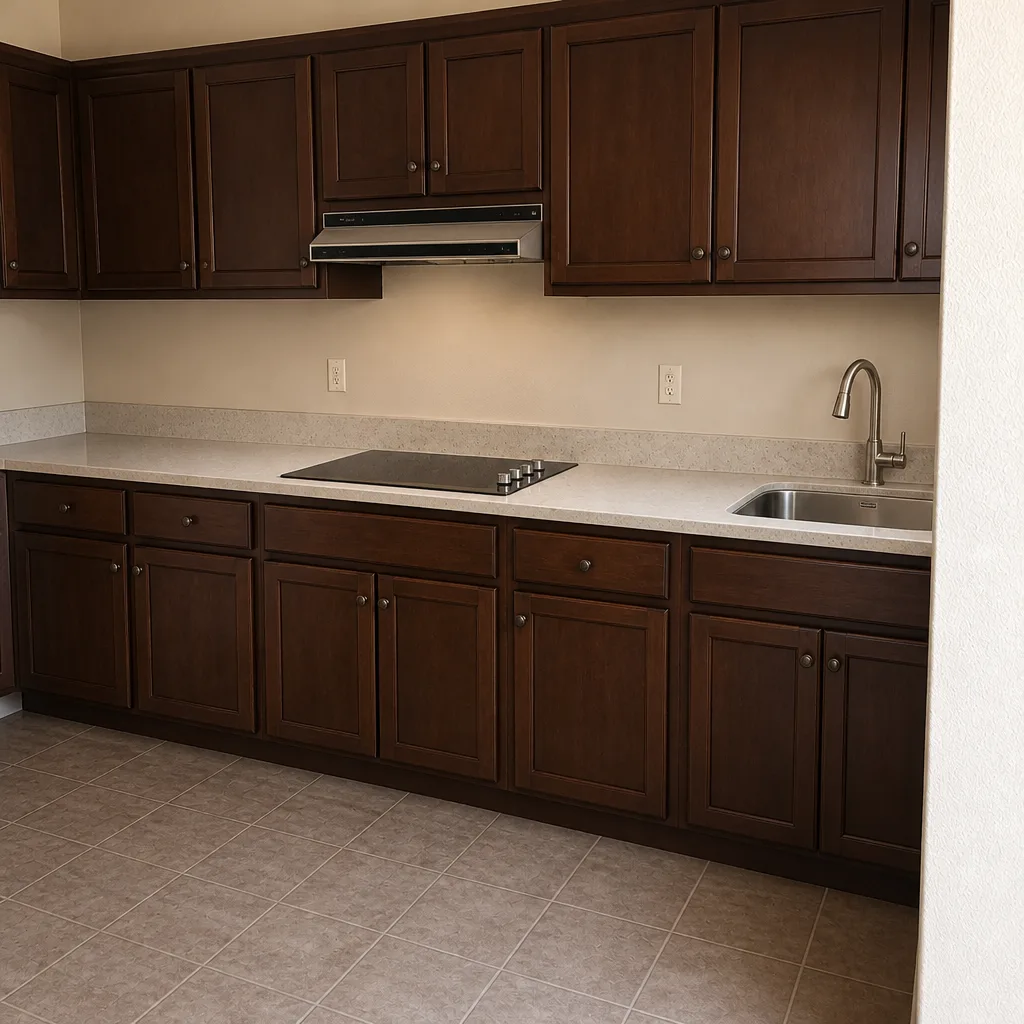 After
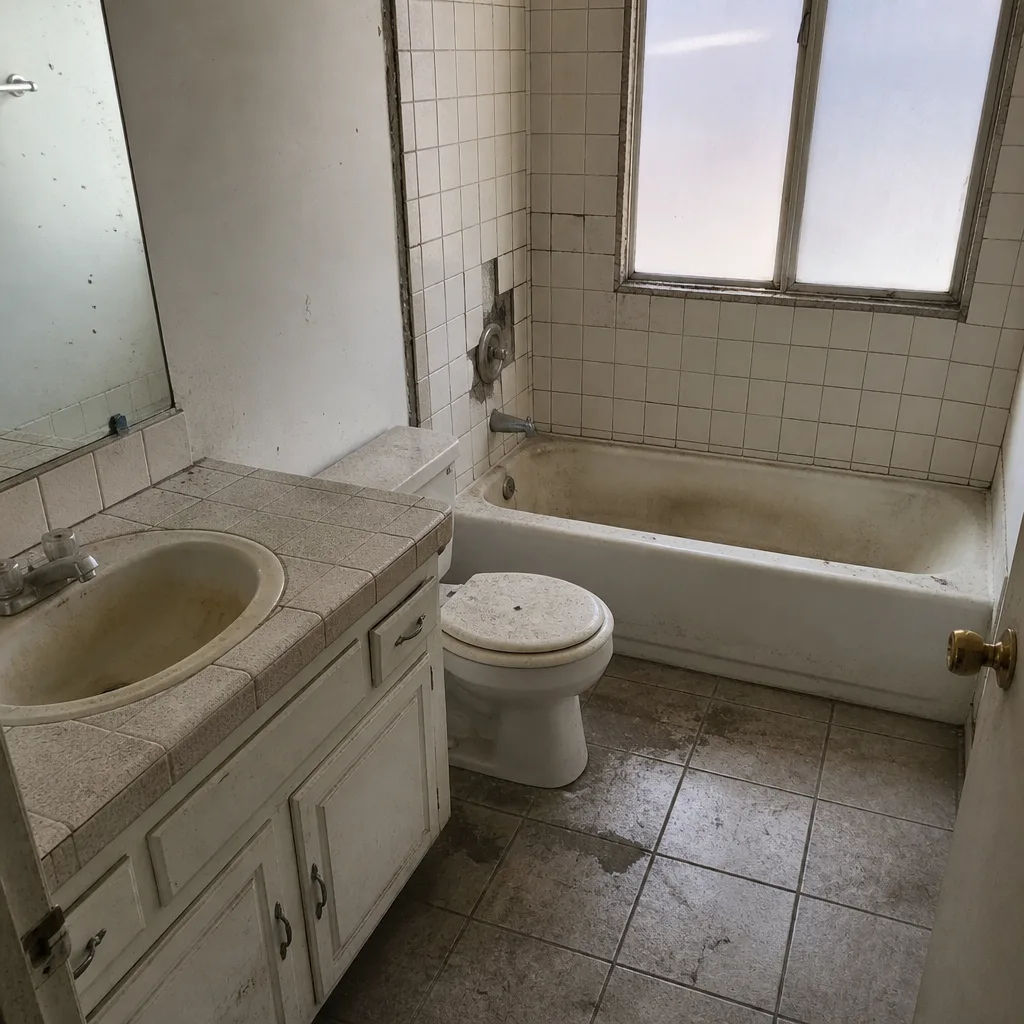 Before
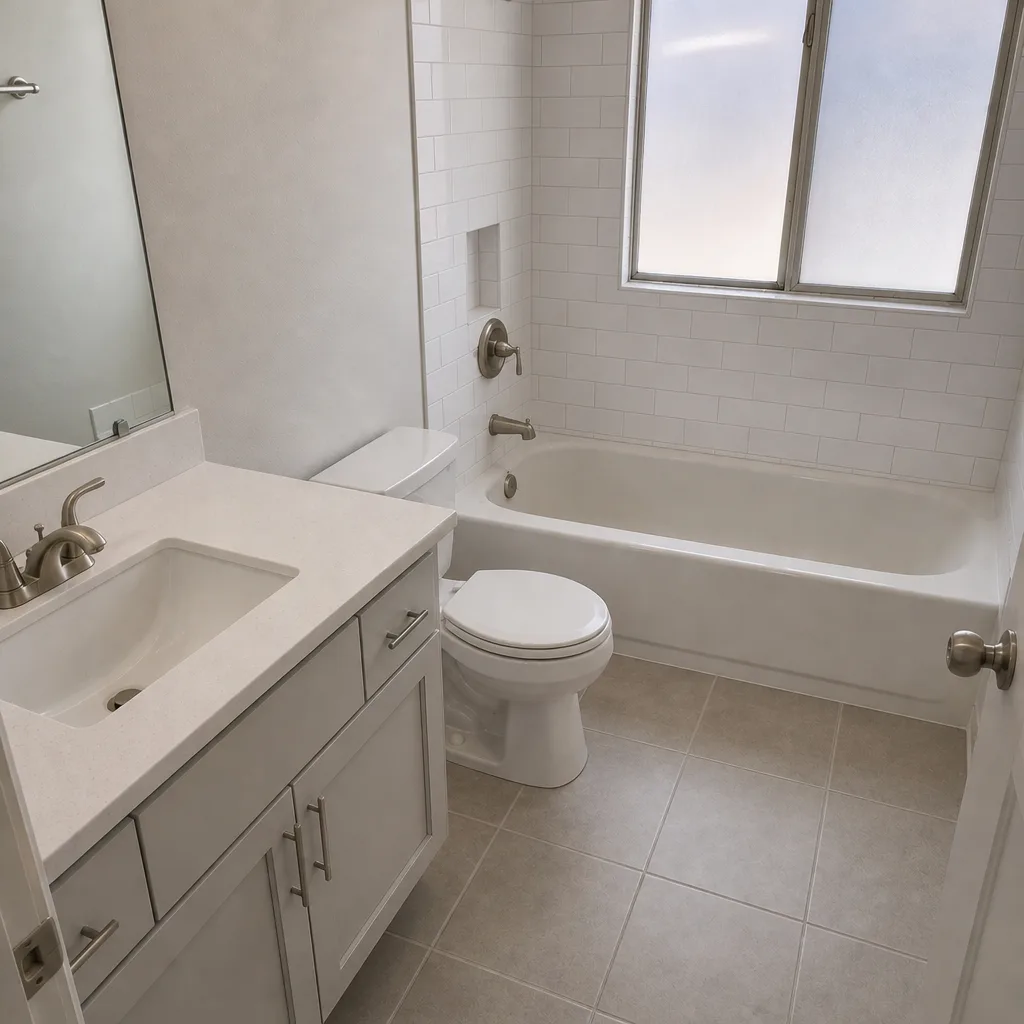 After
When to Call a Professional
Call a professional when the brand decision touches anything structural, exterior, or warrantable. If you’re specifying windows, exterior doors, or roofing on a Whitney home, the wind load and thermal cycling requirements are not something to guess at, and the installer authorization question needs to be answered before you commit. If your scope includes hardscaping or fencing, the difference between brands in Whitney’s UV load is real and a pro can steer you to the right line. If a manufacturer warranty claim is being denied on grounds that “installation wasn’t authorized,” that’s a signature moment for legal review and a pro to reset the specification. Same if you’re buying a home in Whitney and the previous owner’s brand install records are vague – pre-purchase inspection of the brand and warranty position protects you from inheriting a serviceability problem. Bradford Remodeling Co Whitney offers free estimates in Whitney and will put the full scope and price in writing. Call (833) 620-4908.
Frequently Asked Questions
Use the manufacturer’s contractor lookup tool, enter the Whitney zip code and confirm your contractor appears, then call the manufacturer’s warranty line directly to confirm installer authorization for the specific product line. Get the authorization in writing as a contract line item before work begins. This verification takes about fifteen minutes and prevents most warranty claim denials.
No. Manufacturer warranties cover materials defects, and sometimes limited labor, but they exclude installation error – which is the most common cause of the failures we see in Whitney. Installation coverage comes from the contractor’s written installation guarantee, not from the manufacturer. That’s why the contractor’s guarantee term is the number that matters most.
The specifications that matter most for Whitney exteriors: UV stability ratings for window frames, door skins, and fencing; thermal cycling tolerance for sealant joints and glazing; and design pressure values matched to Clark County’s wind load exposure category. Ask for the spec sheet in writing for each exterior product. Products without these ratings are not properly specified for Whitney.
A typical installation warranty covers the contractor’s work for a defined period. The 365-Day Done Right Promise is a written, full-year guarantee covering every completed project: if the work fails inside that window, Bradford returns and corrects it at no charge. The written term, covered scope, and return-visit process are provided in writing before the project starts.
The exterior products and the cabinetry and surfaces: windows, exterior doors, roofing (GAF, CertainTeed, Owens Corning), hardscaping (Belgard), and cabinetry (KraftMaid, Wellborn). The interior brand premium in categories like drywall, standard lumber, and common trim seldom justifies the cost, because those products perform essentially identically across brands when installed correctly.
It means your claim turnaround is measured in weeks rather than days, and parts can take longer still. Always ask the manufacturer’s warranty line, not the dealer, where the nearest service center is and what the expected turnaround is for a Whitney zip code. If the answer is out of state, factor that into the brand decision – or specify a brand with an in-state service footprint.
The Bottom Line
The right construction brand in Whitney is the one with a verified authorized installer, a service center close enough to matter, specifications matched to Clark County’s UV, thermal cycling, and wind load conditions, and a written installation guarantee behind the whole thing. Manufacturer warranties protect the material; the contractor installation guarantee protects the labor and the finished work. Bradford Remodeling Co Whitney puts the price and the 365-Day Done Right Promise in writing before any tool comes out, background-checks every technician, and answers the phone with a live person around the clock. Call (833) 620-4908 for a free estimate.
Written by the team at Bradford Remodeling Co Whitney.