Last updated November 18, 2026






Free written scope consultation - allowances, timeline, and change-order rules on paper before a single trade is scheduled
DIY vs Professional General Contractor: What’s Safe to Do Yourself
In Nevada, a homeowner can pull their own building permit and legally do their own work on the home they live in. That’s the part most people know. What they don’t know is that the same owner-builder exemption becomes a disclosure liability the moment they try to sell within a year, and an unpermitted addition can stall a closing faster than a bad inspection report. Whitney sits squarely in Clark County’s permitting jurisdiction, and we’ve watched more than one “I’ll just handle it myself” project turn into a title headache. This guide draws the real line between DIY and contractor territory by task, permit status, and safety risk, not by whether you can swing a hammer. You’ll learn which jobs are genuinely safe to self-perform, which ones require a licensed contractor no matter how handy you are, and how to act as your own general contractor for the prep work without absorbing liability you can’t afford.
Quick Answer
Safe DIY tasks are cosmetic and non-structural: painting, trim, patching drywall, swapping light fixtures and outlet covers, landscaping, and demolition. Unsafe or illegal DIY tasks are anything that requires a building permit or licensed trade work: electrical panel changes, gas line work, moving or removing walls, new plumbing rough-in, roofing, and structural modifications. In Nevada, the deciding factor isn’t your skill level. It’s whether the task triggers a permit, an inspection, or a licensed trade, and those three triggers define the legal boundary between what you can do yourself and what a licensed contractor has to handle.
Styles & brands we work with
- Kitchen remodeling
- Bathroom remodeling
- Home additions & ADU
- Roofing
- Windows & doors
- Driveway & pavers
- Fence
Table of Contents
- Nevada’s owner-builder permit rules: what you can legally self-perform
- The permit trigger list: what needs a sign-off in Whitney
- Risk tiers for common DIY tasks, with honest cost-of-failure estimates
- How to DIY the prep work a GC charges for
- What “coordination” really means when you’re your own GC
- The resale disclosure problem with owner-builder permits
- Common mistakes to avoid
- When to call a professional
Nevada’s owner-builder permit rules: what you can legally self-perform
Nevada allows a homeowner to act as an “owner-builder” on a property they own and occupy as their primary residence. That means you can apply for a permit in your own name, do the work yourself, and call for the inspections. The exemption exists so a family can improve their own home without hiring a licensed contractor for every small improvement. It does not mean you can do anything you want.
Three conditions matter most in Whitney, and they trip people up:
- Primary residence only. The owner-builder exemption does not apply to a rental, a flip, or a second home. If the property isn’t your primary residence, the work requires a licensed contractor, period.
- You must physically do the work. You can’t pull an owner-builder permit and then hire unlicensed labor to do it. If you hire a contractor, the contractor pulls the permit under their license.
- Licensed trades cannot be self-performed. Even as an owner-builder, certain work falls under state licensing requirements. Electrical service changes, gas line alterations, and some plumbing and HVAC work require a licensed and insured trade professional. The permit exemption doesn’t create a license exemption.
Here’s the part that surprises Whitney homeowners: an owner-builder permit gets recorded. When you sell, you have to disclose that the work was owner-built and, in many cases, sign an owner-builder disclosure form that shifts the liability for defects to the buyer. Mortgage lenders and title companies in Clark County know exactly what those forms mean, and a buyer’s agent will flag it. If you plan to sell within a few years, self-performing permitted work can cost you more in negotiating leverage than hiring a licensed contractor would have cost upfront. For structural and system-level work, a professional General Contractor in Whitney pulls the permit under their license and carries the liability with it.
The permit trigger list: what needs a sign-off in Whitney
Clark County’s permitting rules aren’t designed to make your life hard. They exist because unpermitted work creates title problems, insurance gaps, and safety hazards that outlive the job. In Whitney, the surest way to know whether a task needs a permit is to call the county building department and describe the work. But here’s the working list we use when we walk a Whitney home.
Work that requires a building permit and inspection:
- Moving, removing, or adding any wall, including interior partitions
- New plumbing rough-in or relocating existing plumbing fixtures or lines
- Electrical panel replacements, new circuits, or any work that touches the service
- Gas line installation or modification, always
- Roof replacement or structural roof repair
- Adding or enlarging windows or exterior doors in a load-bearing wall
- New decks over a certain height, or any deck attached to the house
- Finished basement or attic conversions that change the living space
- Any new or expanded bathroom, kitchen, or utility rough-in that moves water, gas, or drain lines
Work that usually does NOT require a permit:
- Interior painting and wallpaper
- Drywall patching and repair
- Replacing cabinets or countertops without moving plumbing or wiring
- Flooring replacement over an existing subfloor
- Trim, baseboard, and crown molding
- Replacing a light fixture at an existing fixture location
- Landscaping, sod, and irrigation
That second list is bigger than most homeowners expect. A kitchen refresher with new paint, new cabinets in the same footprint, and a new countertop is a legitimate DIY-adjacent project for someone with cabinet-install experience, though cabinetry work is harder than it looks. Where those markers blur is the moment you want to move the sink. The job stops being cosmetic. It’s now a Kitchen Remodeling in Whitney project with a plumbing rough-in, and the permit and licensed-trade rules take over.
Whitney’s arid climate matters here too. We see plenty of sun-baked stucco and dried-out exterior caulking on homes that are only fifteen years old. That’s a maintenance task, not a permit trigger. But when a homeowner decides to re-side the whole house because of cracking, that’s an exterior envelope project that requires a permit and a contractor who knows GAF and James Hardie specifications. Ceiling stains near a bathroom in Whitney almost always trace to a failed shower pan or a slow supply-line leak, and self-diagnosing those without a permit-rated fix usually costs more than the repair.
Risk tiers for common DIY tasks, with honest cost-of-failure estimates
Skill matters, but risk matters more. These tiers rank tasks by what goes wrong when a DIY job fails, including the cost to fix the fallout. The dollar figures are typical Whitney-area ranges for correcting the failure, including repair, permit retrofits, and cleanup.
Tier 1: Cosmetic (low risk, genuinely safe DIY)
- Interior painting: failure costs $150-$400 to reprep and repaint a room
- Trim and molding install: failure costs $100-$300 to redo a run
- Drywall patching: failure costs $75-$200 to fix
- Light landscaping and sod: failure costs $100-$500 to correct
Tier 2: Cosmetic but technical (medium risk, learn first)
- Tile work: a failed shower pan or poor substrate prep that leaks costs $2,000-$6,000 to tear out and rebuild, and that’s before water-damage repair
- Cabinet and countertop install: poor leveling or sealing creates callbacks and can damage the cabinet run; correction runs $500-$2,000 on a partial reinstall
- Interior door hanging and casing: $150-$400 to redo if the frame is out of square
In our experience, tile work is the task most often oversold as beginner-friendly. Setting tile is not the hard part. Preparing the substrate, waterproofing the shower walls, and getting the slope right on a curb is. A failed shower pan in Whitney means tearing the tile back out and rebuilding it, which starts around $2,000 and climbs fast if water soaked the framing.
Tier 3: Licensed trades and structural work (high risk, do not DIY)
- Electrical panel or circuit work: a botched panel can fail inspection and require a full re-do, $800-$2,500, plus fire risk
- Gas line work: a leak is an immediate safety threat to your household and neighbors; corrections and inspection run $400-$1,200 minimum
- Load-bearing wall removal: without an engineered beam and permit, you risk a ceiling that sags and a structural fix that can reach $10,000-$30,000
- Roofing on a steep pitch: falls are a genuine fatality risk; a failed roofing job costs $4,000-$12,000 to remove and reinstall
We’re not telling you this to sell you anything. We’re telling you because a single electrical or gas mistake is statistically unlikely to end in a small bill. It ends in a fire, a flood, or a permit retrofit that costs more than the initial project.
How to DIY the prep work a GC charges for
There’s a smart way to save money on a contractor’s quote without touching the licensed portion: do the prep work. General contractors charge for demolition, dumpster coordination, and material staging because the work takes time and liabilities. If you’re willing to do it yourself, the savings are real, and the licensed portion stays licensed.
Here’s how we’d stage it if we were building the schedule for a Whitney homeowner doing it themselves:
- Demo the space yourself. Pull out old cabinets, rip out carpet, remove drywall that’s already scheduled for replacement. Keep the work non-structural. Do not remove walls or structural elements. Demo a bathroom or kitchen with a permit already pulled for the replacement, not before.
- Arrange the dumpster. In Whitney, dumpster placement and permit signs matter. Stack the debris, order the right-size roll-off, and coordinate delivery and pickup around the inspection schedule.
- Stage materials. Have cabinet boxes, tile, or finish materials delivered and staged in a garage or covered area. Know what needs climate control and what doesn’t. Cabinetry and engineered surfaces should not sit out in a Whitney summer driveway.
- Do the finish painting. Once the licensed work is inspected and signed off, take over the finish coat yourself. Paint the walls, trim, and doors. If the painting is done after cabinet install, protect the counters and the cabinet faces.
What you don’t do is pull the electrical while your contractor handles everything else. That splits liability badly. The licensed trades stay with the licensed contractor, and the prep work stays yours. That’s the clean split. When we handle a Bathroom Remodeling in Whitney project and a homeowner wants to do their own demolition, we write the scope so the demo is the homeowner’s responsibility and the plumbing and tile are ours. It keeps the line where it belongs.
What “coordination” really means when you’re your own GC
Here’s the part most DIY guides skip. The general contractor’s real job is not swinging a hammer. It’s coordinating trades so the work is sequenced correctly, and absorbing the liability when a sequence goes wrong. That’s the part that costs you money if you take it on and get it wrong.
Coordination looks like this in practice:
- Scheduling trades in the correct order. Rough-in electrical and plumbing come before drywall, inspections happen after rough-in, and finish work comes after inspections pass. Get this order wrong and you’re paying a subcontractor to come back for a return visit, or paying for drywall to be opened back up.
- Managing inspections. Every permit requires one or more inspection callbacks. If you’re acting as your own GC, that’s your phone call, your schedule, and your consequence when an inspection fails and the next trade has to stand down for a week.
- Absorbing rework liability. If your tile sub installs over a rough-in that hasn’t been inspected, the inspection fails and the tile comes back out. In a contractor-led project, that’s the contractor’s cost. In a self-managed project, that’s your cost.
- Holding the paperwork. Subcontractor agreements, insurance certificates, lien waivers, receipts for material, and the permit set all live with the GC. If you’re the GC, they live with you, and a missing lien waiver on a $15,000 project can become a lien on your home.
In Whitney, we’ve seen owners try to run their own addition timeline and pay a plumber twice because drywall went up before the rough-in inspection. That’s a $600-$1,200 mistake that a contractor’s schedule would’ve caught. The question of whether to coordinate a whole-house project yourself comes down to whether you can carry that liability and keep the schedule tight. For a single-trade paint or flooring job, you probably can. For a whole-home Whitney remodel, the coordination itself becomes a full-time job.
The resale disclosure problem with owner-builder permits
This is the detail most homeowners learn the hard way. Nevada requires that when you sell a home where you did owner-builder work, you disclose it, and the buyer gets a formal notice that they’re not getting the same statutory protections they’d get from a licensed contractor’s project. Your buyer’s lender and title company will see the recorded owner-builder permit. That’s not a small thing.
What it actually costs you at resale:
- A buyer negotiating leverage point. An owner-builder disclosure often translates to a five-figure reduction request, or a buyer walking to a comparable home down the street.
- A lender complication. Some mortgage programs restrict financing on homes with recent unpermitted or owner-performed work, and the file can stall at underwriting.
- An inspection exception. An inspector will document the owner-builder scope in the report, and the buyer’s agent will use it to justify contingency requests.
- An insurance gap. If a past owner-built repair fails and causes damage, your policy may exclude the work if it was never inspected.
If you plan to sell at any point in the next three to five years, the clean move is a licensed contractor pulling permits and carrying the warranty. If you’re staying indefinitely and doing cosmetic work, the disclosure rarely comes up. The Whitney market adds its own wrinkle: homes that were built by multiple builders in the same neighborhood sometimes have haphazard existing records. When you add owner-builder work on top, sorting out what was permitted and when gets much harder for a title company.
Common Mistakes to Avoid
- Pulling an owner-builder permit on a rental property. The exemption covers your primary residence only. Doing permitted work on a rental without a licensed contractor can void the permit and your insurance coverage in one move.
- Hiring unlicensed labor under your own owner-builder permit. The exemption is for work you do yourself. Paying an unlicensed crew to do it under your name puts the entire liability on your household when a claim or inspection fails.
- Skipping the electrical and gas trades. Whitney homes older than about fifteen years often have panel capacity and gas line issues that only surface on a permit review. Self-performing that work is not just illegal, it’s a fire and safety hazard for your household and your neighbors.
- Reading the cost savings off the contract price only. A homeowner loses money on DIY permits when the resale disclosure cost exceeds the contractor savings. Compare the 10-year cost, not the day-one cost.
- Setting tile without waterproofing. Whitney’s dry climate means a slow leak in a shower pan sits inside the framing for months before anyone notices. By the time a ceiling stain shows, the subfloor and studs are wet. Rebuilding that fix routinely reaches $2,000-$6,000.
- Moving a wall without an engineer. Load-bearing walls look just like non-bearing ones to the untrained eye. Moving one without an engineered beam can cost $10,000-$30,000 to correct structurally.
- Letting a subcontractor carry materials without collecting a lien waiver. Unpaid material suppliers can place a lien on your home in Nevada even if you paid your contractor in full. Always collect the lien waivers as the project progresses.
See the difference
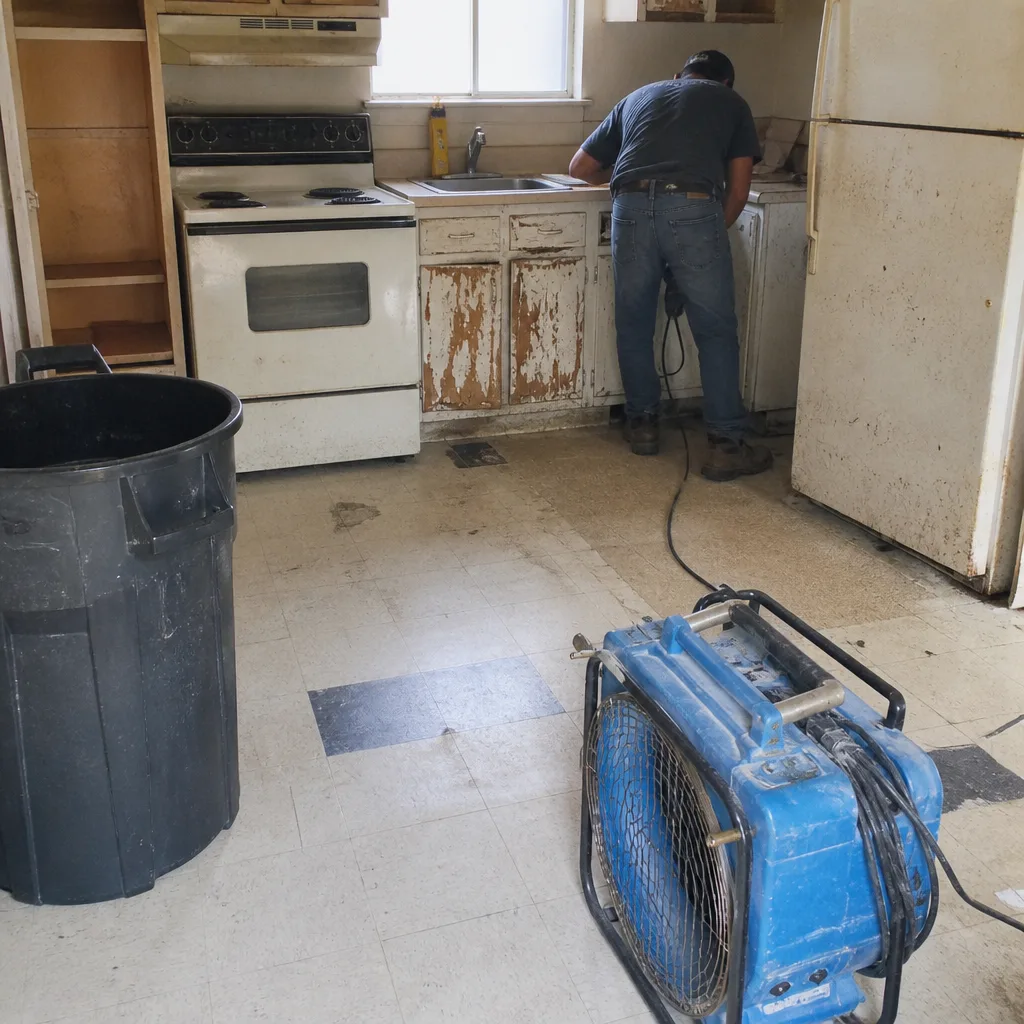 Before
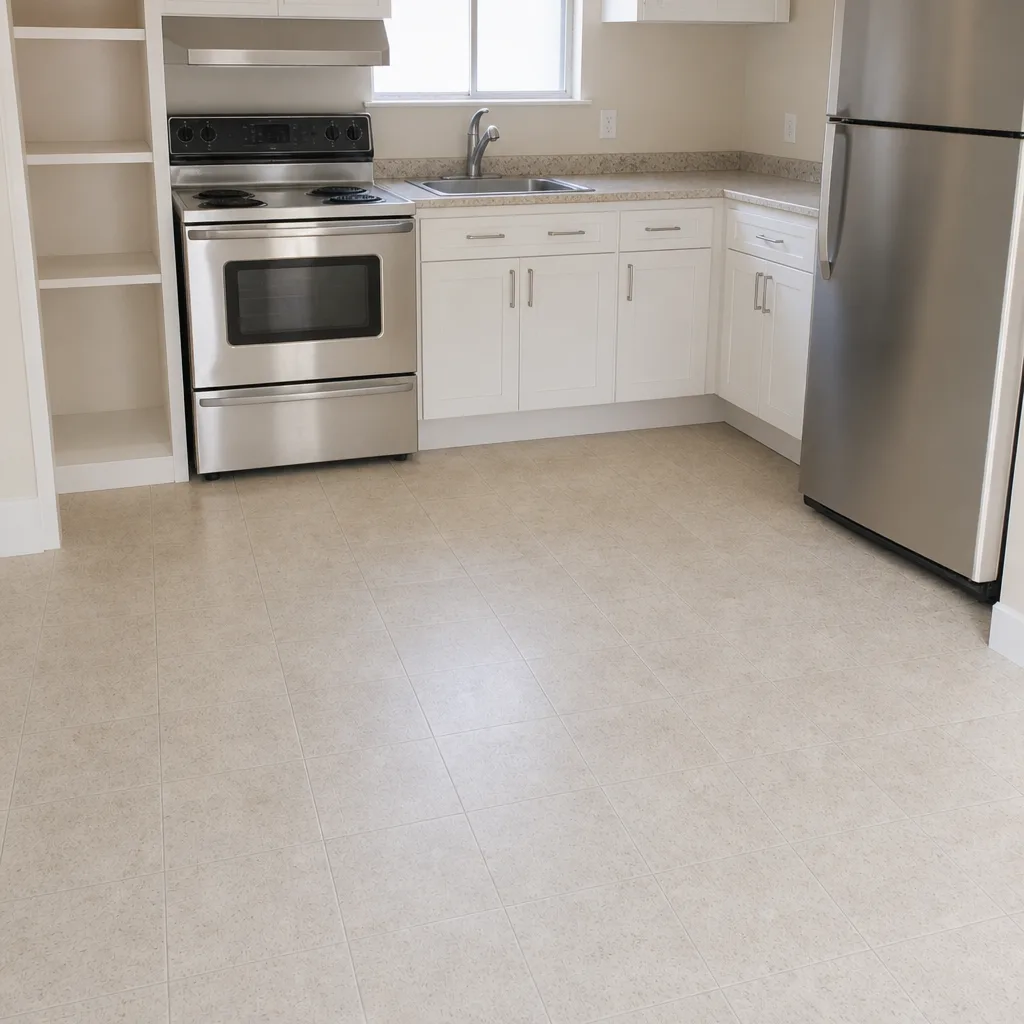 After
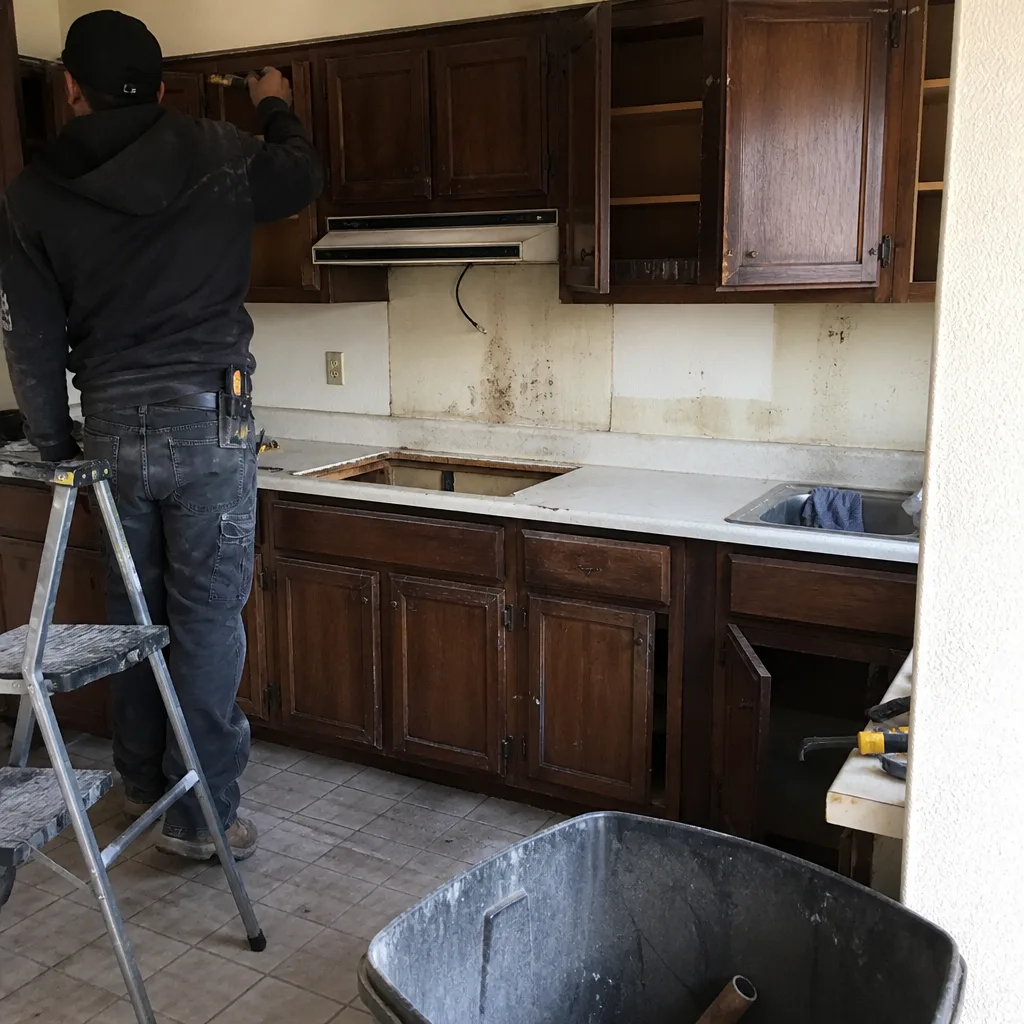 Before
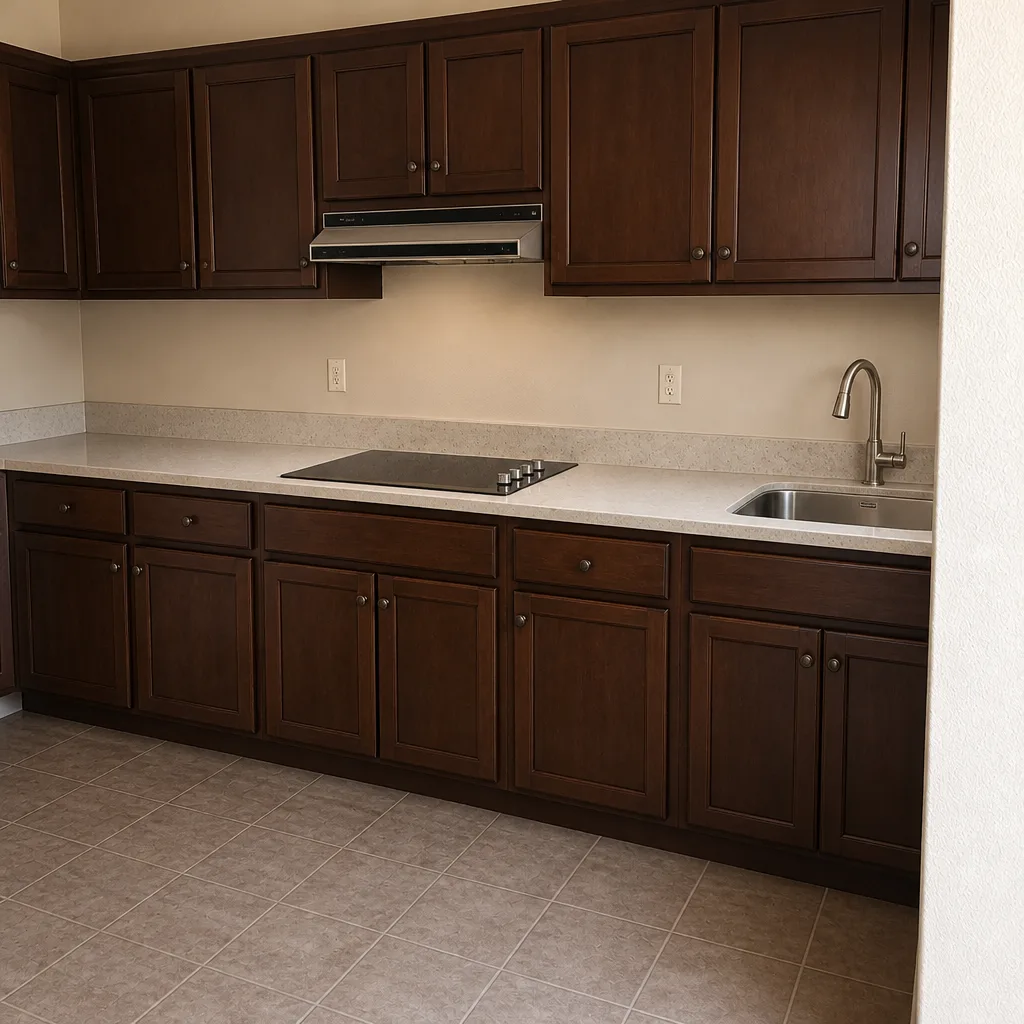 After
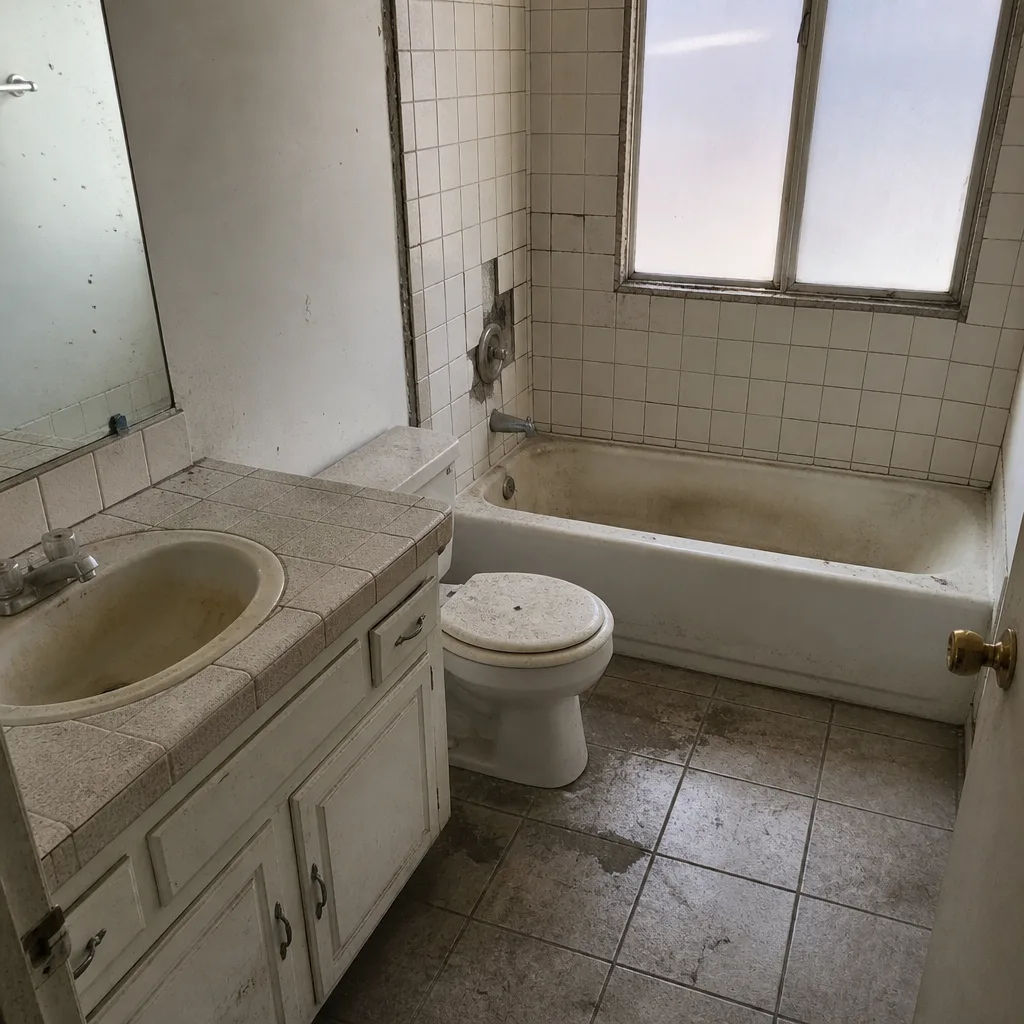 Before
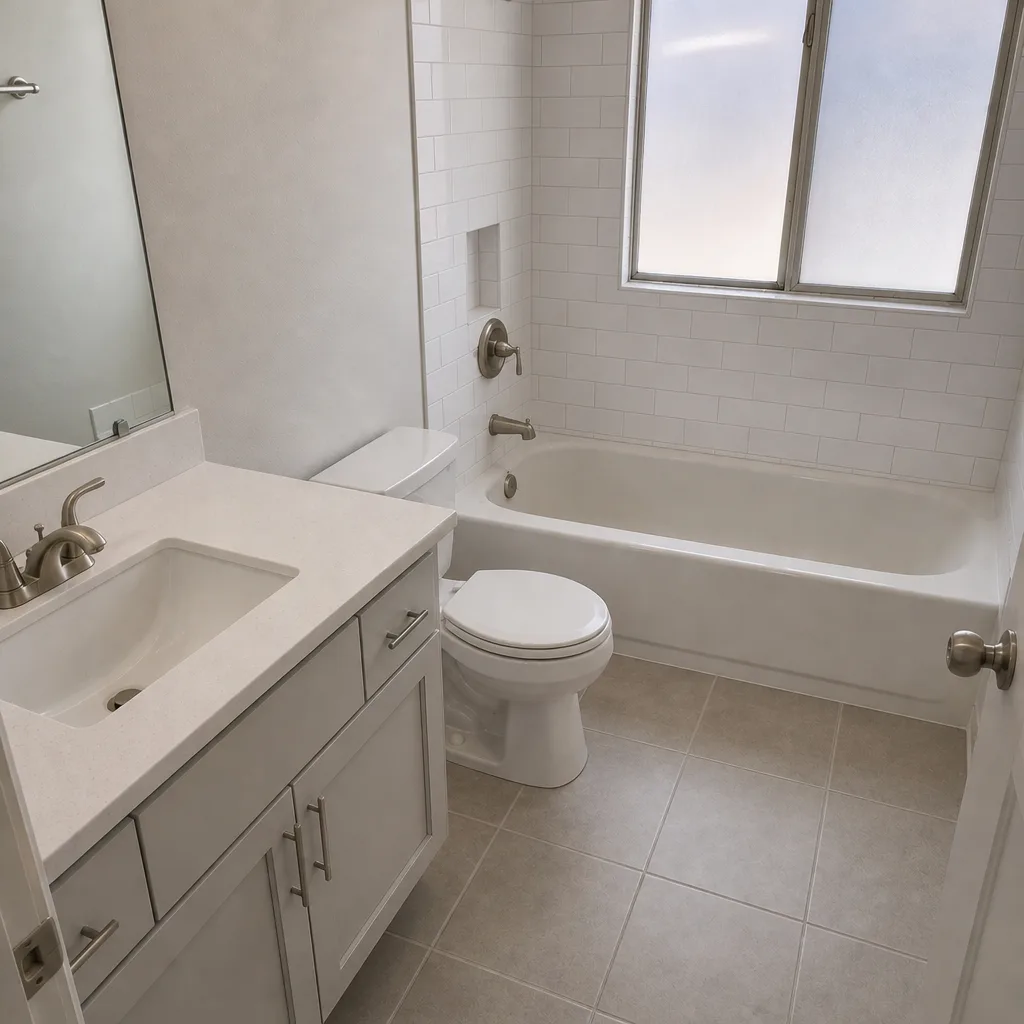 After
When to Call a Professional
Call a licensed professional when the task triggers a permit, involves a licensed trade, or touches structure. In Whitney, that means electrical panel work, gas lines, moving walls, plumbing rough-in, roof replacement, and any addition. It also means anything where a failure would leave you exposed at resale. The other case is coordination. If your project has more than two trades and a schedule that has to line up, the coordination itself is worth hiring out, because a sequencing mistake costs more than the coordination does.
Bradford Remodeling Co Whitney works with a documented roster of premium brands – GAF roofing, James Hardie siding, KraftMaid cabinetry, Cambria surfaces – so the specifications are traceable to the manufacturer and every project is covered by the 365-Day Done Right Promise. If the work fails within the guarantee year, we return and correct it at no charge. We put a written price in your hands before any work starts, so you know the numbers before you sign. Bradford Remodeling Co Whitney offers free estimates in Whitney – call (833) 620-4908.
Frequently Asked Questions
Yes, if it’s cosmetic and non-structural, and you live in the home as your primary residence. Painting, trim, drywall patching, flooring replacement, and landscaping do not require a licensed contractor. The moment the work requires a building permit, a licensed trade, or structural change, the rules shift and you need a contractor for that portion.
Moving or removing walls, new plumbing rough-in, electrical panel or circuit changes, gas line work, roofing, adding or enlarging exterior doors and windows, deck additions, and any change that adds living space. If the work moves, adds, or replaces a system, assume the answer is a permit. The safest call is the county building department before you start.
It can. Nevada disclosure requirements mean the buyer’s lender, title company, and agent will see the recorded owner-builder permit and its liability notice. In practice, that often costs a homeowner $5,000-$25,000 at resale in negotiating leverage or financing complications. Call (833) 620-4908 to talk through whether a licensed contractor pulling the permit is the better financial move for your timeline – the estimate is free.
No, and in Nevada it’s also not legally permitted for a homeowner to perform most electrical work, including panel changes and new circuits, because it falls under licensed trade requirements. Electrical failures start fires. Any electrical work beyond swapping a light fixture or outlet cover at an existing location should go to a licensed electrician. Call (833) 620-4908 if you want the work permitted and inspected under a licensed contractor.
Self-performing tile over an unprepared substrate, and pulling an owner-builder permit without understanding the resale disclosure. Both are expensive. A failed shower pan costs $2,000-$6,000 to rebuild, and an owner-builder disclosure can knock five figures off a sale. Call (833) 620-4908 for a free estimate if you’d rather not carry that exposure.
General contractor pricing varies by scope, but as a working range, kitchen remodels run $18,000-$60,000, bathroom remodels $9,000-$25,000, and whole-home projects start higher depending on square footage and finishes. The written line-item price is what matters, and that’s the number to ask for before any work starts. Call (833) 620-4908 to schedule a free estimate in Whitney.
The Bottom Line
The line between what’s safe to do yourself and what needs a licensed contractor isn’t about your skill. It’s about permits, licensed trades, and structural risk. Cosmetic work – paint, trim, flooring, patching – is genuinely safe DIY. Everything that triggers a permit or a licensed trade belongs to a licensed contractor, because the failure cost and the legal exposure run far beyond the job. In Whitney, one more factor matters: the resale disclosure rules on owner-builder permits mean the work you do yourself today can cost you at selling time. Do the cosmetic work yourself if it saves money, and let a licensed contractor carry the permits, the inspections, and the 365-Day Done Right Promise. Get a written price before any work starts. Call (833) 620-4908 for a free estimate.
Written by the team at Bradford Remodeling Co Whitney.