Last updated November 18, 2026








Free written scope consultation - allowances, timeline, and change-order rules on paper before a single trade is scheduled
Seasonal Construction Care for Whitney: Year-Round Homeowner’s Guide
Concrete poured in a Whitney August without adjusted water ratios and cure protection can lose up to 30% of its design strength. Most homeowners learn that fact when the slab cracks two summers later and someone finally reads the mix ticket. Whitney doesn’t run on four seasons. It runs on two brutal transitions and two narrow windows when exterior work should actually happen. This guide covers those windows, the monsoon prep most people skip, the winter tasks that are safe to handle and the ones that are quietly time-sensitive, and how to lock a written contract for spring work before schedules fill. It’s written from Whitney, for Whitney.
Quick Answer
In Whitney, schedule exterior construction and major maintenance in one of two windows: late March through May, and mid-September through November. Paint, stucco, roofing, and flatwork done outside those windows cost more and last a shorter time. Interior work and contract negotiation belong in the downtime between them, when crews have schedule room and you have negotiating leverage. One rule: get the price and the guarantee in writing before any work starts.
Styles & brands we work with
- Kitchen remodeling
- Bathroom remodeling
- Home additions & ADU
- Roofing
- Windows & doors
- Driveway & pavers
- Fence
Table of Contents
- Why Whitney Has Two Work Windows, Not Four Seasons
- The Spring Window: Late March Through May
- The Fall Window: Mid-September Through November
- Monsoon Prep Checklist for Whitney Homes
- Winter Tasks That Are Safe to DIY vs. Time-Sensitive
- How to Use Downtime to Lock Spring Contracts
- Scheduling Remodels Around HVAC: The July Kitchen Problem
- Common Mistakes to Avoid
Why Whitney Has Two Work Windows, Not Four Seasons
Whitney’s climate doesn’t hand you a tidy spring, summer, fall, and winter. It hands you a cool, workable spring that ends fast, a stretch of high heat that punishes exterior materials, a monsoon interval that tests every roof and wall, and a fall that’s the best working weather of the year. The two windows that matter for exterior work are late March through May and mid-September through November. Everything else is either interior season or a test of how well you prepped.
The reason is material behavior, not homeowner preference. Stucco applied in triple-digit heat cures too fast on the surface while the substrate underneath stays uncured. Paint skins over before it bonds. Concrete sets before the finisher can work it, so water gets added on site to keep it fluid, and that added water is exactly what kills compressive strength. Roofing adhesive and sealant on flat surfaces soften in peak heat and never get the thermal cycling they were tested for.
In our experience across Whitney, the jobs that fail early almost always trace back to a pour or a coating that was rushed into a bad window to hit a deadline. The window isn’t a suggestion. It’s the part of the schedule that decides how long the work lasts.
The Spring Window: Late March Through May
Spring in Whitney is the cleanest stretch for anything that touches the outside of the house. Daytime temperatures sit in a range where stucco, paint, and concrete cure at designed rates. The ground has settled from winter, so you’re not pouring on soft subgrade. Crews are also at their most available in early spring before the summer backlog builds. If your project needs exterior work, this is the window to aim for.
What belongs in the spring window:
- Stucco repair – cracks, patching around new windows, re-coating after a monsoon season of water intrusion. Ask for the substrate to be checked, not just the finish coat.
- Exterior paint – full repaints or trim and fascia touch-ups. GAF and James Hardie products both spec temperature ranges on the label; ask the crew to confirm they’re inside them.
- Flatwork – driveways, patios, walkways, and Belgard hardscaping. Cooler pour temperatures mean less water added on site and better strength.
- Window and door replacement – Therma-Tru door installs and flashing replacements go cleanly when the sealant has a full mild day to cure.
- Book the assessment in February or early March, before the schedule fills.
- Get the written price and scope before the crew mobilizes – it shouldn’t move after.
- Confirm the material spec by name (stucco mix, paint line, concrete mix design and water ratio).
- Schedule inspections up front if the work needs a permit.
Spring in Whitney also exposes winter damage you didn’t see in December. We regularly find lifted stucco around window corners and hairline cracks that opened over the cool months. That’s what the spring window is for – catch it, fix it, and let it cure before the heat.
The Fall Window: Mid-September Through November
Fall is the better of the two Whitney windows for anything with a long cure or a fussy finish. Temperatures drop into a stable range with cooler nights, which slows cure enough for finishing and lets sealants and coatings bond properly. If spring got away from you, fall is the second chance – and for many exterior projects it’s the better one.
What belongs in the fall window:
- Roof replacement or repair – shingle and flat-roof work. Atlas and Tamko products both carry temperature specs; fall lets crews hit them without racing the sun.
- Stucco and texture work – the cooler nights are your friend here.
- Exterior painting – window trim, fascia, soffit, and full repaints.
- Concrete and hardscaping – the rush is off, cure protection is easier to manage.
- Window flashing and caulk replacement – critical before the monsoon runoff and winter rain hit.
The fall window is also when you get ahead of winter. Every flashing detail, weep screed, and drain you check in October is one you’re not fixing in a February cold snap. A crew that gets the fall window right is a crew that isn’t back in spring patching the same spot.
Monsoon Prep Checklist for Whitney Homes
Monsoon season in Whitney doesn’t ask permission. It arrives, and it finds every weak point in a house – usually the flat roof, the stucco at the base of a wall, and the flashing around every window. Do this checklist in late spring, before the first real storm, and check the results after each major rain. It’s the single highest-value maintenance list on this page.
- Flat roof drains. Clear every scupper, drain, and low point. Debris collects in Whitney’s wind, and a clogged drain turns a flat roof into a pond with a load rating problem.
- Stucco weep screeds. The weep screed is the metal lip at the bottom of a stucco wall that lets moisture drain out. If it’s blocked, water sits behind the stucco and rots the framing. Check that nothing – landscaping, dirt, caulk – is covering it.
- Window and door flashing. Look at the top and sides of every window for lifted sealant or failed flashing tape. A single failed flashing corner is the most common entry point for monsoon water.
- Gutters and downspouts. Confirm water is moving away from the foundation, not pooling at it.
- Roof penetrations. Vents, skylights, and HVAC curbs – every penetration is a sealant joint, and every sealant joint is a monsoon target.
- Grading and hardscape drainage. Confirm patios and walkways slope away from the house. Belgard hardscaping done right handles runoff; done wrong, it channels it.
This checklist is core to maintenance in Whitney. It’s also why we tell homeowners to book roof and stucco inspections before summer, not after a leak shows up inside the house.
Winter Tasks That Are Safe to DIY vs. Time-Sensitive
Whitney winters are mild enough that a lot of maintenance can be handled by the homeowner. Some tasks look dormant in winter and aren’t. The trick is knowing which is which.
Safe to handle yourself
- Clearing gutters and checking downspouts after winter storms.
- Inspecting caulk and weatherstripping around doors and windows.
- Testing the furnace filter schedule and changing it.
- Walking the exterior after rain to spot ponding or new cracks – noting them, not fixing them.
- Checking the weep screed line for landscaping that’s crept up over it.
Time-sensitive – do it now, not in spring
- Roof leaks. A winter leak that looks minor lets water reach the framing and insulation. By spring the repair is a rebuild.
- Ice or wind damage to flashing. Failed flashing is a monsoon-water entry point and a warranty question. Get it documented and repaired before you need to prove when it happened.
- Interior moisture or mold. A cold-season interior leak that isn’t caught can turn into a mold job.
- HVAC servicing. A system that limps through winter will fail in the first summer heat. Service it in the dormant months.
- Contracting for spring work. The single most time-sensitive winter task – see the next section.
If you’re not sure whether something is dormant or urgent, get an assessment. It’s cheaper than a spring rebuild.
How to Use Downtime to Lock Spring Contracts
Winter is the best time of year to sign for spring work. Contractor schedules fill as the spring window approaches, and by March the good crews are booked. Signing in January or February gets you the first available slot and a written price locked before season demand moves it.
- Get two or three written estimates by mid-January. Ask each contractor for the scope and price in writing. If you can’t get a written price, that tells you something.
- Confirm the material spec by name. Ask for brands and product lines in writing – KraftMaid or Wellborn cabinetry, GAF or James Hardie exterior products, Therma-Tru doors, Cambria or Caesarstone surfaces. A spec you can trace is a spec you can hold to.
- Lock the schedule in writing. A start window, not a vague ‘spring.’ Put it in the contract.
- Read the guarantee before you sign. Know what’s covered, for how long, and how a return visit works.
- Confirm permit responsibility. Ask who pulls the permits and who handles inspection scheduling. It should be in writing.
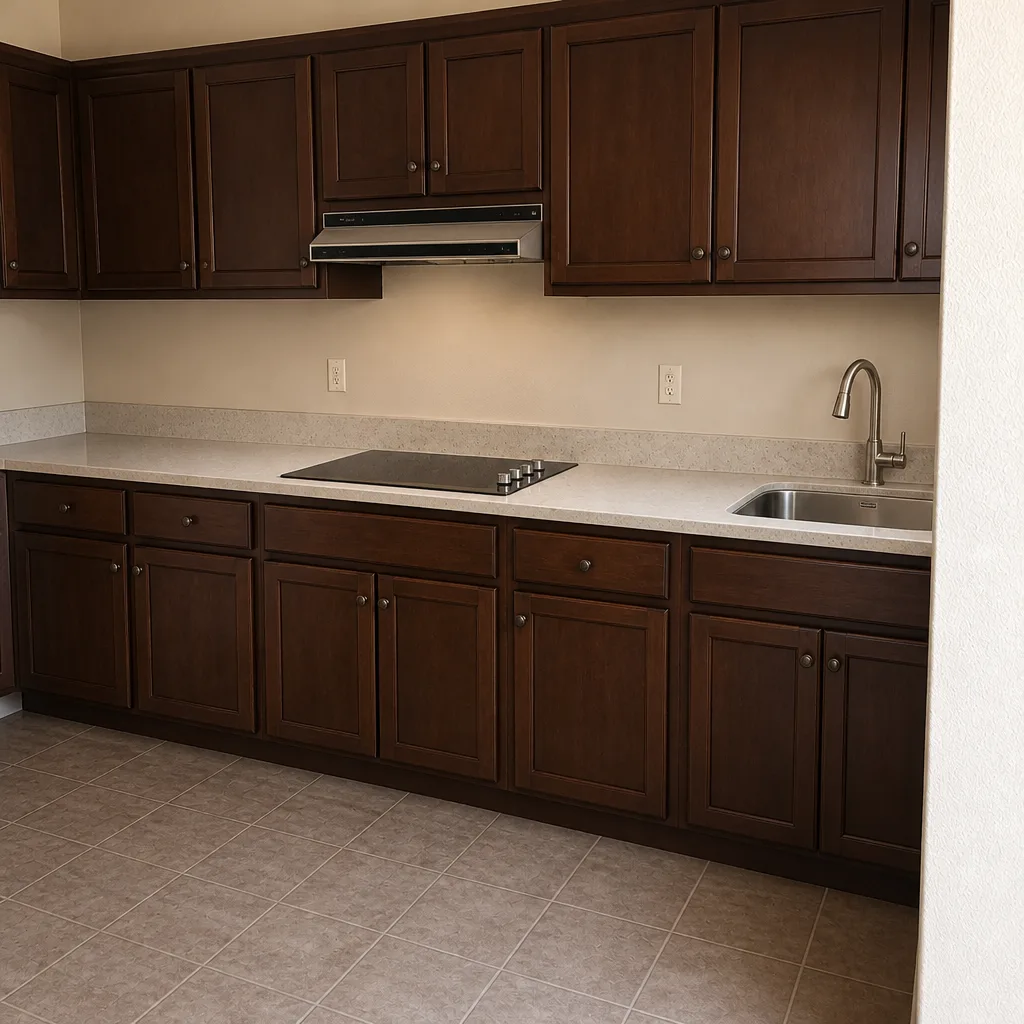
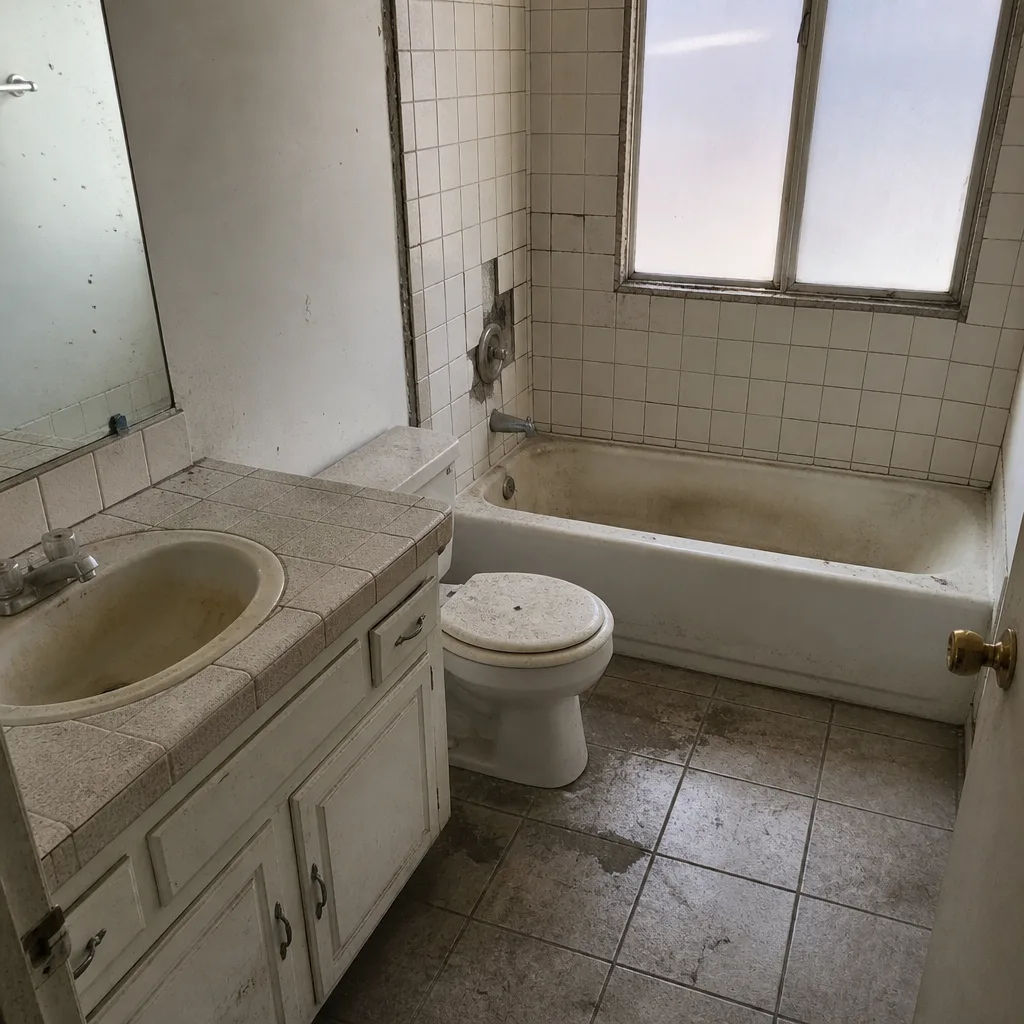
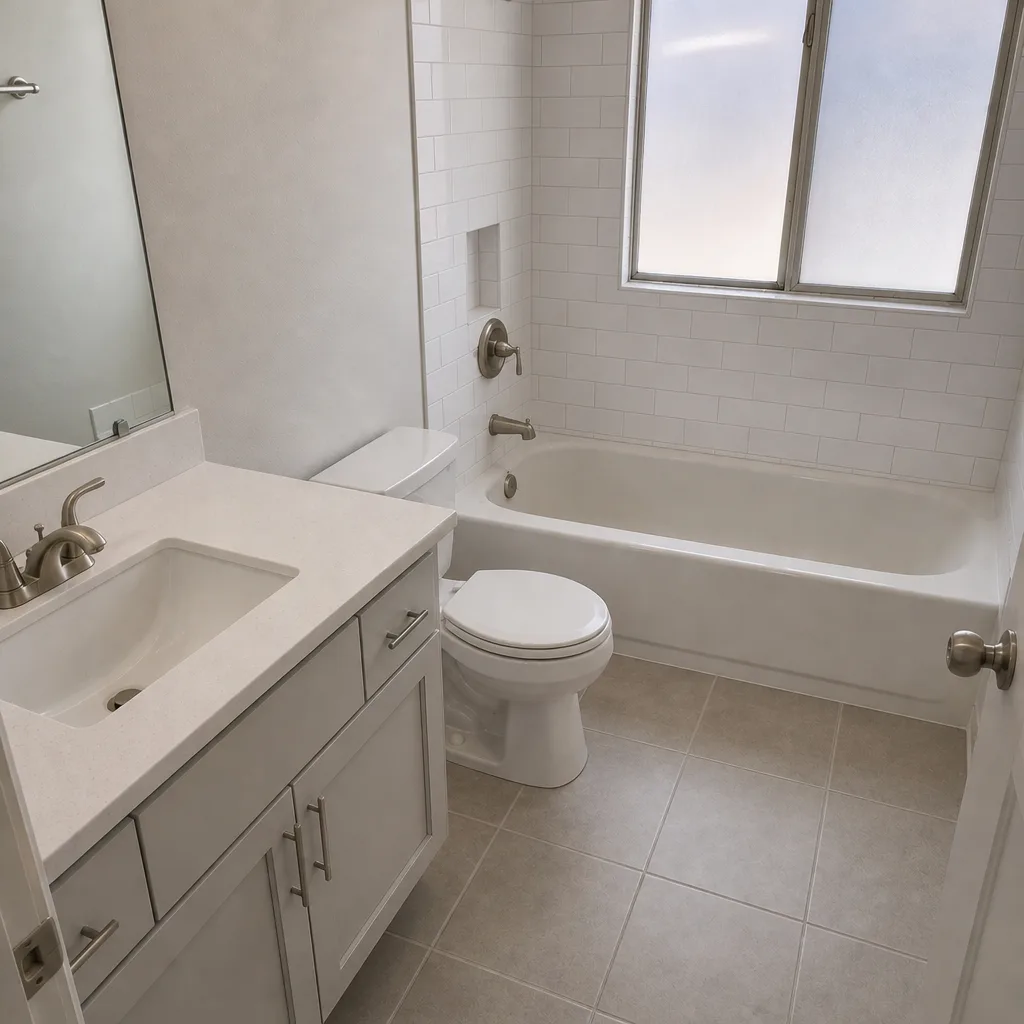
Downtime is negotiating time. It’s also the time to compare what each bid actually includes. If you’re ready to move on a bigger project, this is when to line up a general contractor in Whitney and get the scope squared away, and the same logic applies to a kitchen remodeling in Whitney or a bathroom remodeling in Whitney that’s been sitting on your list.
Scheduling Remodels Around HVAC: The July Kitchen Problem
A kitchen expansion scheduled in July without interim cooling planning is a job-site hazard. Whitney Julys are hot enough that a kitchen with one wall torn out and the ceiling opened becomes an oven. Crews can’t work safely in the afternoon heat, materials – adhesives, sealants, cabinetry finishes – cure or fail outside their spec range, and the house itself may have lost the duct runs or return air the old HVAC system relied on.
Plan the HVAC integration before the schedule, not after:
- Map the HVAC before demo. Know which duct runs and returns run through the walls you’re opening. Moving them mid-project is a change order waiting to happen.
- Plan interim cooling. If the system will be offline or undersized during construction, plan for temporary cooling or schedule the work for a mild month.
- Size the system for the remodeled space. A kitchen addition adds load. Get the system evaluated against the finished square footage before you sign.
- Schedule major interior demolition in spring or fall. A remodel isn’t a same-day job, and planning it around the seasons gives better results and a safer site.
The good news: this is a planning question, not a reason to delay. Our technicians have up to 22 years of experience, and HVAC coordination is one of the first things we walk through on a whole-home remodel. See our Bradford Remodeling Co Whitney home page for how we sequence a project, and ask the question in the estimate meeting.
Common Mistakes to Avoid
- Pouring concrete in August without mix and cure adjustments. Added water and fast evaporation can cost up to 30% of design strength. Pour in a window, or insist on adjusted mix and proper cure protection.
- Painting or applying stucco outside the temperature window. The finish looks fine in week one and fails in year two. Confirm the crew reads the temperature spec on the product.
- Skipping the weep screed check. In Whitney, blocked weep screeds are the most common cause of hidden stucco moisture. Check it in late spring and again after monsoon.
- Assuming winter means nothing needs doing. Roof leaks, flashing failures, and interior moisture get worse while they sit. Winter is the wrong time to wait.
- Signing for spring work in March. The schedule fills before the window opens. Lock the written contract in winter.
- Opening a kitchen in a heat wave with no cooling plan. It’s a safety issue and a materials issue. Plan the HVAC alongside the schedule.
- Accepting a price that isn’t in writing. The written price is the anchor. If it moves after the crew shows up, you never had one.
Bradford Remodeling Co Whitney operates on The Garrison Standard, which is a straightforward proposition: a written price before any work starts, background-checked and uniformed technicians on every job, and the 365-Day Done Right Promise on every completed project. If the work doesn’t hold within a year, we return and correct it at no charge. A live person answers our phone, not a voicemail queue.
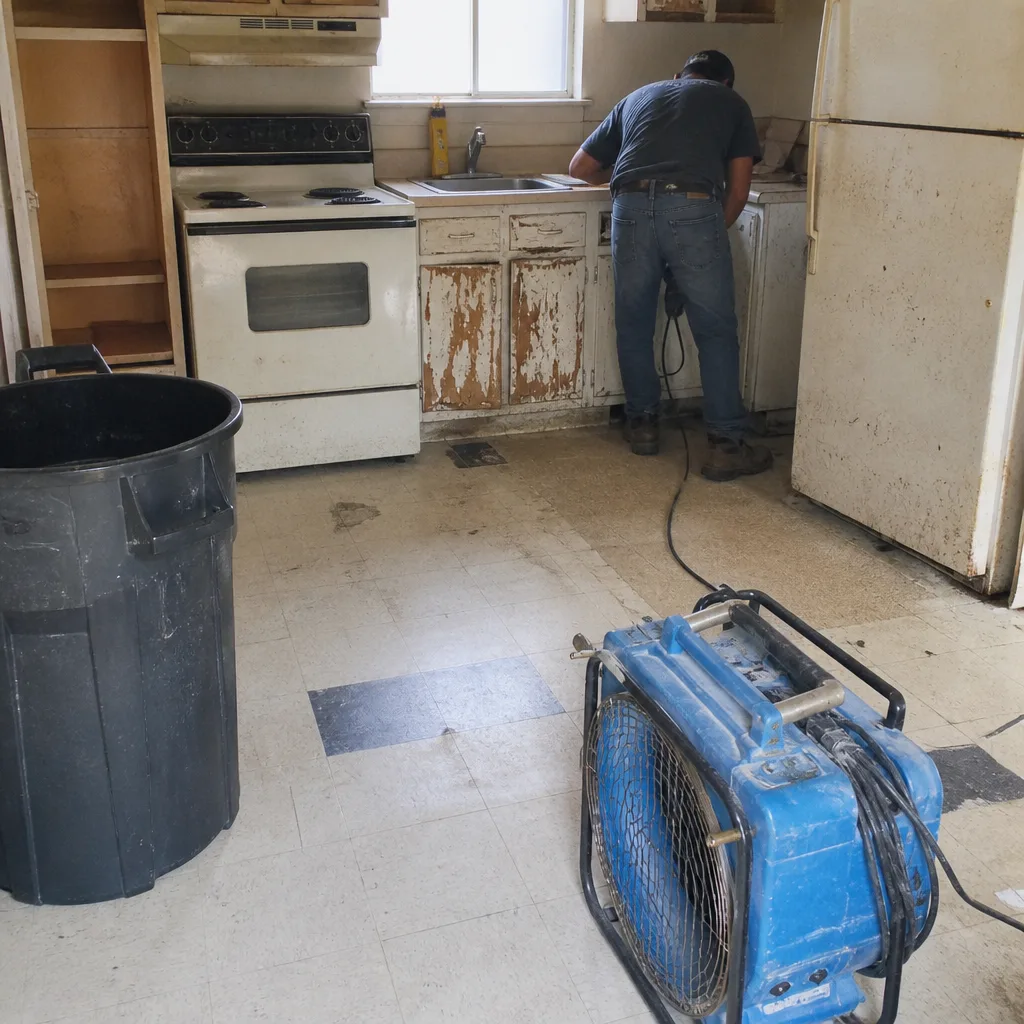
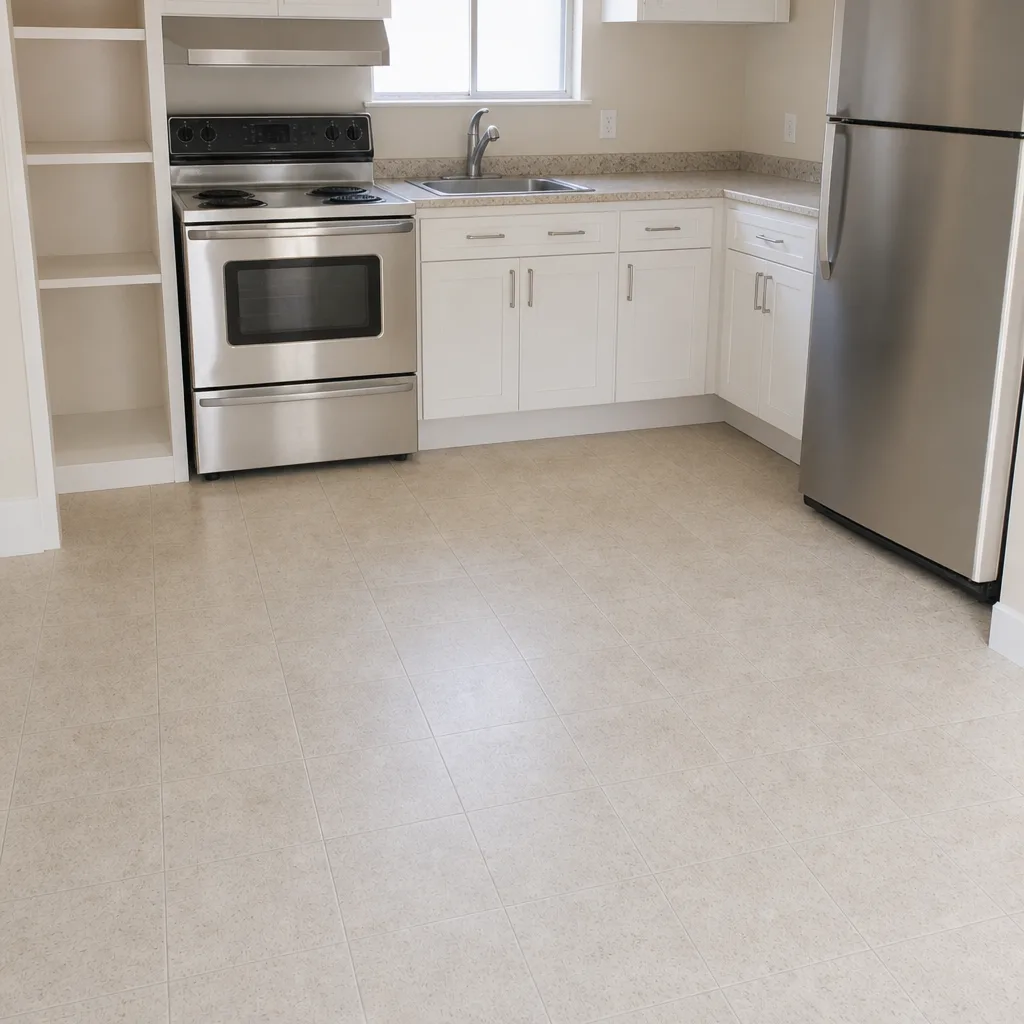
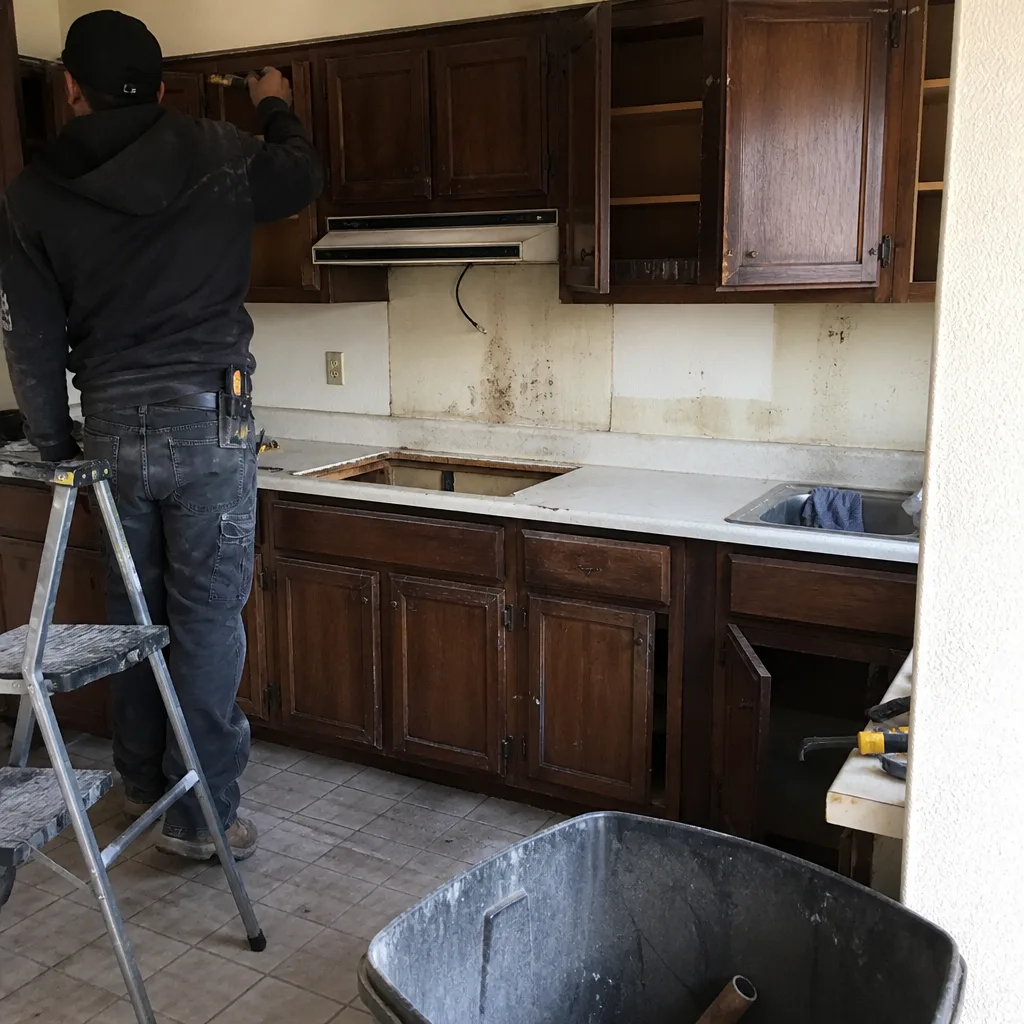
See the difference
 Before
 After
 Before
 After
 Before
 After
When to Call a Professional
Some seasonal tasks are homeowner work. Others look simple and aren’t. Call a professional for: roof leaks or a flat roof that isn’t draining, stucco that’s soft or cracked around windows, any failed flashing, a concrete pour or slab repair, HVAC work tied to a remodel, and any project that needs a permit. Monsoon damage, water behind stucco, and anything that could hide structural problems all belong on the professional list – not because it’s hard to reach, but because the wrong fix makes it worse.
Bradford Remodeling Co Whitney offers free estimates in Whitney – call (833) 620-4908. You’ll get a written price, a clear scope, and a plain answer about whether you’re looking at seasonal maintenance or a real repair.
Frequently Asked Questions

Late March through May and mid-September through November. Those are the two windows when stucco, paint, roofing, and flatwork cure and bond within spec. Work outside those windows costs more and fails sooner.
A monsoon prep inspection, weep screed check, and flashing walk typically runs in the low hundreds of dollars range as a standalone visit, and a stucco patch or roof drain repair runs more once the scope is defined. The exact number depends on what the inspection finds. Call (833) 620-4908 for a written quote – estimates are free.
Only with adjusted mix design and cure protection. Without them, a summer pour can lose up to 30% of its design strength and crack within a couple of years. If the schedule has to hit summer, insist on the mix and the protection plan in writing.
Clear the flat roof drains, confirm the stucco weep screeds are clear, check window and door flashing, clear gutters, inspect roof penetrations, and confirm grading slopes away from the house. Do it in late spring and recheck after each big storm.
Yes – permit responsibility is spelled out in writing before work starts, along with who handles inspection scheduling. It’s in the contract, not left to a phone call.
No. We give a written price before any work begins, and the number doesn’t move at the door. If the scope changes because of something the inspection missed, you get it in writing before we proceed. Call (833) 620-4908 for a written quote – estimates are free.
The Bottom Line
Whitney doesn’t give you four seasons to work with. It gives you two windows – late March through May and mid-September through November – and everything else is prep, negotiation, or damage control. Get the exterior work into a window. Do the monsoon checklist before the storms, not after. Treat winter leaks and flashing failures as time-sensitive even when they look dormant. And use the slow months to lock a written contract for spring with the material specs and the guarantee spelled out. That approach, done consistently, is what keeps a Whitney home squared away year after year.
If you want a straight read on what’s seasonal maintenance and what’s a real repair, we offer free estimates in Whitney – call (833) 620-4908. You’ll get a written price before any work starts, a background-checked crew on the day, and the 365-Day Done Right Promise on the finished work.
Written by the team at Bradford Remodeling Co Whitney.