Last updated November 18, 2026








Free written scope consultation - allowances, timeline, and change-order rules on paper before a single trade is scheduled
Home Remodeling Maintenance Schedule: What to Do and When
Most homeowners don’t realize that skipping one annual caulk inspection can void the moisture warranty on a bathroom remodel they spent $14,000 on. We’ve seen it happen here in Whitney: a hairline gap along a shower curb opens in the dry spring air, water slips behind the tile, and by the time the soft spot shows, the failure falls outside the workmanship window. A maintenance schedule isn’t about keeping your house pretty. It’s about protecting the work you already paid for, and knowing exactly which tasks void a contractor’s warranty if you skip them. This guide gives you a written calendar you can actually follow. We’ll break down the warranty-linked tasks versus the cosmetic ones, trade by trade, and tie the whole thing to Whitney’s high-desert climate.
Quick Answer
A post-remodel maintenance schedule should be built in four seasons – spring caulk and grading checks, summer exterior and paint inspection, fall roof and gutter work, and winter interior moisture review – with warranty-linked items documented every time. In Whitney’s high-desert climate, thermal cycling and low humidity accelerate wear, so tune a national maintenance guide to our conditions rather than following it as written.
Styles & brands we work with
- Kitchen remodeling
- Bathroom remodeling
- Home additions & ADU
- Roofing
- Windows & doors
- Driveway & pavers
- Fence
Table of Contents
- Which Maintenance Tasks Are Warranty-Linked?
- Why Whitney’s High-Desert Climate Changes the Schedule
- The Seasonal Cadence for Whitney, NV
- Tile and Wet Areas: The Most Common Warranty Failure
- Framing, Roofing, and Exterior Envelope
- Electrical and Mechanical Systems
- How to Document Maintenance for a Warranty Dispute
- Owner Maintenance vs. Contractor Callback
Which Maintenance Tasks Are Warranty-Linked?
Warranty-linked maintenance is any task your written contract names as a condition of coverage. If the contract says “the homeowner must maintain sealant at wet areas,” then failing to do it can void a moisture claim – even if the failure looks like shoddy work. Purely cosmetic tasks, like touching up paint on a baseboard, carry no warranty weight at all. Knowing which is which before you sign is the whole game.
Here’s how the two categories break down in our experience:
- Warranty-linked: sealant at all wet-area junctions, roof flashing clearance, grading that moves water away from the foundation, gutters kept clear, and (on some systems) filter or vent maintenance.
- Purely cosmetic: paint touch-ups, drywall nail pops that don’t crack the paper, cabinet hardware adjustment, and grout color fading.
- Grey area: cracks in tile grout or a slight slope at a shower pan. These need documentation, because they can go either way in a dispute.
When we hand a homeowner the signed written guarantee at job close, we also walk the schedule line by line and mark which items, if skipped, could affect the 365-Day Done Right Promise. That promise is a full-year written guarantee: if the work fails inside that window, Bradford comes back and corrects it at no charge. But the guarantee reads correctly only when the owner-maintenance terms were actually kept. It’s that simple, and it’s why we put the calendar in writing too.
Why Whitney’s High-Desert Climate Changes the Schedule
Whitney sits in the Mojave high desert, and that climate does specific things to a finished remodel. Day-to-night temperature swings of 30 degrees or more force materials to expand and contract constantly. Winter night temperatures regularly dip below freezing, then bounce back above 60°F by afternoon. Low humidity pulls moisture out of wood framing and grout, which cracks sealant joints faster than a coastal climate guide would ever predict. And the wind carries fine desert dust that infiltrates window tracks, sliding door glides, and HVAC returns.
Practically, that means three adjustments:
- Tighten the caulk cycle. Where a national guide says “inspect annually,” inspect every six months. In Whitney we regularly see spring sealant failures at exterior penetrations after a dry winter.
- Watch the wood. Framing and trim dry out and shrink in the low-humidity months. A door that stuck in the wet season may now swing free with a visible gap. That gap needs attention, not sanding.
- Clean the dust path. Every three months, clear the window weep holes, the sliding door track, and the HVAC return filter. Desert dust builds up on surfaces faster here than in wetter metros.
Thermal cycling is the silent one. A joint that looked perfect in August opens by February. Documenting those cycles with photos gives you evidence if a warranty issue arises later – by anyone’s crew.
The Seasonal Cadence for Whitney, NV
Here’s the calendar we recommend to homeowners across Whitney after a General Contractor in Whitney project wraps. It’s written around our climate, not a generic national schedule.
Spring (March – May)
- Inspect all exterior caulk at windows, doors, and siding joints; reseal any gap wider than a credit card edge.
- Check grading and soil settlement against the foundation after winter freeze-thaw.
- Test the ground-fault outlets in kitchen and bath.
- Clean gutters and confirm downspouts discharge away from the foundation.
Summer (June – August)
- Walk the roof or book an inspection before the monsoon season; check flashing at all penetrations.
- Check exterior paint for chalk or blistering on south- and west-facing walls, which take the hardest UV here.
- Look for heat-related movement cracks at hardscape joints.
Fall (September – November)
- Re-inspect caulk before the cold cycle begins – this is the critical reseal window in Whitney.
- Disconnect exterior hoses and verify hose bibs don’t leak.
- Clear roof valleys and check attic ventilation.
- Seal the bottom plate at exterior thresholds where desert dust pushes under doors.
Winter (December – February)
- Run interior humidity checks; low indoor humidity in a heated house can open grout lines.
- Inspect under-sink cabinets for weeping supply lines.
- Clean HVAC filters monthly during peak heating.
- Note any new cracks in tile or drywall with date-stamped photos.
Tile and Wet Areas: The Most Common Warranty Failure
Tile and wet areas fail for one reason before any other: water gets behind the setting bed through a failed seal. Grout is not waterproof. The waterproofing layer behind it is, and that layer is only protected as long as the sealant at change-of-plane junctions stays intact. Most of the repairs we get called to in Whitney trace back to a shower curb or niche seam that opened and was never resealed.
Do this every six months:
- Run a dry finger or a plastic card along every caulk joint in the shower, tub surround, and backsplash. Anything that lifts or gaps gets cut out and resealed.
- Check the shower pan slope – water should drain without pooling for more than a few minutes.
- Look for efflorescence, a white mineral bloom that signals moisture moving through tile.
- Photograph any cracked grout line with a date in frame.
Grout is the homeowner’s responsibility; the waterproofing behind it is the contractor’s. When a homeowner keeps the sealant current, the 365-Day Done Right Promise covers the assembly underneath. If it’s Bathroom Remodeling in Whitney done by our team, we spell out that boundary line in the written scope so there’s no dispute later.
Framing, Roofing, and Exterior Envelope
Framing rarely fails on its own. It fails because water got to it. Roofing and the exterior envelope are where you catch that water first. A framing warranty claim almost always traces back to a seam at a roof valley or a flashing detail that nobody checked between storms.
The yearly envelope inspection covers:
- Roof: lifted shingles, cracked sealant at pipe boots, and lose granule loss on south-facing slopes, which weather fastest under Whitney’s summer sun.
- Flashing: chimney, skylight, and vent penetrations, the three most common leak points.
- Siding and trim: look for separation at joints and soft spots in engineered wood trim, which needs resealing or replacement sooner in our dry air.
- Windows and doors: check the weatherstrip and the seal at the frame. Desert dust in a lost seal becomes an air-leak bill you don’t see until summer.
Roof work is not a homeowner task. Walk the perimeter from the ground with a ladder and binoculars; leave the shingles to a trained roofer, because fall hazards on a pitched roof are real and unforgiving. Note anything suspicious with a photo and date.
Electrical and Mechanical Systems
Electrical maintenance is mostly inspection and testing – never opening a panel yourself. Inside a home remodeling warranty, the electrical rough-in and final connections are covered workmanship; a tripping breaker or a hot outlet a year later may be an owner-side load problem or a device failure, and the only way to know is to document it early.
The safe homeowner tasks are simple:
- Test every ground-fault outlet in bathrooms, kitchens, garages, and outdoors monthly during the wet and monsoon seasons.
- Watch for warm faceplates or buzzing switches; stop using the circuit and call an electrician.
- Label any new circuit in the panel when the project closes. We do this as part of close-out, and ask homeowners to erase and relabel if they change fixtures.
- Change HVAC filters monthly in heating season, quarterly otherwise. Desert dust clogs them fast.
Do not open a breaker panel to “check” anything. That is a licensed electrician’s job, and doing it yourself is exactly the kind of action that can void an electrical warranty and put you in real danger.
How to Document Maintenance for a Warranty Dispute
Documentation is the difference between a warrantied repair and a disputed one. If a contractor claims the failure came from owner neglect, the homeowner with a dated photo log wins the argument every time. Build that log from day one, and keep it with the warranty papers.
Use a simple three-part system:
- Dated photos: phone photos with the date enabled, one wide shot and one close-up per item. Store them in a single folder named by year.
- A written log: a running note that records the date, task, and any change. One line per task is enough – “3/14 – resealed master shower curb, two joints” is a complete entry.
- Receipts: keep receipts for any parts or professional service you hire for maintenance, folded into the same folder as the contract and the written guarantee.
When a dispute arises, you’ll hand over that folder in a single package: contract, guarantee, photos, log, receipts. That package is what “squared away” looks like on the homeowner side – and it’s how you get a contractor to honor a claim without argument.
Owner Maintenance vs. Contractor Callback
The distinction is written in your contract, not guessed at. Owner maintenance items are the tasks you agreed to perform to keep coverage in force. Contractor callback items are failures of workmanship or materials that appear during the guarantee period and require a professional return visit.
Here’s how to tell which is which:
- It’s likely a callback if: the failure appears early, is localized to the installation, or traces to material defect (a joint that popped with no missing sealant, a tile that cracked on a properly set bed, a door that doesn’t latch).
- It’s likely owner maintenance if: the failure involves a neglected sealant joint, missing grout, clogged drainage, or a load the owner added after close-out.
- It’s unclear if: the failure is at a boundary line. Document it and call. Under the written guarantee, a Bradford return visit to the same work is correct at no charge if it falls inside the 365-day window.
Read the schedule in your contract before you need it. The people who get caught out are the ones who found out about the boundary line only after a leak.
Common Mistakes to Avoid
- Skipping the annual caulk inspection. In Whitney’s dry air, a gap opens between winter freeze-thaw and summer heat. That gap voids moisture coverage on a shower you spent five figures on.
- Using the wrong sealant. Silicone over fresh mortar or the wrong exterior grade fails inside a year. Match the product to the joint and to the climate.
- Spraying a pressure washer at siding or window frames. It drives water behind the envelope and weatherstrip. Wash with a hose and soft brush instead.
- Not documenting anything. No photos, no log, no receipts means no evidence. A warranty claim becomes your word against a contractor’s.
- Confusing cosmetic and warranty-linked items. Painting over a cracked grout line to make it “look finished” can void coverage for the real failure behind it.
- Skipping the roof check before the monsoon. We see this every July – a lift on a valley flashing becomes a ceiling stain by August.
- Letting dust build in HVAC returns and window tracks. Desert dust accelerates wear on seals and motors in Whitney. Clear the path every quarter.
If you’re planning a new project and want the schedule built in from the start, the team behind Kitchen Remodeling in Whitney and whole-home work writes the maintenance calendar into every close-out package.
See the difference
 Before
 After
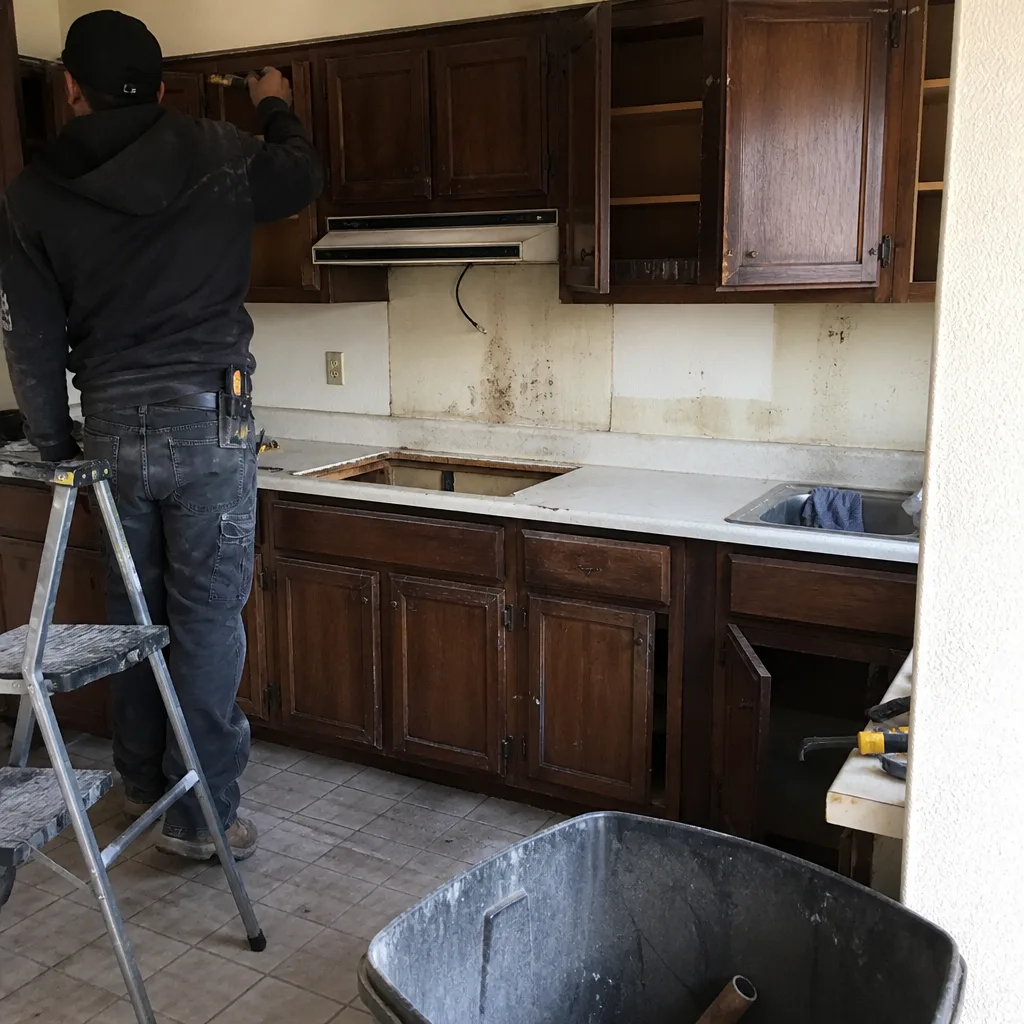 Before
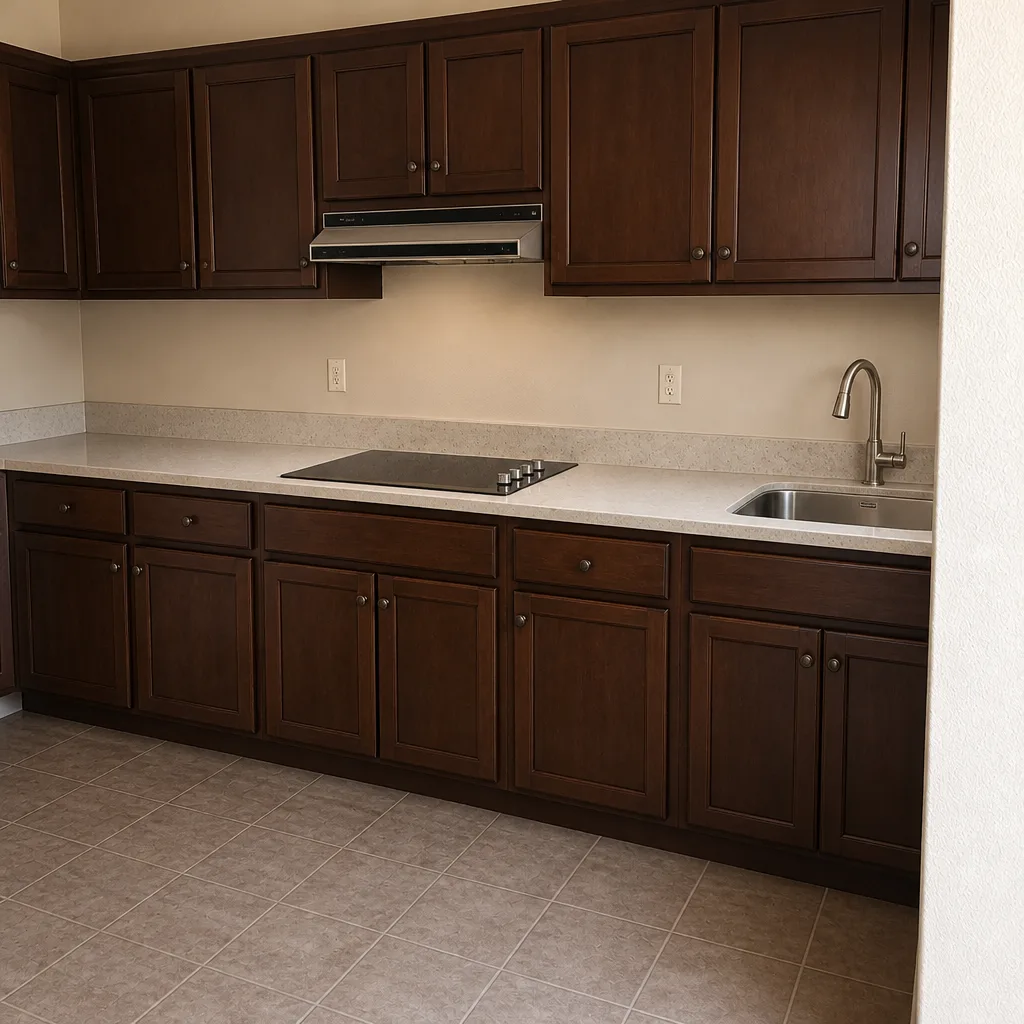 After
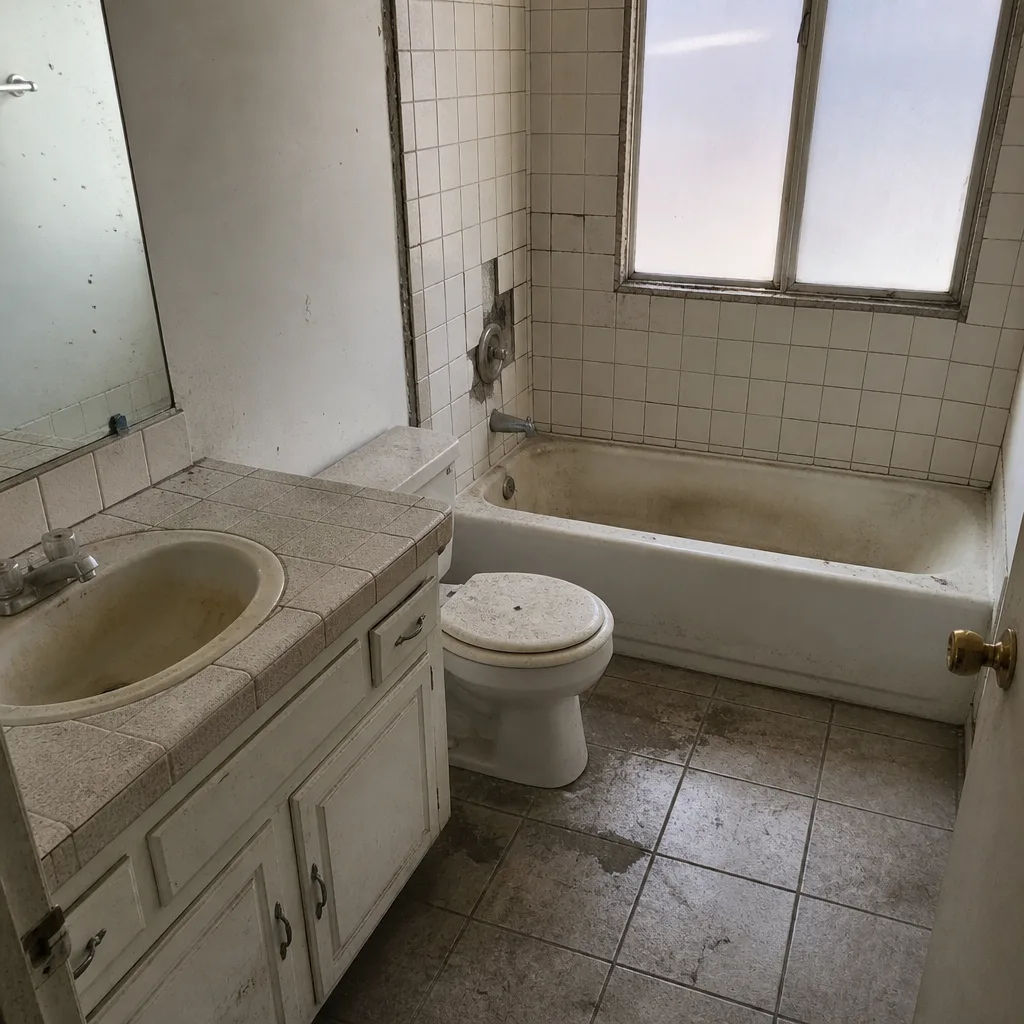 Before
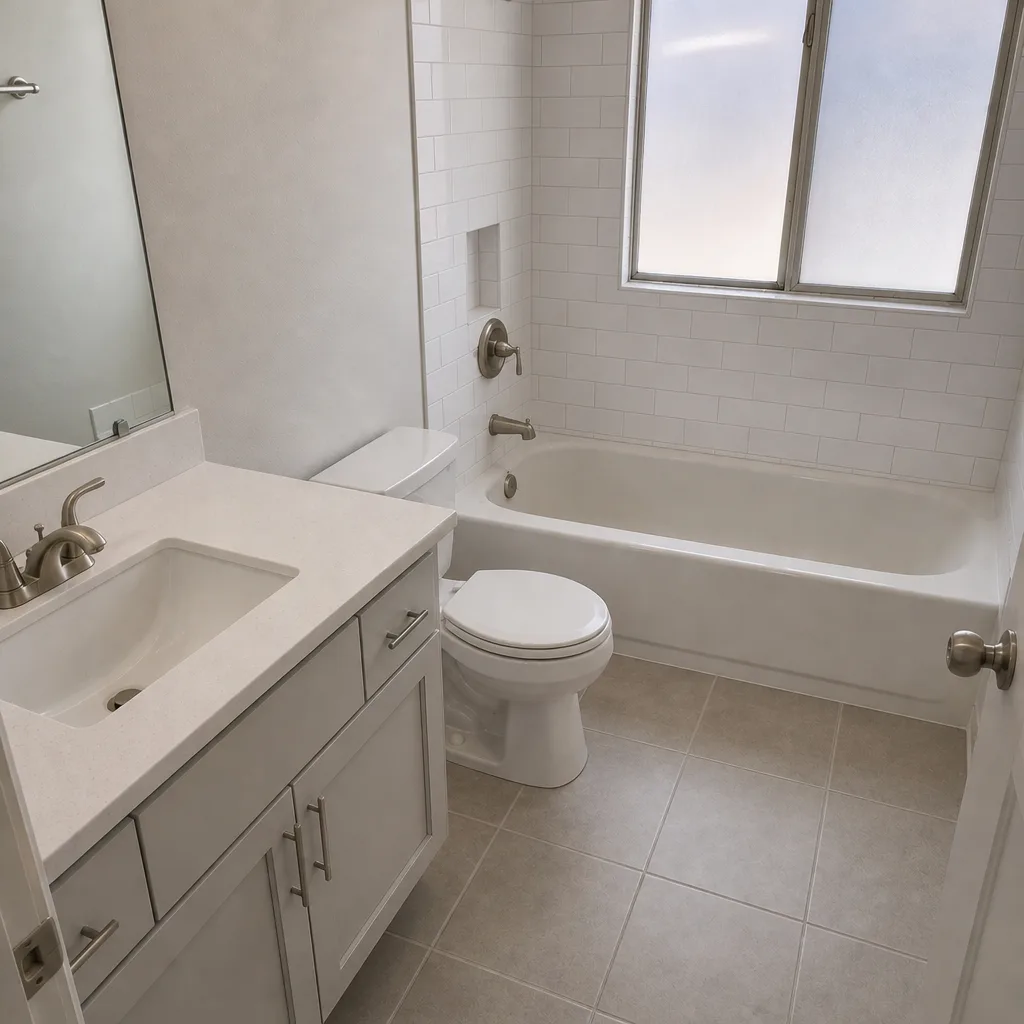 After
When to Call a Professional
Call a professional the moment water moves where it shouldn’t, a breaker trips repeatedly, a roof shingle lifts, or a structural crack appears in drywall or tile that’s wider than a hairline and growing. Roof work and electrical panels are never homeowner jobs, and neither is anything that touches framing. If you’re unsure whether a failure is a callback under warranty or owner maintenance, call and ask – documenting it starts the conversation. Bradford Remodeling Co Whitney offers free estimates in Whitney, with a written price before any work starts. Call (833) 620-4908 and a live person answers, day or night.
Frequently Asked Questions

Yes, when the contract names that maintenance as a condition of coverage. Sealant at wet areas and roof drainage are the two most common warranty conditions. Keep a log and photos to prove the work was done.
Every six months, not annually. Whitney’s freeze-thaw cycles and low humidity open sealant joints faster than a national guide predicts. Inspect in spring and fall, and reseal any joint that lifts.
Any task the contract lists as owner maintenance – typically sealant, grout upkeep, filters, drainage, and exterior checks. Workmanship failures inside the guarantee period are the contractor’s responsibility. The schedule is written, so read it before you need it.
Yes. Every estimate is free, and it comes with a written price before any work begins. There’s no number that moves at the door, and no change orders. Call (833) 620-4908 to schedule.
It’s our written framework for how jobs are run – documented scope, written price before work starts, and a signed guarantee at close. Every completed project carries the 365-Day Done Right Promise: if it fails inside the year, we come back and correct it at no charge. Owner-maintenance terms are spelled out in the same document so both sides are clear.
Keep a dated photo log, a written log, and receipts in one folder with your contract and guarantee. That record is what settles a dispute. Without it, the claim comes down to memory and guesswork.
The Bottom Line
A maintenance schedule protects the work you already paid for. In Whitney, tune it to the desert: six-month caulk cycles, quarterly dust clearing, and a fall reseal before the cold cycle. Separate warranty-linked tasks from cosmetic ones, and document everything with dated photos and a written log. When a failure crosses into professional territory – water, framing, roof, or electrical panel – call. Bradford Remodeling Co Whitney writes the maintenance calendar into every close-out package, backed by the 365-Day Done Right Promise and a written price before work starts. Call (833) 620-4908 for a free estimate, and find more at our Bradford Remodeling Co Whitney home page.
Written by the team at Bradford Remodeling Co Whitney.