
Last updated November 18, 2026








Free written scope consultation - allowances, timeline, and change-order rules on paper before a single trade is scheduled
Kitchen Remodeling Warning Signs Every Homeowner Should Know
A contractor with beautiful Instagram photos and no written lien waiver policy has already told you everything you need to know about how the job will end. In our experience, the failures that wreck a kitchen remodel rarely start with a bad tile set or a crooked cabinet. They start in the paperwork: the missing page, the number that moves, the deposit that’s larger than the law allows. This guide teaches you to audit a contractor’s business practices before you audit their portfolio, so you can walk into a Whitney kitchen project with your eyes open and your money protected.
Quick Answer
The biggest kitchen remodeling warning signs are paperwork failures, not craftsmanship failures: no written lien waivers on material deliveries, a cash deposit larger than the state allows, a scope of work that leaves room for verbal change orders, and a contractor who suggests skipping permits to “save time.” If any of those show up before you’ve signed, the job is telling you how it will end. Anyone quoting a Whitney kitchen should put the price, the scope, and the guarantee in writing before a single tool comes out.
Styles & brands we work with
- Kitchen remodeling
- Bathroom remodeling
- Home additions & ADU
- Roofing
- Windows & doors
- Driveway & pavers
- Fence
Table of Contents
- Why the Red Flags Live in the Paperwork
- Lien Waivers: The Document Most Homeowners Never Ask For
- The Large Cash Deposit Pattern (and What Nevada Law Allows)
- Scope Creep by Verbal Change Order
- Checking the Nevada State Contractors Board License
- The Inspection-Skip Warning Sign
- Why “Name-Brand Materials” Needs a Paper Trail
Why the Red Flags Live in the Paperwork
Most homeowners evaluate a kitchen contractor on craftsmanship and price. That’s the wrong first test. A kitchen remodel is a contract before it’s a build – the paperwork is where the risk actually lives, and it’s the one thing a homeowner can audit before spending a dollar. In our experience, a well-run project is legible before demolition: you can trace the scope, the price, the change-order process, the permit plan, and the guarantee. When those documents don’t exist, the project isn’t just under-documented. It’s unstructured, and unstructured projects drift toward surprise invoices and unfinished work.
A kitchen is one of the most document-intensive rooms in a house. Cabinetry, countertops, plumbing rough-in, electrical, tile, and appliances all cross multiple trades, and each one brings a paper trail: quotes, purchase orders, delivery receipts, warranty cards, and lien waivers. The kitchen remodeling in Whitney we run starts and ends with a written record for exactly this reason. A contractor who gets this right shows you the trail before you ask. A contractor who gets it wrong gives you a handshake and a promise.
So here’s the reframe we want you to hold onto for the rest of this guide: when you interview a kitchen remodeler, you’re not really judging how they build. You’re judging how they run a business. The discipline that shows up in a signed change order is the same discipline that shows up when the countertop template comes back wrong.
Lien Waivers: The Document Most Homeowners Never Ask For
A lien waiver is a signed statement from a contractor, subcontractor, or material supplier confirming they’ve been paid and give up the right to file a mechanic’s lien against your property. Miss it, and a supplier who never got paid by your contractor can file a lien on your home title even though you paid your contractor in full. In Nevada, a lien attaches to the property, not to the person who owes the money, which is why an unpaid material delivery to a Whitney kitchen can become a title problem long after the last cabinet is hung.
Filing and releasing liens in Nevada runs on a strict statutory timeline with notices that have to be served correctly and deadlines that don’t move. A contractor who doesn’t track lien waivers on material deliveries is a contractor who isn’t tracking the money trail on your job. In our experience, that’s the same contractor who later tells you the granite supplier “hasn’t invoiced yet.”
Here’s what to ask, in writing, before you sign:
- Will you provide a conditional lien waiver with every material delivery? A conditional waiver releases the lien only upon payment – a clean, documented chain.
- Will you provide an unconditional final lien waiver at close? That’s the paper that proves the job is settled and your title is clear.
- Do subcontractors sign waivers too? The electrician and plumber are separate lien risks. Full coverage means every trade is on record.
- Will I receive a list of material suppliers before the job starts? You can’t confirm who’s been paid if you don’t know who’s supplying.
A kitchen remodeler who answers all four with a plain yes and a document in hand has told you more than any portfolio ever could.
The Large Cash Deposit Pattern (and What Nevada Law Allows)
Nevada limits how much a residential contractor can collect as a deposit before work begins, and a contractor who asks for more than the state allows is committing a legal violation and telegraphing a cash-flow problem at the same time. That’s the trap. A large upfront deposit feels like a commitment – it isn’t. It’s a signal that the contractor may be using your money to finish someone else’s job, and if the schedule slips, you’re the one holding the invoice.
The disciplined version of the ask is a payment schedule tied to documented milestones, with a written price fixed before the first cabinet is ordered. That’s the whole point of the written-price commitment we make on every Whitney kitchen: the number doesn’t move at the door, and it doesn’t move when the crew shows up either.
What to watch for around deposits:
- A cash-only ask. A contractor who won’t take a traceable form of payment is protecting themselves from the record, not from you.
- A deposit that isn’t tied to a milestone. “Fifty percent to start” without a defined scope of work is a number disconnected from the job.
- No written contract before the deposit. The deposit comes after the document, not before it. A contractor who inverts that order has told you their priorities.
- Repricing at the door. If the price hasn’t been put in writing, the deposit is an estimate, and it can move.
The takeaway is simple: a written, milestone-based payment schedule is worth more than any verbal promise of a fair price. If you don’t have one, you don’t have a price. You have a range.
Scope Creep by Verbal Change Order
The most common way a kitchen budget breaks isn’t a big surprise – it’s a series of small verbal add-ons. A vague original scope of work gives the contractor room to charge for work you never agreed to in writing, and the homeowner has no document to lean on because there isn’t one. The fix is structural: the scope should be specific enough that any addition requires a signed change order, in advance, with a number.
A disciplined scope for a Whitney kitchen spells out cabinetry brands and door styles, countertop material and edge profile, the fixture list, tile types and grout, electrical layout, appliance model numbers, and the permit plan – each line specific. A vague scope says “new cabinets and countertops.” That gap is where verbal change orders live, and it’s where “we found something” turns into a charge you never approved.
Here’s the process we recommend before any kitchen project:
- Demand a line-item scope. Every trade, every material, every brand, named. No line that reads “miscellaneous” or “allowance for finishes” without a dollar figure attached.
- Read the change-order clause. It should state that no additional work happens without a signed change order in advance, and that the change order carries a written price.
- Ask what happens when a wall turns out to be out of square. A good answer is a documented, priced change. A bad answer is “we’ll work it out.”
- Confirm the appliance and fixture list is fixed. A last-minute appliance switch can reflow the plumbing, electrical, and cabinet size. That’s a change order; it should be on paper.
Verbal change orders are the most expensive words in a kitchen remodel. If the change isn’t written, it isn’t real, and it shouldn’t be charged.
Checking the Nevada State Contractors Board License
Before you sign anything, look the contractor up on the Nevada State Contractors Board license lookup – it’s a free public database, and it’s the single most important five minutes you’ll spend on the project. The status field matters. An “active” license means the contractor is licensed for the scope of work; a “suspended” status means the license has been halted, often for disciplinary reasons, and any work performed while suspended is unlicensed work – which can affect your remedies if things go wrong. A license that comes back “expired” or under a different business name than the contract is also a warning sign.
What to confirm on the lookup:
- Name match. The business name on the license should match the name on the contract and the written price.
- Active status and classification. The license classification should cover residential kitchen remodeling – not a specialty license used as a workaround.
- Disciplinary history. The board publishes actions against licensees. A pattern of complaints is a paper trail, too.
- Insurance and bond. Confirm the license shows the required insurance and bond. Not sure what a bond actually covers? Ask the contractor to explain it in plain terms – a good one will.
Any homeowner who checks the board database before signing has already filtered out most of the kitchen renovators who cause trouble in Whitney. It’s not a perfect screen, but it’s the one that catches the suspended license that shows up at the door with a business card.
The Inspection-Skip Warning Sign
A contractor who suggests skipping permits “to save time” is shifting all legal liability onto you. The permit isn’t a formality. It’s the mechanism that puts an independent inspector between your kitchen’s electrical, plumbing, and structural work and the people who live in the house. A remodel done without permits can also create a title problem when you sell, because the buyer’s inspector will find the unpermitted work, and the correction is on your dime.
In Whitney, kitchen permits are routine and predictable, and pulling them is a normal part of running a kitchen project. A contractor who treats the permit as optional has flagged a business-practice problem that runs well beyond the permit itself. The same shortcut logic shows up later in the electrical panel, the gas line, and the rough-in – all of which are dangerous components that should never be touched by a homeowner working from a video tutorial. Our general contractor in Whitney pulls permits, schedules the inspections, and stands behind the pass. If a contractor won’t, you’ve already learned something about how they treat the rules.
Why “Name-Brand Materials” Needs a Paper Trail
Every kitchen contractor says they use quality materials. The question is whether the brand names on the quote are traceable to a documented spec sheet and manufacturer warranty. A floor contractor who won’t produce the exact brand on the quote is a contractor who can substitute at delivery – and by the time the cabinets are opened on site, the price has been paid and the difference is hard to challenge.
What a documented material roster looks like on a Whitney kitchen:
- Cabinetry: KraftMaid or Wellborn, with the door style and finish named in the scope.
- Countertops: Cambria or Caesarstone, with the slab and edge profile specified.
- Fixtures and faucets: Kohler or Moen, with model numbers that match the specification.
- Windows and doors: a documented manufacturer (we work with CGI, CWS, ES Windows, and ECO Window Systems on Whitney kitchens where a new or replacement slider is part of the plan), with the spec sheet attached.
If the manufacturer warranty backs the product and the contractor’s own written guarantee backs the install, the paper trail has two layers of protection. If it’s just a logo on a website, it’s marketing.
Common Mistakes to Avoid
- Hiring off a portfolio photo set alone. Instagram shows the finished kitchen. It doesn’t show the change orders, the lien waivers, or the deposit schedule. Ask for the paperwork that runs alongside the photo.
- Paying a deposit before the contract is signed. The written scope and written price come first. A deposit on a verbal promise is a bet, not a contract.
- Accepting a verbal change order. A kitchen addition that isn’t on a signed change order with a price is a surprise invoice waiting to happen.
- Skipping the board lookup. The Nevada State Contractors Board lookup takes five minutes. A suspended license on a Whitney kitchen job is a five-figure mistake.
- Treating permits as optional. Unpermitted work creates a title and resale problem. The time “saved” gets repaid at sale, with interest.
- Not asking for lien waivers on material deliveries. A supplier’s unpaid invoice can attach to your home title even after you’ve paid your contractor in full.
- Accepting an unwritten “365-day warranty” claim. A guarantee is only as good as the document that states what it covers and for how long. Ask for it in writing at close.
See the difference
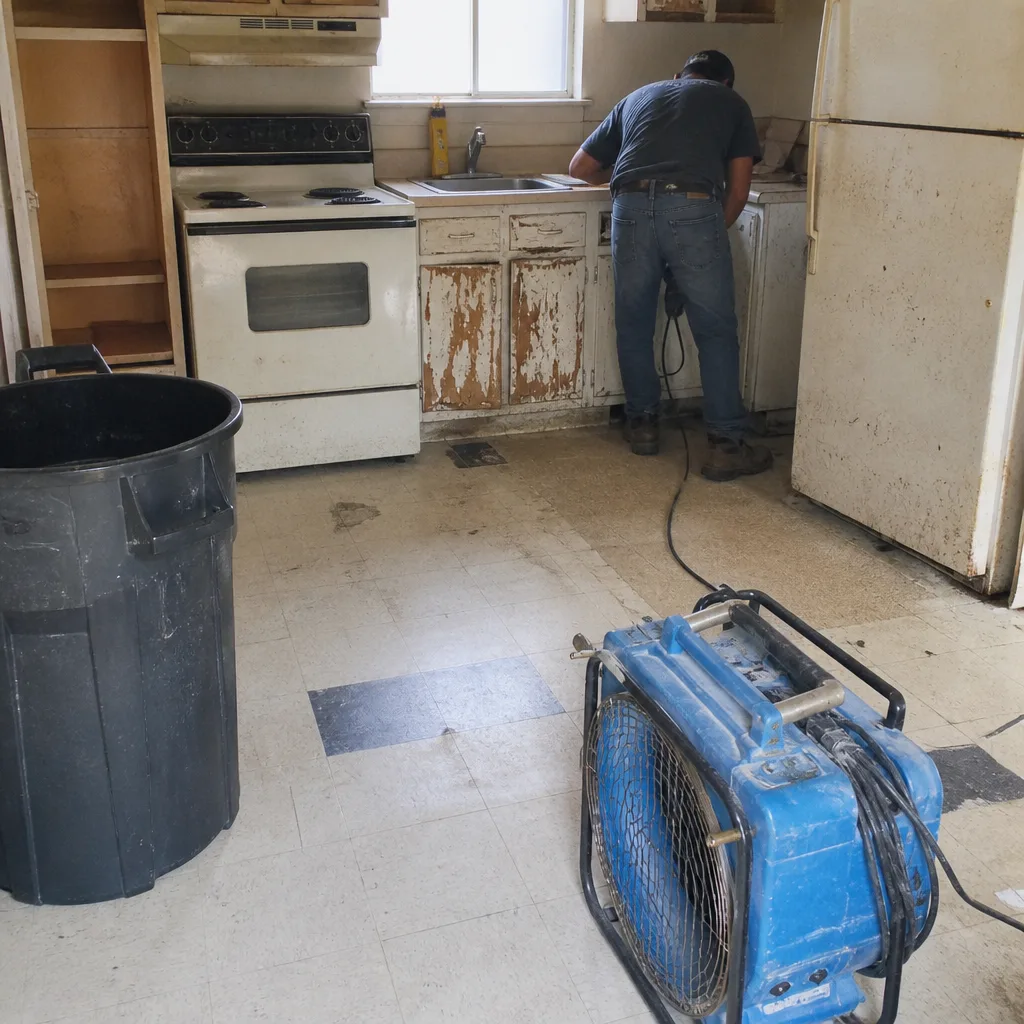 Before
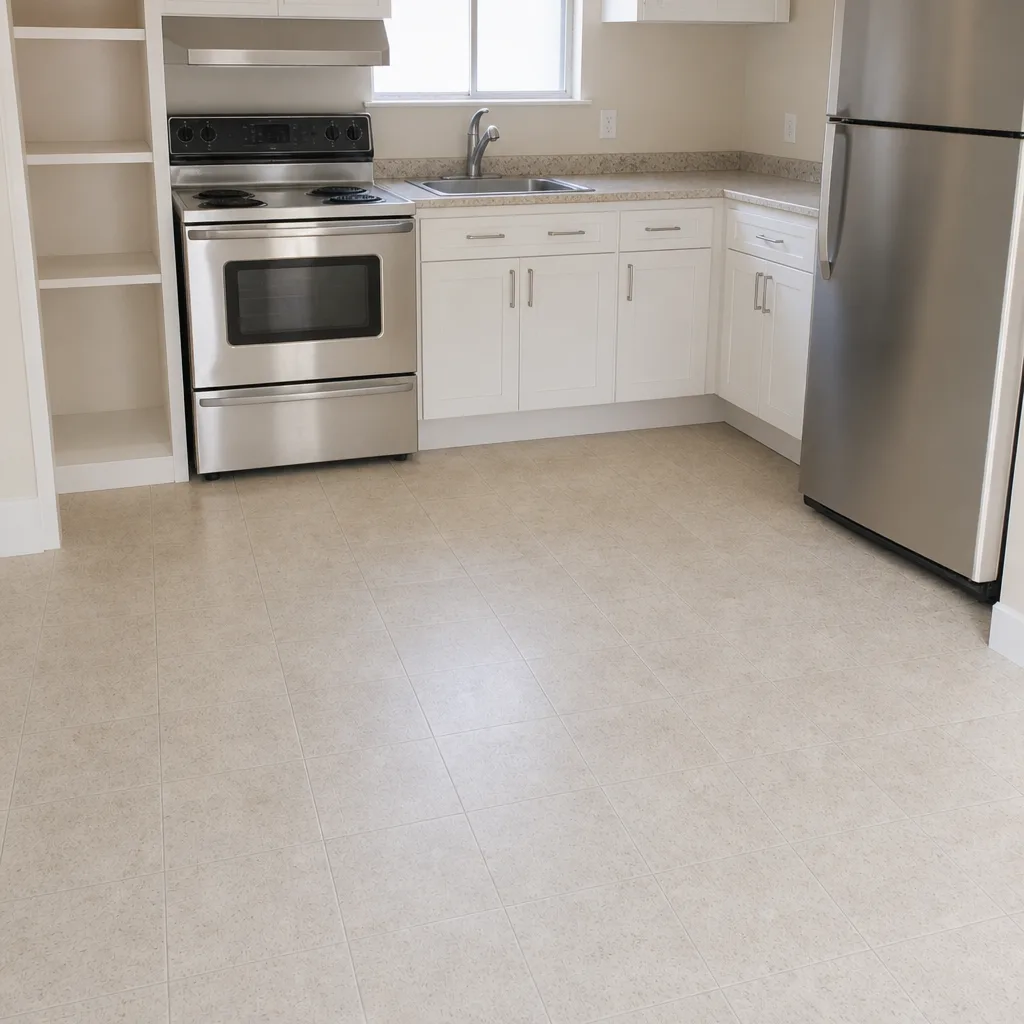 After
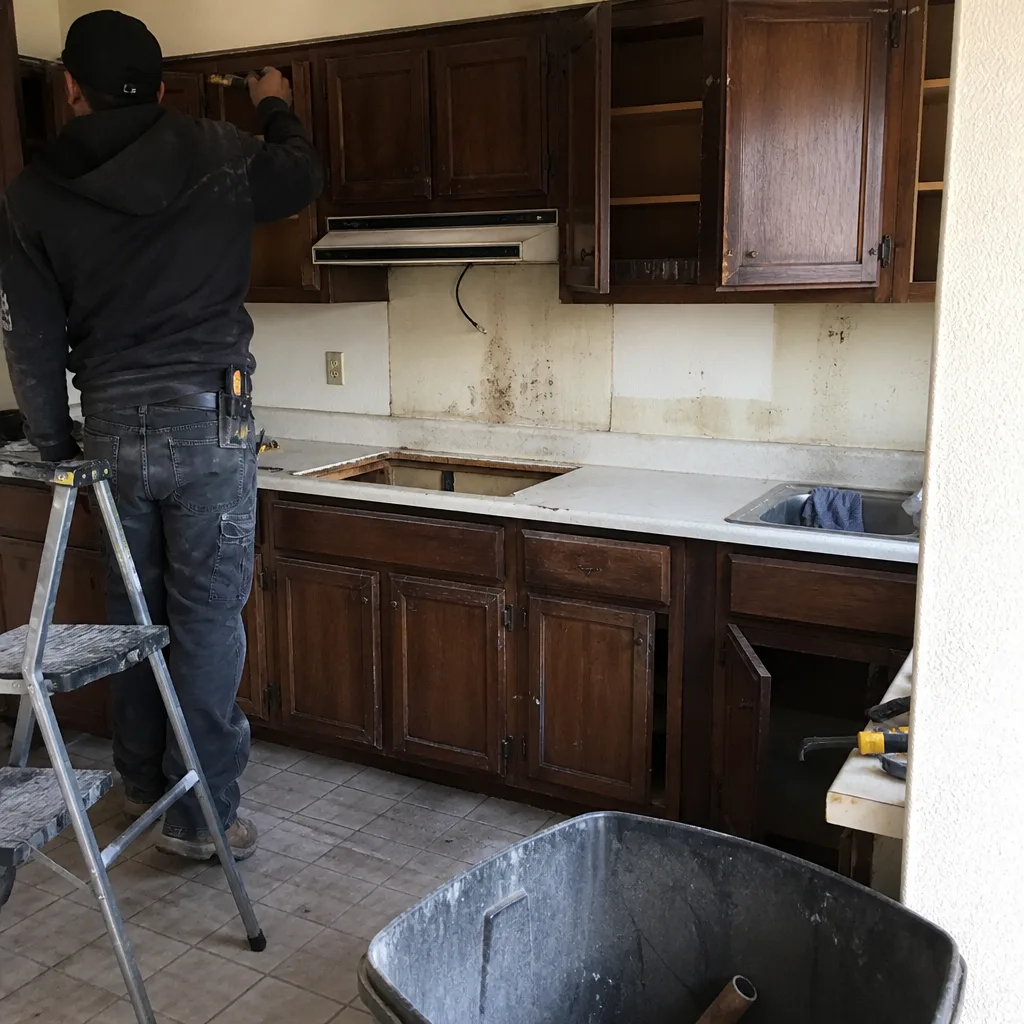 Before
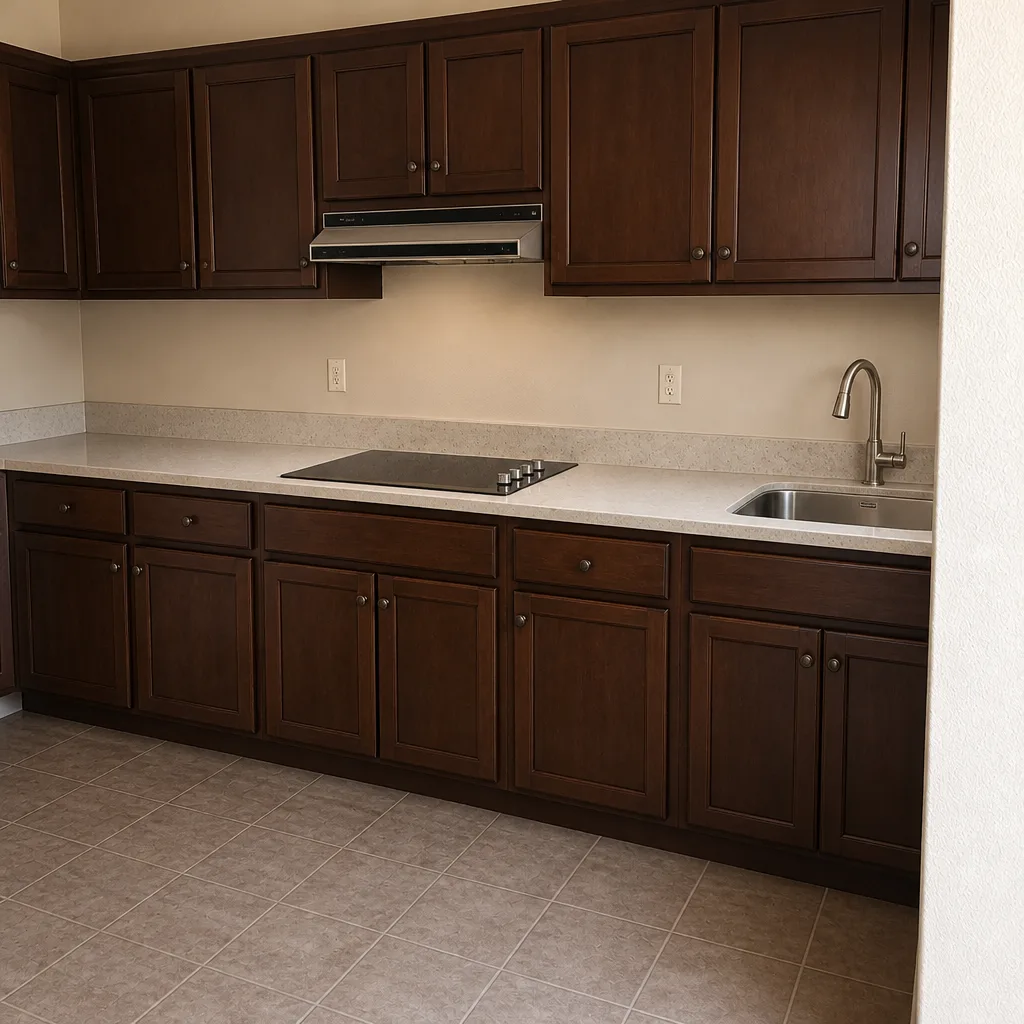 After
 Before
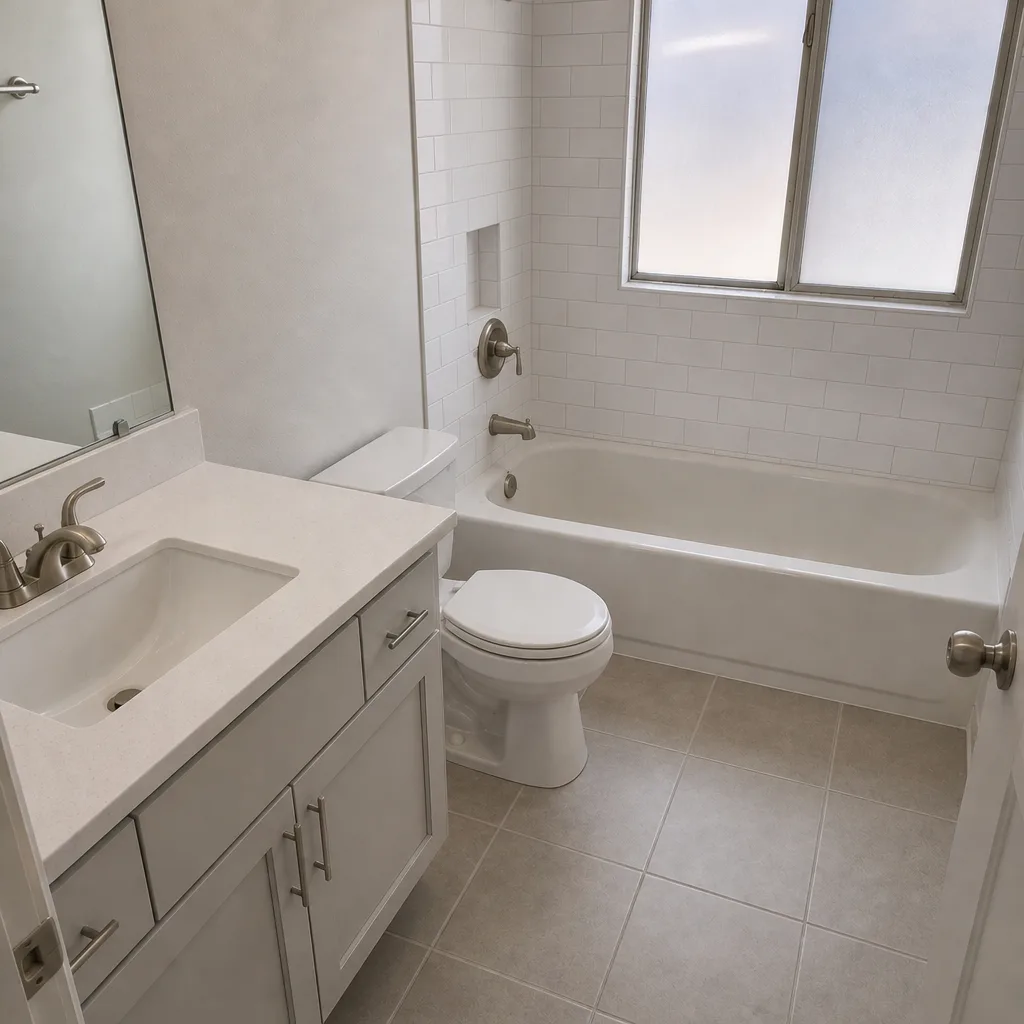 After
When to Call a Professional
Call a professional before you sign, not after the drywall goes up. If the contractor won’t put the price in writing, won’t show you the license status, won’t produce a lien waiver policy, or asks for a deposit larger than the state allows, stop the conversation and bring in a by-the-book remodeler. The same is true if a contractor suggests skipping permits, if the scope of work is vague enough to allow verbal change orders, or if the material brands on the quote can’t be documented. Bradford Remodeling Co Whitney offers free estimates in Whitney – call (833) 620-4908 to schedule one, and you’ll get a written price before any work starts, a background-checked, uniformed crew, and a written 365-Day Done Right Promise that covers the work for a full year. A live person answers the phone around the clock.
Frequently Asked Questions

The biggest warning sign is a missing written price and a missing written scope of work before you pay a deposit. A contractor who won’t commit the number and the scope to paper has already told you the project will move at the door. Call (833) 620-4908 for a free estimate with a written price before work starts.
Yes. Nevada caps the deposit a residential contractor can collect before work begins, and a contractor who asks for more than the cap is both violating the law and signaling a cash-flow problem. A milestone-based payment schedule tied to a written contract is the disciplined version. Call (833) 620-4908 to see what a written payment schedule looks like on a Whitney kitchen.
A lien waiver is a signed release confirming a contractor, subcontractor, or material supplier has been paid and gives up the right to file a mechanic’s lien on your home. Without one, an unpaid material delivery can attach to your title even after you’ve paid your contractor in full. Ask for a conditional waiver on each delivery and an unconditional final waiver at close. Call (833) 620-4908 to ask how Bradford handles lien waivers on Whitney jobs.
Use the free Nevada State Contractors Board license lookup and check the status, the classification, the business name, and any disciplinary history. A “suspended” status means the license has been halted, often for disciplinary reasons, and work performed during suspension is unlicensed. Confirm the name on the license matches the name on the contract before you sign. Call (833) 620-4908 to ask what records Bradford provides up front.
No. Skipping a permit shifts all legal liability onto the homeowner, creates a resale and title problem, and removes the independent inspection from the electrical, plumbing, and structural work. A contractor who suggests skipping permits “to save time” has flagged a business-practice problem. Call (833) 620-4908 to talk through a permitted Whitney kitchen plan.
The warranty is only as good as the document that states what it covers and for how long. Bradford’s 365-Day Done Right Promise is in writing on every project: if the work doesn’t hold inside that window, we come back and correct it at no charge. Ask any contractor to show the written guarantee before you sign. Call (833) 620-4908 to see the coverage terms in writing.
The Bottom Line
The warning signs that wreck a kitchen remodel show up in the paperwork before they show up in the work: a deposit larger than the law allows, no lien waiver policy, a vague scope that opens the door to verbal change orders, a license status you never checked, and a contractor willing to skip permits to “save time.” Before you sign anything in Whitney, read the documents, check the Nevada State Contractors Board license, and confirm every brand and price in writing. Bradford Remodeling Co Whitney puts the price, the scope, and the guarantee in writing before a single tool comes out. Our technicians have up to 22 years of experience, and every completed project is covered by the 365-Day Done Right Promise. Call (833) 620-4908 for a free estimate. Start at Bradford Remodeling Co Whitney home, and explore the related guides on bathroom remodeling in Whitney if the project spans more than one room.
Written by the team at Bradford Remodeling Co Whitney.