Last updated November 18, 2026







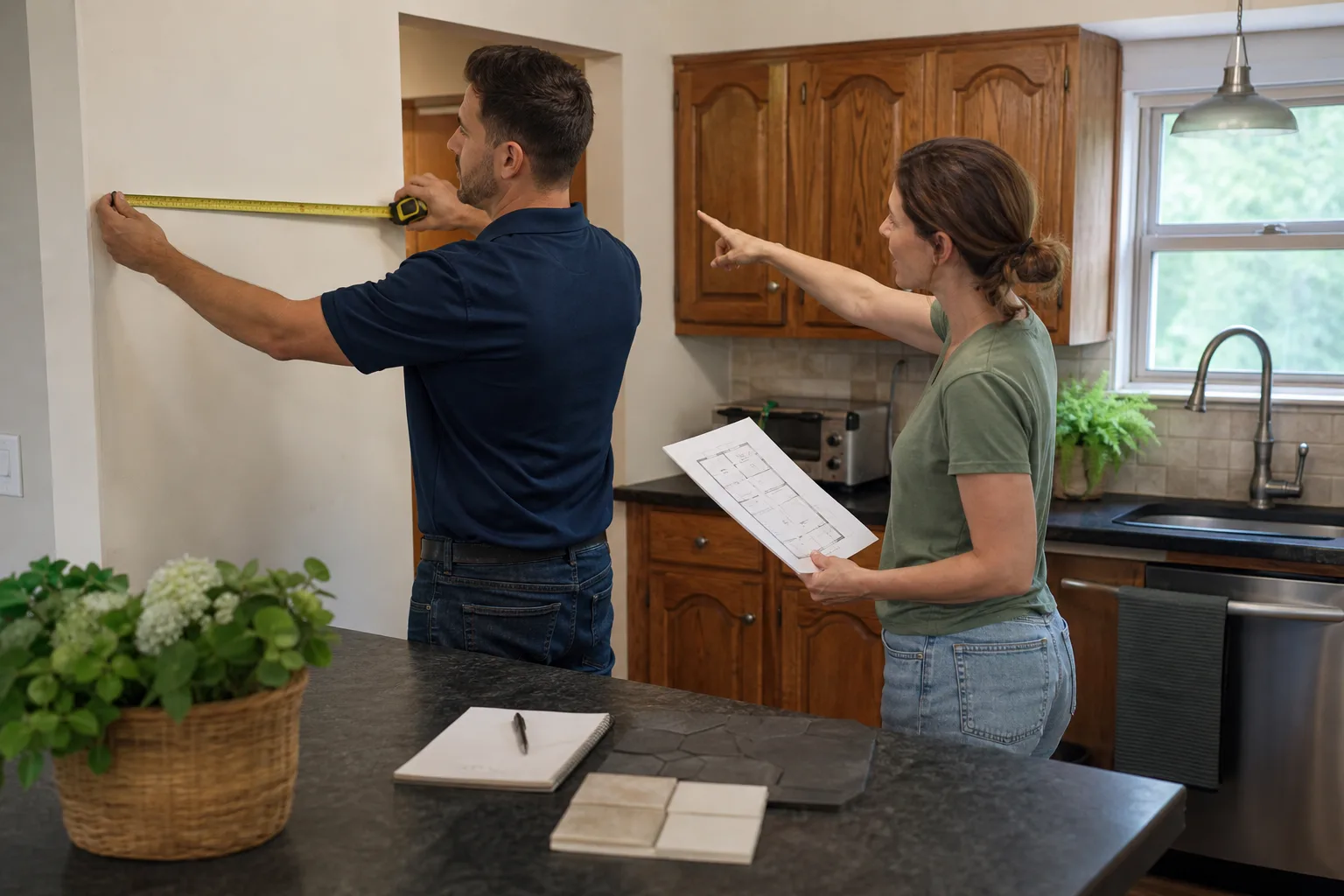
Free written scope consultation - allowances, timeline, and change-order rules on paper before a single trade is scheduled
General Contractor Warning Signs Every Homeowner Should Know
The contractor who hands you the fastest bid is often the one who hasn’t priced the permit, the inspection fees, or the debris hauling. You won’t see those numbers on the estimate. You’ll see them on a change order after demo is done and your kitchen is open to the studs. That’s the pattern we’ve watched play out across Whitney and the surrounding valley more times than we’d like: homeowners who compared three bids on price alone, picked the lowest, and then paid the difference back with interest. This guide covers the warning signs that actually predict trouble, and they’re rarely the ones people list first. Read through and you’ll know how to read a bid for what’s missing, how to check a Nevada license in under five minutes, and how to test whether a contractor has a real process behind the promises.
Quick Answer
The warning signs that matter most are procedural, not dramatic: a bid with no permit line, a vague or missing written scope of work, allowances that hide the real cost, a deposit demanded before any documents, and a contractor who can’t name their subcontractors before signing. These behaviors show how the job will run long before demo day, and they’re the ones experienced homeowners recognize too late.
Styles & brands we work with
- Kitchen remodeling
- Bathroom remodeling
- Home additions & ADU
- Roofing
- Windows & doors
- Driveway & pavers
- Fence
Table of Contents
- The Warning Signs That Matter Are Procedural
- How to Read a Bid for What’s Missing
- Why No Written Scope Means No Signed Contract
- Checking a Nevada Contractor License: Active, Suspended, Expired
- What Subcontractor Disclosure Tells You Before You Sign
- Three Questions That Test a Contractor’s Process
- What “Squared Away” Looks Like at Job Close
The Warning Signs That Matter Are Procedural
Unlicensed work and cash-only demands are the obvious red flags. They should stop you cold, and if either shows up, you don’t need this guide. But most homeowners in Whitney who end up with a horror story had a licensed contractor with a decent online presence and a polished pitch. What went wrong was subtler and it showed up early, before anyone signed anything.
The procedural signs are in how a contractor communicates. How fast they answer a technical question. Whether they’ll put their scope in writing before asking for money. Whether the price holds or moves. These are habits, and habits don’t change when work starts. A contractor who’s loose with documents during the bid phase will be loose with your project once the drywall is open.
Here’s the pattern we see: the crew that runs on discipline puts things in writing because it protects them as much as you. When a Whitney general contractor hands over a line-item scope, a change order process, and a written guarantee before the first tool comes out, that’s not customer service. That’s how they run their business.
A disciplined remodeler also treats job close as seriously as job start. If you’re comparing bids for a larger project, our guide to general contractor work in Whitney walks through what a written price and documented scope actually look like on a signed estimate.
How to Read a Bid for What’s Missing
Most homeowners read a bid for the bottom line. Read it for the gaps instead, because that’s where the missing costs live. A bid of $42,000 with no permit line is not cheaper than a bid of $45,000 that includes one. It’s a bid that hasn’t been finished yet.
Here’s what a complete bid covers, line by line:
- Permit line. For any structural, electrical, plumbing, or mechanical work in Whitney, there should be a line for permit fees and the inspection process. If it’s missing, the contractor either plans to skip it or plans to bill you later.
- Debris disposal. Demo creates a lot of waste. A dumpster rental and hauling charges belong in the bid, not in a surprise invoice.
- Allowance disclosures. Cabinets, tile, and fixtures are often bid as “allowances.” A real allowance states the dollar amount and what happens if the actual material costs more. An undisclosed allowance is a change order waiting to happen.
- Exclusions section. Every bid excludes something. A trustworthy bid says what, in writing, so you’re not guessing which part of the job you’re on the hook for.
- Payment triggers. The schedule should be tied to milestones (demo complete, cabinets set, punch list signed), not to dates. “Pay 30% on day 14” tells you nothing about what you’re paying for.
For cabinet-heavy work like kitchens, allowances matter most. If you’re specifying Cambria countertops or Kohler fixtures, get the model numbers in the bid and the price for each. That’s why our kitchen remodeling in Whitney estimate puts every specified material on the page before work begins. When a contractor won’t put the numbers down, you’re being priced twice.
Why No Written Scope Means No Signed Contract
A written scope of work is the single most important document in the project. It lists every task, every material, every included service, and it’s the reference point when something goes sideways. If a contractor won’t hand it over before asking for a deposit, you’ve just seen how the job will be managed: on memory, on handshake, on trust that can’t be enforced.
The deposit itself is a warning sign when it comes first. In a documented process, the order is: written scope, written price, signed contract, then deposit. If the order is reversed, things run in reverse for the rest of the project too. The reason a contractor won’t put a scope in writing usually comes down to one of three things:
- They haven’t priced the job. The scope is thin because they haven’t done the estimating work. The missing details will show up as change orders.
- They plan to hold flexibility. A written scope commits them. A verbal one doesn’t.
- The job isn’t ready to start. A crew that’s sold the job before finalizing the plan is already two steps behind.
We’ve seen this pattern in Whitney time and time again. The best way to test it is to ask for a written scope with a written price before signing. A contractor running on The Garrison Standard hands it over without being asked twice.
Checking a Nevada Contractor License: Active, Suspended, Expired
Nevada issues contractor licenses through the Nevada State Contractors Board, and the license lookup is public and free. Every homeowner considering a Whitney contractor should spend five minutes checking it. The lookup tells you three things that a handshake cannot: license status, classification, and complaint history.
Here’s how to read what you find:
- Active. The license is current and the contractor is authorized to take work. Check the classification and verify it covers the type of work you’re hiring for, because residential remodeling and residential plumbing are different classifications.
- Suspended. The license exists but has been pulled, usually for a compliance issue. Don’t hire. Don’t take a verbal explanation. Move on.
- Expired. The contractor let their license lapse. If they’re taking new work under an expired license, that’s a violation, not an oversight.
Then check complaint history. The Board records complaints and their resolutions, so you can see whether a pattern exists. One resolved complaint about a scheduling issue is different from five about abandoned work. Same lookup, two different questions, and both worth asking.
If you’re in the middle of a bathroom project and reading this mid-bid, do the lookup before anything is signed. Our bathroom remodeling in Whitney estimate walks the same process we require of any crew on our jobs: license first, scope second, price third.
What Subcontractor Disclosure Tells You Before You Sign
A general contractor rarely does all the work themselves. In Whitney, plumbing, electrical, and HVAC subs are virtually always pulled in separately. The warning sign is a contractor who can’t name their subs before contract signing. That usually means the subs aren’t lined up yet, and if they aren’t lined up before you sign, they may not be lined up when the schedule calls for them.
Ask for the specific subcontractors for your project. Names, license numbers, and the classifications they hold. Then ask yourself three things:
- Are their licenses current? Run the same Nevada Contractors Board lookup you ran on the GC.
- Are they insured and bonded? If a sub damages something on your property, you want the coverage behind it.
- Have they worked with this GC before? A repeat relationship shows the crew and the subs have done this before. A first-time sub on a first-time crew is a coordination risk.
A contractor who runs on documentation will tell you the names and numbers on request. A contractor who won’t give names and repeatedly says “we’ll figure that out when we get there” is showing you the entire project schedule in advance. That’s how subcontractor disclosure functions as a preview.
Three Questions That Test a Contractor’s Process
You don’t need to interrogate a contractor to know if they have a process. Three questions will do it, and each one probes a different part of how the job will run. Ask them before signing, and pay attention to how easy the answer comes.
1. Who pulls the permits and who schedules the inspections?
A contractor with a real process answers immediately: “We pull the permits, and we schedule the inspections as part of the job, and the inspection results are in your file.” A contractor without a process says “we’ll work that out” or “the homeowner handles that part.” If the homeowner is pulling the permits, the homeowner is also carrying the risk if the work doesn’t pass inspection.
2. When will we receive lien waivers from the subs?
Lien waivers are the document that says a sub has been paid and can’t place a mechanic’s lien on your home. A contractor who knows this answer hands over lien waivers as payments are released, tied to each draw. A contractor who draws a blank on the word “lien” hasn’t been asked the question enough times.
3. How does the change order process work?
A process-driven contractor has a written change order form. The change is priced, approved in writing, and only then executed. A contractor without one will tell you a change “won’t cost much” verbally, and then bill you a real number at completion. In Whitney, where site conditions sometimes reveal surprises during demo, the change order process is the single best predictor of whether your final invoice looks like the original bid.
Three questions. Under five minutes. And you’ll know more about your contractor than a dozen online reviews could tell you.
What “Squared Away” Looks Like at Job Close
Job close is where the procedural signals pay off. A contractor who ran the job on documents finishes it with documents: a clean site, a signed written guarantee in the homeowner’s hand, a folder with the signed scope, the change orders, the inspection results, and the warranty, and a punch list with every item closed out. Not one of those is a courtesy. Each is proof of how the job was run.
This is where the 365-Day Done Right Promise matters. Every completed project carries a full-year written guarantee. If the work fails inside that window, we come back and correct it at no charge. Not because we’re being nice that day. Because the guarantee is in writing and it’s ours to honor. The Garrison Standard requires it, and every Garrison location operates on it.
If a contractor’s close-out process is verbal, consider whether the guarantee is too. A written scope, a written price, and a written guarantee are three documents that treat the homeowner as a party to the project and not just the funding source.
Common Mistakes to Avoid
- Comparing only the bottom line. A $3,000 gap between bids usually means the lower bid left out three or four costs that will show up later. Compare line items, not totals.
- Accepting a verbal estimate. In Whitney, verbal estimates are as common as summer heat, and just as avoidable. If it isn’t written, it doesn’t exist.
- Paying a deposit before the scope is signed. The deposit releases the contractor’s commitment to detail. Get the scope first, sign the contract, and only then release the deposit.
- Skipping the Nevada license lookup. Five minutes at the Contractors Board site is the cheapest protection you can buy. Look up the license, the classification, and the complaint history.
- Not asking about change orders. If you don’t know how changes are priced and approved, they’ll be priced after the fact. Ask for the process in writing.
- Ignoring the exclusions section. “Excluded: drywall repair” on a bathroom remodel means you’re paying for the drywall, and if you didn’t catch it, that invoice will come as a surprise.
- Believing subs will be named later. If the contractor can’t name their subs at signing, they can’t give you a real schedule. The subs aren’t yet lined up.
See the difference
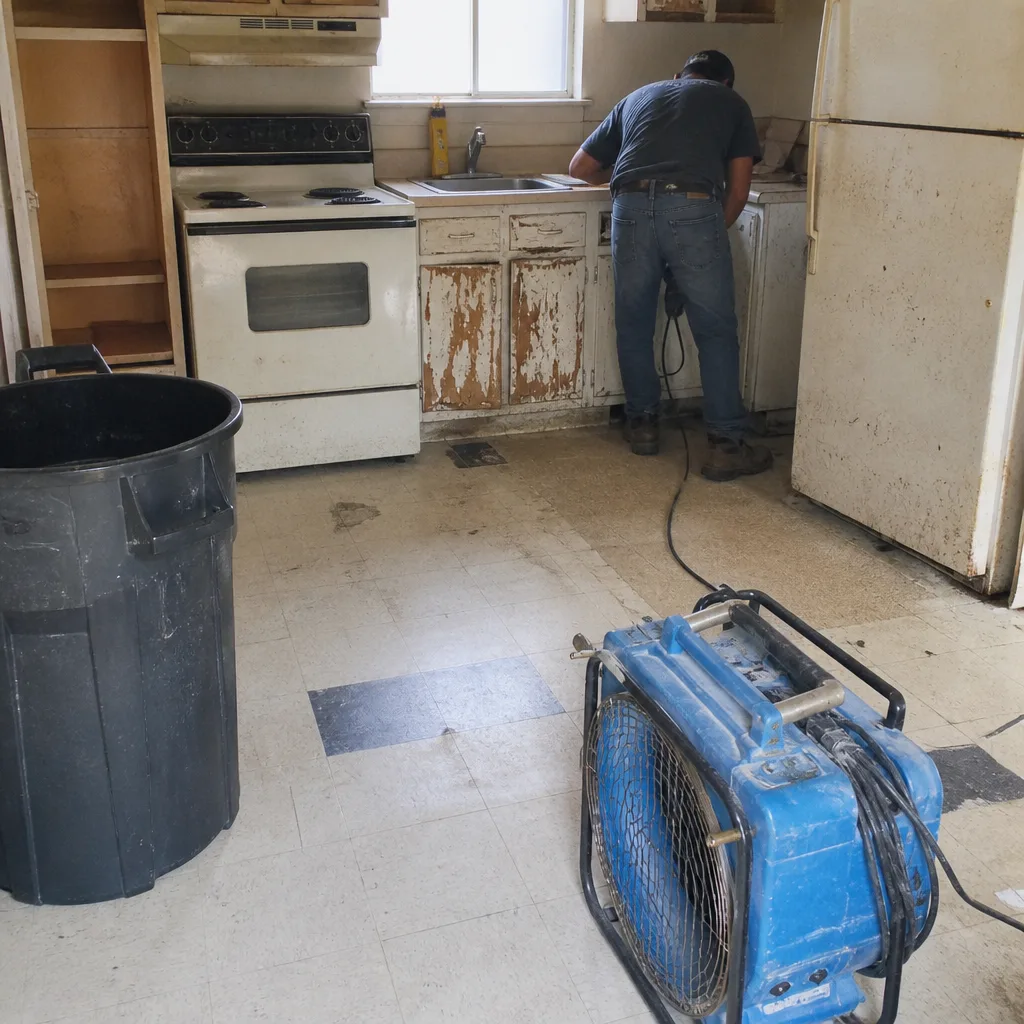 Before
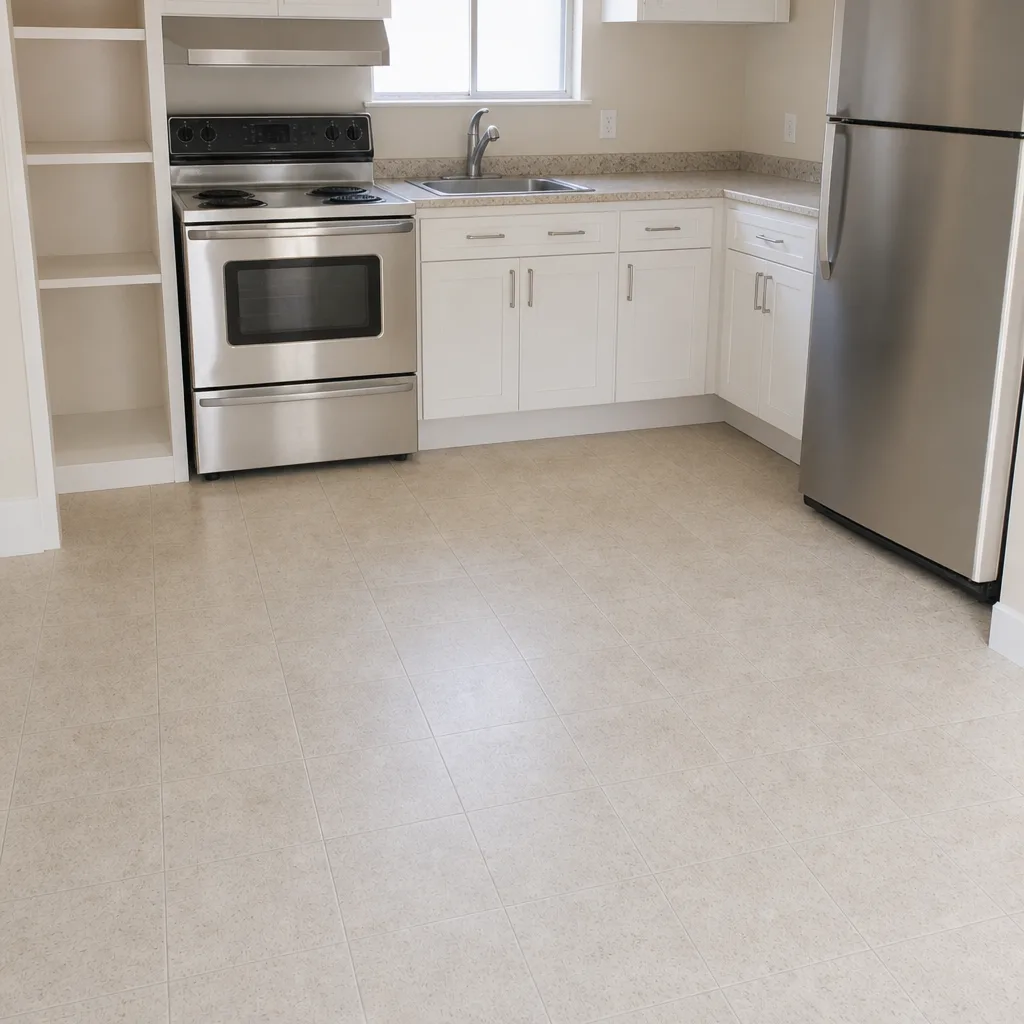 After
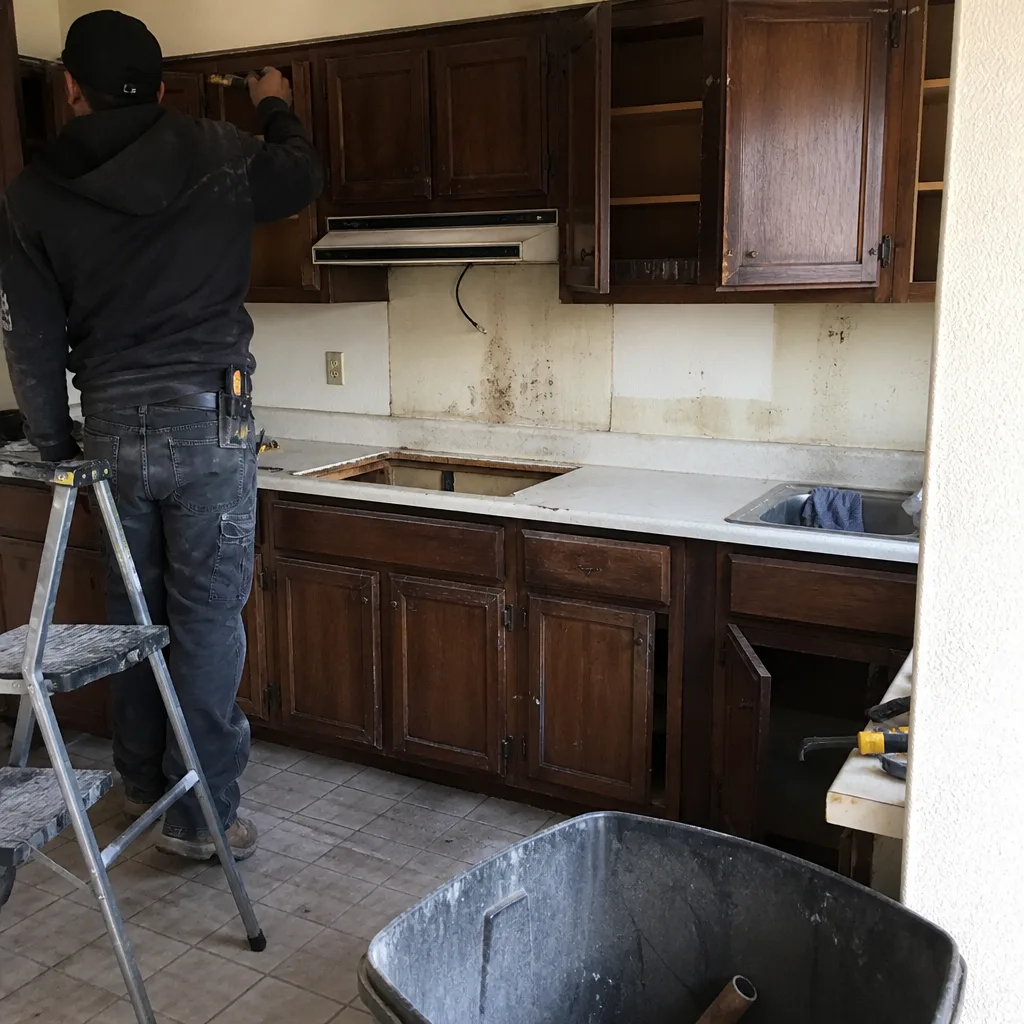 Before
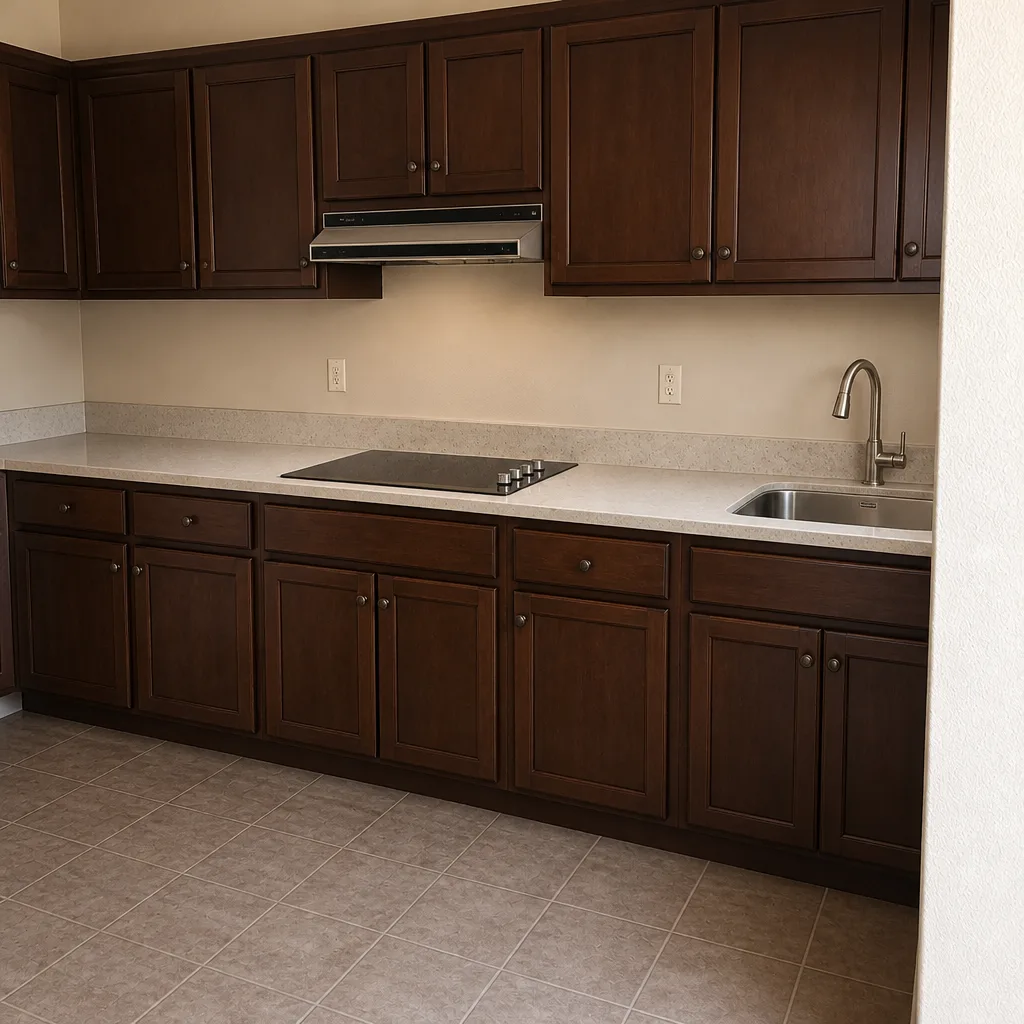 After
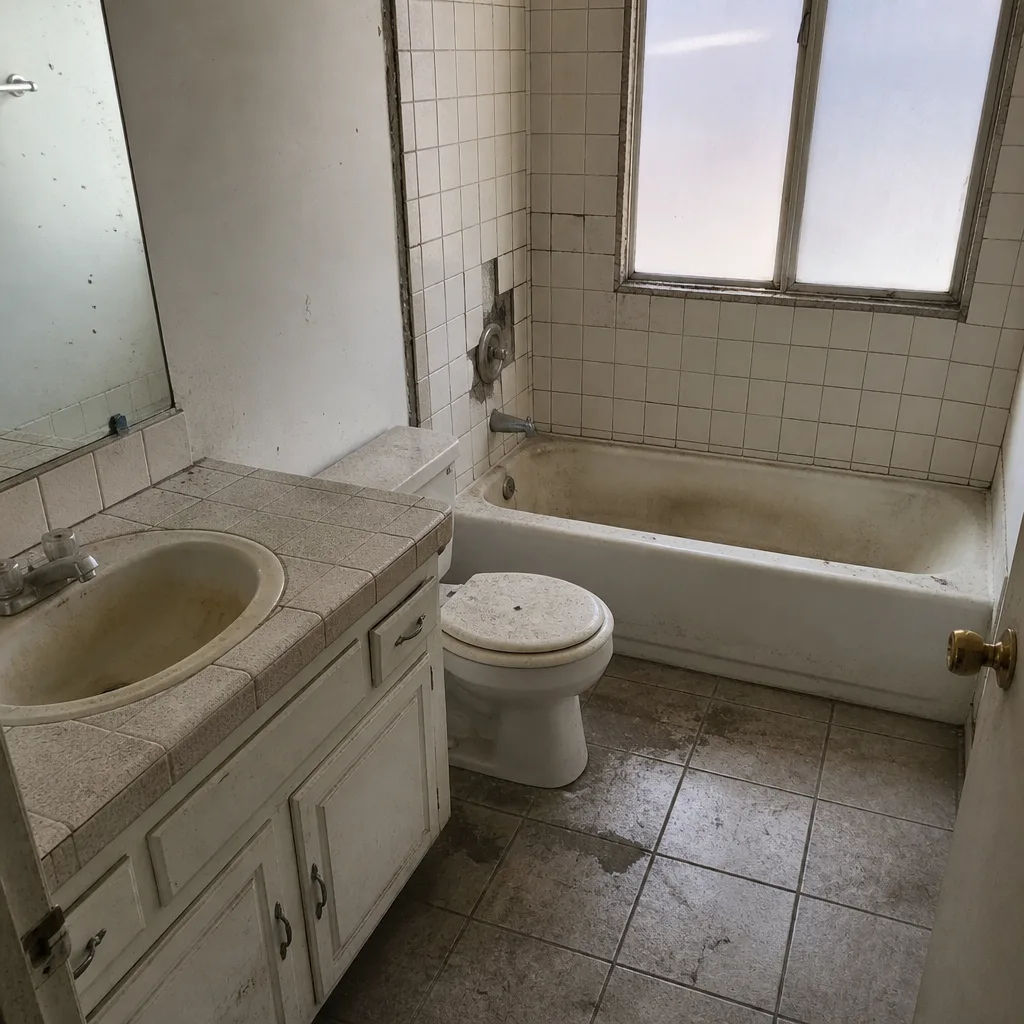 Before
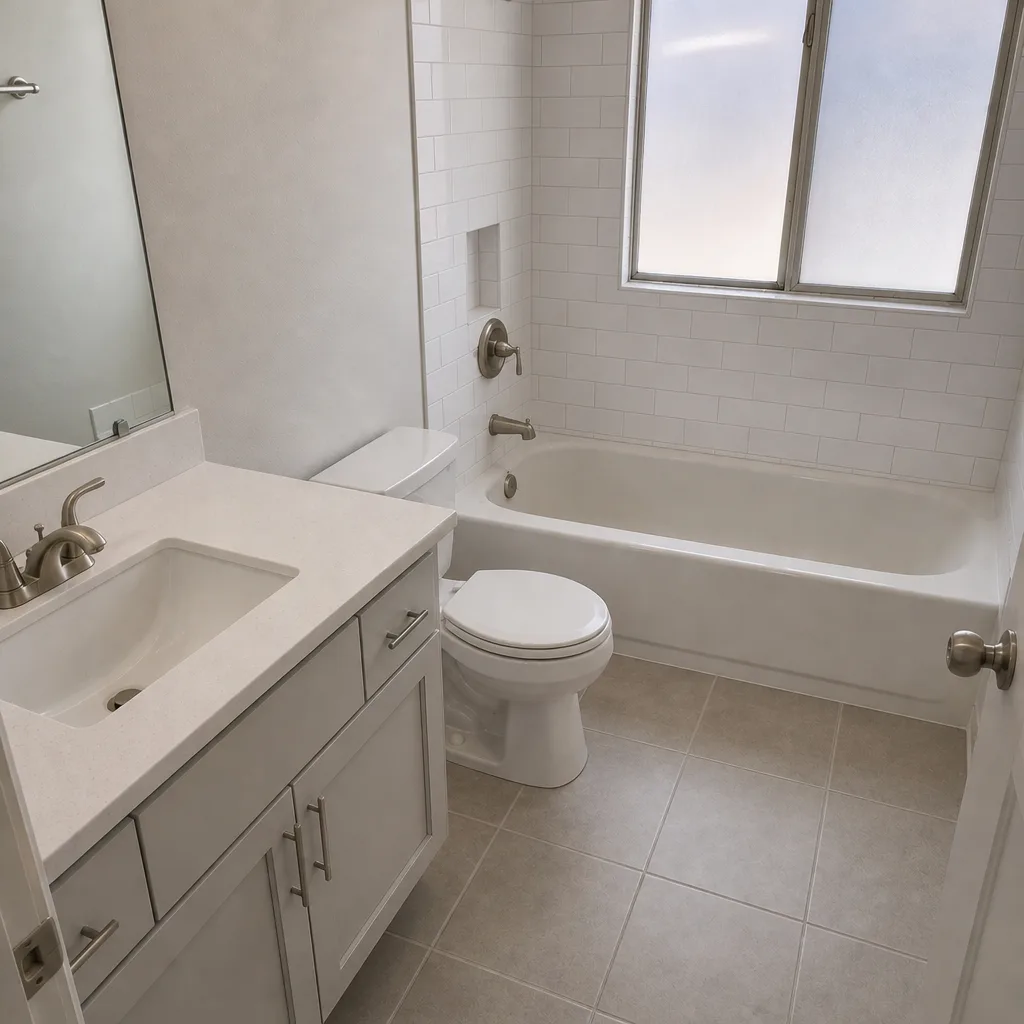 After
When to Call a Professional
If you’re comparing bids, reading a scope of work, and feeling unsure whether what you’re looking at is complete, get a second read. That’s a specific scenario and it comes up all the time. Call us when the scope is too thin, when the price doesn’t hold, when the change order process is verbal, or when the guarantee is a promise with nothing behind it. Those aren’t small problems, and they compound over the life of a project. Bradford Remodeling Co Whitney offers free estimates in Whitney, and the written price comes with the estimate, not after. Call (833) 620-4908, and a live person answers any time, day or night.
Frequently Asked Questions

The biggest warning sign is a contractor who asks for a deposit before giving you a written scope of work. That order – money first, documents later – tells you how the entire project will be managed. In our experience, the deposit should be the fourth step, not the first: scope, price, contract, then deposit.
Go to the Nevada State Contractors Board website and search by license number or business name. You’ll see the status (active, suspended, or expired), the classifications the license covers, and any complaint history with resolutions. A Whitney general contractor licensed for residential remodeling should show an active license in the correct classification before any work begins.
Yes. Any structural, electrical, plumbing, or mechanical work in Whitney requires a permit, and the cost of pulling it and coordinating the inspection belongs in the written bid. If it’s not there, the cost hasn’t been removed – it’s been moved to a change order later. A written price with no permit line is an unfinished bid.
An allowance is a placeholder dollar amount for a material that hasn’t been finalized, like tile or cabinetry, and the final cost can move. A fixed price is a stated number that doesn’t. A trustworthy bid discloses the allowance amount and what happens if the true cost comes in higher. An undisclosed allowance is a cost you didn’t approve.
Because a subcontractor who isn’t named isn’t yet lined up. Naming subs at signing shows they’ve been scheduled, licensed, and vetted, and it lets you run the Nevada Board lookup on each one. If your contractor can’t name the plumber and electrician before contract signing, the schedule has a gap in it before work even starts.
No. Nevada requires written contracts for residential work above a threshold set by the Board, and beyond the legal requirement, a verbal price doesn’t protect you when the invoice arrives. Get the scope, the price, the payment schedule, the change order process, and the guarantee in writing. Call (833) 620-4908 for a free estimate with the written price attached.
The Bottom Line
The warning signs that matter most are the procedural ones, and they show up before a single signature. A bid missing its permit line. A deposit asked for before the scope is written. A contractor who can’t name their subs at contract signing. An undisclosed allowance that hides the real budget. Each one is a preview of how the job will run. Read the bid for what’s missing, run the Nevada Contractors Board lookup, and ask the three process questions before you sign. If you’re in Whitney and want a written price and a written guarantee on the table from the first conversation, that’s how Bradford Remodeling Co Whitney runs every job. Call (833) 620-4908 for a free estimate.
Written by the team at Bradford Remodeling Co Whitney.