Last updated November 18, 2026


Free written scope consultation - allowances, timeline, and change-order rules on paper before a single trade is scheduled
DIY vs Professional Construction: The Whitney Homeowner’s Decision Guide
A Whitney homeowner who installs their own water heater saves $400 in labor. That same homeowner may also void their homeowner’s insurance coverage for any water damage traced back to that installation, because Nevada requires a licensed plumber for that scope of work. The savings is real. So is the exposure. This guide lays out the actual decision points Whitney homeowners face: which tasks Nevada law requires a licensed contractor for, how unpermitted work interacts with insurance claims, and when the math genuinely favors doing it yourself. By the end, you’ll know where the line sits for your project.
Quick Answer
In Whitney, doing it yourself makes financial sense only for cosmetic and demolition work that requires no permit: painting, cabinet refacing, landscaping, and interior tear-out. Anything touching plumbing, electrical, gas, structural framing, or the building envelope requires a licensed contractor under Nevada law, and unpermitted DIY work can void insurance coverage on a related claim. The break-even math also shifts once you count tool rental, material waste, and redo risk, which is why most Whitney homeowners come out ahead hiring licensed professionals for code-required scopes and handling prep work themselves.
Styles & brands we work with
- Kitchen remodeling
- Bathroom remodeling
- Home additions & ADU
- Roofing
- Windows & doors
- Driveway & pavers
- Fence
Table of Contents
- What Nevada Law Actually Requires in Whitney
- How Unpermitted DIY Work Affects Your Insurance Claim
- The Real Break-Even Math for DIY vs Hiring in Whitney
- Which Whitney Remodel Tasks Are Genuinely Safe to DIY
- Tasks That Only Look Simple Until They’re Open
- How to Structure a Hybrid Approach That Works
- How to Vet a Whitney Contractor Before You Sign
What Nevada Law Actually Requires in Whitney
Nevada doesn’t license contractors as a formality. The state’s contractor licensing rules exist because certain work scopes, done wrong, create real hazards: water intrusion, electrical fire, structural failure. If you’re planning a remodel in Whitney, here’s where the legal line sits.
Nevada requires a licensed contractor for these scopes, regardless of your skill level or how confident you feel after watching tutorials:
- Plumbing work beyond simple fixture swaps. Water heater installation, repiping, drain line changes, and gas line work all require a licensed plumber in Whitney. A licensed contractor pulls the permit and the work gets inspected.
- Electrical work beyond replacing a lightbulb or a switch plate. New circuits, panel upgrades, outlet additions, and anything that involves opening a wall to access wiring require a licensed electrician and a permit.
- Structural changes. Removing a load-bearing wall, adding a beam, modifying framing, or cutting into a foundation all require engineering review and permits in Whitney.
- Roofing, siding, and window replacement. These scopes fall under building envelope work, and Whitney’s Clark County permits and inspections apply. Improper flashing or installation leads to water intrusion that shows up months later.
- Any work over a certain dollar threshold. Nevada ties permit requirements to scope and value. A small cosmetic repair usually doesn’t trigger a permit; a full bathroom remodel does.
What you can legally do yourself in Whitney without a license: painting, interior demolition (with care around utilities), cabinet refacing, flooring installation in most cases, landscaping, fence repair, and cosmetic updates like hardware swaps and light fixture replacements on existing circuits. We work with homeowners across Whitney who handle their own demo and prep, then bring us in for the scopes that require permits. If you’re mapping out a larger project, our overview of general contracting in Whitney covers what a licensed contractor handles at each stage.
How Unpermitted DIY Work Affects Your Insurance Claim
Homeowner’s insurance policies in Nevada typically contain a clause that excludes coverage for damage caused by faulty workmanship or by work done without required permits. Most Whitney homeowners never read that part of the policy. They find out when they file a claim.
The scenario plays out like this: a Whitney homeowner replaces a bathroom vanity and connects the plumbing themselves. Six months later, a slow leak behind the wall causes water damage across two rooms. The insurance adjuster asks for documentation of the plumbing work. There’s no permit, no licensed plumber’s invoice, nothing that shows the work met code. The claim gets denied or reduced, and the homeowner is looking at a repair bill they assumed insurance would cover.
Here’s what policies typically say, in plain language:
- Faulty workmanship exclusion. Damage caused by work that wasn’t done correctly isn’t covered, even if the resulting damage looks like a sudden event.
- Unpermitted work exclusion. Many Nevada policies exclude damage from work that required a permit but didn’t get one. This applies even if the work itself was done competently.
- Disclosure requirement. Some policies require you to disclose major renovations. Undisclosed DIY work can complicate a claim later.
- Resale disclosure. When you sell a Whitney home, unpermitted work must be disclosed. Buyers’ inspectors find it. It affects your sale price and your negotiating position.
The fix is straightforward: pull the permit, get the inspection, and keep the paperwork. A licensed contractor in Whitney handles that as part of the job. Our team at Bradford Remodeling Co Whitney puts the scope, the permit responsibility, and the written price in front of you before work begins, so there’s no ambiguity about what’s covered.
The Real Break-Even Math for DIY vs Hiring in Whitney
The honest answer to “is it cheaper to DIY” depends on what you count. Most homeowners count materials and visible labor, then stop. The full calculation includes tool rental, material waste, your time, and the risk of a redo.
Here’s a realistic breakdown for a mid-size kitchen refresh in Whitney:
- Cabinet painting or refacing: DIY materials run roughly $500 to $1,200 depending on cabinet count and finish quality. Professional refacing in Whitney typically runs $2,500 to $6,000. The labor difference is real, but painter-grade cabinet work with proper prep and cure time takes most homeowners two to three weekends.
- Tile backsplash: DIY materials run $300 to $600 for a typical Whitney kitchen. Tool rental (wet saw, spacers, trowels) adds $80 to $150. Material waste from cuts and miscuts runs 15 to 25 percent for a first-timer. Professional installation typically runs $800 to $1,800. The spread is narrower than most people expect.
- Plumbing rough-in or water heater replacement: Not a DIY scope in Nevada. The licensed-plumber requirement removes this from the equation entirely.
- Interior demolition: Genuinely DIY-friendly. A homeowner with a sledgehammer, a dumpster rental ($300 to $500 in Whitney), and a weekend can clear a kitchen or bathroom as well as a crew. The catch is knowing what’s inside the wall before you swing. Cutting through a live wire or a supply line turns a $400 savings into a $2,000 repair.
Factor in your own time at a realistic hourly value and the math often tips toward hiring for anything with a finish surface. Where DIY genuinely wins in Whitney: painting, landscaping, fence repair, and demolition after the contractor has marked the safe cuts. Our guide to kitchen remodeling in Whitney breaks down the line-item pricing for each scope so you can compare against your own DIY estimate.
Which Whitney Remodel Tasks Are Genuinely Safe to DIY
Some projects are truly low-risk in Whitney. These are the tasks where a competent homeowner saves real money without creating permit exposure or insurance complications:
- Interior painting. Drywall prep, priming, and finish coats are learnable, and mistakes are cosmetic. Budget for painter’s tape, drop cloths, and good brushes; the tool investment pays back on the second room.
- Cabinet hardware and refacing. Swapping hinges, pulls, and knobs is a two-hour job with a screwdriver and a template. Refacing door fronts is more involved but stays cosmetic as long as you don’t move the cabinet boxes or touch plumbing.
- Flooring in dry areas. Laminate and luxury vinyl plank install cleanly over a level subfloor, and Whitney’s dry climate is forgiving. Water-damage-prone areas like bathrooms and laundry rooms are a different story.
- Landscaping and hardscape repair. Planting, mulching, and resetting pavers are low-risk. Anything that changes drainage toward the foundation is not; that’s where Whitney’s flash-flood patterns matter.
- Fence repair. Replacing pickets or a gate on an existing fence line is straightforward. Full fence replacement with new posts often triggers a permit and a property-line check.
- Interior demolition. Once a licensed contractor has marked the safe cuts and shut off utilities, tear-out is a legitimate DIY labor saver.
Weatherstripping, door sweeps, and swapping a Therma-Tru entry door slab (keeping the existing frame) are also reasonable DIY scopes. Full door replacement with a new frame is not, because exterior doors affect the building envelope and require proper flashing.
Tasks That Only Look Simple Until They’re Open
Some scopes look manageable on paper and turn into real trouble the moment a wall opens up. In Whitney, we see these repeatedly:
- Water heater replacement. The connections look like two pipes and a valve. What’s underneath is gas or high-voltage electrical, a pressure relief valve, venting requirements, and a permit. Nevada requires a licensed plumber for this scope for good reason.
- Bathroom waterproofing. The shower pan and the waterproof membrane behind the tile are where bathroom remodels succeed or fail. A membrane installed with the wrong overlap or the wrong thinset fails silently for a year and then shows up as rot in the framing. Our bathroom remodeling in Whitney page covers the waterproofing layers in detail.
- Window and door replacement. Setting a new window looks like a framing job. It’s actually a flashing and drainage job. Improper flashing in Whitney’s monsoon season leads to water intrusion that ruins drywall and insulation.
- Electrical outlet additions. Fishing wire through a wall looks easy. What’s not obvious is whether the circuit can carry the load, whether the box is grounded, and whether the wire is sized correctly for the breaker. Electrical mistakes cause fires.
- Removing a “non-load-bearing” wall. That determination belongs to an engineer, not a homeowner with a stud finder. Whitney homes built in different decades have different framing conventions, and a wall that looks interior can carry a beam.
If you’re looking at a project in this category, the safest path is a free estimate before you commit to doing it yourself. We’d rather tell you what’s involved than have you find out the hard way. Bradford Remodeling Co Whitney operates under The Garrison Standard, which means the written price comes before any work starts and the scope is clear from the first conversation.
How to Structure a Hybrid Approach That Works
The best-value approach for many Whitney homeowners is a hybrid: you handle the prep and the finishing, and licensed contractors handle the code-required scopes. Here’s how to structure it so the project stays coordinated and the permits stay clean.
- Map the scopes before you start. List every task in the project and mark each one as DIY-safe, licensed-only, or “need a professional opinion.” This list becomes the contract scope.
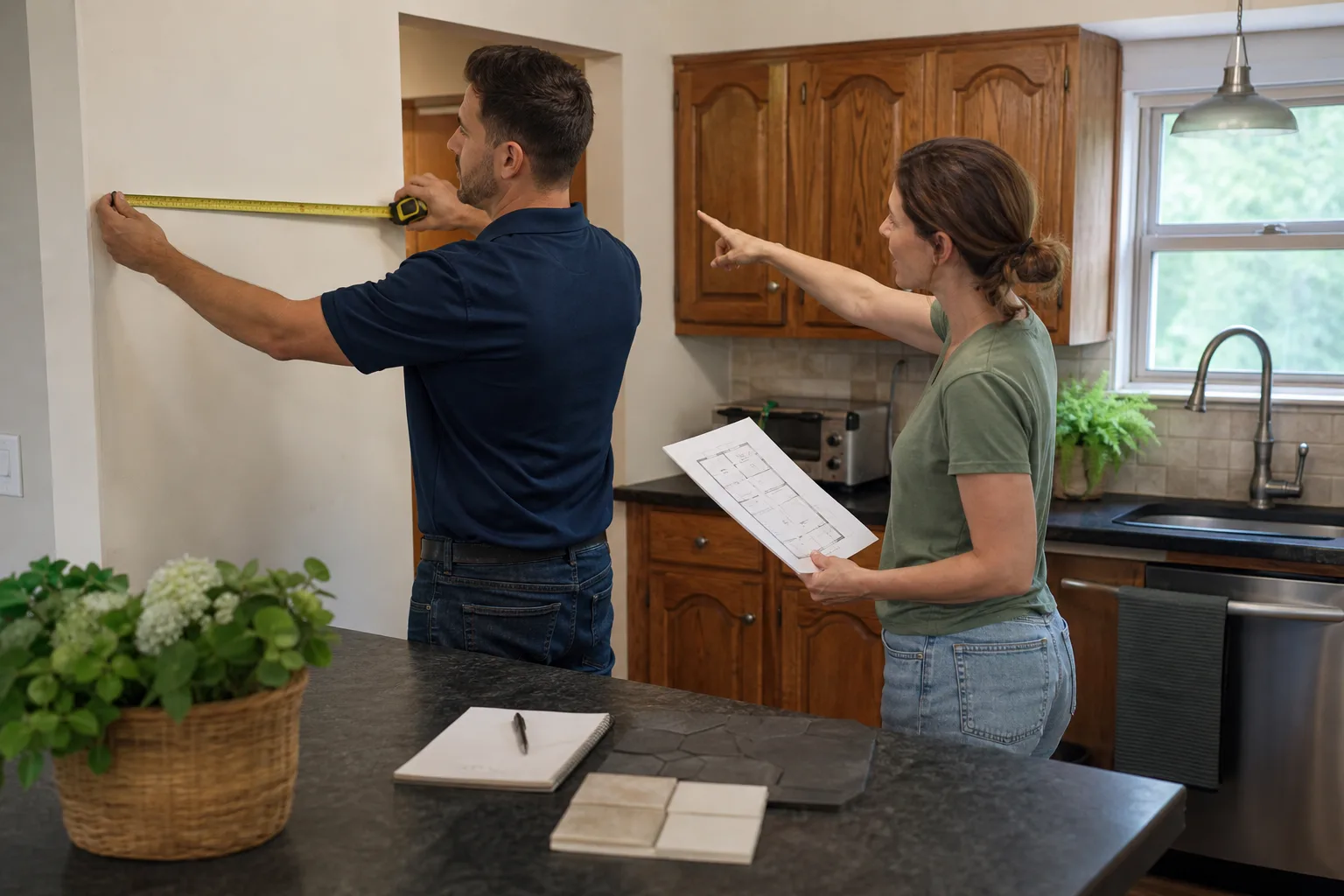
- Bring the licensed contractor in for a walkthrough first. Before you swing a hammer, get a written estimate on the licensed scopes. That gives you a budget number for the code-required work and a clear picture of the safe cuts for demolition.
- Handle demolition as a licensed-crew-assisted DIY task. Once utilities are shut off and the safe cuts are marked, tear-out is yours. A dumpster rental in Whitney runs $300 to $500, and a weekend of labor saves the demo line item.
- Let the licensed crew handle rough-in. Plumbing, electrical, and HVAC rough-in happen after demo and before finishes. This is the highest-risk window for DIY mistakes and the stage where a permit inspection happens.
- Take back the finishing work you’re confident in. Painting, cabinet hardware, and landscaping fall here. Install products from a documented manufacturer spec (like Therma-Tru doors or Barrette fence panels) so the product warranty and installation instructions stay aligned.
- Get the final inspection and keep the paperwork. The permit inspection closes the licensed scope. Keep the signed scope document, the inspection sign-off, and the written guarantee together for resale and insurance purposes.
The hybrid model saves real money on labor without creating permit or insurance exposure. From our experience, homeowners who plan this way finish a Whitney kitchen or bathroom at a lower total cost than either pure DIY (which usually includes a redo) or a full turnkey remodel. If you’re planning the whole-home scale, the Bradford Remodeling Co Whitney home page links to the service pages you’ll need.
How to Vet a Whitney Contractor Before You Sign
If the decision points toward hiring for any scopes, vet the contractor the way Nevada law and your insurance company will later scrutinize the work. Ask these questions before you sign:
- “Can you show me your Nevada contractor’s license and your liability insurance certificate?” Every licensed Whitney contractor can produce both on the spot. If they hesitate, walk.
- “Who pulls the permit, and will you show me the permit number?” The licensed contractor should pull the permit in the company’s name and give you the number. That number is what your insurance adjuster will ask for later.
- “Is the price written down, and will it change at the door?” Bradford Remodeling Co Whitney puts a written line-item price in front of you before work begins, every time, and the number doesn’t move once work starts.
- “What does the workmanship guarantee cover, and for how long?” Every completed Bradford project carries the 365-Day Done Right Promise: a full-year written guarantee, and if the work fails inside that window, we come back and correct it at no charge.
- “Are the technicians background-checked and uniformed?” You should know exactly who is entering your Whitney home before the crew arrives. That standard is set at the Garrison Partners level, not left to individual job sites.
- “What brands will you install, and are they documented?” Bradford installs a documented brand roster that includes KraftMaid and Wellborn cabinetry, Kohler and Moen fixtures, GAF and James Hardie exterior products, Master Halco fencing, and Therma-Tru doors. Traceable specs mean traceable warranties.
A live person answers Bradford’s phone around the clock, so you get an answer when you call, not a callback queue. That’s the standard every Garrison Partners location is held to, and it’s part of why our approach to the DIY-versus-hire question starts with a free estimate and a straight conversation.
Common Mistakes to Avoid
- Starting work before pulling the permit. In Whitney, a permit applied for after the work is finished costs more and sometimes triggers a full open-wall inspection. Get the permit up front.
- Assuming “small” means “no permit.” A water heater swap, a bathroom vanity plumbing connection, and an added outlet all require permits in Nevada regardless of how small the job looks. The permit threshold ties to scope, not to how long it takes.
- Not checking the insurance policy before starting. Read the faulty workmanship and unpermitted work clauses in your homeowner’s policy before you decide to go DIY. Most Whitney homeowners find something they didn’t expect.
- Buying materials before the scope is fixed. Buying tile, cabinets, or fixtures before the licensed scope is confirmed leads to returns, leftover stock, and mismatched products. Fix the scope first, then buy.
- Cutting into walls without verifying what’s inside. Whitney homes vary by decade of construction. Live wiring and supply lines don’t always run where the previous owner’s remodel left them. Have the safe cuts marked first.
- Hiring the cheapest bid at the door. A number that moves on day one is a number that moves again at final invoice. Insist on a written price before work begins.
- Forgetting the resale and inspection trail. Unpermitted work in a Whitney home surfaces at inspection and resale. Keep every permit, every inspection sign-off, and every written guarantee together in one folder.
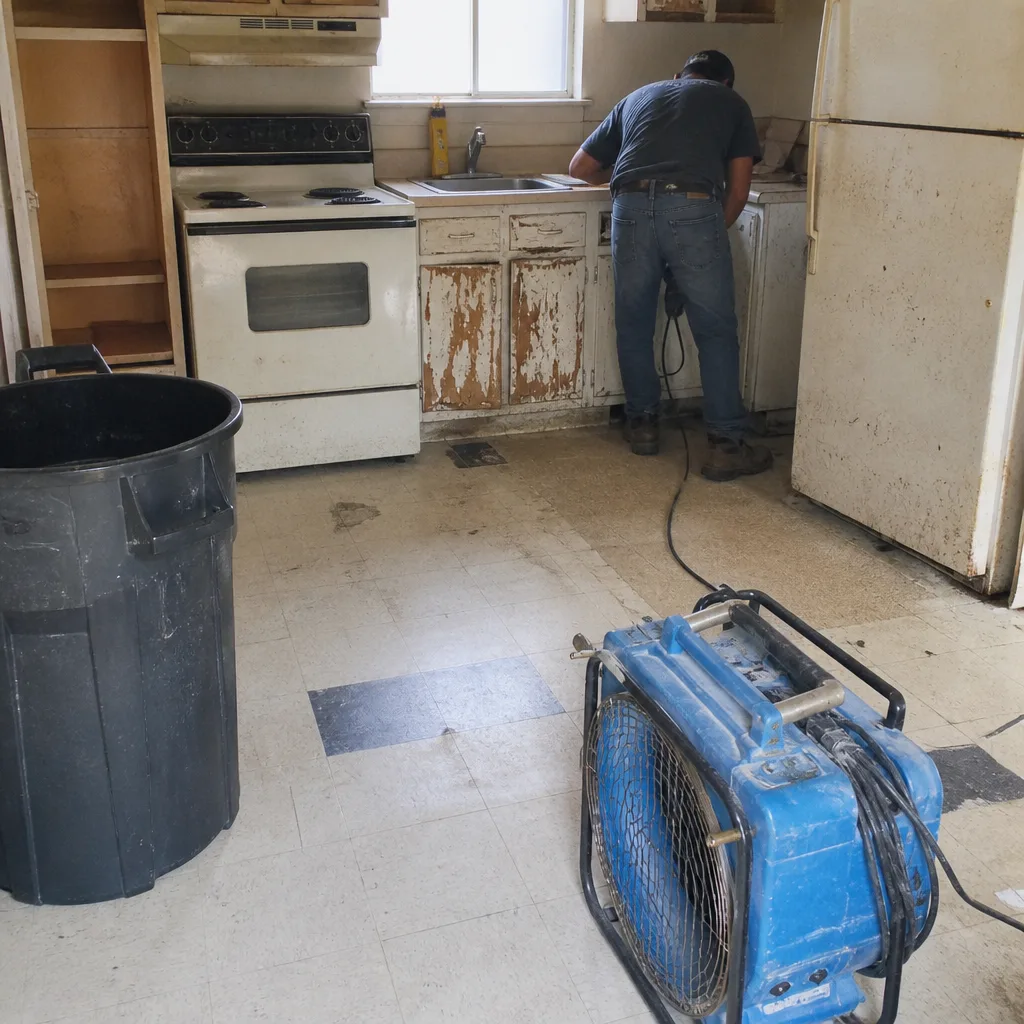
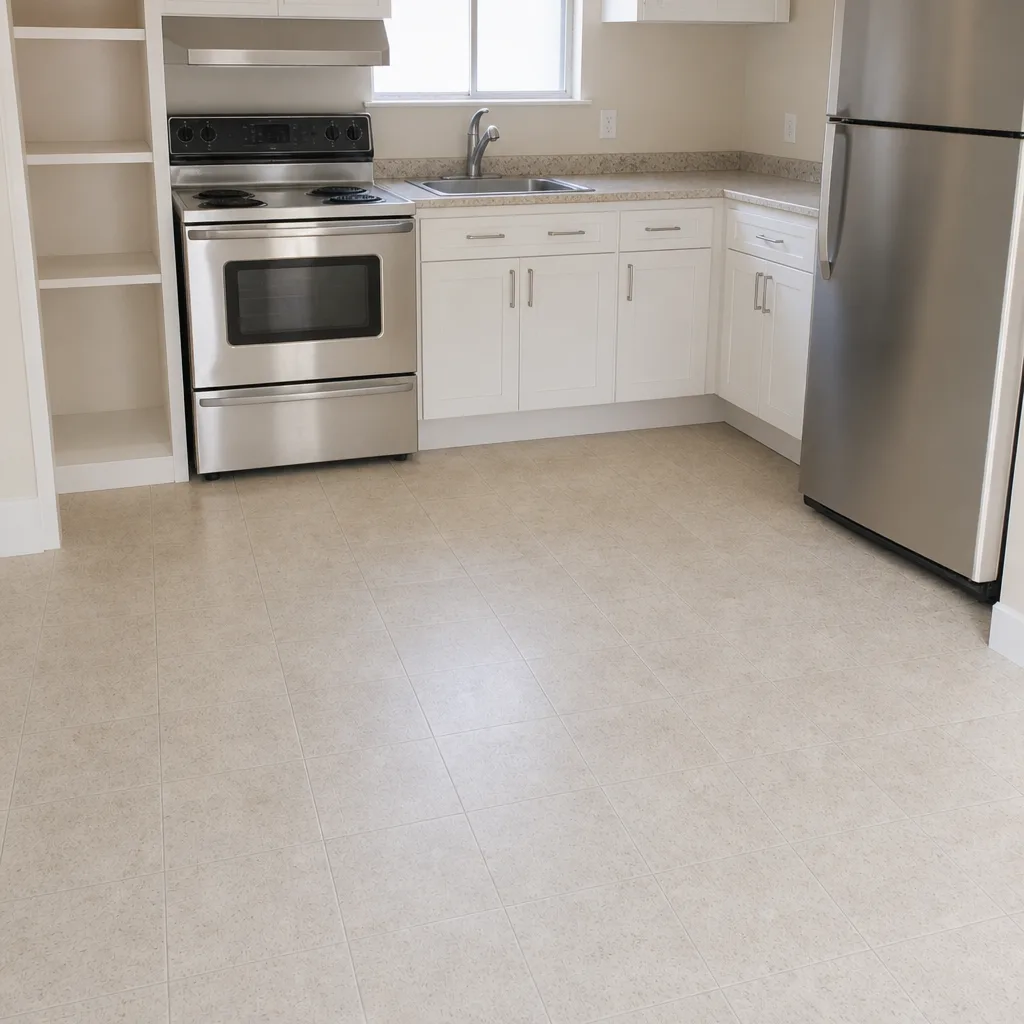
See the difference
 Before
 After
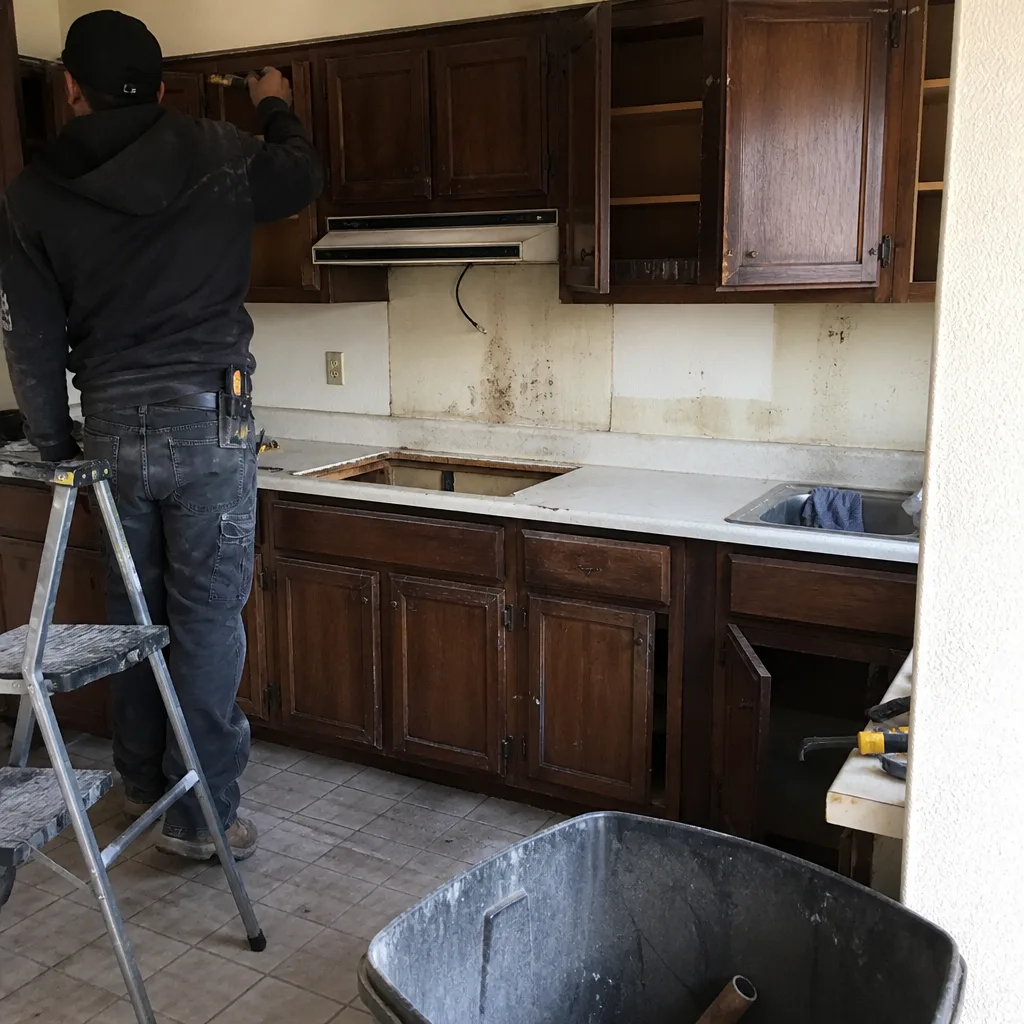 Before
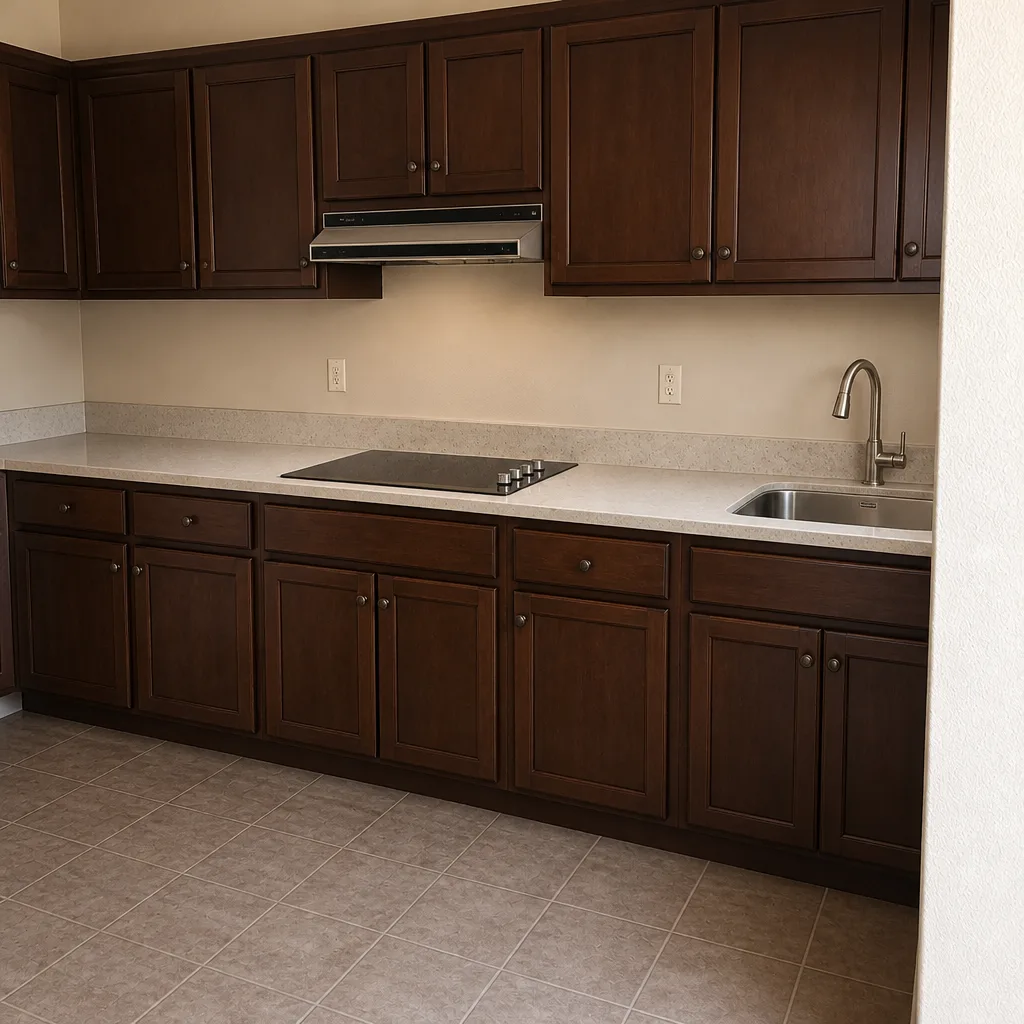 After
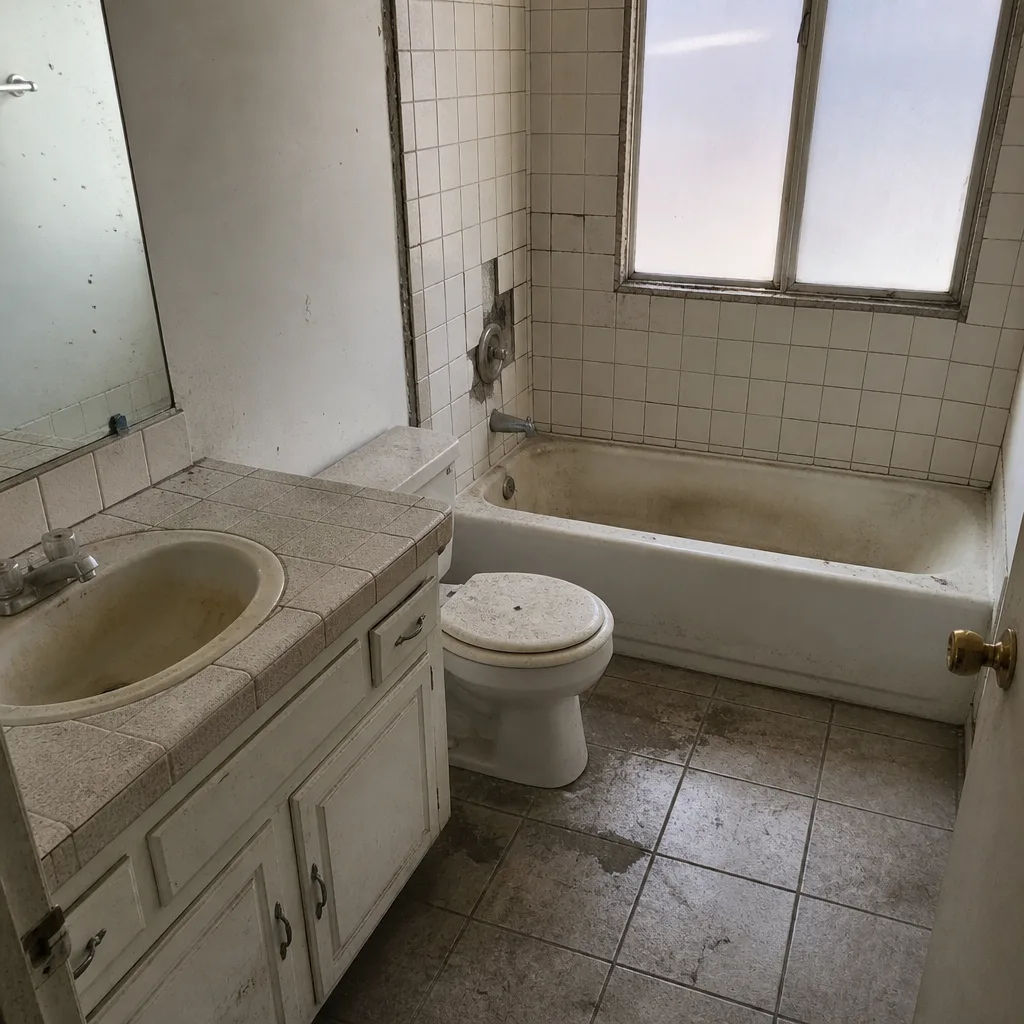 Before
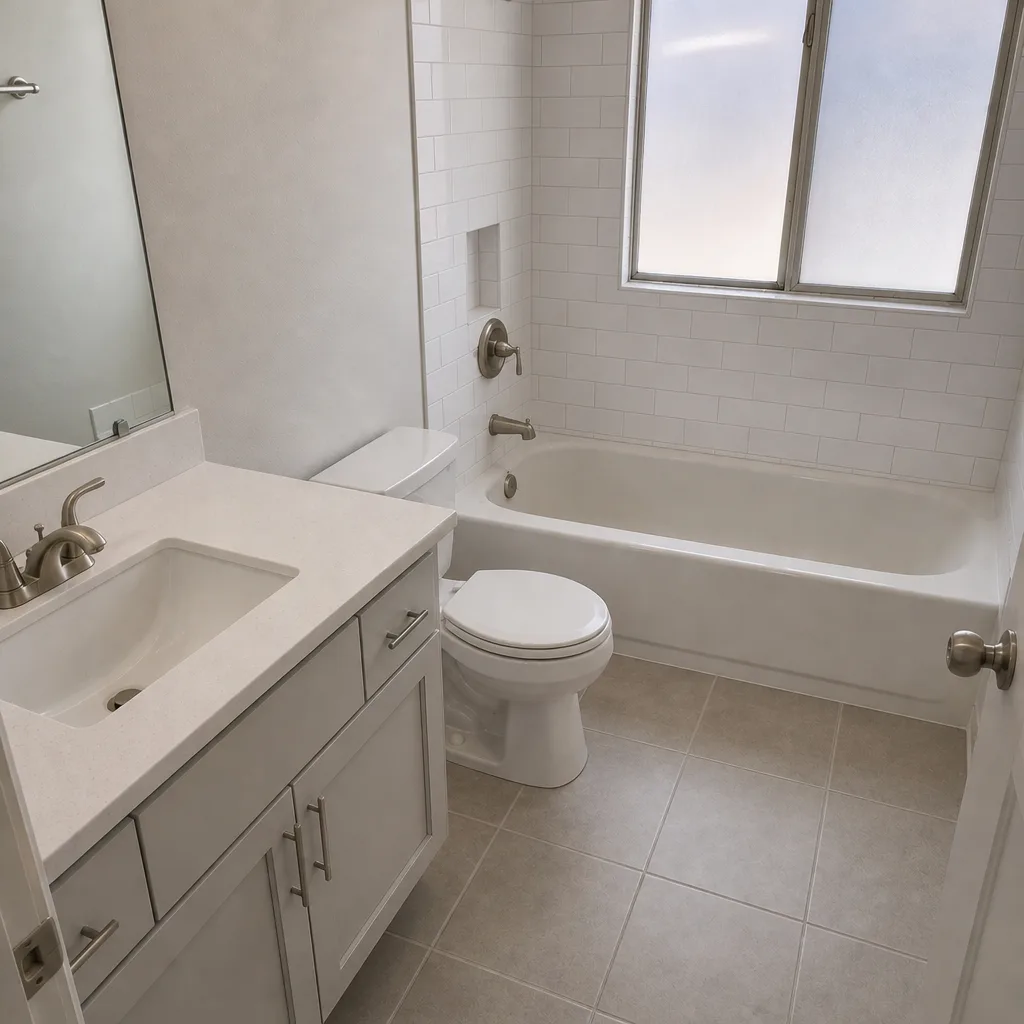 After
When to Call a Professional
Call a licensed professional in Whitney when the scope involves plumbing, electrical, gas, structural framing, the building envelope, or any permit requirement. That covers water heater installation, panel or circuit work, wall removal, roofing, exterior door and window replacement, and full bathroom or kitchen remodels with typical Whitney plumbing counts. Also call when the project requires a permit for resale or insurance disclosure, when the inspection timeline is tight, or when you’re unsure what’s behind a wall. Garage door springs and cables are in the same category: high-tension hardware that fails dangerously, not a scope for homeowner removal. Bradford Remodeling Co Whitney offers free estimates in Whitney, with a written price before any work starts and the 365-Day Done Right Promise on every completed project. Call (833) 620-4908 to schedule yours.
Frequently Asked Questions
Yes, in most cases. A Whitney bathroom remodel that moves or replaces plumbing, adds or changes electrical, or changes the layout requires a permit. Cosmetic work like paint, tile on existing substrate, and fixture swaps on existing connections generally doesn’t trigger one. Pull the permit when in doubt; the inspection protects your insurance claim later. Call (833) 620-4908 for a free scope review on a Whitney bathroom project.
It can. Most Nevada homeowner’s policies exclude damage traced to faulty workmanship or work done without required permits. If a water or electrical claim traces back to unpermitted DIY work, the adjuster will ask for permits and licensed invoices, and the claim may be denied or reduced. Read the exclusion clauses in your policy before choosing DIY on a code-required scope. Call (833) 620-4908 if you want a straight answer on whether a scope needs a permit.
A Whitney kitchen remodel with homeowner demo typically runs $12,000 to $35,000 depending on cabinet line, counter surface, and fixture grade. Self-demo saves $800 to $2,000 on the labor line. Permitted plumbing and electrical rough-in still need a licensed contractor. Call (833) 620-4908 for a written line-item estimate on the licensed scopes.
The break-even for a Whitney homeowner usually sits at small cosmetic work worth under roughly $1,500 in materials. Above that, tool rental, material waste, and redo risk typically close the gap between DIY and a licensed installer. Plumbing and electrical never reach break-even because the licensed scope and permit requirement remove DIY as a legal option. Call (833) 620-4908 for an exact figure on your project.
No, not for anything beyond a lightbulb or a switch plate. Nevada requires a licensed electrician for new circuits, outlet additions, panel work, and any wiring that involves opening a wall. Electrical work causes fires when it’s done wrong, and a permit and inspection are how you document that the work meets code. Call (833) 620-4908 if you want a scope reviewed before you start.
Bradford pulls the permits on licensed scopes and gives you a written price before any work starts. That number doesn’t change at the door, and every completed project carries the 365-Day Done Right Promise, a full-year written guarantee that Bradford returns and corrects the work at no charge if it fails inside the guarantee period. Technicians are background-checked and uniformed, and our team has up to 22 years of experience. Call (833) 620-4908 to schedule a free estimate in Whitney.
The Bottom Line
The DIY-versus-hire decision in Whitney isn’t about whether you’re handy. It’s about permit exposure, warranty voidance, and insurance gaps that often only surface after a claim is denied. Handle the cosmetic and demolition scopes yourself; bring in a licensed contractor for plumbing, electrical, gas, structural, and envelope work. Structure the project as a hybrid so you save real money on labor without creating document gaps that hurt your insurance claim or your resale. Get the permit number, keep the inspection sign-off, and hold the written guarantee. That’s the difference between a remodel that appreciates and one that follows the house to resale.
If you’re weighing a project in Whitney and want the licensed scopes priced before you commit, call Bradford Remodeling Co Whitney at (833) 620-4908 to schedule a free estimate. You’ll get a written line-item price before any work starts, a documented brand roster, and the 365-Day Done Right Promise behind the finished work.
Written by the team at Bradford Remodeling Co Whitney.