
5 Mistakes to Avoid With Bathroom Remodeling
A bathroom remodel that runs 40% over budget almost never blows up on demo day. It blows up on day one, when the homeowner signed off on a quote that didn’t say who supplies the fixtures, what “rough plumbing included” actually covers, or who pays if the subfloor under the tub is soft. Most of the expensive mistakes in bathroom remodeling aren’t design choices. They’re sequencing and scope gaps, approved weeks before anyone swings a hammer, and they compound until the invoice looks like fraud even when it isn’t.
These are the five we see most often in Whitney, and each one comes with a fix you can run before you agree to a single line item. If you’d rather hand the whole thing to a crew that puts every number in writing, call (833) 620-4908 for a free estimate.
Mistake 1: Approving a Fixture Allowance Instead of a Fixed Price
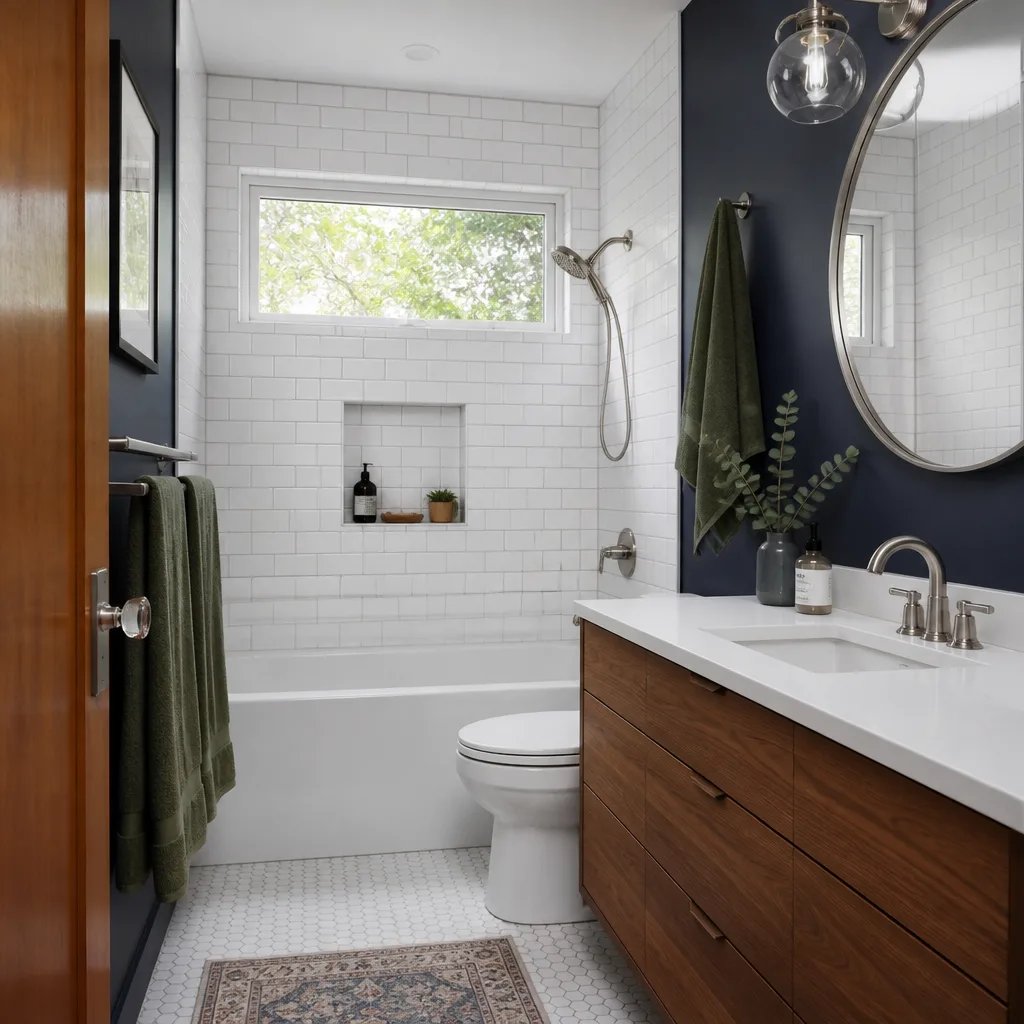
An allowance is a placeholder number, not a price. A quote that says “$1,500 for fixtures” is a guess the contractor controls, and when the faucet you actually want costs $2,200, that difference lands on your invoice as a change order. Allowances are where surprise invoices are born.
Here’s how the math plays out on a typical Whitney hall bath:
- Allowance model: contractor budgets $1,500 in fixtures, you pick Kohler and Moen pieces that total $2,400, and you eat the $900 gap mid-job when the drywall is already open.
- Fixed-price model: you select the exact Kohler faucet and Moen shower trim before the contract is signed, and the written price already includes those specific items by model number.
The fix is simple, and it costs you nothing but a showroom visit up front. Ask for a fixed-price line item naming the exact fixture models and finishes, and ask what happens if a selected item is discontinued mid-project. A disciplined contractor will name the substitution policy in writing. When a homeowner tells us they got burned by an allowance, it’s almost always because nobody wrote down which model the allowance was based on in the first place.
Mistake 2: Skipping a Written Scope That Separates Demo, Haul-Away, and Disposal
“Demo included” sounds like one thing and can mean three. Tearing out a fiberglass tub surround, hauling the old debris to the curb, and paying the dump fee are separate tasks with separate costs. When the scope lumps them into one word, you find out at the end which ones were actually included.
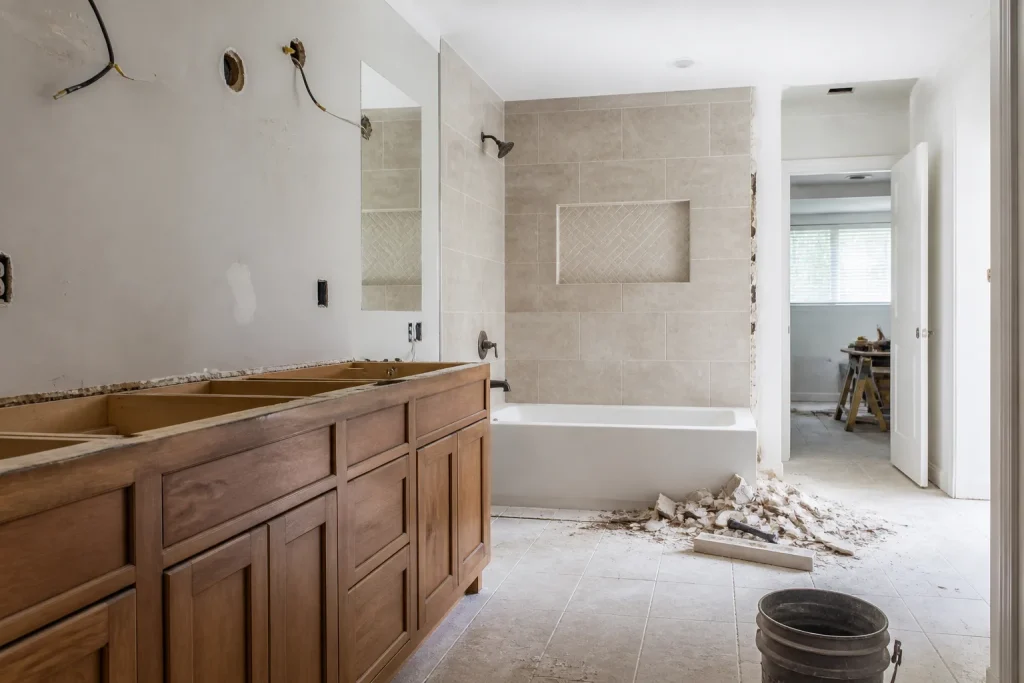
We pulled a job out of a garage over in the Painted Desert area last spring where the original contractor’s scope said “demo and dispose” and the homeowner got a $340 landfill bill on top of the final invoice because the crew knocked the tile into a dumpster that was never ordered. Thirty seconds of clear language would have handled it.
Ask for these as separate written lines:
- Demo – what comes out, and how far the crew takes it (tile, tub, vanity, drywall, subfloor).
- Haul-away – debris removed from the property, not stacked in the backyard.
- Disposal – dumpster rental and landfill fees, itemized so they don’t reappear as a surcharge.
- Protection – floor coverings, dust barriers, and what happens to adjacent rooms during the work.
This is the plainest test of whether a contractor runs on discipline or improvisation. If they can’t put demo, haul-away, and disposal on three separate lines, the rest of the scope probably has the same looseness in it. If you’d rather not interrogate a bid yourself, our team builds the scope line by line and hands you the Bathroom Remodeling in Whitney plan in writing first.
Mistake 3: Failing to Get a Subfloor and Waterproofing Clause in Writing Before Tile Is Quoted
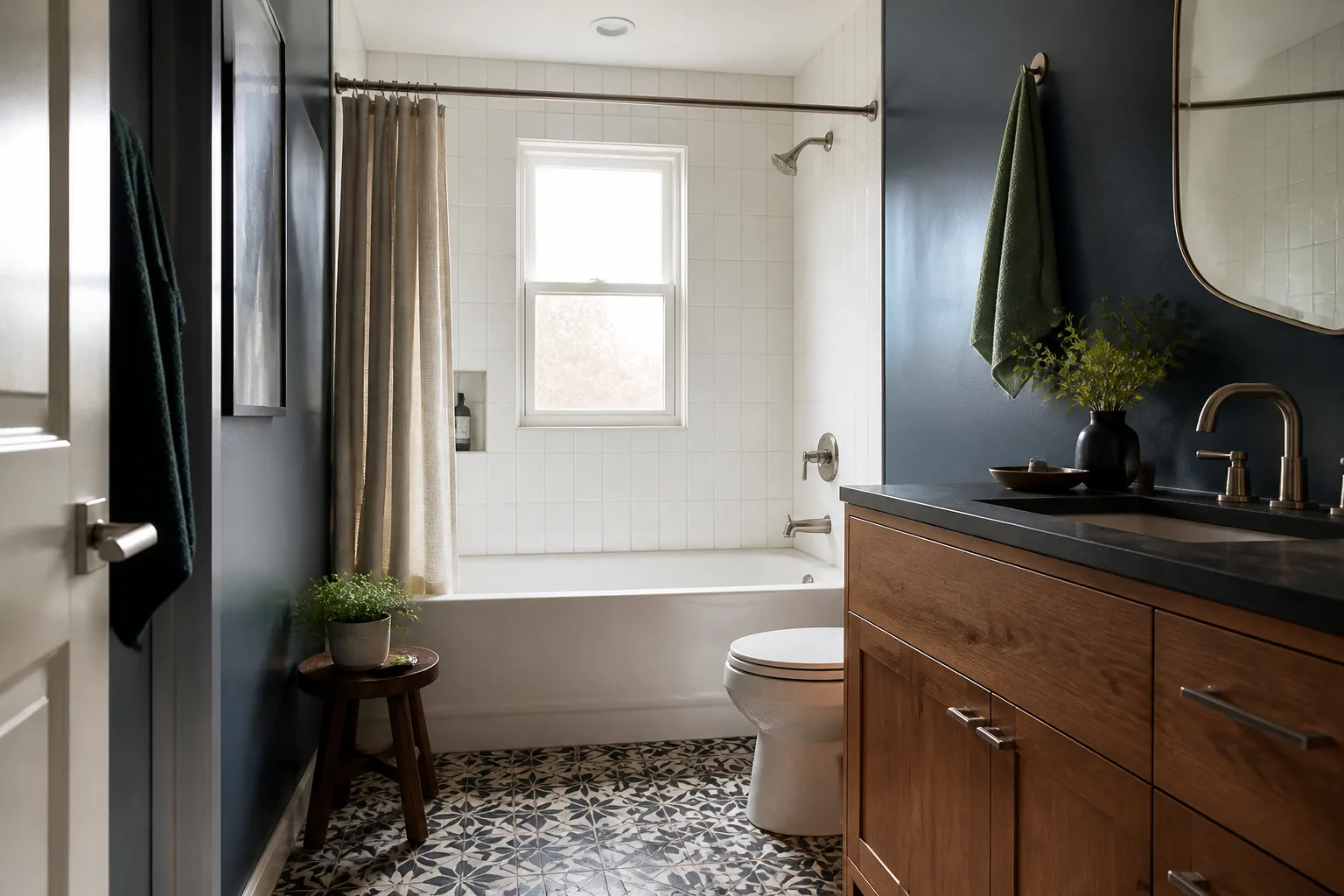
Rotted subfloor found mid-job is the single most common cost spike in bathroom remodeling. In Whitney, where we run a dry desert climate most of the year, we still see it constantly from slow pinhole leaks, failing supply lines, and shower pans that were never built right. The moisture sits under the tile for years, and nobody knows until the demo crew pulls it up.
Before tile work is quoted, insist on these three items in the contract:
- A written allowance for subfloor repair, with the dollar amount and the per-square-foot rate spelled out, not left to “call for pricing.”
- A clear statement of the waterproofing system and method – cement board, liquid membrane, or uncoupling mat – named by material, not described as “standard waterproofing.”
- A clear statement of what happens if rot runs past a certain depth. Does the contract specify the point at which the price gets adjusted, and by how much per square foot?
A subfloor inspection clause isn’t a loophole, it’s a disclosure. Any contractor who won’t quote it up front is counting on the surprise landing on your side of the ledger. Khaki and a clipboard don’t repair rot – the written clause is what protects you either way.
Mistake 4: Letting the Contractor Control the Permit Timeline Without Milestones Tied to Payment
A bathroom remodel permit in Whitney isn’t optional, and the inspection schedule drives the whole job. If the contract sets a start date and a finish date but nothing in between, you have no lever to pull when the work stalls between the rough-in inspection and the tile setter’s arrival.
What belongs in writing:
- Permit pull date – when the contractor files, and who pays the fee.
- Rough-in inspection date – after plumbing and electrical are run and before drywall closes it up.
- Final inspection date – before the final payment release.
- Payment releases tied to those milestones, not to the calendar. Money moves when inspection passes, not when a month goes by.
This is how you keep a project on schedule without nagging anyone. When payment is tied to inspection, the contractor has a built-in reason to keep the trades lined up. When payment is tied to a date, the contractor has a reason to ask you for money before the work is done. Our team runs every Whitney project off a milestone schedule for exactly this reason, and it’s the same discipline that underpins General Contractor in Whitney work at every scale.
Mistake 5: Not Defining Punch List Completion in the Contract
Most bathroom disputes happen in the final 10% of the job, not the first 90. The last 10% is where the punch list lives – the grout touch-up, the crooked outlet cover, the vanity door that rubs, the disconnected towel bar the crew was supposed to reinstall but forgot. If the contract doesn’t say what “done” means, the final payment becomes a fight and the last week drags on for a month.
Write it down before the job starts:
- What a punch list is – the specific walk-through where you and the contractor mark the remaining items together.
- How long the list lasts – a real deadline for the contractor to complete it, typically within a set number of days after the walk-through.
- When final payment releases – only after the punch list is signed off, not when the crew pulls off the driveway.
- What happens if the work fails – the guarantee period and the terms. Every project we complete in Whitney carries the 365-Day Done Right Promise, a written guarantee that holds for a full year; if the work fails inside that window, we come back and fix it at no charge.
At close, “squared away” means a clean site, a signed scope, and a written guarantee in your hand – not a handshake and a promise to circle back.
When to Call a Pro Instead of Managing This Yourself
If you’ve read this far and you’re thinking about running the sequencing yourself to save the management fee, be honest about what you’re taking on. You’ll be the one calling the permit office, chasing the plumber between inspections, and eating the difference on a subfloor surprise – that’s not a knock against you, it’s the reality of general-contracting a bathroom while working a full-time job. The same applies if you’re weighing a quick vanity-and-fixture refresh against a full gut; the answer usually comes down to how much of the rough-in is moving. Our technicians have up to 22 years of experience and every job runs off The Garrison Standard: a written price before any work starts, background-checked uniformed technicians, and a live person answering the phone around the clock, not a voicemail.
Related Services in Whitney
If you’re exploring the wider project, we also handle Kitchen Remodeling in Whitney and broader general contracting work, and you can see the full scope on our Bradford Remodeling Co Whitney home page. Same written-price discipline on every job.
What happens when you call
- 1
A real person answersNo phone trees – you reach a local pro.
- 2
You get an upfront price rangeHonest numbers before anyone is dispatched.
- 3
A background-checked tech heads outLicensed & insured, dispatched right away.
- 4
You approve before work beginsNothing starts until you say go.
The Bottom Line
The five mistakes to avoid in bathroom remodeling all come down to scope and sequencing, not design: don’t approve a fixture allowance instead of a fixed price, don’t accept a vague “demo included” line, get a subfloor and waterproofing clause in writing before tile is quoted, tie payment to inspection milestones rather than dates, and define punch list completion and final payment release before the first tool comes out. Run those five items as a checklist against any bid you’re holding, and you’ll strip out most of the room a surprise invoice needs to hide in.
If you’re in Whitney and need help, Bradford Remodeling Co Whitney offers free estimates – every one comes with a written price before any work starts, insured and licensed work, and the 365-Day Done Right Promise on every completed project. Call (833) 620-4908.
Frequently Asked Questions
A hall bath refresh in Whitney typically runs $9,000 to $18,000, and a full primary bath gut with moved plumbing generally runs $22,000 to $45,000. The spread comes down to fixture selection, whether the subfloor needs repair, and how much of the rough-in is moving. Call (833) 620-4908 for an exact quote – estimates are free and in writing.
It shouldn’t, and with a written fixed-price contract it won’t unless the scope changes or hidden damage is found. The two legitimate reasons a bathroom price moves mid-job are rotted subfloor past the depth defined in the contract, and you asking for a change to the scope you originally approved. Anything else is a red flag. Call (833) 620-4908 and we’ll walk you through how a fixed price locks in before work starts.
Yes. A bathroom remodel permit is pulled before any work starts, and inspections are scheduled at rough-in and final. We put the permit pull date and both inspection dates in the milestone schedule, and payment releases tie to inspection pass, not to the calendar. Call (833) 620-4908 to see how the schedule works on a Whitney project.
A hall bath typically runs three to four weeks from permit issue to final inspection, and a full primary bath gut runs five to seven weeks. The punch list walk-through comes after final inspection, and completeness is defined in the contract so the last week doesn’t slide into a month. Call (833) 620-4908 for a schedule tied to your specific scope.
Written by the team at Bradford Remodeling Co Whitney.
Need Construction Help?
Call Bradford Remodeling Co Whitney - licensed & insured, here with fast after-hours help in Whitney.
(833) 620-4908