
Last updated November 18, 2026








Free written scope consultation - allowances, timeline, and change-order rules on paper before a single trade is scheduled
Home Remodeling Warning Signs Every Homeowner Should Know
The contractor who burned you probably had decent reviews. Maybe a four-star average, a few glowing comments from neighbors, a photo of a finished kitchen that looked sharp. The problem wasn’t his work history. It was the three things nobody checked before the contract got signed: the license number against the name on the bid, the scope in writing, and what happens when the plan changes mid-job. Those procedural gaps are where remodels fall apart, and they show up long before anyone picks up a hammer. This guide is a pre-hire checklist for homeowners in Whitney and anywhere else, built around the red flags that predict a dispute before the first nail goes in.
Quick Answer
The most reliable home remodeling warning signs are procedural, not cosmetic: a bid with no written scope or exclusions, a license number that doesn’t match the company name, verbal change order approvals, and payment schedules that front-load cash before milestones are hit. If a remodeler won’t put price, scope, timeline, and change-order process in writing before work starts, that’s the signal to walk. Reviews and photos come second.
Styles & brands we work with
- Kitchen remodeling
- Bathroom remodeling
- Home additions & ADU
- Roofing
- Windows & doors
- Driveway & pavers
- Fence
Table of Contents
- How to Verify a Nevada Contractor License in Under 3 Minutes
- The Five Contract Omissions That Predict a Dispute
- What “We’ll Figure It Out As We Go” Actually Costs
- On-Site Behavioral Red Flags During Active Work
- How to Document Concerns Mid-Project Without Blowing Up the Relationship
- Reading Bids Side by Side: What the Numbers Hide
- Why Whitney-Area Remodels Carry Their Own Risks
- Common Mistakes to Avoid
How to Verify a Nevada Contractor License in Under 3 Minutes
Nevada requires contractors to hold a license issued by the Nevada State Contractors Board, the NSCB. Verifying one takes about as long as brewing a cup of coffee. Go to the NSCB license lookup, enter the license number from the bid, and read the results. The name that comes back must match the name on the contract. If the bid says “Smith Construction LLC” and the license returns “J. Smith Handyman Services,” stop.
Here’s the part most homeowners miss: a valid license confirms the contractor met the state’s qualification requirements, carried the required bond, and holds the classification for the work being bid. It does not confirm the quality of their last ten kitchens. It doesn’t tell you whether they pay their subs on time. It doesn’t promise they’ll show up Monday. A license is a floor, not a ceiling.
Check three things on the lookup:
- Name match. The licensed name and the contracting name on the bid should line up. Mismatches are a real signal.
- Classification. Nevada licenses are classified by work type. A residential remodeling classification should cover a kitchen or whole-home remodel. An A-general license may be the wrong scope for finish work.
- Status and complaints. The lookup shows license status and, in many cases, complaint history. Look at it before you sign, not after.
In Whitney, we’ve seen bids come through with a license number that belongs to a parent company or a related entity, not the business actually doing the work. That’s worth a phone call to the NSCB before anything gets signed. If you’re also comparing bids for a General Contractor in Whitney, ask each one for its license number in writing so you can run all of them through the same lookup.
The Five Contract Omissions That Predict a Dispute
In our experience, the disputes that go bad almost always trace back to something missing from the contract, not something done wrong at the job site. Five omissions show up over and over. If any of these are absent from your contract, ask for them in writing before you sign.
- No lien waiver clause. A lien waiver protects you if a subcontractor or material supplier goes unpaid and tries to put a lien on your home. Without one, you can end up owing twice for the same work.
- No change order process. A change order is the written record of any adjustment to scope, price, or schedule. No process means verbal approvals and numbers that show up on the final invoice with nothing to check them against.
- No completion date. “Sometime in the spring” is not a date. A written substantial completion date gives you a reference point and a basis for conversation if things slip.
- No scope of exclusions. The exclusions section is often more important than the inclusions. It says what is NOT covered: permits, dumpster, drywall repair behind old tile, appliance reconnection. Missing exclusions turn into line items.
- No payment schedule tied to milestones. Payments should track completed work. A large deposit before any material is ordered is a warning sign, not a standard practice.
Bradford Remodeling Co Whitney builds every job off a written price before any work starts. That’s part of The Garrison Standard, and it’s non-negotiable on our jobs because a written number is the only one you can hold a contractor to. If a remodeler in Whitney hands you a bid without these five elements, that’s the pre-hire warning sign that matters most.
What “We’ll Figure It Out As We Go” Actually Costs
“We’ll figure it out” sounds friendly. It’s usually said with a smile, often by a contractor who genuinely believes it. Then the rough-in goes into a wall where the old plumbing didn’t match the plan, and the conversation shifts. That’s when the surprises start showing up on invoices, and the surprises cost real money.
A few typical lines from a final invoice where scope was never written:
- Subfloor repair discovered after demo: $600 to $2,400 depending on extent, never mentioned in the original bid.
- Re-framing around a relocated window or door: $400 to $1,800 per opening, sometimes framed as “unforeseen.”
- Electrical re-routing when a wall goes where the panel needed to stay: $300 to $1,200, plus permit amendment fees.
- Drywall and paint re-work after a layout change: $800 to $2,500 for a mid-size kitchen.
- “Site conditions” surcharge: a catch-all line that can add 5 to 15 percent to the total with no documentation.
None of those costs are fake. The problem is that they weren’t in the bid, weren’t priced in a change order, and weren’t approved in writing. A disciplined remodeler prices the known unknowns up front where possible and writes a change order for everything else. When you get a written quote for a kitchen project, ask exactly this: what is not included, and how will changes be priced? A contractor who can answer in one paragraph is squared away. One who shrugs isn’t. For a closer look at how a written scope maps to a kitchen project, see our page on Kitchen Remodeling in Whitney.
On-Site Behavioral Red Flags During Active Work
The pre-hire checklist catches most problems. Some show up only after work is underway. These are the on-site signals that something is drifting, and each one is fixable if you catch it early.
Subcontractor substitution without notice
A bid names a crew, then a different crew shows up. That’s not automatically a problem, since many remodelers use vetted subs, but the change should be communicated. If the person running your project isn’t the one you met, ask who they are and who they work for. In Whitney, we see this often on larger jobs where the primary contractor runs multiple crews.
Skipped inspections
Permitted work requires inspection at specific stages: rough framing, rough electrical, rough plumbing, insulation, and final. If your contractor keeps moving past inspection points without a signed-off card, stop and ask. Inspections exist for a reason, and burying that step rarely ends well.
Work buried before sign-off
Drywall going up before rough-in inspection, tile set over unverified waterproofing, cabinets hung before electrical is signed off. Any of these means a problem is now hidden and more expensive to fix later.
Clean site versus chaos
A disciplined site is a clean site. Debris hauled daily, tools stored, walks swept. Chaos on the site usually predicts chaos on the invoice and the schedule.
Silence on schedule
Progress updates should be regular. If you go two weeks without a status, ask for a written update. Silence is not a neutral signal during a remodel.
How to Document Concerns Mid-Project Without Blowing Up the Relationship
You have a real concern and you don’t want to turn a working relationship into a fight. The move is to document in writing, calmly, without accusation. Here’s language that has worked:
For a scope question: “The bid we signed lists a KraftMaid cabinet package. The cabinets delivered today are a different line. Can you confirm what’s being installed and whether this changes the price?”
For a schedule slip: “The substantial completion date on our contract was March 15. I understand things can shift. Can you send a revised written schedule this week so we both have the current plan in writing?”
For a change order: “We discussed moving the sink during Tuesday’s walkthrough. Before any work proceeds, can you send the change order with the new price so I can sign off in writing?”
For an inspection: “Can you send the signed inspection card for the rough electrical before the drywall goes up? I want to make sure everything’s squared away before it’s covered.”
Email is fine. Text works for short items. The key is that there’s a written record, not a phone call. A contractor who’s by the book will answer these requests in a day and welcome them, because a written record protects both sides. A contractor who pushes back on written documentation is telling you something.
Reading Bids Side by Side: What the Numbers Hide
Two bids, one for $28,000 and one for $34,000. The lower bid looks better. It usually isn’t, because the numbers hide different things. When you’re comparing bids for a Whitney remodel, put them side by side against a fixed checklist:
- Does each bid list specific product lines (KraftMaid or Wellborn cabinets, Cambria or Caesarstone surfaces, Kohler fixtures) or generic “quality cabinetry”?
- Does each bid include permit fees, dumpster, and final cleaning, or are these excluded and billed separately?
- Is the payment schedule milestone-based, or front-loaded?
- Is there a written completion date, or “approximately 8-10 weeks”?
- Is there a guarantee period after completion, and what does it cover?
A disciplined bid names the products, prices the exclusions, and puts a written guarantee period alongside the price. Our projects carry the 365-Day Done Right Promise, which means we come back and correct work at no charge if it fails within a year. That’s the kind of line item that should show up in a bid comparison. If it’s absent from one bid and present in another, you’re not comparing the same job. For a look at how a specified bid compares across a full bathroom, see Bathroom Remodeling in Whitney.
Why Whitney-Area Remodels Carry Their Own Risks
Whitney sits in the Las Vegas Valley, and the local conditions shape what can go wrong on a remodel. Three factors specific to this area tend to catch homeowners off guard:
Extreme heat and window/wall solar gain. Summer surface temperatures on west-facing walls can exceed 150 degrees. Any exterior work, including stucco repair and paint, needs to be timed and prepped for that heat or it fails early. Interior remodels with new windows or slider doors need to account for solar gain in the room’s cooling load, which sometimes means shading additions that weren’t in the original plan.
Hard water and plumbing. Whitney’s water supply carries mineral content that stresses fixtures over time. When a bathroom is being remodeled, the fixtures specified should be checked against the local supply; Kohler and Moen lines both publish compatibility data that matters here.
Permitting and inspections through Clark County. Whitney is an unincorporated area of Clark County, so permits run through the county building department rather than a city hall. Timelines for inspection scheduling vary by season, and a remodeler who bids a Whitney project without accounting for county inspection windows is bidding a fantasy schedule.
None of that changes the warning signs. It just raises the bar on who’s checking them. A remodeler who knows the valley is one who’s asked the county inspection office about current turnaround before they bid your job.
Common Mistakes to Avoid
- Signing before verifying the license number. The NSCB lookup takes three minutes. Skipping it is the single most expensive shortcut a homeowner can take on a Whitney remodel.
- Approving changes verbally. “Yes, go ahead and tile the shower niche” over the phone becomes a line item on the final invoice. Only written change orders count.
- Front-loading the deposit. A 50 percent deposit before materials are ordered puts you in a weak position. A milestone-based schedule keeps the leverage on your side.
- Assuming the bid is the contract. A bid is a proposal. The contract has to include scope, exclusions, timeline, change order process, and payment schedule before it counts as an agreement.
- Not opening the correspondence file. Every email, text, and photo you keep is documentation. Every phone call is not. Put decisions in writing.
- Letting drywall go up before inspection. Once rough work is covered, fixing problems hidden behind it can double the repair cost.
- Comparing bids without comparing scope. A $6,000 gap between bids almost always reflects a difference in what’s included, not a different profit margin.
See the difference
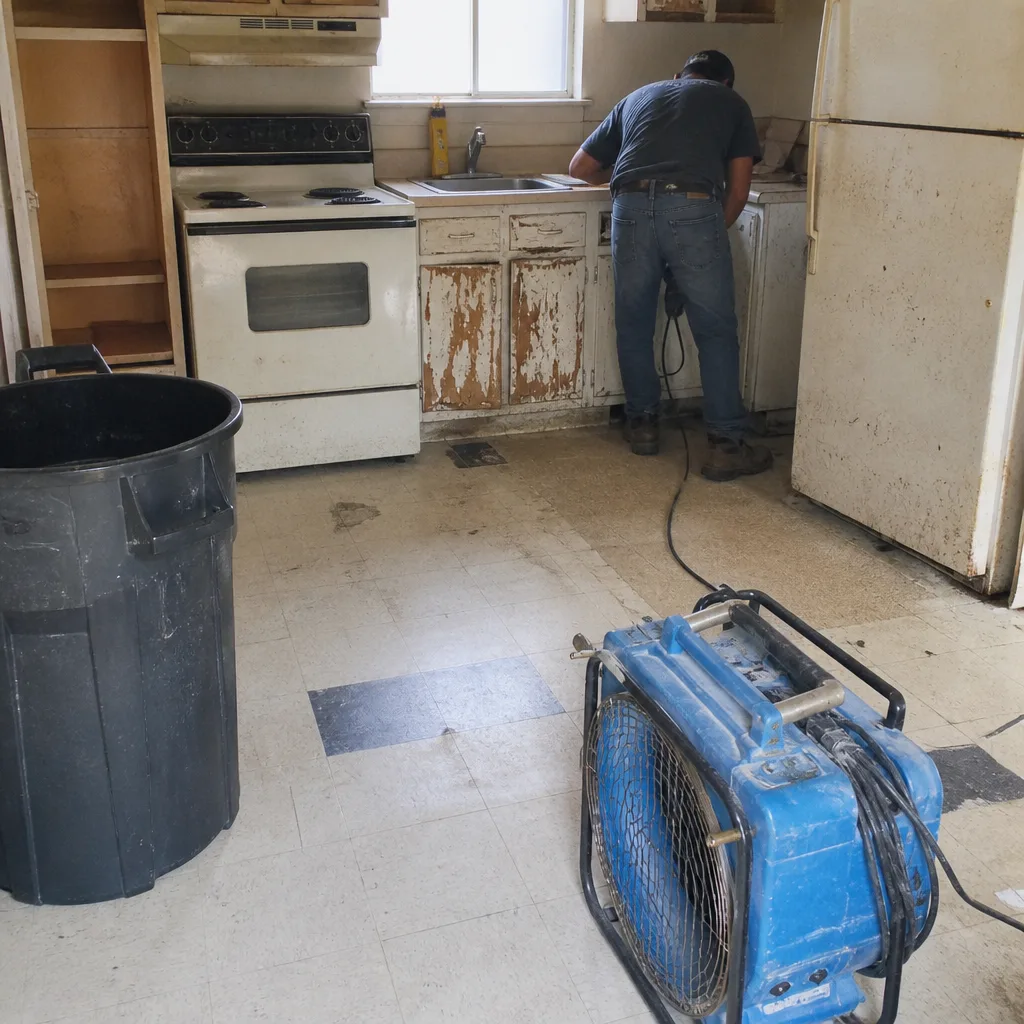 Before
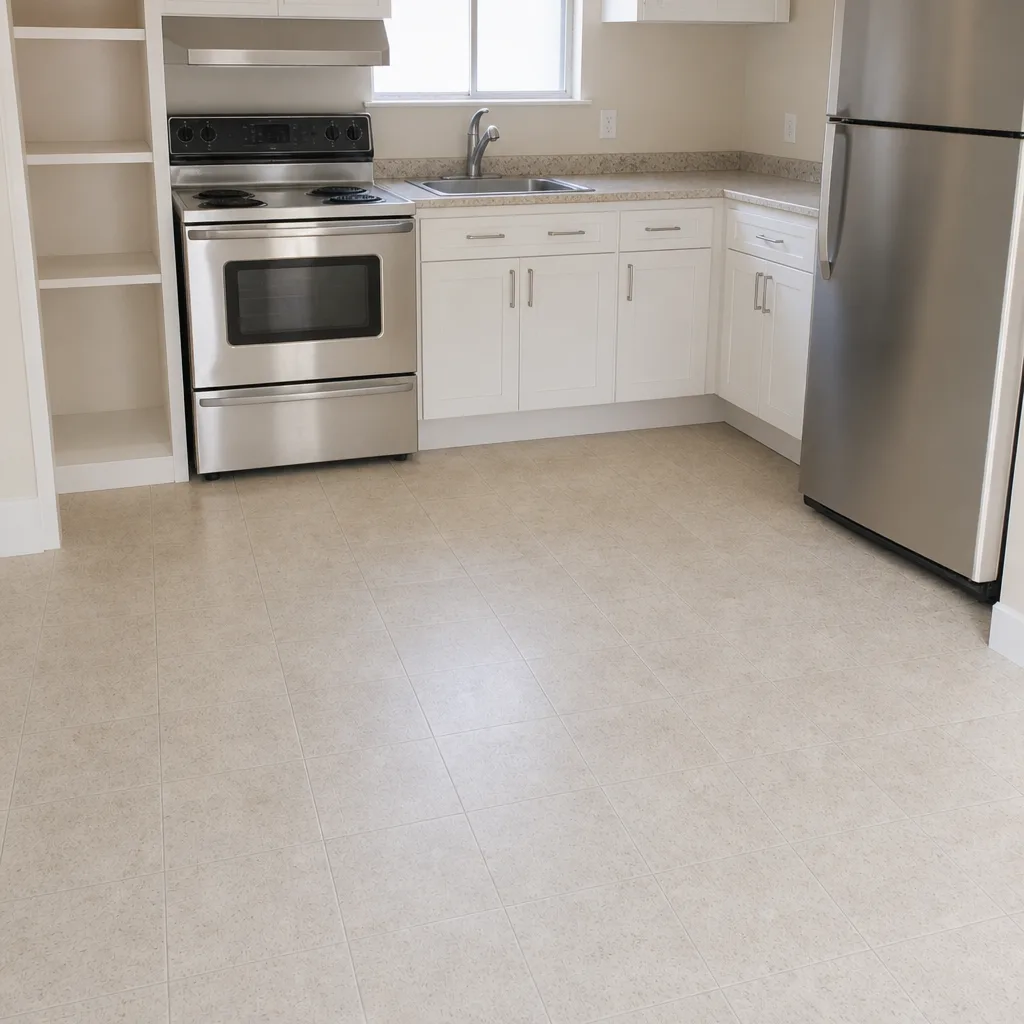 After
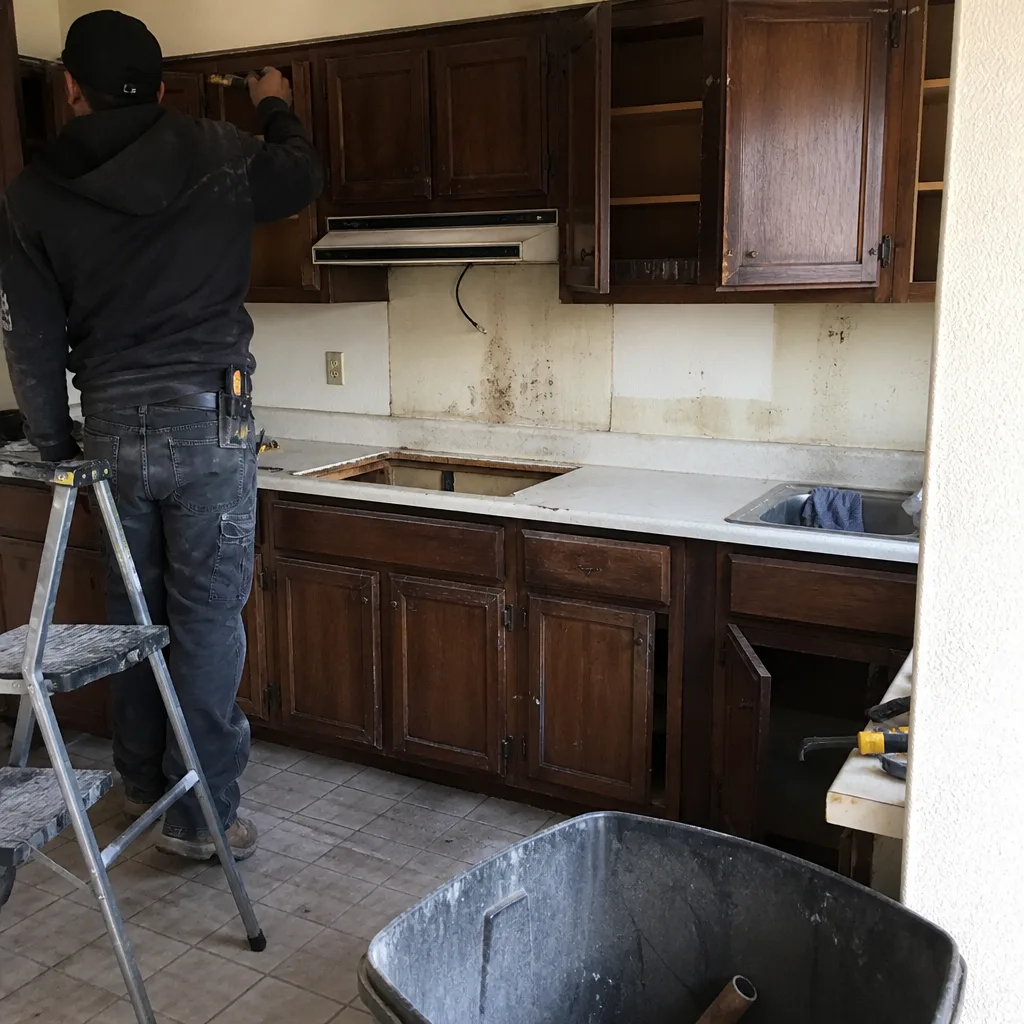 Before
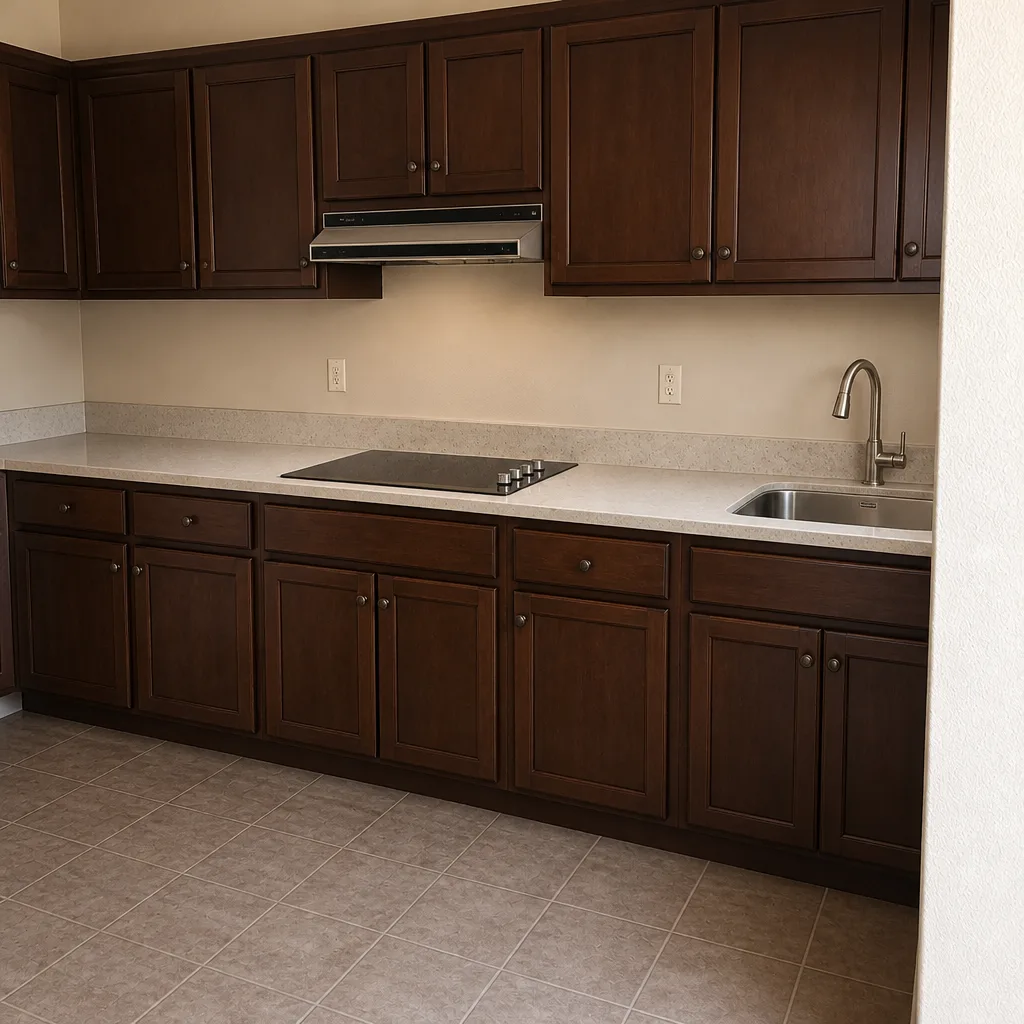 After
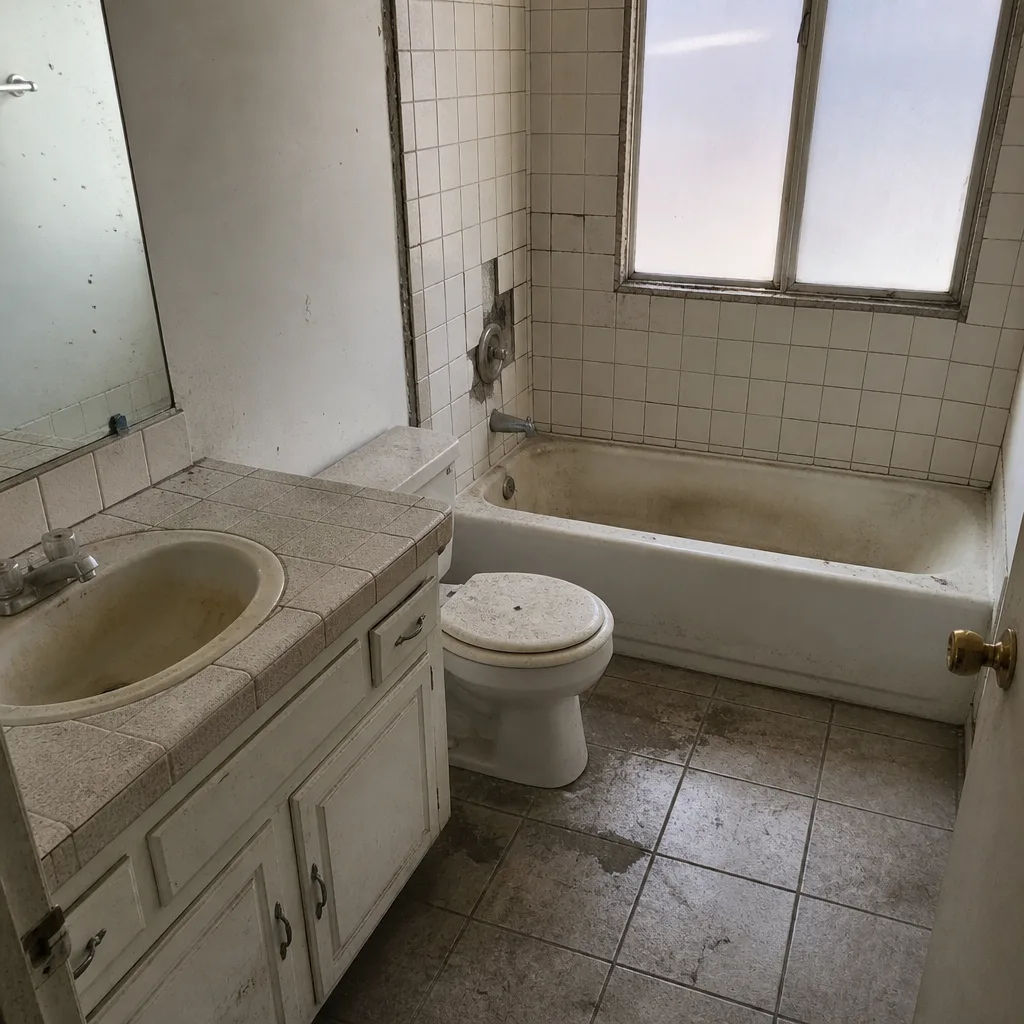 Before
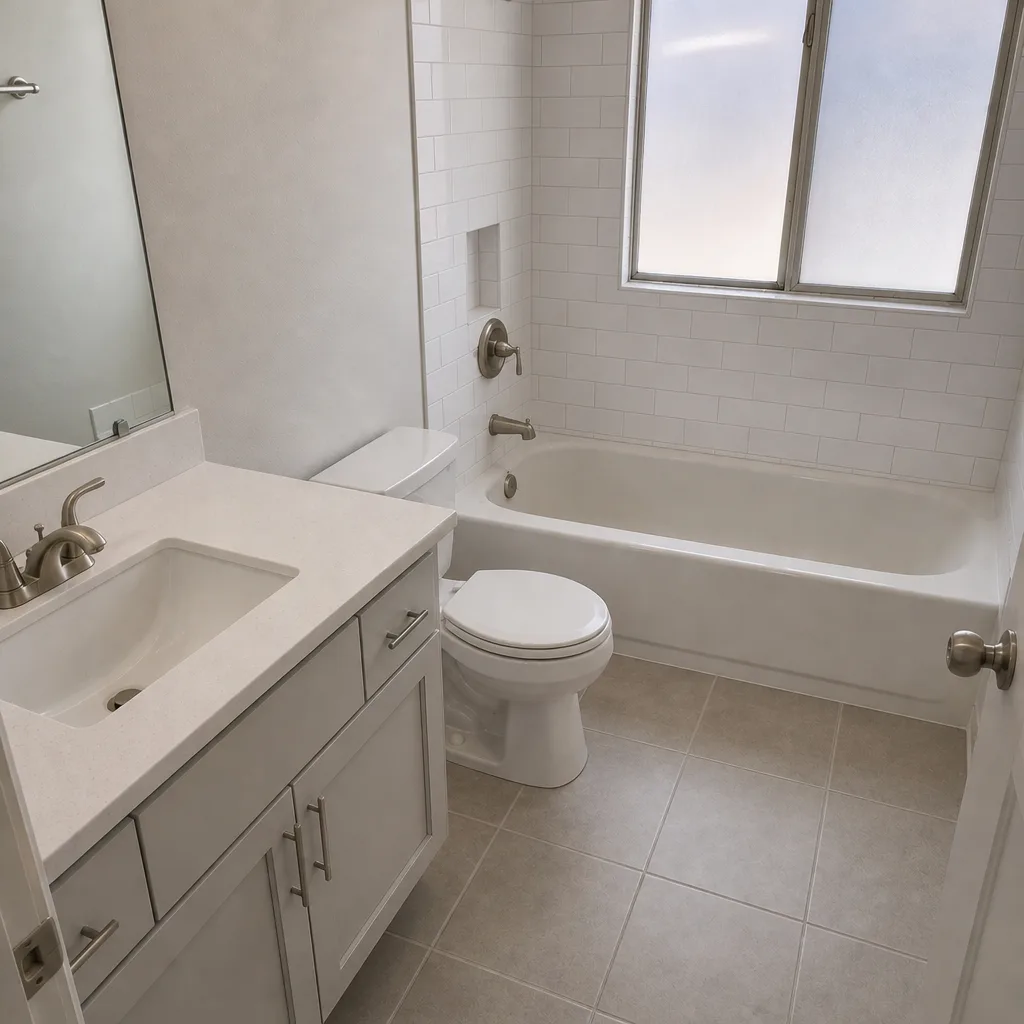 After
When to Call a Professional
Some warning signs are fixable if you catch them early. Some mean it’s time to bring in a licensed contractor, especially if the current job has stalled or the contract was signed without the five omissions covered above. Call a professional before you sign anything if you can’t verify the license, if the bid has no written scope, or if the payment schedule is front-loaded. If work is already underway and inspections are being skipped or work is getting buried, call a licensed contractor to assess. Bradford Remodeling Co Whitney offers free estimates in Whitney – call (833) 620-4908. Our technicians have up to 22 years of experience, and every project starts with a written price before any work begins.
Frequently Asked Questions
A bid with no written scope or exclusions is the single biggest warning sign, because it means price, timeline, and change-order process are all up for negotiation later. Reviews and photos matter, but they can’t protect you once work starts. A signed contract with everything in writing can. Call (833) 620-4908 for a free estimate with a written scope.
Go to the Nevada State Contractors Board lookup and enter the license number from the bid. The licensed name must match the contracting name. Also check the classification (residential versus general) and any complaint history. It takes about three minutes and prevents most problems before they start.
Only with a signed change order. Any adjustment to scope, price, or schedule should be approved in writing before the work happens. If a contractor adds charges after the fact with no written change order, that’s a dispute waiting to happen. Our jobs always start with a written price and any changes are documented in writing before proceeding, backed by The Garrison Standard.
A reasonable deposit tied to material orders and mobilization, not a large percentage of the total project cost. The rest should follow milestones: rough-in complete, inspections passed, cabinetry set, final walkthrough. Payment schedules should be in the contract, not verbal. Call (833) 620-4908 to see how a written payment schedule looks on a Whitney job.
The 365-Day Done Right Promise is a written guarantee on every completed project. If the work fails inside the one-year window, we come back and correct it at no charge. It covers failures in workmanship related to the work we performed, and it’s written into the job before tools come out.
Specified brands, not generic descriptions. Cabinetry named as KraftMaid or Wellborn, surfaces named as Cambria, Silestone, or Caesarstone, fixtures named as Kohler or Moen. A bid that lists specific product lines is one you can hold a contractor to. A bid that lists “quality cabinetry” isn’t. Our projects run on a documented roster of name-brand materials so specifications are traceable. See our Bradford Remodeling Co Whitney home page for the full materials approach.
The Bottom Line

The home remodeling warning signs that matter most happen before the first tool comes out. Verify the license number on the NSCB lookup. Insist on a written scope with exclusions, a written completion date, a change order process, and a milestone-based payment schedule. Document concerns in writing, calmly, as you go. If a remodeler won’t put any of that in writing, walk away before you sign, because a contract is where discipline shows up. Bradford Remodeling Co Whitney works to The Garrison Standard because the same principle drives every job we take: a written price and a written guarantee before work starts, backed by the 365-Day Done Right Promise. Call (833) 620-4908 for a free estimate.
Written by the team at Bradford Remodeling Co Whitney.