Last updated November 18, 2026






Free written scope consultation - allowances, timeline, and change-order rules on paper before a single trade is scheduled
How Long Does General Contractor Take? Timelines and What to Expect
Salespeople quote remodeling timelines in calendar days. Experienced crews quote them in working days. That gap is where most schedule disappointments get built in before a single tool comes out of the truck. In Whitney, Nevada, the gap widens further: Clark County permit review for a standard remodel averages 10 to 15 business days, which means roughly three weeks can pass before demolition even starts. Most contractors skip that fact when they hand you a start date. This guide breaks a general contractor’s timeline into phases you can actually hold a crew to, from permit submittal to punch list.
Quick Answer
A whole-home remodel in Whitney typically takes 4 to 8 months from contract signing to final walkthrough, and a kitchen remodel runs 6 to 10 weeks of active construction. Add 10 to 15 business days for Clark County permit review and 2 to 12 weeks for cabinet and window lead times. A general contractor’s calendar is almost never just construction time.
Styles & brands we work with
- Kitchen remodeling
- Bathroom remodeling
- Home additions & ADU
- Roofing
- Windows & doors
- Driveway & pavers
- Fence
Table of Contents
- Phase-by-phase timeline: where the weeks actually go
- How long does permitting take in Whitney and Clark County?
- Material lead times in 2024: cabinets vs. tile vs. windows
- What does “substantial completion” actually mean?
- Weather, inspections, and subs: what slows Whitney jobs down
- How to write milestone dates into a contract
- Common mistakes to avoid
- Frequently asked questions
Phase-by-Phase Timeline: Where the Weeks Actually Go
Here is the honest shape of a general contractor timeline, phase by phase, using durations we’ve seen hold up on Whitney projects. Every phase has a way to slow down. Your job is to know which ones you control and which you don’t.
- Design and selections (2 to 6 weeks). Drawings, material picks, and a written scope. Every brand in your project needs a model number on paper: KraftMaid or Wellborn cabinetry, Cambria or Caesarstone surfaces, Kohler or Moen fixtures. Every week you spend deciding here is a week you don’t spend discovering a wrong-order problem on site.
- Permit submittal and review (10 to 15 business days in Clark County). Structural changes, additions, and electrical panel work need plan review. Cosmetic work may need only a permit and no plan review, which cuts this phase to a few days.
- Rough-in trades (1 to 3 weeks). Framing, electrical, plumbing, and HVAC rough-in. This is where your general contractor coordinates multiple trades, and where a good one keeps the site clear for the rough inspection.
- Rough inspections (2 to 5 business days each). Framing inspection, electrical rough, plumbing rough, then a combined inspection. Each hold adds days. Some municipalities bundle these; Clark County generally wants them sequenced.
- Insulation, drywall, and finish substrate (1 to 2 weeks). Drywall hanging, taping, and texture. In Whitney’s dry, hot climate, drywall compound sets faster in summer and slower in winter, which is a small scheduling variable your contractor should plan around.
- Finish work (3 to 6 weeks on a kitchen; 8 to 12 weeks on a whole home). Cabinetry install, countertop template and install (usually 5 to 10 business days between template and install for stone), tile, paint, trim, and fixtures.
- Final inspection and punch list (1 to 3 weeks). Final inspections, the homeowner walkthrough, and correcting the punch items. See the substantial completion section for why this phase eats schedule.
If you’re planning a kitchen specifically, our kitchen remodeling in Whitney page walks through the trade sequence in more detail.
How Long Does Permitting Take in Whitney and Clark County?
Clark County Building Department plan review for a standard residential remodel averages 10 to 15 business days. That’s the number to anchor your calendar against. For anything requiring structural engineering or a plan checker reassignment, add another week. For simple kitchen cabinet-and-counter swaps, permits are often not required, but the scope still needs to be documented so the inspection authority knows what to look at.
Two things surprise Whitney homeowners here:
- Submittal quality decides the wait. An incomplete plan set gets a comment cycle of 5 to 10 business days and goes back to the end of the queue. A clean submittal with correct engineering signatures moves faster.
- Permits don’t start the clock on materials. If your contractor waits for permit approval before ordering cabinets, you’ve just added cabinet lead time to permit time. The professional move is to order long-lead items in parallel, with written confirmation from the supplier.
A general contractor in Whitney who pulls permits and holds inspections for you is doing the part that most protects your timeline. If your GC asks you to “just go ahead without the permit,” that’s a red flag – the permit is your legal protection when the work is inspected and signed off.
Material Lead Times in 2024: Cabinets vs. Tile vs. Windows
Material lead times are the second hidden schedule killer. Here’s what we’re seeing on Whitney projects, trade by trade:
- Cabinetry (KraftMaid, Wellborn): 4 to 8 weeks for semi-custom. If you pick a custom door profile or a discontinued finish, add 2 to 4 more weeks. This is the longest lead on most kitchen jobs.
- Countertops (Cambria, Caesarstone): 1 to 2 weeks from template to install once the cabinets are set. The stone itself is usually in stock regionally, but you can’t template until base cabinets are installed, which means the countertop sits at the end of the chain.
- Windows (PGT, CGI, CWS, ES Windows): 3 to 6 weeks for made-to-order. Standard sizes ship faster than custom; custom sizes on hurricane-rated product lines can stretch to 8 weeks.
- Tile and hard surfaces: 1 to 3 weeks if in stock at the distributor. Always check stock on the day you select, not the day you order.
- Doors (Therma-Tru) and exterior (GAF, James Hardie): 1 to 3 weeks on standard sizes; 4 to 6 weeks on custom patio doors.
How to identify long-lead items before they kill your schedule:
- Ask for a written lead-time table at contract signing, item by item.
- Prioritize purchases by lead time, not by room flow. The longest item gets ordered first, even if it installs last.
- Get supplier confirmation in writing – an order acknowledgment with a ship date, not a verbal “should be fine.”
- Flag substitutions on paper so there’s no surprise on install day.
What Does “Substantial Completion” Actually Mean?
Most contracts promise a date for “substantial completion” without defining it, and that’s where the arguments start. Legally, substantial completion usually means the work is usable for its intended purpose – the kitchen functions, the plumbing works, the space is safe to occupy – even if a punch list of touch-ups remains. Homeowners typically read the phrase as “everything is done.” Those are not the same thing.
Here’s how to close the gap:
- Define substantial completion in the contract with a specific standard: “Substantial completion means the work is ready for occupancy and all inspections have passed, with only items on the written punch list outstanding.”
- List the punch list in writing at the walkthrough, with a target date for each item. That converts vague follow-ups into commitments.
- Attach a final payment holdback. Common practice is 5 to 10 percent, released on written acceptance of punch items.
Why does the last 10 percent of a job take 30 percent of the time? Because punch-list items are small, sequential, and often depend on a specific tradesperson’s second visit. A cabinet door that needs alignment, a tile edge that needs caulk, a light fixture that’s on backorder – each one is a small job, and each one has to be slotted around active work elsewhere. A disciplined contractor manages punch items as a scheduled phase, not a casual drop-in.
Weather, Inspections, and Subs: What Slows Down Whitney Jobs
Whitney sits on the eastern edge of the Las Vegas Valley, and its climate does affect timing in ways that are easy to overlook.
- Summer heat: From June through August, exterior work (roofing, stucco, painting, hardscape) often needs to start at dawn to finish before peak heat. That compresses the workday and slowly lengthens exterior phases. Interior work is unaffected, but if your project overlaps inside and out, expect the exterior side to drive the schedule.
- Monsoon moisture (July through September): Flash storms can stop concrete pours, stucco, and roofing for a day or two at a time. A good general contractor builds weather float into the exterior phase, but they should tell you, not hide it.
- Winter cold snaps: Concrete and stucco cure slower below 50 degrees. Pours can be delayed by a day or two, and painted exteriors take longer to dry. This is a small factor, but a real one in January and February.
- Inspection scheduling: Clark County inspection appointments can book 2 to 4 business days out even in normal months and longer during busy spring and fall. A general contractor who calls for inspections the day the trade finishes, rather than the day the trade starts, saves a week or more over the course of a full remodel.
- Subcontractor sequencing: Electrical, plumbing, HVAC, tile, and cabinet installers all work from the same slot list. In Whitney, labor availability is generally strong; but peak season (spring and fall) tightens the better subs. Get your GC to confirm crew availability in writing before you sign.
Whole-home remodel timeline planning has to account for these layers. If your project is a larger gut renovation, our Bradford Remodeling Co Whitney home page lists the phases in more detail, and the bathroom remodeling in Whitney guide shows how the shorter-form version of this timeline plays out.
How to Write Milestone Dates Into a Contract
A timeline that only lives in a verbal promise is not a timeline. To make dates real, put them in writing with consequences. Here’s the structure that works.
- Name every milestone – not just the final date. Examples: permit submittal date, demolition date, rough-in complete and inspected, drywall complete, cabinets delivered, substantial completion, final walkthrough.
- Attach a duration to each milestone in working days.
- Define “excusable delay” narrowly – permit delays caused by plan review, supplier backorders with written acknowledgment, and documented weather delays. Everything else is on the contractor.
- Attach a consequence to missed milestones. Common mechanism: holdback of a percentage of the contract price until the milestone is met, or a per-day credit for late completion beyond an agreed grace period. Both are also standard.
- Document daily progress in writing or photo. A contractor who sends an update every week with a photo and a one-line status is easier to hold accountable than one who goes quiet.
- Sign the final punch list. That’s the last document, and it triggers release of the retainage.
One more piece of discipline: get a written price, in dollars, before work starts. Timeline questions only become real when they’re linked to scope and money. Bradford Remodeling writes the price and the guarantee into the same document so there’s no drift.
If your project scope is still open, our general contractor in Whitney page helps you frame the decisions before you sign anything.
Common Mistakes to Avoid
- Treating the start date as the construction date. If the contractor says “start date March 1” and doesn’t mention the 10 to 15 business days of Clark County plan review, ask. The written timeline should include permit lead time.
- Ordering materials after demolition. Demolition is not a milestone – it’s a phase change. Cabinets and windows should be ordered before demolition starts, with written acknowledgment from the supplier.
- Not defining substantial completion. If “done” isn’t defined, you’ll spend weeks negotiating which touch-up items are “done.” Define the term and the punch list in the contract.
- Skipping the kitchen per the change-order clause. Change orders cost time and money. Every one should be in writing with a new date attached. Verbal changes on a remodel are how a 10-week job becomes 14 weeks.
- Not asking about inspection scheduling. A general contractor who waits until the trade finishes before scheduling an inspection adds 3 to 5 days per inspection hold. Ask how inspections are scheduled upfront.
- Skipping seasonal readiness. Whitney’s summer heat and monsoon storms both cost days on exterior work. Summer remodel planning that includes exterior work should add 1 to 2 weeks of weather float.
- Expecting the punch list to take a day. It doesn’t. Budget a week for punch work on a kitchen and 2 to 3 weeks on a whole home.
See the difference
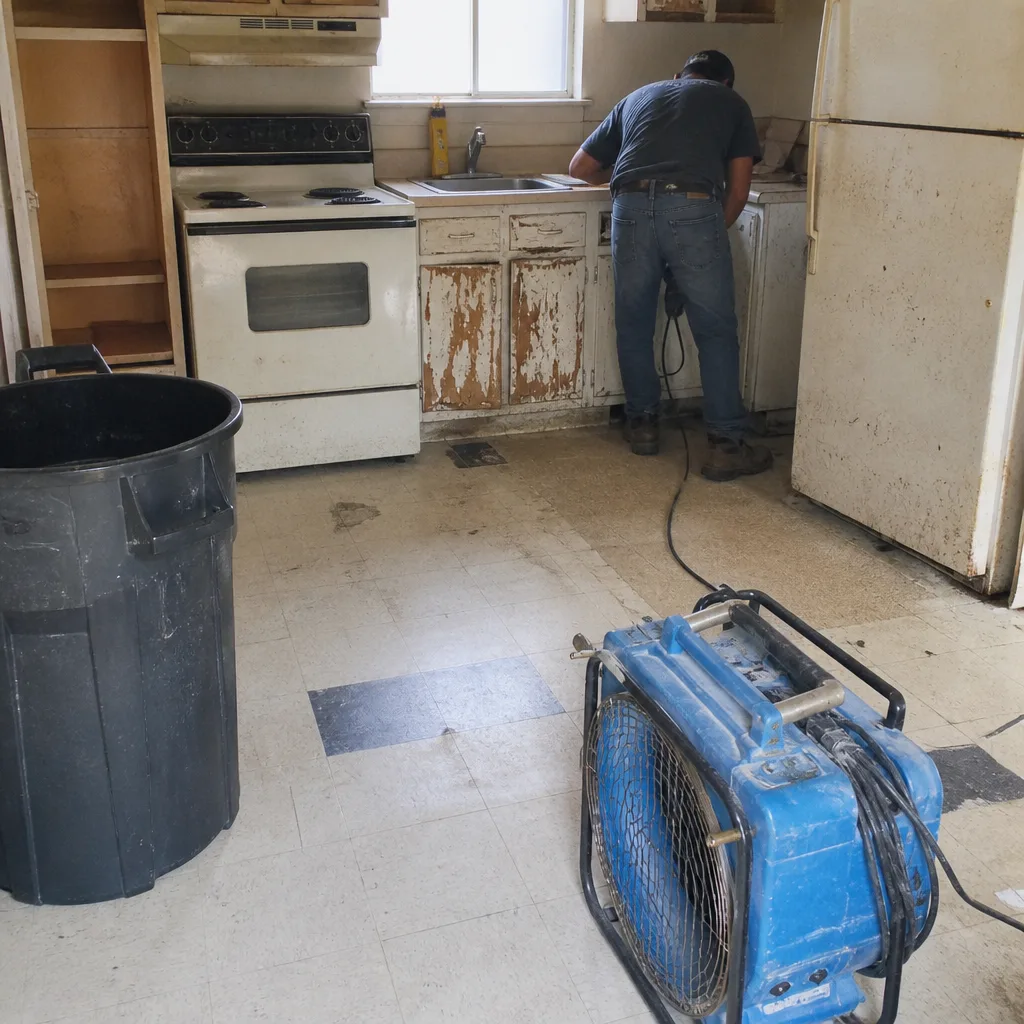 Before
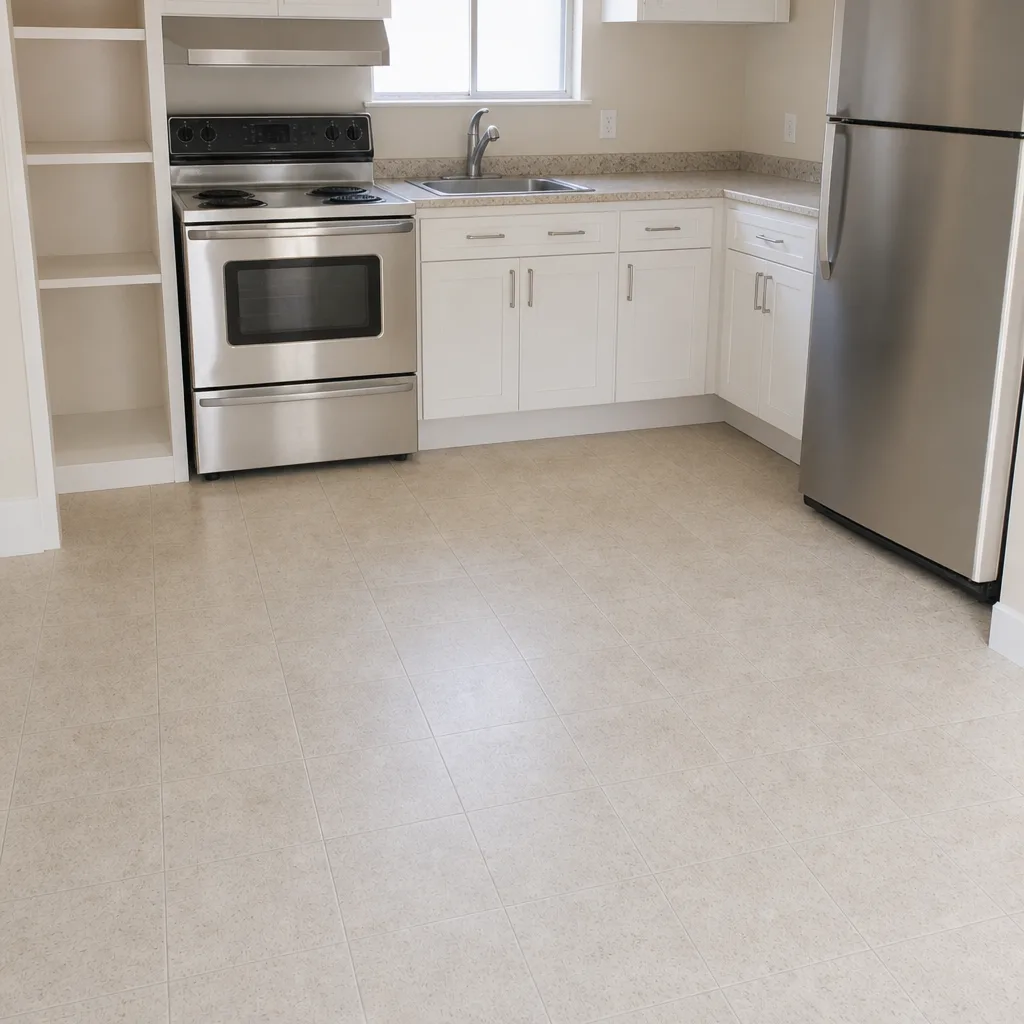 After
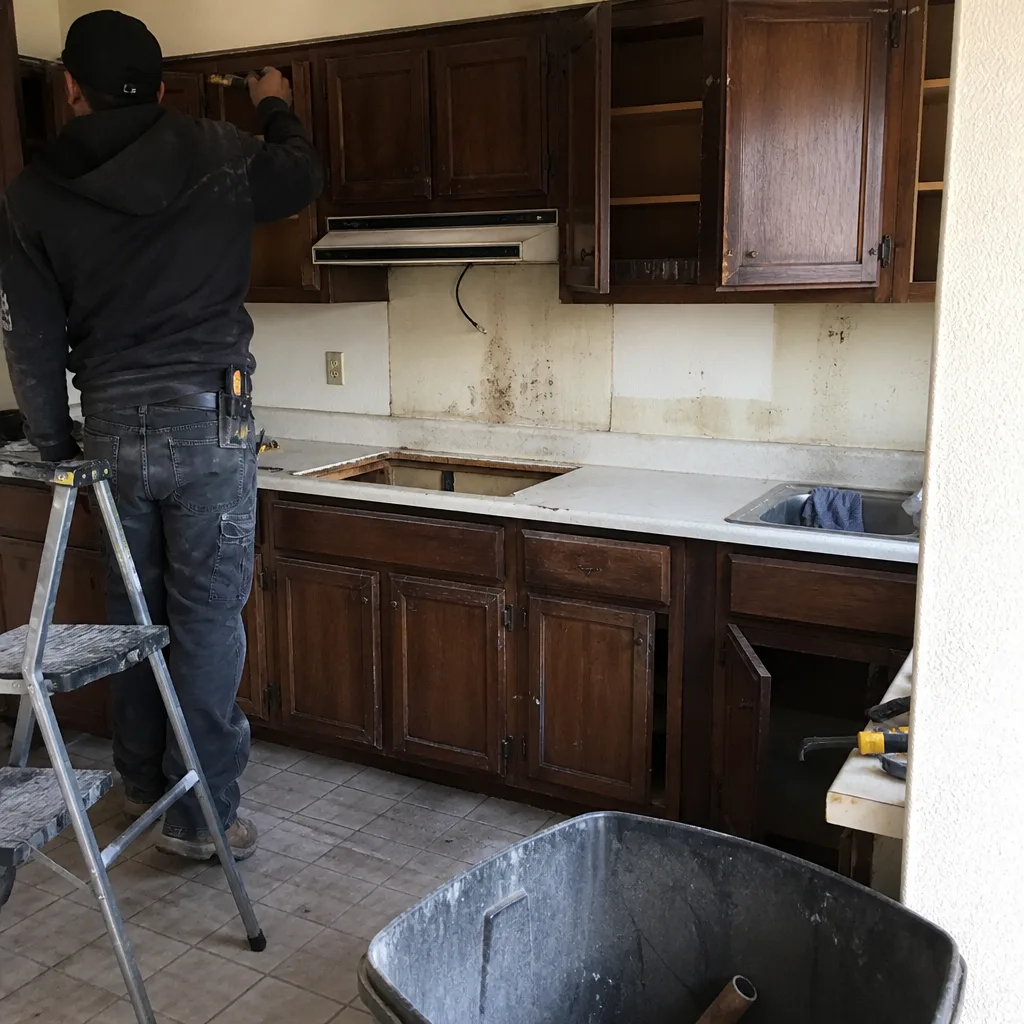 Before
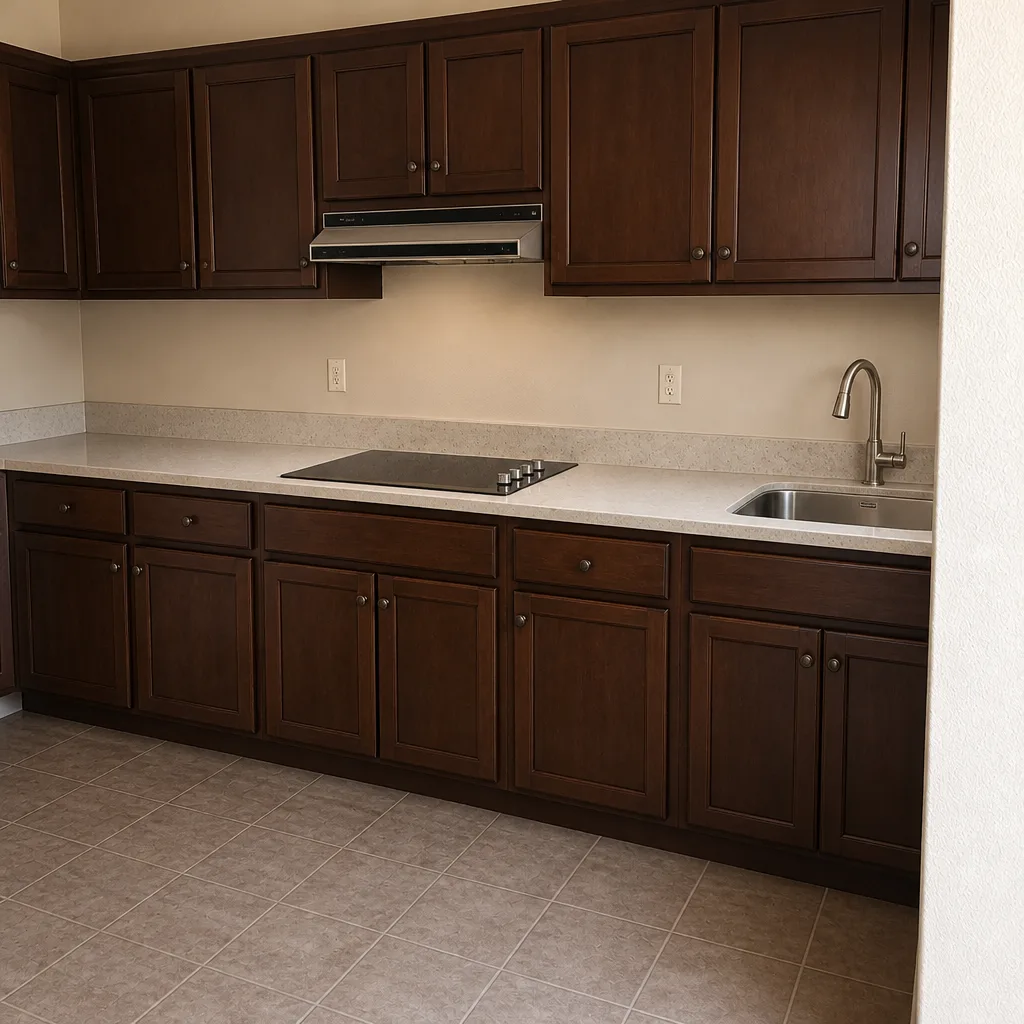 After
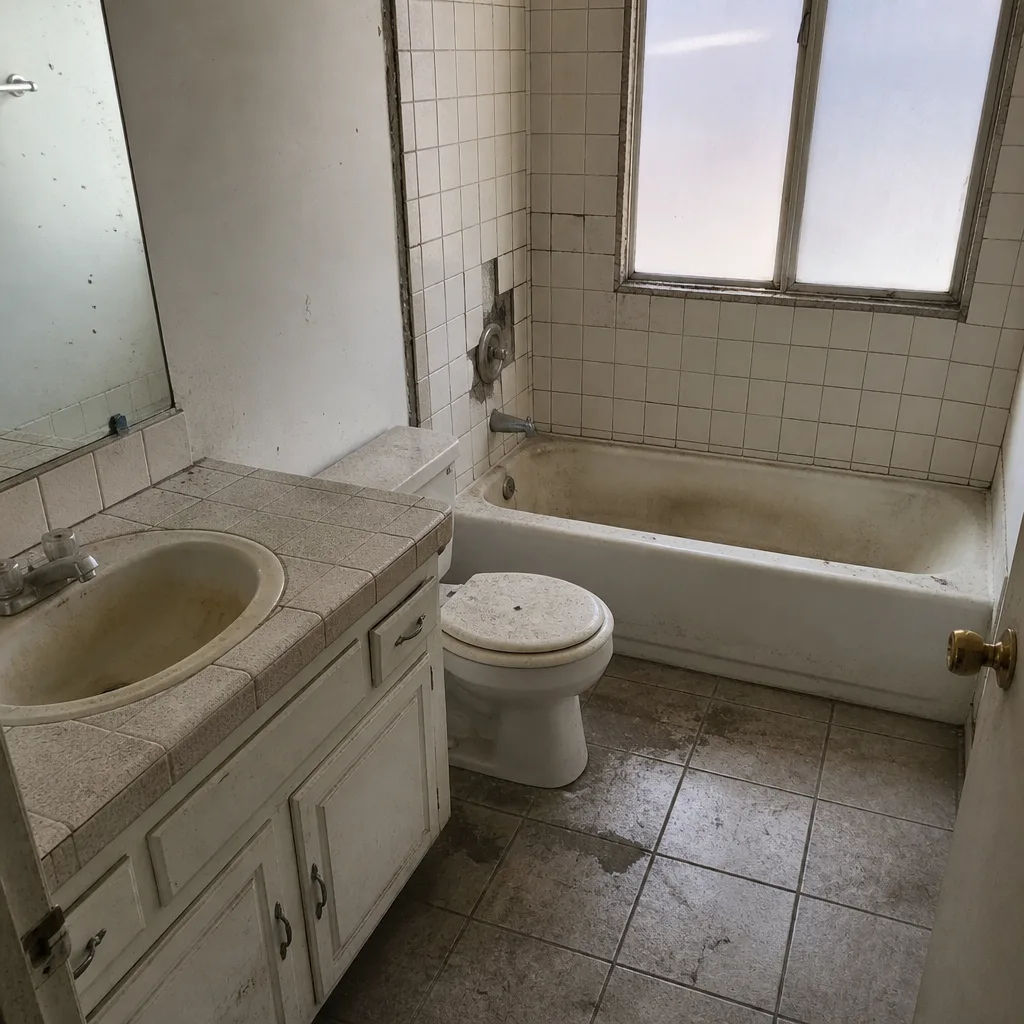 Before
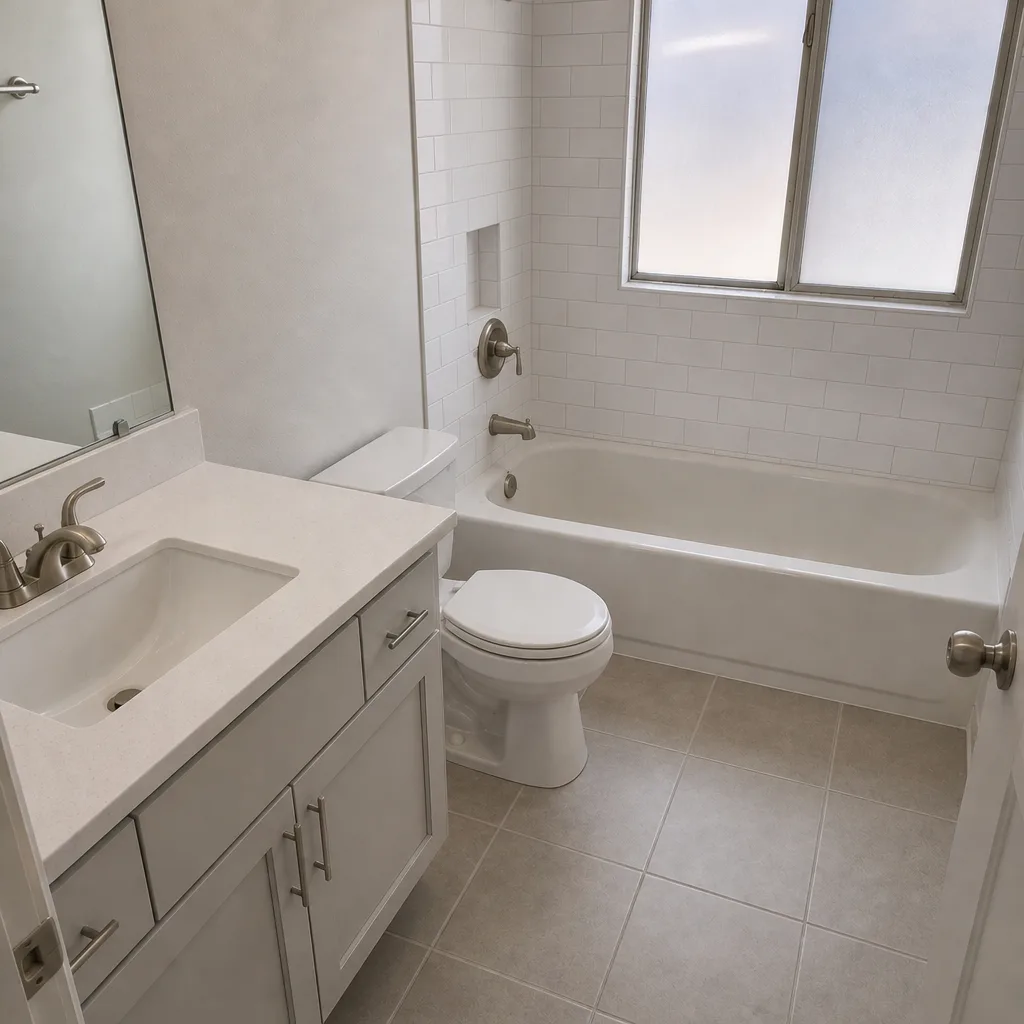 After
When to Call a Professional
Call a general contractor when the scope touches systems you don’t want to open yourself: electrical, plumbing, structural, or any work that requires a permit and inspection. Call one when your material lead times need to be sequenced against permit review and trade availability – that ordering discipline is what separates a 10-week kitchen from a 16-week one. And call one when you want a written price and a written guarantee in hand before anyone touches a wall. Bradford Remodeling Co Whitney offers free estimates in Whitney and answers the phone with a live person any time, day or night. Call (833) 620-4908.
Frequently Asked Questions
A whole-home remodel in Whitney typically takes 5 to 8 months of active construction, with 2 to 4 weeks added for Clark County permit review and 4 to 8 weeks for cabinet and window lead times. Larger structural changes push the timeline toward the top of that range. Call (833) 620-4908 for an exact estimate based on your scope – estimates are free.
A kitchen remodel in Whitney generally runs 6 to 10 weeks of construction once permits are approved. Cabinet lead time (4 to 8 weeks for KraftMaid or Wellborn) is usually the longest single dependency. The plan set decides the timeline as much as the construction schedule does. Call (833) 620-4908 to schedule a free estimate.
Punch-list items are small, sequential, and often require a specific tradesperson’s return visit, so they take longer to complete than they look in the schedule. The last 10% is where paint touch-ups, cabinet alignment, trim, and fixture adjustments live. Defining substantial completion and the punch list in writing at the walkthrough keeps those items on a schedule. Call (833) 620-4908 with questions before signing anything.
Yes, for any work that touches structure, electrical, plumbing, HVAC, or adds square footage. Cosmetic work (cabinet and counter swaps, paint, tile) typically doesn’t require a permit but should still be documented in your contract. In Clark County, plan review averages 10 to 15 business days for structural work. A properly registered contractor pulls the permit and holds the inspections – that’s part of the protection you’re paying for.
General contractor fees in the Whitney and Las Vegas metro area usually run 10 to 20 percent of the total project cost for whole-home remodels, with kitchens at the higher end because of the trade coordination involved. Material costs and labor account for the rest. The number on your contract should be written before the first tool comes out, not quoted verbally. Call (833) 620-4908 for a written, line-item estimate – the estimate is free and the price doesn’t move once we’re signed.
Not on a Bradford project. We write the price before any work starts and do not reprice at the door. If you change scope during the job, the change order is in writing with a new price and a new date. Anything not written and signed isn’t a change. Call (833) 620-4908 – the estimate is free and the price holds.
The Bottom Line
Timelines are made of phases you can count: permit review (10 to 15 business days in Clark County), long-lead materials (4 to 8 weeks for cabinets), trade sequencing, inspection holds, and a punch list that deserves real calendar days. Add them up, and the number a good general contractor gives you is closer to reality than the sales-friendly estimate. Ask for that breakdown in writing. Ask where the subcontractor slots are confirmed. Ask where substantial completion is defined. A timeline you can hold a crew to is a contract with dates and consequences, not a handshake. In Whitney, where Clark County permit lead times and desert heat both add real days, that discipline is the difference between a 10-week kitchen and a 16-week surprise.
Contact
Bradford Remodeling Co Whitney writes the price and the schedule before the first tool comes out, backed by The Garrison Standard and the 365-Day Done Right Promise on every completed project – if the work fails within the year, we come back and fix it at no charge. Our technicians have up to 22 years of experience, materials come from a documented roster of name brands (KraftMaid, Cambria, Kohler, GAF, James Hardie, Therma-Tru, among others), and a live person answers the phone any hour of the day or night. Call (833) 620-4908 for a free estimate in Whitney – no repricing at the door, no surprises.
Written by the team at Bradford Remodeling Co Whitney.